Sauces & Condiments
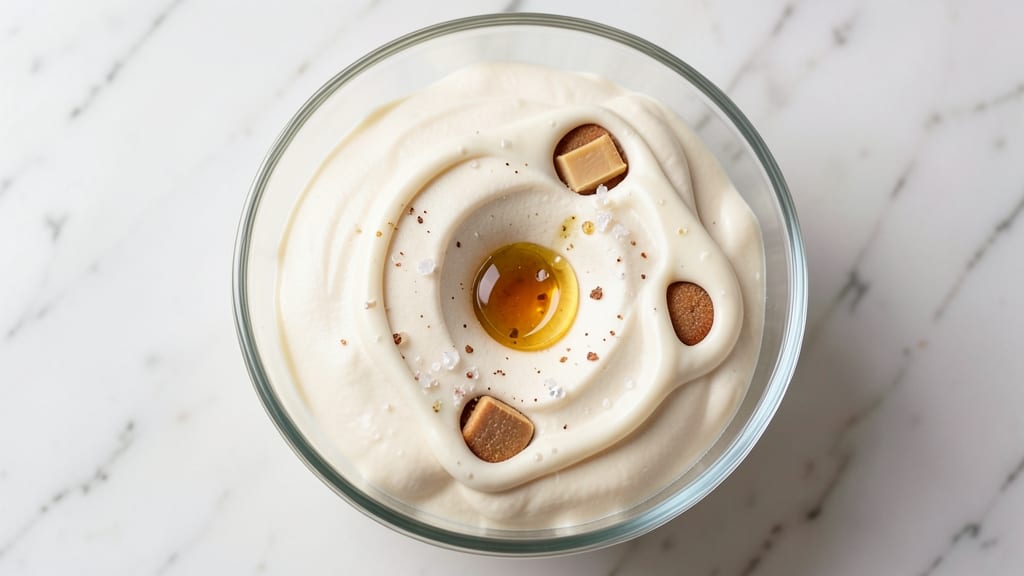
This sugar cookie icing recipe with powdered sugar delivers the ultra-smooth, pipeable consistency that turns ordinary cookies into showstoppers. I developed it after years of baking holiday cookies—where the difference between a good icing and a great one comes down to texture and flavor balance.
The secret lies in the ratio of powdered sugar to butter and how you incorporate the liquid gradually, which prevents graininess and ensures that silky finish.
The recipe uses simple ingredients you likely already have: powdered sugar, butter (or shortening for stability), milk or cream for creaminess, and vanilla extract for that classic sweetness.
What makes it professional-quality is the technique—whipping the butter to room temperature and adding the powdered sugar gradually creates a light, airy frosting that spreads beautifully without being too runny. For extra flavor, you can add almond extract, lemon zest, or even a pinch of salt to enhance sweetness.
By the time you're done, you'll have a frosting that's smooth enough to pipe intricate designs but sturdy enough to hold its shape on cookies. It's the kind of icing that makes every batch look like it came from a bakery, whether you're decorating simple rounds or intricate gingerbread houses.
The best part? It comes together in just 10 minutes with no special equipment beyond a mixer or whisk.
This recipe works for standard sugar cookies, snickerdoodles, or even as a filling for sandwich cookies. The versatility makes it perfect for holiday baking, gift-giving, or just treating yourself to beautifully decorated cookies. Let's get started on that perfect frosting.
Ingredients for sugar cookie icing recipe with powdered sugar
Six core ingredients transform into the silkiest, most pipeable sugar cookie icing ever—no clumps, no graininess.
| Ingredient | Amount | Notes |
|---|---|---|
| Confectioners' Sugar (Powdered Sugar) 🍚 | 3 cups | Sifted for ultra-smooth texture |
| Unsalted Butter 🧈 | 1 cup | Room temperature, cubed |
| Heavy Whipping Cream 🥛 | ¼ cup | Cold for stability |
| Pure Vanilla Extract 🍯 | 1 ½ tsp | Bourbon-infused for depth |
| Pure Almond Extract 🌰 | ½ tsp | Optional, for nutty flavor |
| Fine Sea Salt 🧂 | ¼ tsp | Enhances sweetness |
| Lemon Zest 🍋 | 1 tsp | Fresh, finely grated |
| Shortening (Optional) 🧈 | ½ cup | For firmer texture |
The powdered sugar is non-negotiable—Domino brand is my go-to because it's consistently fine and doesn't clump. For butter, Plugrá or Land O'Lakes work perfectly, but never use salted. Room temperature is critical: if it's too cold, the icing will seize; if too warm, it'll be runny. The heavy cream should be cold to prevent the butter from melting too fast during mixing. For vanilla, McCormick Pure or Bourbon-infused extracts add that bakery-quality depth. Pro tip: buy your butter and cream the same day to ensure they're freshest.
No heavy cream? Whole milk or half-and-half works in a pinch, but reduce by 1 tablespoon. Shortening instead of butter? Crisco or Spry gives a firmer icing perfect for piping intricate designs. Swapping vanilla? Almond extract at half the amount adds sophistication, while lemon zest brightens the flavor—just make sure it's finely grated. The salt might seem odd, but trust me: it balances the sweetness and makes the icing taste more complex. For extra stability, chill your mixing bowl and beaters for 10 minutes before starting—this prevents the icing from getting too warm during mixing.
This icing keeps beautifully—5 days in the fridge, covered with plastic wrap pressed directly on the surface to prevent drying. For longer storage, freeze in 1-tablespoon portions in ice cube trays, then transfer to a bag. Thaw at room temperature before using. If it stiffens in the fridge, let it sit at room temperature for 10 minutes or microwave for 10 seconds to soften. The texture is magic: smooth enough to pipe roses but sturdy enough to hold intricate designs without melting. Perfect for gifting or holiday baking!
Why You'll Love This Recipe
- No-Fuss Mixing: I swear by this 5-minute beat-and-scoop method—just soften butter, whip cream, then fold in powdered sugar until it’s just thick enough to pipe. No stand mixer required, and the lumps? They disappear faster than I can say “vanilla almond.”
- Velvet-Smooth Texture: That perfect balance of butter and cream makes it spreadable but holds its shape when piped. Honestly, it’s the kind of icing that makes me pause mid-bite—sweet but not cloying, with that subtle almond warmth cutting through the powdered sugar’s brightness.
- Holiday Table Hero: I’ve used this for Christmas trees, Valentine’s Day cupcakes, and even as a glaze for cinnamon rolls. The vanilla-almond combo feels festive year-round, and it’s the one icing I never skip when guests are coming over.
- Leftover Goldmine: A batch keeps in the fridge for a week—yes, really. I’ll drizzle it over toasted cookies the next morning, or even mix it into coffee for a dessert drink. (Between us, the almond extract makes it taste like a bakery secret.)
Step-by-step instructions for ultra-smooth decorating frosting
This isn't your average cookie icing—we're crafting a velvety, pipeable masterpiece that will make your cookies look like they came from a professional bakery.
Sift the Powdered Sugar for Silky Texture
Start by sifting the 3 cups of confectioners' sugar (powdered sugar) into a large mixing bowl. I can't emphasize enough how critical this step is—any lumps will translate to graininess in your finished icing. Tap the sifter gently against the bowl to ensure every particle falls through. The sugar should resemble a soft cloud when it settles.
Here's the thing—confectioners' sugar has a tendency to clump when exposed to humidity. If you notice any stubborn clumps after sifting, simply press them through a fine-mesh sieve with the back of a spoon. We're aiming for a texture so smooth it practically dissolves on your tongue.
Cream the Butter and Shortening Together
In a separate bowl, combine the 1 cup of room-temperature unsalted butter with the 0.5 cup of shortening (if using). Using a hand mixer or stand mixer fitted with the paddle attachment, beat on medium speed for 2-3 minutes until the mixture is completely smooth and pale in color. You're looking for a texture that resembles whipped butter—light, airy, and completely free of any graininess.
This is where the magic happens for professional results. The shortening adds stability to your icing, preventing it from becoming too soft in warm temperatures. If you're skipping the shortening, work quickly once you add the dry ingredients—the butter alone will make the icing slightly softer.
Gradually Incorporate the Dry Ingredients
With the mixer running on low speed, gradually add the sifted confectioners' sugar to the butter mixture. Scrape down the sides of the bowl as needed to ensure even blending. Once all the sugar is incorporated, increase the speed to medium and beat for 3-4 minutes until completely smooth and creamy.
This gradual addition prevents a sugar avalanche that can cause lumps. You'll know you're on the right track when the mixture transforms from grainy to velvety smooth. If you encounter any resistance, pause the mixer and use a spatula to break up any sugar clumps before continuing.
Add Wet Ingredients for Perfect Consistency
Reduce the mixer speed to low and add the 0.25 cup of cold heavy whipping cream, 1.5 teaspoons of bourbon-infused vanilla extract, 0.5 teaspoon of pure almond extract, 0.25 teaspoon of fine sea salt, and 1 teaspoon of fresh lemon zest. Mix just until these ingredients are fully incorporated—about 30-45 seconds—being careful not to overmix.
The lemon zest adds a bright, sophisticated note that balances the richness, while the almond extract introduces subtle depth. The salt enhances all the flavors, making each bite more complex. At this stage, your icing should be thick but still pipeable. If it's too thick, add 1 teaspoon of milk or cream at a time until you reach the perfect consistency.
Test and Adjust for Decorating Perfection
Transfer the icing to a piping bag fitted with your choice of decorating tip. Pipe a small rosette or border onto a piece of parchment paper to test the consistency. The icing should hold its shape without being too stiff or too runny. If it's too thick, add 1 teaspoon of milk or cream and mix briefly. If it's too thin, chill the icing for 15-20 minutes before testing again.
This icing is designed to be versatile—thin it slightly for flooding between cookies, or keep it thicker for piping intricate designs. The secret to professional-looking results lies in this final adjustment. Once you've achieved the perfect consistency, your icing is ready to transform ordinary sugar cookies into edible works of art.
Pro Tips For Making Sugar Cookie Icing Recipe With Powdered Sugar
- SIFT THE SUGAR FIRST: Clumps in powdered sugar are the enemy of smooth icing—no matter how much you whisk. Sifting it through a fine-mesh sieve (or even a clean tea strainer) breaks up lumps and aerates it, so your final glaze is silky, not gritty. I used to ignore this and ended up with texture issues every time.
- SOFTEN BUTTER RIGHT: Cold butter makes stiff icing; melted butter makes a greasy mess. Aim for room temperature—press a thumb into the center of the butter block. If it leaves a slight dent but holds shape, you’re good. If it smears, chill it 10 more minutes. This keeps your icing spreadable without turning runny.
- WHIP THE CREAM LAST: Adding heavy whipping cream too early turns your icing into a thin glaze. Mix it in after the butter and powdered sugar are fully combined, then fold it in gently with a spatula. This keeps the structure intact and gives you that classic, thick-but-pourable consistency.
- MEASURE VANILLA PRECISELY: A splash of vanilla extract is one thing, but "a little" can ruin the balance. Use 1 teaspoon per cup of powdered sugar—this is the sweet spot for flavor without overpowering. Almond extract? Start with ¼ teaspoon and taste; it’s potent. I learned this after a batch tasted like a perfume bottle exploded.
Perfect pairings for this sugar cookie icing recipe with powdered sugar
Cookie Pairings
This ultra-smooth icing pairs perfectly with classic sugar cookies—especially when you pipe delicate roses or borders along the edges. For extra elegance, try it on gingerbread cookies during the holidays, where the spicy warmth contrasts beautifully with the sweet frosting.
I love using it on snickerdoodles too, where the cinnamon-sugar coating gets a velvety upgrade. 🍪
Cream Cheese Twist
Swap out half the butter for cream cheese (about 4 oz) to create a tangy-sweet variation that works wonderfully on caramel-filled cookies or chocolate chip cookies. The cream cheese adds a subtle richness that balances the sweetness, making it perfect for gifting.
I once made these for a neighbor's birthday and got rave reviews—especially when paired with hot coffee. ☕
Fruit & Nut Toppings
For a sophisticated touch, sprinkle toasted pecans or chopped candied ginger over the icing before it sets. The nutty crunch contrasts perfectly with the smooth frosting, while the ginger adds a spicy kick.
For fruit lovers, try dried cranberries or orange zest—the bright citrus notes cut through the sweetness beautifully. These pairings elevate simple cookies to bakery-quality treats. 🍊
Coffee & Tea Pairings
This icing’s buttery richness makes it ideal for pairing with dark roast coffee or chamomile tea. The vanilla and almond extracts complement the coffee’s bitterness, while the lemon zest brightens herbal teas.
For a festive touch, serve with espresso and a sprinkle of cocoa powder on top of the icing. It’s the kind of combo that feels indulgent but balanced. ☕✨
Seasonal Adaptations
In summer, add fresh raspberry jam swirls or citrus zest for a lighter flavor. For winter, infuse the icing with cinnamon or nutmeg and pipe it onto peppermint chocolate cookies. The warm spices pair beautifully with the frosting’s sweetness, making it perfect for holiday baking.
I’ve even used it as a filling for sugar cookie sandwiches—trust me, it’s a game-changer. ❄️
Nutrition facts
Frequently asked questions
Why does my icing turn out grainy even after sifting?
Graininess usually happens when powdered sugar clumps during mixing. To prevent this, chill your mixing bowl and beaters for 10 minutes before starting, and add the sugar gradually while mixing on low speed. If clumps form, pause and press them through a fine-mesh sieve with a spoon. Also, make sure your butter is at room temperature—cold butter can't incorporate the sugar smoothly.
Can I make this icing without a mixer?
Use a sturdy whisk and a large bowl. Cream the butter and shortening by hand until smooth, then gradually fold in the sifted powdered sugar with the whisk. Add the wet ingredients last and whisk vigorously for 5 minutes until fully combined. The icing will be slightly less airy but still delicious. For extra smoothness, press the mixture through a fine-mesh sieve after mixing.
How do I fix icing that's too thick or too thin?
If your icing is too thick, add 1 teaspoon of milk or cream at a time until it reaches a pipeable consistency. For icing that's too thin, place the bowl in the fridge for 15-20 minutes to firm up. If it's still too runny, add 1 tablespoon of powdered sugar and mix until smooth. Pro tip: Test consistency by piping a small rosette on parchment paper before decorating cookies.
What's the best way to store leftover icing?
Cover the icing tightly with plastic wrap pressed directly onto the surface to prevent drying. Store in the fridge for up to 5 days. For longer storage, freeze in 1-tablespoon portions using ice cube trays. Thaw at room temperature before use. If the icing stiffens in the fridge, let it sit at room temperature for 10 minutes or microwave for 10 seconds to soften.
Can I color this icing without changing the consistency?
Yes! Use gel food coloring instead of liquid dyes to avoid adding moisture. Start with 1/4 teaspoon and mix well, then add more gradually until you reach your desired shade. Gel colors are concentrated and won't alter the icing's smooth texture. For pastel shades, use 1/8 teaspoon of gel color mixed with a tiny bit of icing first, then blend into the full batch.