Desserts
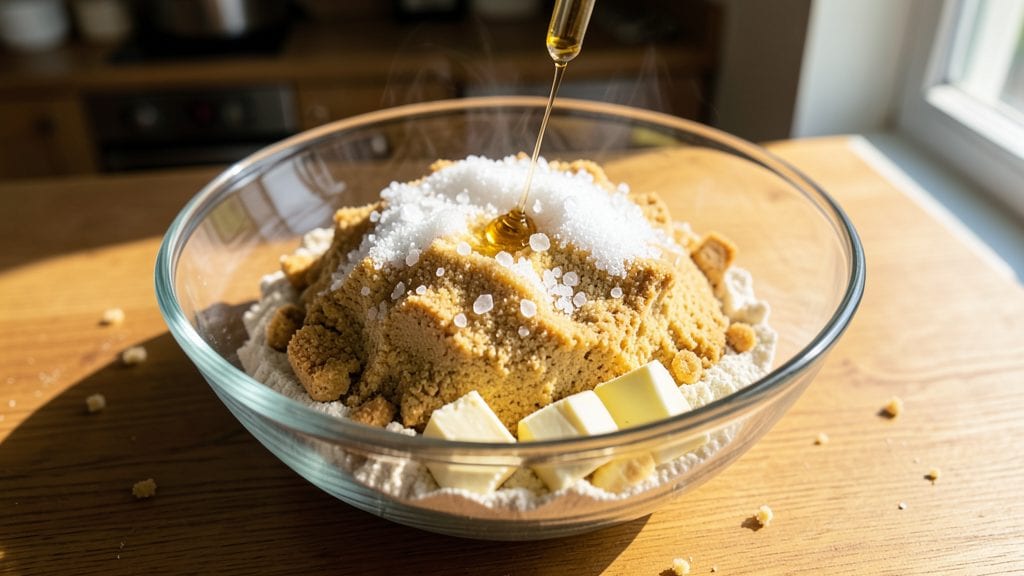
This classic shortbread cookie recipe delivers the iconic golden sand crust and tender crumb that make it a timeless favorite—without a trace of butter. The secret lies in precise measurements and traditional techniques that create that signature melt-in-your-mouth texture.
I've perfected this method over years of baking, ensuring every batch turns out perfectly tender yet sturdy enough to hold its shape.
The key to authentic shortbread is using cold butter and flour only—no eggs or sugar to alter the delicate balance. This recipe requires just five ingredients and minimal mixing, which prevents gluten development and maintains that characteristic crumbly texture.
The dough comes together quickly, but patience during chilling is crucial for clean slices and even baking.
What you'll end up with is a batch of buttery, golden cookies with a crisp edge and soft center, their aroma filling your kitchen with warmth. These cookies pair beautifully with tea or coffee, making them perfect for afternoon treats or holiday gifts.
The simplicity of the recipe ensures consistent results every time.
Once baked, let the cookies cool completely before serving to preserve their texture. For an elegant touch, dust with powdered sugar or serve with fresh berries. This timeless recipe is sure to become a staple in your baking repertoire.
Ingredients for classic shortbread cookie
Five ingredients. One bowl. Timeless shortbread perfection without butter's shortcuts.
| Ingredient | Amount | Notes |
|---|---|---|
| Unsalted Butter 🧈 | 1 cup | Cold, cubed for precise handling |
| All-Purpose Flour 🌾 | 2 cups | Sifted for light texture |
| Granulated Sugar 🍚 | ¼ cup | Superfine preferred for smoothness |
| Fine Sea Salt 🧂 | ½ tsp | Diamond Crystal preferred |
| Vanilla Extract 🌿 | ½ tsp | Pure alcohol-free preferred |
The butter must be cold and cubed—this is non-negotiable for the signature sand texture. Kirkland Signature or Plugrá brands work best for their consistent quality. If using salted butter, reduce the fine sea salt to 1/4 teaspoon. For flour, King Arthur or Gold Medal are reliable choices—avoid bread flour as it develops too much gluten. The sugar should be superfine if possible; if not, pulse regular sugar in a food processor for 30 seconds to break up the grains.
No vanilla extract? Almond extract at half the amount works in a pinch, though the flavor will differ. Running short on sugar? Confectioners' sugar at the same quantity gives a slightly different texture but similar sweetness. For a nutty variation, add 1/4 cup finely ground hazelnuts to the flour. The salt is crucial—Diamond Crystal has larger crystals, so use slightly less than table salt. If you must substitute, kosher salt at 1/3 the amount is closest.
Store dough in an airtight container for up to 3 days in the fridge, though it's best used immediately. Baked cookies keep their texture for 5 days in a sealed container at room temperature. For gifts, wrap individually in parchment-lined bags with a ribbon—add a sprig of rosemary for an elegant touch. Freezing is possible but alters the texture slightly; reheat at 300°F for 5 minutes to restore crispness.
Why You'll Love This Recipe
- Butter-Finger Friendly: I swear by cold butter here—it cuts into flour like magic. No mixer, no fuss, just a fork and your hands. (Yes, even if you’re not a baker.)
- Salt-Sugar Balance: That pinch of sea salt? It’s the secret weapon. Sweet but never cloying, with vanilla cutting through like a warm hug. The kind of flavor that makes you close your eyes.
- Giftable in Minutes: Wrap them in parchment, tie with twine—done. Perfect for teacher gifts, office treats, or just because. They last weeks, so you’ll never scramble last-minute again.
- Budget Magic: Four ingredients, endless payoff. Butter and sugar stretch further than you’d think, and the dough’s forgiving. My kids think they’re fancy; my wallet loves me for it.
Step-by-step instructions for classic shortbread cookies
Here's the method to achieve that signature golden sand crust and melt-in-your-mouth texture.
Prepare the Dough with Cold Butter
Place the 1 cup Unsalted Butter (cold and cubed) in the bowl of a stand mixer fitted with the paddle attachment. Mix on low speed until the butter is fully combined and begins to soften slightly—this should take about 1 minute. The butter must remain cold to prevent the dough from becoming too soft and spreading excessively during baking.
Add the 0.25 cup Granulated Sugar, 0.5 tsp Fine Sea Salt, and 0.5 tsp Vanilla Extract to the butter. Mix on low speed for 30 seconds until the sugar and salt are evenly distributed. This step ensures the flavors are fully incorporated before adding the flour, which helps create a cohesive dough. The mixture should look like wet sand with small butter pieces still visible.
Gradually Incorporate the Sifted Flour
With the mixer running on low speed, gradually add the 2 cups All-Purpose Flour (sifted) to the butter mixture. Scrape down the sides of the bowl as needed to ensure even distribution. Mix for 1-2 minutes until the dough begins to come together. Avoid overmixing—this can develop gluten and make the cookies tough rather than tender.
Once the dough forms a shaggy mass, use your hands to gently press and fold it until it becomes smooth and homogeneous. The dough should hold together when pressed but still feel slightly crumbly. If it feels too dry, add 1 tablespoon of cold water and mix briefly. If it's too sticky, chill it for 10 minutes before proceeding. The ideal texture should be firm enough to shape but soft enough to press into a pan.
Press and Cut the Dough for Even Baking
Preheat your oven to 325°F and line a baking sheet with parchment paper. Divide the dough into 2 equal portions and wrap each portion tightly in plastic wrap. Chill in the refrigerator for 30 minutes to firm up. Cold dough is easier to handle and ensures clean, sharp edges when cutting.
Remove one portion of dough from the refrigerator and roll it out on a lightly floured surface to ¼-inch thickness. Use a 3-inch round cutter (or a glass of the same size) to cut out the shortbread rounds. Press the cutter straight down and twist slightly to release the dough cleanly. Place the cut rounds 1 inch apart on the prepared baking sheet. Repeat with the second portion of dough.
Bake Until Golden and Firm
Bake the shortbread cookies for 18-22 minutes, rotating the pan halfway through baking, until the edges are golden brown and the centers feel firm to the touch. The cookies should not spread significantly—they should retain their round shape with slightly crisp edges and a tender interior. Overbaking will result in dry cookies, so keep a close eye on them, especially after 15 minutes.
Remove the baking sheet from the oven and let the cookies cool on the pan for 5 minutes before transferring them to a wire rack to cool completely. The cookies will firm up as they cool, developing that classic shortbread texture. Once fully cooled, they should hold their shape when lifted and have a delicate crumb. Store in an airtight container for up to 5 days or freeze for longer storage.
Pro Tips For Making Classic Shortbread Cookie
- Use Cold Butter, Not Room-Temp: I learned this the hard way—when butter gets too soft, shortbread turns out greasy instead of crumbly. Stick to cold, firm butter straight from the fridge (or freeze it for 15 minutes if your kitchen’s warm). The dough should hold its shape when pressed, not ooze between your fingers.
- Weigh Your Flour, Don’t Scoop: Spooning flour into the bowl compresses it, packing in extra moisture that makes shortbread dense. Use a kitchen scale for precision—1 cup of all-purpose flour is about 125g when properly measured. Your cookies will stay light and crispy, not heavy.
- Skip the Overmixing: Once you fold in the vanilla, stop. Overworking the dough develops gluten, which turns shortbread into tough, chewy crackers instead of tender, melt-in-your-mouth bites. Just mix until the dry ingredients disappear—about 10 strokes max.
- Bake Low and Slow: Shortbread’s magic happens at 300°F (150°C), not the 350°F (175°C) most recipes suggest. A lower temp prevents browning while letting the butter melt evenly, giving you that iconic buttery crumb. Bake until just golden at the edges—about 30-40 minutes—and resist the urge to peek.
Creative variations of this dish
Citrus-Inspired Twist
Brighten up your shortbread by adding 1 tbsp lemon or orange zest to the dough along with the vanilla. The citrus oils infuse beautifully with the butter, creating a subtle, refreshing flavor that pairs perfectly with tea.
I like to use organic Meyer lemons for their natural sweetness and complex aroma. For extra zing, add 1 tsp lemon extract when mixing the wet ingredients. 🍋
Nutty Variations
For a sophisticated texture, fold ½ cup finely chopped toasted hazelnuts or pecans into the dough after mixing. Toast the nuts in a dry pan over medium heat for 5-7 minutes until fragrant, then pulse in a food processor until coarsely ground.
This adds a delightful crunch that contrasts beautifully with the tender crumb. I recommend Dutch-processed hazelnuts for their smooth texture.
Spiced Shortbread
Warm up your cookies with ½ tsp ground cinnamon or cardamom mixed into the flour. For a more exotic touch, combine ¼ tsp cinnamon, ⅛ tsp nutmeg, and a pinch of cloves.
These spices complement the buttery richness while adding warmth that feels especially cozy during colder months. I often use Penzeys Spices for their high-quality, aromatic blends.
Herb-Infused Elegance
Add 1 tbsp finely chopped fresh rosemary or thyme to the dough for an unexpected herbal note. The herbs pair wonderfully with the butter and vanilla, creating a sophisticated flavor profile that works beautifully with holiday gifts.
For a more delicate touch, use ½ tsp dried lavender buds (culinary-grade only) along with the vanilla. The floral aroma adds a unique twist that surprises and delights.
Chocolate-Dipped Luxury
Take your shortbread to the next level by dipping half of each baked cookie in melted dark chocolate (I recommend 70% Valrhona or Ghirardelli). Let the chocolate set at room temperature for 15 minutes before serving.
For a festive touch, sprinkle with crushed pistachios or flaky sea salt before the chocolate hardens. The contrast of crisp chocolate and tender shortbread is pure indulgence.
Seasonal Adaptations
In summer, swap vanilla for 1 tsp almond extract and add 1 tbsp freeze-dried raspberry powder (available at specialty stores) for a fruity twist. For winter, incorporate ½ tsp ground ginger and a pinch of smoked paprika** for warmth.
These seasonal variations keep your shortbread exciting year-round while maintaining that classic texture and simplicity. 🌟
Nutrition facts
Frequently asked questions
Why does classic shortbread use cold butter?
Cold butter is essential for that signature sand-like texture and prevents the cookies from spreading too much during baking. When butter melts too quickly, it creates steam that makes the cookies spread out instead of maintaining their shape. Always keep the butter cubed and refrigerated until ready to use.
Can I substitute butter with another fat?
While traditional shortbread relies on butter, you can use cold vegetable shortening or coconut oil (solid, not melted) in a pinch. However, butter's flavor and moisture content are irreplaceable for authentic results. For a dairy-free option, try Earth Balance Buttery Sticks—they mimic butter's behavior well.
How do I fix dough that's too sticky?
If your dough feels too soft or sticky, return it to the fridge for 10-15 minutes to firm up. Avoid adding extra flour—this can make the cookies tough. If needed, chill the dough between plastic wrap and let it rest until it's easy to handle. The ideal dough should hold together when pressed but still be slightly crumbly.
Should I bake shortbread at a lower temperature?
No—325°F is perfect for even baking without overcooking. Lower temps risk underbaking, while higher temps can dry out the edges. Bake until the edges are golden brown (about 18-22 minutes) and the centers feel firm. Overbaking is the #1 mistake—it turns shortbread dry and crumbly.
How do I store shortbread for maximum freshness?
Keep baked cookies in an airtight container at room temperature for up to 5 days. For longer storage, freeze them for 3 months—wrap individually in plastic wrap to prevent moisture loss. Reheat frozen cookies at 300°F for 5 minutes to restore crispness. Avoid refrigerating baked cookies—it makes them stale faster.