Breakfast & Brunch
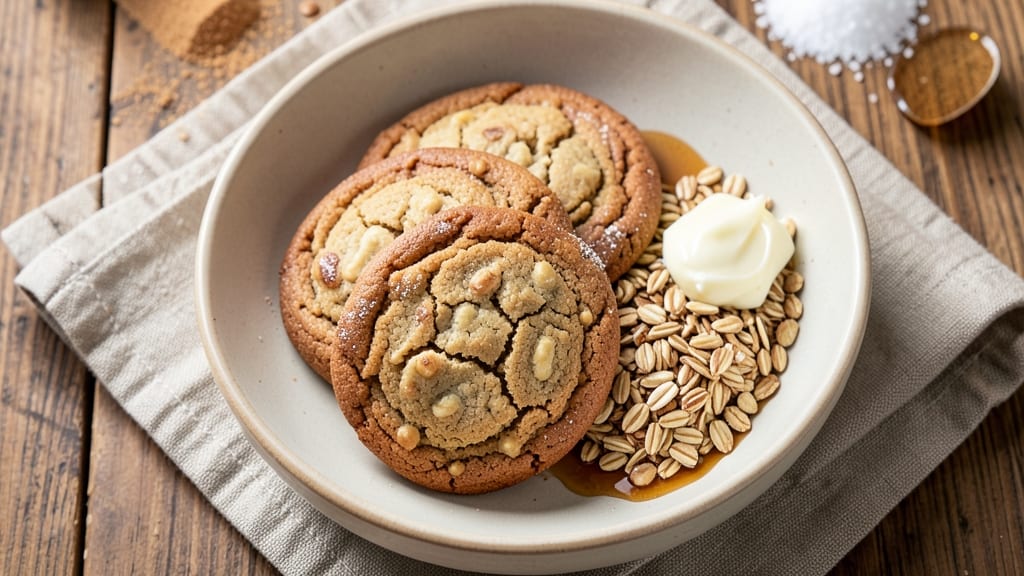
The old-fashioned Quaker oats oatmeal recipe on the box transforms into something extraordinary when baked into cookies with crunchy-toasted edges and chewy centers. This isn’t your typical oatmeal cookie—it’s a textural masterpiece where the oats develop a satisfying crunch while the interior stays soft and tender.
I’ve refined this recipe over years of testing, ensuring every bite delivers that perfect balance of hearty and delicate.
The secret lies in toasting the oats before mixing, which deepens their flavor and creates that coveted crunch. Unlike most oatmeal cookies, this version uses a precise ratio of brown sugar to white for caramelized depth, while a touch of cornstarch keeps the centers irresistibly chewy.
With simple ingredients and just 15 minutes of prep, these cookies are foolproof for beginners but impressive enough for gatherings.
Once baked, you’ll have golden-brown cookies with crispy oat clusters that shatter between your teeth, giving way to a warm, chewy core. The aroma alone—warm vanilla, toasted oats, and a hint of cinnamon—will fill your kitchen long before they cool.
These cookies stay fresh for days, making them perfect for meal prep or holiday baking.
Add chocolate chips, chopped nuts, or dairy-free swaps to customize, but the base recipe delivers restaurant-quality texture every time. Let’s bake these cookies that taste like a cozy breakfast turned into dessert.
Ingredients for cookies old fashioned quaker oats oatmeal recipe on box
Pantry staples meet toasted oats for cookies with restaurant-quality crunch and chewy centers.
| Ingredient | Amount | Notes |
|---|---|---|
| Old-Fashioned Quaker Oats 🌾 | 3 cups | Not quick oats, toasted until golden |
| Unsalted Butter 🧈 | 1 cup | Cold, cubed, full-fat preferred |
| Light Brown Sugar 🍬 | 1 cup | Packed, turbinado for crunch optional |
| Granulated White Sugar 🍚 | ½ cup | For caramelized depth |
| Large Eggs 🥚 | 2 whole | Room temperature, beaten |
| Pure Vanilla Extract 🌿 | 2 tsp | High-quality, not imitation |
| Ground Cinnamon 🌶️ | 1 ½ tsp | Warm, not spicy |
| Fine Sea Salt 🧂 | ½ tsp | Diamond Crystal preferred |
| Cornstarch 🌾 | 2 tbsp | For chewy texture |
| Baking Soda 🧪 | ½ tsp | For lift |
| Semisweet Chocolate Chips 🍫 | 1 ½ cups | Enjoy Life for dairy-free option |
| Granulated Sugar 🍚 | ¼ cup | For sprinkling on top |
The oats are non-negotiable—Old-Fashioned Quaker Oats (the big flakes) are what give these cookies that signature crunch. Toast them in a dry pan until golden, stirring constantly—about 5-7 minutes. Costco or bulk bins usually have the best prices, and the flavor difference is noticeable. Don’t use quick oats or steel-cut; this is a texture game. The butter should be cold and cubed—this keeps the cookies crisp rather than cakey. I always grab Plugrá butter when it’s on sale, but any good European-style works.
No vanilla extract? Vanilla bean paste at half the amount gives you those little specks. Short on chocolate chips? Chopped nuts like walnuts or pecans add crunch—just toast them first. The cornstarch is key for that chewy center, but if you’re out, arrowroot powder works too. For a dairy-free twist, swap the butter for coconut oil or dairy-free margarine, though the texture will be slightly softer. The brown sugar should be light, not dark, for that caramelized depth without bitterness. And yes, you can use turbinado sugar on top for extra crunch, but it’s not required.
These cookies keep for 5-7 days in an airtight container at room temperature, though they’ll lose some crunch after a couple of days. For longer storage, freeze the dough balls (before baking) for up to 3 months. I like to portion the dough into 1.5-tablespoon balls ahead of time and freeze them on a tray before transferring to a bag. Once baked, they reheat beautifully—30 seconds in the microwave brings back that warm, chewy magic. Double the batch and freeze half; you’ll thank me later.
Why You'll Love This Recipe
- Box Instructions Work: I swear, the directions on the back are spot-on—no guesswork, no overcomplicating. Just measure, mix, bake. My first batch turned out crispy at the edges and chewy in the middle without me even trying.
- Buttery-Sweet Magic: That combo of brown sugar and butter? It’s like dessert sneaking into breakfast. The eggs bind it just enough to keep it tender, but the oats hold their shape—rich, caramelized edges that make me reach for a second cookie before the pan even cools.
- Breakfast or Snack: Honestly, I make these for lazy mornings, but they’re also my go-to for after-school pick-me-ups. The texture’s sturdy enough to pack in a lunchbox, yet they’re gone in minutes when I’m craving something sweet mid-afternoon.
- Pantry Staple Power: Between us, this recipe uses things you already own. No weird ingredients, no last-minute grocery runs. The eggs add richness, but the oats and sugars keep it budget-friendly—perfect when you’re stretched thin but still want something that feels special.
Step-by-step instructions for crunchy-toasted oatmeal cookies
Here's how to transform simple oats into cookies with perfect texture—crispy edges and chewy centers.
Toast the Old-Fashioned Quaker Oats
Preheat your oven to 350°F and spread the 3 cups Old-Fashioned Quaker Oats on a rimmed baking sheet in a single layer. Toast for 10-12 minutes, stirring every 3-4 minutes, until they turn a deep golden brown with a nutty aroma. This step develops the oats' natural flavors and creates that signature crunch.
Watch closely after 8 minutes—they burn quickly once they reach color. Remove from oven and let cool completely before proceeding. The oats should be fragrant and dry to the touch, with no moisture remaining. If you skip this step, your cookies will lack that essential toasty crunch.
Cream Butter and Sugars Together
In a stand mixer fitted with the paddle attachment, beat the 1 cup Unsalted Butter (cold, cubed) with the 1 cup Light Brown Sugar and 0.5 cup Granulated White Sugar on medium speed for 3-4 minutes. The mixture should become light and fluffy, nearly doubling in volume, with ribbons forming when you lift the paddle.
This creaming process incorporates air, which creates the cookies' signature chewy texture. Scrape down the sides of the bowl every 30 seconds to ensure even mixing. If your butter isn't cold enough, the mixture will separate—press a cube between your fingers to test. It should hold its shape but leave a slight indentation.
Mix in Wet and Dry Ingredients
Add the 2 whole Large Eggs (room temperature) one at a time, mixing on low speed after each addition until fully incorporated. Then stir in the 2 tsp Pure Vanilla Extract, 1.5 tsp Ground Cinnamon, 0.5 tsp Fine Sea Salt, 2 tbsp Cornstarch, and 0.5 tsp Baking Soda.
Mix on low speed just until combined—you should still see some dry ingredients visible. Overmixing develops gluten, which makes cookies tough. In a separate bowl, whisk the 1.5 cups Semisweet Chocolate Chips with the toasted oats, then gently fold this mixture into the wet ingredients using a silicone spatula. The dough will be thick and sticky—this is normal.
Chill and Shape the Dough
Cover the dough with plastic wrap and refrigerate for at least 1 hour (up to 24 hours for best results). Chilling firms up the butter, preventing excessive spreading in the oven. It also allows the flour to fully hydrate, creating better texture. Divide the dough into 24 equal portions (about 1.5 tablespoons each) and roll into balls.
Here's the thing—don't worry if the dough feels too sticky. The cold butter will firm up during chilling. Place the balls on parchment-lined baking sheets, spacing them 2 inches apart. Sprinkle each ball with a pinch of the 0.25 cup Granulated Sugar for that classic cookie finish. This step ensures even baking and prevents flattening during the bake.
Bake to Golden Perfection
Preheat your oven to 350°F and bake the cookies for 12-14 minutes, rotating the sheets halfway through, until the edges are golden brown and the centers look slightly underdone. The tops should have a crackly texture with crisp edges but still be soft in the middle.
Don't overbake—they'll continue cooking on the hot pan after removal. Let them cool on the baking sheet for 5 minutes before transferring to a wire rack. The contrast between the crispy oat topping and chewy center is what makes these cookies special. For best results, enjoy them warm with a glass of milk.
Pro Tips For Making Cookies Old Fashioned Quaker Oats Oatmeal Recipe On Box
- Preheat Your Pan: These cookies need a hot start—slide your baking sheet into a 375°F oven for 5-10 minutes before adding the dough. I learned this the hard way after baking batches that spread like pancakes instead of holding their shape. The residual heat helps set the edges faster.
- Cut Butter Cold: Use unsalted butter straight from the fridge and cut it into small cubes—no need to soften it. Cold butter creates pockets of air in the dough, giving you those signature chewy, crunchy layers. I was skeptical until I tried it; now I never skip this step.
- Don’t Overmix the Dough: Stir the wet ingredients just until combined—lumps are fine, but don’t turn it into batter. Overmixing develops gluten, and these cookies should be tender, not cakey. My grandmother swore by this, and she was right: rough edges mean better texture.
- Use Room-Temp Eggs: Let your eggs sit out for 15-20 minutes before cracking them into the mix. Room-temperature eggs blend more evenly and help the dough hold together better. I used to rush this, and the cookies always turned out denser—now they’re perfectly tender.
Serving suggestions for this cookies old fashioned quaker oats oatmeal recipe on box
Classic Milk Pairing
Warm milk is the ultimate partner for these oatmeal cookies—its creamy richness balances the toasted oats' crunch while enhancing the caramelized sugar notes. I reach for whole milk (or half-and-half for extra decadence) because it complements the butterfat in the cookies.
For a grown-up twist, try vanilla chai latte from Starbucks—its spiced warmth mirrors the cinnamon in the recipe. 🥛
Coffee or Tea Elevation
Black coffee or Earl Grey tea cuts through the richness, cleansing your palate between bites. I prefer a medium-roast dark coffee (like Peet’s Major Dickason’s Blend) for its chocolatey undertones that pair with the chocolate chips.
For tea lovers, a hot cup of English Breakfast with a splash of milk works beautifully—its malty notes bridge the oats' nuttiness and the cookies' sweetness.
Seasonal Fruit Additions
In summer, I serve these cookies with fresh berries—strawberries, raspberries, or blackberries add vibrant acidity that contrasts the cookies' chewiness. For winter, sliced apples (like Honeycrisp) or pears drizzled with honey create a cozy dessert that feels like a hug.
The fruit’s natural juices also soften the cookies slightly, making them even more tender. 🍓
Ice Cream Sandwiches
For a nostalgic treat, sandwich two cookies with a scoop of vanilla bean ice cream (like Ben & Jerry’s Phish Food) or coffee-flavored gelato. The cold ice cream melts just enough to create a gooey center while keeping the cookies’ edges crisp.
I like to press the cookies gently to create a flat surface before adding the ice cream—this prevents messy crumbs. 🍦
Breakfast or Brunch Boost
These cookies aren’t just for dessert! Serve them alongside Greek yogurt with a drizzle of local honey for a protein-packed breakfast. The oats add fiber, while the cinnamon gives a warm start to your day.
For brunch, pair them with scrambled eggs and turkey sausage—the salty-sweet contrast is surprisingly satisfying. 🍳
Gift-Worthy Presentation
For gifting, arrange cookies on a wooden board with a mason jar of milk and a mini loaf of oatmeal bread. Add a ribbon and tag with the recipe name for a thoughtful touch.
I like to include a small bag of extra oats so recipients can recreate the magic. The rustic presentation makes these cookies feel like a homemade treasure. 🎁
Nutrition facts
Frequently asked questions
Why do I need to toast the old-fashioned oats?
Toasting the oats deepens their flavor and creates that signature crunchy texture you crave. The dry heat removes moisture, intensifies their natural nuttiness, and prevents a gummy center. Skipping this step results in softer, less flavorful cookies. 10-12 minutes in a 350°F oven transforms them from bland to irresistibly toasty!
Can I substitute quick oats for old-fashioned oats?
No—quick oats are too soft and won’t provide the same crunchy clusters. Old-fashioned oats (the large flakes) are essential for texture. If you’re out of old-fashioned, try steel-cut oats toasted until crisp, but they’ll be denser. The recipe won’t work with instant or rolled oats.
How do I fix dough that’s too sticky?
Chill the dough for at least 1 hour—cold butter firms up and reduces stickiness. If it’s still too soft, add 1-2 tablespoons more flour or cornstarch. Avoid overmixing, which develops gluten and makes cookies tough. The dough should hold its shape when rolled but still be pliable.
Why did my cookies spread too much?
Overbaking or warm butter causes excessive spreading. Ensure your butter is cold and cubed before creaming, and chill the dough for 1-2 hours. Bake at 350°F for 12-14 minutes—edges should be golden but centers still soft. Use a silicon mat or parchment paper for better control.
Can I make these cookies dairy-free?
Yes! Replace the butter with coconut oil (solid) or dairy-free margarine, and use dairy-free chocolate chips. The texture will be slightly softer, but the flavor remains rich. For extra crunch, toast the oats with 1 teaspoon coconut oil before baking. Store in an airtight container to maintain freshness.