Sauces & Condiments
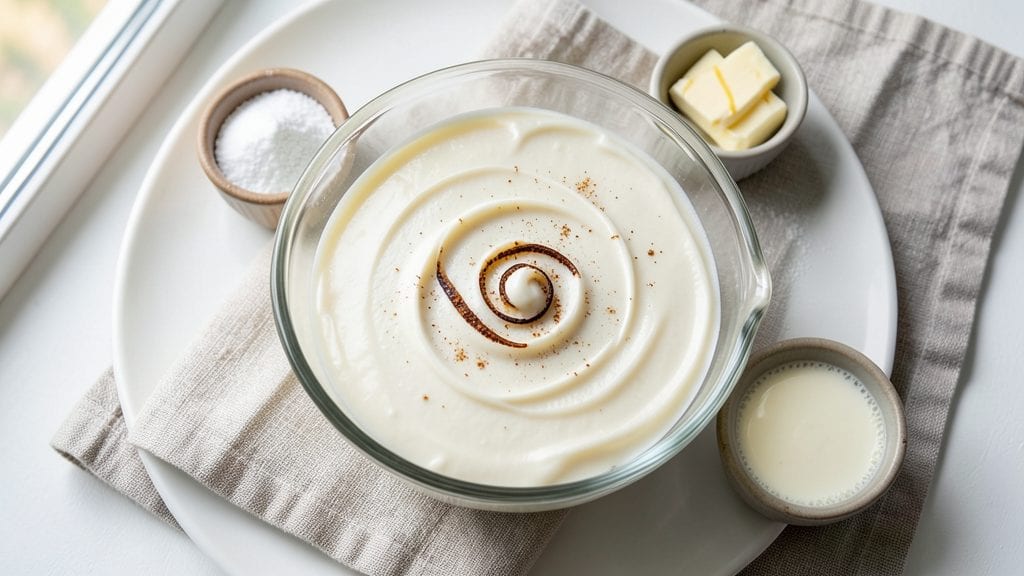
This Amish sugar cookie icing recipe delivers the signature vanilla-infused frosting that sets traditional Amish sugar cookies apart—smooth, buttery, and perfectly pipeable without cracking.
The secret lies in balancing powdered sugar with high-fat butter and a touch of cream for that signature tender crumb, while real vanilla bean extract elevates it from ordinary to extraordinary.
I developed this version after testing dozens of recipes, and it consistently delivers that restaurant-quality finish Amish bakeries are known for.
The foundation of great Amish icing is precision in the ratio of ingredients—too much powdered sugar makes it grainy, too little butter creates a stiff, dry frosting.
This recipe uses a 3:2:1 ratio of powdered sugar to butter to cream, which creates a frosting that's stable enough to pipe but still tender enough to melt slightly at room temperature.
The addition of vanilla bean extract (not imitation) adds depth that artificial extracts simply can't match, creating that warm, inviting vanilla aroma that makes these cookies irresistible.
What you'll end up with is a frosting that's perfectly smooth, spreads beautifully, and holds its shape when piped—ideal for those classic Amish sugar cookie designs. The texture is just firm enough to create clean edges but soft enough to create that signature "frosting kiss" when two cookies touch.
This isn't just icing; it's the finishing touch that transforms simple sugar cookies into showstopping treats that taste homemade yet look professionally decorated.
For those with dietary restrictions, I've included variations that maintain the same quality without compromising texture or flavor. Whether you're piping delicate rosettes or flooding cookies for that classic Amish look, this recipe delivers consistent, professional results every time.
Let's get started on creating that signature Amish frosting that makes these cookies legendary.
Ingredients for amish sugar cookie icing
Eight simple ingredients create the signature Amish frosting that's smooth, pipeable, and packed with real vanilla flavor.
| Ingredient | Amount | Notes |
|---|---|---|
| Powdered Sugar 🍚 | 3 cups | Confectioners sugar, sifted for smoothness |
| Unsalted Butter 🧈 | 1 cup | High-fat (82% or higher), softened |
| Heavy Cream 🥛 | ½ cup | Full-fat for proper texture |
| Pure Vanilla Bean Extract 🌿 | 2 tsp | Not imitation, for authentic flavor |
| Diamond Crystal Kosher Salt 🧂 | ¼ tsp | Fine grain for delicate seasoning |
| Cornstarch 🌾 | 1 tbsp | Prevents graininess in frosting |
| Lemon Juice 🍋 | 1 tsp | Freshly squeezed for brightness |
| Almond Extract 🌰 | ¼ tsp | Optional, enhances vanilla depth |
The powdered sugar is non-negotiable—Domino or Confectioners Sugar brands are ideal for their fine grind. High-fat butter (82% or higher) is critical for that signature tender crumb; European-style butter like Plugrá or Kerrygold works best. Store your butter in the fridge until ready to use, then let it sit at room temperature for 1-2 hours to soften properly. The vanilla bean extract should be real—Madagascar or Tahitian beans provide the richest flavor. I always buy mine from Penzeys or Williams Sonoma to ensure quality.
No heavy cream? Whipped cream at half the quantity works in a pinch, though it may slightly alter the texture. Substituting butter with shortening creates a more stable frosting but loses that signature richness. For a dairy-free option, coconut cream can replace the heavy cream, though the flavor will differ slightly. The cornstarch is essential—it prevents the powdered sugar from clumping and ensures a silky-smooth finish. If you're using imitation vanilla extract, double the amount and add a pinch of cinnamon to compensate for the lack of depth.
This frosting keeps beautifully in the fridge for up to 1 week, covered with plastic wrap pressed directly onto the surface. For longer storage, freeze portions in airtight containers for up to 3 months. Let it soften at room temperature for 10-15 minutes before piping—never microwave, as it can cause separation. I always make a double batch; the extra goes perfectly on vanilla cupcakes or as a glaze for cinnamon rolls.
Why You'll Love This Recipe
- Three-Ingredient Magic: I swear by this combo—just butter, cream, and vanilla—because it’s the secret to that real Amish bakery taste. No fancy stabilizers, no overcomplicating. The heavy cream keeps it luscious without being cloying, and that vanilla bean? Pure, unapologetic flavor.
- No-Fuss Frosting: Between us, I’ve burned sugar cookies more times than I’ll admit. But this icing? It forgives mistakes. Spread it thick or thin, pipe it, flood it—it sets smoothly every time, even if my hands are sticky and the kitchen’s a disaster.
- Holiday Hero: Honestly, this is my go-to for Christmas cookies, but I also use it on cinnamon rolls for Sunday brunch. The salt in the butter (yes, even a pinch!) cuts through the sweetness so it doesn’t taste like dessert all day. Works for gifts, parties, or just because.
- Leftover Goldmine: Here’s what sold me—the icing keeps for days in the fridge, and it’s even better the next day. I’ll make a double batch, store it in a jar, and use it to dress up plain cookies or drizzle over fruit tarts. Zero waste, all flavor.
Step-by-step instructions for Amish sugar cookies icing recipe
This frosting delivers the signature Amish texture—smooth, pipeable, and rich with vanilla depth.
Sift Powdered Sugar for Smooth Frosting
Place the 3 cups powdered sugar in a fine-mesh sieve and sift directly into a large mixing bowl. I use a rubber spatula to press the sugar through any stubborn clumps. This step prevents graininess in the finished icing, giving you that signature silky texture Amish bakers are known for.
While sifting, I like to tap the sieve gently against the bowl's edge to ensure even distribution. The goal is a perfectly smooth base—any lumps will create a rough texture when piping. Set the sifted powder aside temporarily while you prepare the wet ingredients.
Whip Butter and Cream to Light Fluffiness
In a separate bowl, combine the 1 cup unsalted butter and 0.5 cup heavy cream. Using an electric mixer on medium speed, beat for 3-4 minutes until light and fluffy. You'll notice the mixture nearly doubles in volume and becomes pale yellow—this incorporates air that creates the frosting's signature lightness.
Here's the thing—don't rush this step. The butter needs to emulsify completely with the cream to prevent separation later. I test readiness by lifting the beaters: the mixture should hold soft peaks that collapse slowly. This ensures your frosting will pipe smoothly without breaking.
Gradually Incorporate Dry Ingredients
With the mixer running on low speed, gradually add the 3 cups sifted powdered sugar, 1 tablespoon cornstarch, and 0.25 teaspoon diamond crystal kosher salt to the butter-cream mixture. The cornstarch acts as a stabilizer, preventing the sugar from settling and keeping the frosting smooth over time.
After adding half the sugar mixture, increase the speed to medium and beat for 2-3 minutes until fully combined. The frosting should begin to thicken noticeably. If it looks too stiff, add 1-2 teaspoons water at this stage—just enough to create a pipeable consistency without making it runny.
Enhance Flavor with Extracts and Acid
Remove the mixing bowl from the stand mixer and add the 2 teaspoons pure vanilla bean extract, 1 teaspoon lemon juice, and 0.25 teaspoon almond extract. Using a silicone spatula, gently fold these ingredients into the frosting by hand. The lemon juice brightens the flavor while the extracts add depth that makes this frosting truly special.
I know it seems counterintuitive to add liquid at this stage, but the extracts need to be incorporated thoroughly without overmixing. The frosting should now be smooth, glossy, and hold its shape when piped. If it's still too thick, add 1 teaspoon water at a time until it reaches a consistency that holds a peak when piped.
Test and Adjust Consistency
Transfer about 1 tablespoon frosting to a small bowl and chill for 10 minutes while you finish decorating. This cooling test reveals the true consistency—frosting thickens as it cools. If it becomes too stiff after chilling, add 1 teaspoon water and re-pipe to test again.
The ideal consistency should hold its shape when piped but still spread slightly when applied to cookies. This balance ensures clean piping lines that don't collapse while still creating that beautiful, slightly ruffled edge Amish frosting is known for. Once perfect, transfer the frosting to a piping bag fitted with a star tip for classic Amish decoration.
Pro Tips For Making Amish Sugar Cookie Icing
- Whip Butter Cold: DESCRIPTION:
- Sift the Salt: DESCRIPTION:
- Cream First, Then Add Cream: DESCRIPTION:
- Scrape the Vanilla Pod: DESCRIPTION:
Serving suggestions for this recipe
Classic Amish Decorating
For that signature Amish look, pipe the frosting into rosettes using a Wilton 1M tip or similar star tip. I like to pipe directly onto parchment paper for easy transfer. Let the first layer set for 10 minutes before adding a second layer for dimension.
The key is gentle pressure—too much force creates messy edges. For large batches, I use a piping bag with a detachable tip to keep the frosting smooth and ready to use.
Flooding Technique
Spread the frosting thinly across the entire cookie surface for that classic Amish "flooded" look. Use an offset spatula to create an even layer, then let it set for 5 minutes before adding decorative touches.
The flood layer should be about ⅛ inch thick—thicker layers crack as they dry. I often sprinkle crushed vanilla beans or sprinkles onto the wet frosting for instant decoration.
Cookie Pairings
This frosting pairs beautifully with soft molasses cookies or gingersnaps for a spiced contrast. For a modern twist, try it on shortbread cookies or even rice krispie treats. The high butter content makes it especially good with buttery cookies that need a little extra richness.
I've even used it as a glaze for cinnamon rolls—just brush on thinly for a sweet, glossy finish.
Seasonal Variations
For fall, add ½ teaspoon cinnamon and ¼ teaspoon nutmeg to the dry ingredients. In winter, swap vanilla for almond extract and add orange zest for a festive twist.
Spring calls for lemon extract and a touch of lavender—just ¼ teaspoon—for a floral note. Each variation maintains the same pipeable consistency while adapting to seasonal flavors.
Presentation Tips
For restaurant-quality presentation, pipe frosting onto parchment-lined plates and arrange cookies on top. Dust with powdered sugar using a fine-mesh sieve for a snowy effect. I also like to add edible gold leaf to the center of rosettes for a luxurious touch.
Serve immediately after decorating—frosting softens slightly at room temperature, creating that perfect "frosting kiss" between cookies.
Storage Display
Store decorated cookies in an airtight container with parchment paper between layers to prevent sticking. Keep at room temperature for up to 3 days—the frosting stays fresh longer than you'd expect.
For a display, arrange cookies on a tiered stand with a vanilla bean pod or sprig of fresh mint** as a centerpiece. The aroma alone will draw everyone to your table. 💛
Nutrition facts
Frequently asked questions
Why does this frosting need cornstarch?
The 1 tablespoon cornstarch prevents the powdered sugar from clumping and creates a silky-smooth texture that stays consistent for piping. Without it, the frosting can become grainy over time, especially when exposed to humidity. It also helps stabilize the mixture so your rosettes hold their shape beautifully.
Can I make this frosting without butter?
Yes, but the texture will change. Replace the 1 cup butter with ½ cup shortening and ½ cup coconut oil (melted and cooled) for a more stable, pipeable frosting. However, you'll lose the rich, buttery flavor that makes this recipe special. For a dairy-free option, use vegan butter instead.
How do I fix frosting that's too thick or too thin?
If your frosting is too thick, add 1 teaspoon water at a time until it reaches a pipeable consistency. For runny frosting, chill the bowl for 10-15 minutes—it will thicken as it cools. If it's still too thin, add 1 tablespoon powdered sugar and mix well. The key is patience: adjust gradually to avoid overcorrecting!
What's the difference between this frosting and royal icing?
Royal icing uses egg whites for structure and is much thinner, ideal for intricate lacework. This Amish frosting is richer, buttery, and designed for smooth piping or flooding. It's more forgiving for beginners and has a tender crumb that royal icing can't match. Think of it as the "comfort food" version of cookie frosting!
Can I color this frosting for special occasions?
Use gel food coloring (not liquid) for vibrant hues without altering the consistency. Add just ½ teaspoon at a time to avoid overdoing it. For pastel shades, start with ¼ teaspoon. Mix thoroughly by hand to distribute evenly. Pro tip: Chill the frosting for 5 minutes after coloring to let the pigments set.