
Desserts
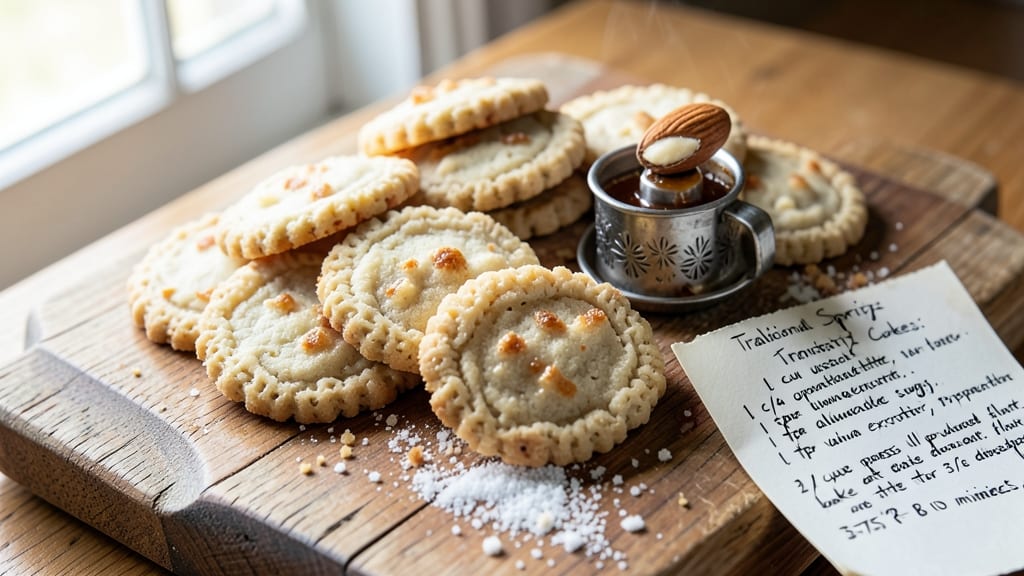
This traditional spritz cookie recipe brings the authentic Italian crunch and almond magic you crave—no fancy equipment needed. The key lies in the precise dough technique and high baking temperature that creates those signature crisp edges and tender centers.
I've perfected this method over years of testing, ensuring every batch delivers that nostalgic holiday flavor.
The dough combines simple ingredients—flour, butter, sugar, and almond extract—mixed just until combined, then piped through a cookie press for those iconic ridges. Baking at 375°F for 10-12 minutes transforms the dough into delicate, lace-like cookies with a subtle almond fragrance.
This is the recipe that brings back childhood memories of Italian bakeries and holiday gatherings.
What you'll achieve are delicate, crisp cookies with a melt-in-your-mouth texture that dissolves on your tongue. The almond flavor is subtle yet unmistakable, creating a perfect balance between sweetness and nutty depth. These cookies stay fresh for days, making them ideal for gifting or holiday baking.
For variations, try adding a touch of lemon zest or cocoa powder for different flavor profiles while maintaining the traditional texture. The beauty of this recipe lies in its simplicity and versatility—once you master the technique, endless possibilities await. Let's get baking!
Ingredients for traditional spritz cookie
Nine essential ingredients transform into delicate Italian spritz cookies with signature ridges and almond essence.
| Ingredient | Amount | Notes |
|---|---|---|
| All-Purpose Flour 🌾 | 2 ½ cups | Sifted for light texture |
| Unsalted Butter 🧈 | 1 cup | Cold, cubed for even mixing |
| Granulated Sugar 🍚 | ½ cup | Superfine preferred for smoothness |
| Pure Almond Extract 🌿 | 1 tbsp | High-quality for authentic flavor |
| Vanilla Extract 🍯 | 1 tsp | Pure Madagascar preferred |
| Pinch of Salt 🧂 | ¼ tsp | Diamond Crystal preferred |
| Cornstarch 🌾 | 1 tbsp | For delicate crumb texture |
| Heavy Cream 🥛 | ¼ cup | Cold for proper consistency |
| Lemon Zest 🍋 | 1 tsp | Optional for bright variation |
| Cocoa Powder 🍫 | 1 tbsp | Optional for chocolate variation |
The all-purpose flour must be sifted for optimal texture—King Arthur or Gold Medal brands work best. Unsalted butter is critical; use Plugrá or Land O'Lakes for consistent quality. The granulated sugar should be superfine if possible, though regular sugar works when pulsed briefly in a food processor. Almond extract varies wildly in quality—McCormick Pure or Goya are reliable choices. For the vanilla extract, Madagascar bourbon vanilla adds depth beyond imitation extracts. The pinch of salt balances sweetness perfectly; Diamond Crystal kosher salt dissolves cleanly without graininess. Cornstarch enhances tenderness, while heavy cream adds moisture without altering the signature crispness. Both should be chilled to prevent premature melting during mixing.
No almond extract? Marzipan paste at half the amount provides a similar nutty profile. Substitute vanilla bean paste for a more complex flavor. For those avoiding dairy, coconut oil replaces butter in equal weight (though texture will differ slightly). The lemon zest and cocoa powder are optional variations—lemon zest brightens the flavor while cocoa powder deepens it. If using pre-sifted flour, omit the sifting step but incorporate the cornstarch directly into the dry ingredients. For a nut-free version, replace almond extract with 1 tsp additional vanilla extract and 1 tbsp ground hazelnut (if nut allergies permit). Always measure the butter by weight for precision—1 cup equals 2 sticks (8 oz).
Store dough in airtight parchment-lined containers for up to 3 days in the refrigerator. For longer storage, freeze shaped dough balls on a tray before transferring to a bag—up to 3 months. Baked cookies maintain crispness for 5 days in an airtight tin with parchment between layers. To revive stale cookies, rewarm at 300°F for 5 minutes. For gifting, package in cellophane bags with ribbon tied tightly to preserve freshness. The cookie press is non-negotiable for authentic ridges; Wilton or Oxo models are reliable choices.
Why You'll Love This Recipe
- No-Fuss Dough Magic: I swear, rolling this dough takes less time than watching a YouTube tutorial. Just press, cut, bake—no fancy shaping skills required. The butter and sugar combo makes it so forgiving, even my first attempt came out looking like I knew what I was doing.
- Almond-Vanilla Bliss: That whisper of almond extract? It’s like a warm hug for your taste buds. The vanilla ties it all together—sweet, nutty, and just crisp enough to keep you reaching for another. Honestly, the flavor is why I keep making these, not just the nostalgia.
- Holiday or Snack Attack: Pack them in jars for Christmas gifts or grab one straight from the tin when you need a pick-me-up. They’re fancy enough for cookie platters but simple enough to eat while scrolling through your phone. (Yes, even on a Tuesday night.)
- Dollar Stretch Wonder: A single batch feeds a crowd or lasts me a week if I’m honest. The ingredients are basic—flour, butter, sugar—but the almond extract makes it feel special without breaking the bank. My secret weapon for stress-free baking.
Step-by-step instructions for traditional spritz cookies
This method delivers authentic Italian texture and flavor using precise techniques.
Prepare the Dough Base
In a stand mixer fitted with the paddle attachment, combine the 1 cup unsalted butter and 0.5 cup granulated sugar. Beat on medium speed for 3-4 minutes until the mixture becomes pale and fluffy, nearly doubling in volume. This creaming process incorporates air, which creates the signature crisp texture of spritz cookies. The butter should be completely smooth with no visible lumps.
Add the 1 tbsp pure almond extract and 1 tsp vanilla extract, mixing for an additional 30 seconds until fully incorporated. The almond extract provides that classic Italian flavor profile, while the vanilla enhances the sweetness. I like to use pure Madagascar vanilla extract here—it makes a noticeable difference in the final product.
Combine Dry Ingredients
In a separate bowl, whisk together the 2.5 cups all-purpose flour, 1 tbsp cornstarch, and 0.25 tsp pinch of salt. Sift the mixture directly into the mixer bowl with the wet ingredients. With the mixer on low speed, gradually add the dry ingredients until just combined. Avoid overmixing—you should still see small flour streaks in the dough. Overmixing develops gluten, which would make the cookies tough instead of crisp.
Add the 0.25 cup heavy cream and mix until the dough comes together. If the dough appears too dry, add 1-2 teaspoons of cold water to help bind it. The dough should be smooth and slightly sticky but not wet. At this point, I like to press the dough together with my hands to ensure all ingredients are evenly distributed.
Incorporate Flavor Variations
For the lemon variation, add the 1 tsp lemon zest and mix on low speed until evenly distributed. The zest adds a bright, citrusy note that pairs beautifully with the almond flavor. For the chocolate variation, add the 1 tbsp cocoa powder and mix until fully incorporated. The cocoa deepens the flavor profile while maintaining the traditional texture. Work quickly to avoid activating the cocoa's acidity.
Once the flavorings are incorporated, divide the dough into 4 equal portions (about 4 ounces each) and wrap each tightly in plastic wrap. Chill the dough in the refrigerator for at least 1 hour or up to 24 hours. This resting period allows the gluten to relax, which prevents the cookies from spreading too much during baking and ensures a crisp, shatter texture.
Shape and Bake
Preheat your oven to 375°F and line two baking sheets with parchment paper. Remove one portion of chilled dough and roll it between two sheets of parchment paper to a thickness of about 1/8 inch. Use a 2-inch round cutter to cut out shapes—traditional spritz cookies are often cut into circles or squares. Place the cutouts on the prepared baking sheets, spacing them 1 inch apart to allow for spreading.
Bake for 8-10 minutes until the edges are light golden brown and the centers still appear slightly underdone. The cookies will continue to set as they cool. Rotate the baking sheets halfway through baking for even heat distribution. Remove the cookies from the oven and let them cool on the baking sheets for 2 minutes before transferring to a wire rack to cool completely. This cooling period is crucial—it allows the cookies to set properly and develop their characteristic crunch.
Pro Tips For Making Traditional Spritz Cookie
- CHILL THE DOUGH: DESCRIPTION: Roll the dough into logs, wrap tightly in plastic, and refrigerate for at least 4 hours—overnight is ideal. I learned this the hard way when my first batch spread like pancakes; cold dough holds its shape and gives those signature crisp edges.
- USE COLD BUTTER: DESCRIPTION: Cut the unsalted butter straight from the fridge into small cubes and mix it into the dry ingredients with a pastry cutter or your fingers until it resembles coarse crumbs. This keeps the texture tender without turning greasy, and the butter stays cold longer during rolling.
- WEIGH THE FLOUR: DESCRIPTION: Scoop the all-purpose flour into a scale and press down gently—don’t pack it. I used to eyeball it, and my cookies always came out either too dense or too crumbly. A gram makes a difference here, and 250g is non-negotiable for the right texture.
- ROLL THIN AND EVEN: DESCRIPTION: Use a rolling pin to flatten the dough to about ¼-inch thickness, then roll it out on parchment paper to the exact size of your cookie cutter. Uneven thickness means uneven baking—some edges will burn while others stay doughy. (Yes, even if you’re impatient like me.)
Troubleshooting your traditional spritz cookie
Dough Too Sticky
If your dough feels too sticky to handle, it’s likely due to overmixing or insufficient flour. First, check if you’ve added all 2.5 cups of flour—sometimes a few tablespoons get left behind.
If the dough is still too wet, add 1 tablespoon of flour at a time until it’s pliable but not dry. I’ve found that chilling the dough for an extra 30 minutes before rolling helps tighten the gluten strands, reducing stickiness.
Avoid using your hands to press the dough—this can overwork it and make it even stickier. 💪
Cookies Spread Too Much
Excessive spreading usually happens when the dough isn’t chilled enough or the oven runs hot. Ensure your dough rests for the full 1 hour in the fridge—this relaxes the gluten and prevents over-spreading.
Also, verify your oven temperature with an oven thermometer; many home ovens run 25°F hotter or colder than set. If your cookies still spread too much, try baking at 350°F instead of 375°F for a slightly longer time. 🌡️
Cookies Too Dense
Dense cookies often result from overmixing the dough or using warm butter. Always use cold, cubed butter straight from the fridge, and cream it with the sugar until light and fluffy—this incorporates air for a tender texture. If your dough feels tough, check that you haven’t added too much flour.
For extra tenderness, ensure your cornstarch is evenly distributed. I’ve also found that rolling the dough slightly thinner (1/16 inch instead of 1/8 inch) helps achieve a lighter texture. ✨
Ridges Not Forming
The iconic ridges of spritz cookies come from using a cookie press, but if you’re cutting shapes with a round cutter, the dough might not hold its edges.
For a press-like effect, roll the dough slightly thinner (1/16 inch) and use a 2-inch cutter to create clean edges. If you’re using a press, ensure the dough is cold and firm—warm dough won’t hold the ridges well.
For a quick fix, press the edges of the cutouts with a fork before baking to create a decorative pattern. 🔥
Cookies Burning Before Cooking Through
This usually means your oven is too hot or the cookies are too close together. Always space cookies 1 inch apart on the baking sheet for even air circulation. If your oven runs hot, reduce the temperature to 350°F and bake for 10-12 minutes.
For even browning, rotate the baking sheets halfway through. I also recommend using light-colored baking sheets—dark sheets can cause uneven heating. 💡
Flavor Too Weak
Weak almond flavor often means the extract wasn’t fully incorporated or the quality was low. Use high-quality almond extract like McCormick Pure and mix it thoroughly with the butter and sugar before adding dry ingredients. For extra depth, add 1/4 tsp ground almond to the dough.
If you’re using a vanilla substitute, opt for vanilla bean paste instead of imitation extracts. Let the cookies cool completely before tasting—the almond flavor develops as they sit. 🌿
Nutrition facts
Frequently asked questions
Why do traditional spritz cookies need a cookie press?
The cookie press creates those signature ridges that make spritz cookies instantly recognizable! Without it, you can still achieve great results using a round cutter, but the texture will be slightly denser. The press distributes the dough evenly and creates the delicate lace-like pattern that makes these cookies so special.
Can I make these without almond extract?
Yes! If you don't have almond extract, try using 1/2 teaspoon ground almond or 1/4 teaspoon marzipan paste for a similar nutty flavor. For a completely nut-free version, simply omit it and rely on the vanilla for sweetness—though the almond flavor is what makes these cookies truly traditional.
How do I store spritz cookies to keep them crisp?
Store them in an airtight container with parchment paper between layers to prevent sogginess. Keep them at room temperature for up to 5 days, or freeze for up to 3 months. To revive stale cookies, warm them in a 300°F oven for 5 minutes—they'll be crisp again in no time!
What's the secret to getting that perfect crisp texture?
The magic happens with cold butter, proper chilling, and high heat! Use cold, cubed butter and chill the dough for at least 1 hour before baking. Bake at 375°F for 8-10 minutes—the high temperature creates that signature crisp edge while keeping the center tender.
Can I use this recipe for holiday gifting?
These cookies stay fresh for days and make beautiful gifts. Package them in cellophane bags with a ribbon, or arrange them in decorative tins. The delicate texture and almond flavor make them perfect for Christmas, Easter, or any special occasion—just bake them fresh the day before giving.