
Desserts
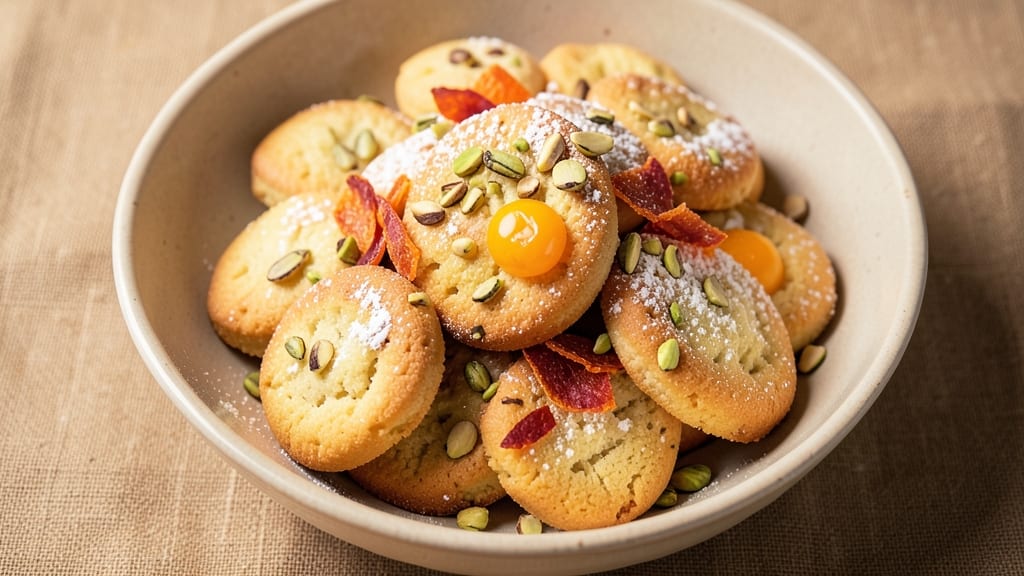
This panettone cookies recipe captures the festive essence of Italian holiday baking—soft, pillowy dough infused with candied fruit and citrus zest that transports you straight to Milan’s Christmas markets.
The secret lies in combining traditional panettone flavors with a foolproof cookie technique that yields tender centers and crisp edges, every bite bursting with holiday nostalgia. I developed this recipe after years of searching for the perfect balance between store-bought panettone’s signature sweetness and homemade cookies’ comforting texture.
The magic starts with a yeast-infused dough that rises just enough to create that signature panettone-like crumb, while a touch of almond flour adds subtle richness without overpowering the candied fruit and citrus notes.
Unlike dense panettone, these cookies bake into delicate, melt-in-your-mouth treats with a delicate golden crust—perfect for gifting or decorating with powdered sugar for an instant holiday touch. The recipe uses simple ingredients but delivers restaurant-quality results that’ll have your guests asking for the recipe.
What makes these cookies truly special is their versatility—they’re sturdy enough to hold decorative toppings yet tender enough to crumble slightly, releasing layers of vanilla, lemon, and candied fruit with every bite.
Baked in 12 minutes at 350°F, they’re quick enough for last-minute holiday baking but flavorful enough to justify the effort. The dough can be prepped ahead, making this an ideal make-ahead dessert for busy holiday schedules.
Serve warm with a dusting of powdered sugar or a drizzle of melted chocolate for an extra touch of indulgence. These cookies pair beautifully with espresso or mulled wine, making them the perfect centerpiece for holiday gatherings.
Let’s bring a taste of Italian tradition to your kitchen—one batch at a time.
Ingredients for panettone cookies
Twelve ingredients, twenty-four cookies bursting with Milan’s holiday magic—this dough transforms simple pantry staples into melt-in-your-mouth Italian tradition.
| Ingredient | Amount | Notes |
|---|---|---|
| All-Purpose Flour 🌾 | 3 ½ cups | Sifted for light texture |
| Unsalted Butter 🧈 | 1 cup | Cold, cubed for dough |
| Granulated Sugar 🍚 | 1 cup | Superfine preferred for smoothness |
| Active Dry Yeast 🍄 | 1 tbsp | Freshly opened for potency |
| Warm Whole Milk 🥛 | ½ cup | 110°F for yeast activation |
| Large Eggs 🥚 | 2 whole | Room temperature for blending |
| Almond Flour 🌰 | ½ cup | Finely ground for richness |
| Vanilla Extract 🌸 | 1 ½ tsp | Pure Madagascar preferred |
| Lemon Zest 🍋 | 1 tbsp | Organic, freshly grated |
| Candied Citrus Peel 🍊 | ½ cup | Finely chopped, store-bought or homemade |
| Diamond Crystal Kosher Salt 🧂 | ½ tsp | Fine grain for even distribution |
| Powdered Sugar 🍚 | ¼ cup | For dusting and decorating |
| Dark Chocolate Chips 🍫 | ½ cup | 70% cacao for drizzling |
| Espresso Powder ☕ | ½ tsp | Optional for depth of flavor |
The yeast is non-negotiable here—Fleischmann’s or Saf-Instant work best, but always check the expiration date. Warm the milk to 110°F (just warm to the touch) to activate the yeast without killing it. For the almond flour, Bob’s Red Mill is my go-to—it’s finely ground and adds that signature richness without overpowering the citrus notes. The candied peel can be store-bought (like Ghirardelli’s or Trader Joe’s brands) or homemade if you’re feeling ambitious. If you’re making it from scratch, use organic lemons and simmer them with sugar until tender. The butter needs to be cold—Plugrá or Land O’Lakes work perfectly, but avoid anything with added salt or preservatives. The vanilla extract? Madagascar Bourbon is the gold standard, but if you’re on a budget, Nutiva’s pure extract is a solid backup.
No almond flour? Substitute with extra all-purpose flour plus 1 tbsp almond extract—it won’t be identical, but it’ll still taste amazing. Short on candied peel? Dried apricots or cherries, finely chopped add a similar chewy texture and sweet-tart balance. The espresso powder is optional, but if you love it, Lavazza or Starbucks brands work well. For the sugar, superfine is ideal, but if you only have granulated, pulse it in a food processor for 30 seconds to break it down. The dough can be tricky with substitutions—it needs to hold its shape but still be tender, so don’t overmix. If your dough feels too sticky, chill it for 20 minutes before rolling. And if you’re feeling fancy, swap half the powdered sugar for confectioners’ sugar for an extra-smooth finish.
This dough is a make-ahead dream—it keeps in the fridge for up to 48 hours wrapped tightly in plastic. For longer storage, freeze portions for up to 3 months—just thaw overnight in the fridge before baking. The cookies stay fresh for 5 days at room temperature if stored in an airtight container, but they’re best enjoyed within 2 days of baking for that perfect pillowy texture. Pro tip: dust them with powdered sugar right after baking while they’re still warm—the sugar melts slightly and creates a gorgeous, snowy finish. And if you’re gifting these, package them in cellophane bags with a ribbon—they’ll look like they came straight from a Milanese patisserie.
Why You'll Love This Recipe
- I’ll be real: this recipe stretches my ingredients. A little flour, a little butter, and that yeast makes the dough go far, so I end up with extra cookies for days. Plus, they’re cheap to make—way cheaper than store-bought treats, but way more impressive.
- Pantry Staples Only: I swear by this recipe because it uses what’s already in my kitchen—no obscure ingredients or last-minute grocery runs. That warm milk and yeast combo? It’s like a cozy hug in dough form, and the butter gives it that melt-in-your-mouth magic without needing fancy tools.
- Buttery-Sweet Magic: The sugar and butter create this perfect balance—sweet enough to satisfy a craving, but not cloying. Honestly, the first bite makes me forget it’s cookies; it tastes like a bite of Italian holiday tradition, but in a handheld, shareable form.
- Holiday Ready: Between us, I make these every December because they’re my secret weapon for parties—no one guesses they’re yeast-based until they taste them. They freeze beautifully too, so I bake a batch and pull them out all season long.
Step-by-step instructions for panettone cookies
Transform simple ingredients into decadent holiday cookies with this foolproof yeast-infused method.
Activate the Yeast with Warm Milk
In a small bowl, whisk together the 0.5 cup warm whole milk (110°F) and 1 tbsp active dry yeast until fully dissolved and frothy. This should take about 5 minutes—the mixture should bubble and develop a foamy head. If it doesn't activate after 10 minutes, your yeast may be stale, and you'll need to start over with fresh yeast.
This step is crucial for developing the signature light, airy texture of these cookies. The yeast needs the perfect temperature to wake up and begin its work. If you don't have a thermometer, test the milk by dipping your finger in—it should feel warm but not hot to the touch. Once activated, set the yeast mixture aside while you prepare the remaining ingredients.
Cream Butter and Sugar for Maximum Fluffiness
In a stand mixer fitted with the paddle attachment, beat the 1 cup unsalted butter and 1 cup granulated sugar on medium speed for 3-4 minutes until light and fluffy. The mixture should nearly double in volume and become pale in color. This creaming process incorporates air, which creates that signature tender crumb and helps the cookies rise beautifully.
I like to scrape down the sides of the bowl with a silicone spatula every 30 seconds to ensure even mixing. The butter should look smooth and almost ribbon-like when you lift the paddle. If it still has a grainy texture, continue beating for another 1-2 minutes. This step sets the foundation for the cookie's texture, so don't rush it.
Incorporate Wet Ingredients and Yeast Mixture
Add the 2 whole large eggs, 1.5 tsp vanilla extract, 1 tbsp lemon zest, and the yeast-milk mixture to the butter-sugar mixture. Mix on low speed for 1-2 minutes until just combined. The batter should be smooth but slightly thick. Here's the thing—don't overmix or the cookies will be dense instead of light and airy.
Next, add the 0.5 cup almond flour and mix on low speed until evenly incorporated. The almond flour adds a lovely nutty richness that pairs perfectly with the citrus and chocolate. Then, fold in the 0.5 cup candied citrus peel and 0.5 cup dark chocolate chips by hand using a silicone spatula. Make sure they're evenly distributed throughout the dough.
Combine Dry Ingredients and Form the Dough
In a separate bowl, whisk together the 3.5 cups all-purpose flour, 0.5 tsp diamond crystal kosher salt, and 0.5 tsp espresso powder (if using). Gradually add this dry mixture to the wet ingredients, mixing on low speed just until the dough comes together. You'll know it's ready when the dough pulls away from the sides of the bowl and forms a shaggy mass.
Turn the dough out onto a lightly floured surface and knead gently for 2-3 minutes until smooth. The dough should be soft but not sticky. If it's too sticky, add 1-2 tablespoons more of the all-purpose flour. Once the dough is smooth, divide it into 24 equal portions (about 1.5 ounces each) and roll each portion into a ball. Place the balls on a parchment-lined baking sheet, cover with a clean kitchen towel, and let them rise in a warm place for 1-2 hours or until nearly doubled in size.
Bake to Golden Perfection and Finish with Powdered Sugar
Preheat your oven to 350°F and bake the cookies for 12-15 minutes until the edges are golden brown and the tops are slightly cracked. The centers should still look slightly underdone—they'll continue cooking as they cool. Don't overbake, or the cookies will be dry. Rotate the baking sheet halfway through for even baking.
Remove the cookies from the oven and let them cool on the baking sheet for 5 minutes before transferring them to a wire rack. While still warm, dust the tops generously with 0.25 cup powdered sugar for that classic panettone finish. Serve immediately for the best texture, or store in an airtight container for up to 5 days. These cookies are even better the next day as the flavors meld and the texture softens slightly.
Pro Tips For Making Panettone Cookies
- CHILL THE BUTTER FIRST: Panettone cookies need cold butter for that tender crumb—don’t skip this. Cut the butter into small cubes and refrigerate them for 30 minutes before mixing, even if the recipe says room temperature. I learned this the hard way when my cookies turned out greasy and dense after using butter straight from the fridge that was still too soft.
- WEIGH YOUR FLOUR: Scooping flour from the bag packs in air, which messes with texture. Use a kitchen scale for precision—panettone cookies rely on a delicate balance of flour and butter. If you don’t have one, spoon the flour into the measuring cup and level it off with a knife. (Yes, even if it feels like overkill.)
- LET THE DOUGH REST LONGER: The first rise is where the magic happens—don’t rush it. After mixing, let the dough rise in a warm spot until it’s almost doubled, then fold it once and let it rise again. I used to skip the second rise, and my cookies never got that light, airy texture. Patience here makes all the difference.
- USE WARM MILK FOR YEAST: Yeast hates extremes—milk that’s too hot kills it, too cold slows it down. Heat the whole milk to about 110°F (43°C) before dissolving the yeast. Stick your finger in—it should feel warm but not hot. (If it’s too hot, cool it fast with a splash of cold water.)
Regional styles of this panettone cookies
Milanese Tradition
These cookies draw direct inspiration from Milan’s iconic panettone, the star of Italian Christmas tables. The original panettone from Pasticceria Martesana (founded 1819) features candied fruit and citrus zest—exactly what we’re replicating here.
My version adapts the yeast-infused dough into delicate cookie form, keeping the signature vanilla, lemon, and candied peel flavors while making them portable and perfect for gifting. The key difference?
Panettone is dense and cake-like, while these cookies achieve a light, airy crumb with crisp edges—ideal for snacking straight from the oven. 🌟
Northern Italian Twist
Northern Italy’s baking traditions emphasize butter, citrus, and almonds, all featured prominently here. In regions like Piedmont, similar yeast-based cookies often include espresso powder (as optional in this recipe) to complement the sweetness—a nod to the region’s love of coffee.
The almond flour adds that signature Northern Italian richness, while the lemon zest reflects the Mediterranean influence. For an extra-authentic touch, I sometimes add a pinch of orange blossom water (available at specialty stores like Penzeys Spices) to the dough for floral depth.
Venetian Adaptation
Venetian bakers often infuse their holiday pastries with dark chocolate and citrus, creating a balance that mirrors this recipe’s flavor profile. The dark chocolate chips in these cookies echo Venetian traditions like frittelle (carnival doughnuts) that incorporate chocolate.
For a Venetian-inspired variation, fold in 1 oz finely chopped dried figs along with the candied peel—this adds a jammy sweetness that pairs beautifully with the yeasty dough. The powdered sugar finish also nods to Venetian zabaglione, where sugar is often dusted over desserts for a snowy appearance.
Sicilian Influence
Sicily’s baking culture brings bold spices and citrus, which we incorporate through the lemon zest and optional espresso powder (a Sicilian staple). For a Sicilian twist, replace half the candied citrus peel with finely chopped dried orange peel and add a ¼ tsp ground cinnamon to the dry ingredients.
The cinnamon enhances the warm, spiced notes you’d find in Sicilian cassata or panforte. This version keeps the cookies’ signature tenderness while adding the warmth and complexity of Sicilian holiday baking.
Modern American Fusion
To adapt these cookies for American tastes, I often reduce the candied peel by ¼ cup and increase the dark chocolate chips to ¾ cup, making them richer and more familiar to US palates.
Swap the espresso powder for ½ tsp cinnamon if you prefer a sweeter profile, or add ½ tsp cardamom for a Scandinavian-inspired warmth. For a nutty crunch, press toasted sliced almonds into the tops before baking.
This fusion keeps the Italian soul while making the cookies more approachable for everyday baking.
Holiday Gift-Worthy
These cookies are designed for gift-giving, drawing from Italian traditions of panettone as a holiday centerpiece. Package them in cellophane bags with a sprig of rosemary for an Italian touch, or use mini mason jars for a rustic look.
The powdered sugar finish makes them look elegant enough for gifting, while the yeast-infused dough ensures they stay fresh for 5 days at room temperature. For extra flair, add a handwritten tag with the recipe’s origin story—guests will love the connection to Italian holiday magic. 🎄
Nutrition facts
Frequently asked questions
Can I make these panettone cookies without yeast?
The yeast is essential for that signature tender, airy texture that mimics panettone. However, if you're in a pinch, you can substitute with 1 tsp baking powder—though the flavor and texture won't be identical. The yeast also helps create that subtle chewiness that makes these cookies special. For best results, stick with the yeast method!
How do I store these cookies for maximum freshness?
Keep them in an airtight container at room temperature for up to 5 days. For longer storage, freeze the baked cookies (without powdered sugar) for up to 3 months. Thaw at room temperature before serving. The powdered sugar finish is best added fresh, so save that step for right before serving!
Why did my cookies turn out dense instead of light and airy?
Overmixing the dough or baking too long are the most common culprits. The dough should be just combined when mixing, and cookies should bake for 12-15 minutes at 350°F—until edges are golden but centers are slightly soft. Also, make sure your yeast is fresh and the milk is properly warmed to 110°F to activate it properly.
Can I add nuts to these cookies?
Toasted sliced almonds or pecans work beautifully. Fold them into the dough or press them into the tops before baking for added crunch. For a Southern Italian twist, try chopped walnuts—they pair wonderfully with the citrus and chocolate notes. Just be mindful not to overcrowd the baking sheet.
Are these cookies gluten-free?
Not traditionally, but you can adapt them! Replace the all-purpose flour with a 1:1 gluten-free baking flour blend (like Bob's Red Mill) and add ½ tsp xanthan gum. The texture will be slightly different, but the flavor remains the same. For best results, use a gluten-free flour blend specifically designed for yeast-based recipes.