Desserts
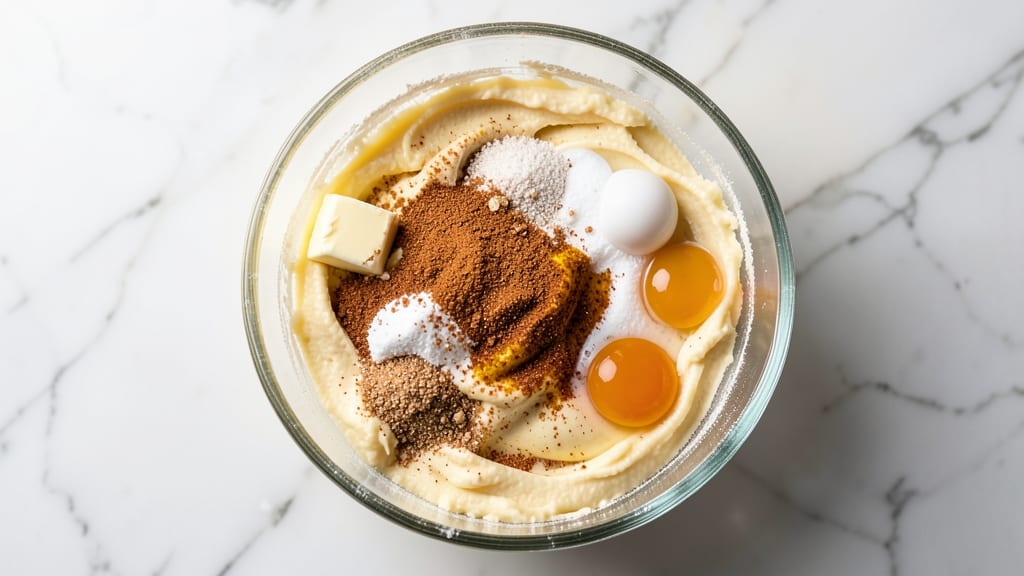
Martha Stewart’s snickerdoodle cookie recipe delivers the perfect balance of tender, pillowy dough and a signature cinnamon-sugar coating that crackles with every bite.
The secret lies in a precise dough ratio and the art of rolling each cookie in that warm, spiced sugar blend—just enough to create those iconic crisscross patterns while keeping the centers gloriously gooey.
I’ve baked these dozens of times, and the difference between a good snickerdoodle and a great one comes down to technique, not shortcuts.
The dough itself is simple but not simplistic: a blend of butter, sugar, and eggs that creates a light, airy texture without being dry.
What sets these apart is the cinnamon-sugar mixture—finely ground cinnamon and granulated sugar rolled into a paste-like consistency, ensuring even coverage and maximum flavor in every bite. The key is working quickly after rolling to prevent the dough from absorbing too much sugar before baking.
By the time they emerge from the oven, these cookies will be soft in the center with edges that are just crisp enough to hold their shape, all dusted with that signature cinnamon-sugar crust.
The aroma alone—warm, spiced, and buttery—will fill your kitchen and have everyone asking for seconds. This is the kind of cookie that earns its reputation as a classic.
Whether you’re baking for a holiday gathering or just craving a nostalgic treat, these snickerdoodles deliver restaurant-quality results at home. The recipe scales easily, and the dough can be chilled for up to 48 hours if you prefer to prep ahead.
Let’s get baking—your kitchen (and taste buds) will thank you.
Ingredients for martha stewart snickerdoodle cookie
Buttery dough meets cinnamon-sugar magic for Martha's legendary snickerdoodles—tender centers and crisp edges every time.
| Ingredient | Amount | Notes |
|---|---|---|
| Unsalted Butter 🧈 | 1 cup | Cold, cubed for even baking |
| Granulated Sugar 🍚 | 1 ½ cups | White or light brown |
| Light Brown Sugar 🍚 | ½ cup | Packed firmly for accuracy |
| Large Eggs 🥚 | 2 whole | Room temperature for blending |
| All-Purpose Flour 🌾 | 2 ½ cups | Sifted, plus extra for rolling |
| Ground Cinnamon 🌶️ | 2 tbsp | Freshly ground for maximum flavor |
| Granulated Sugar 🍚 | ½ cup | For cinnamon-sugar coating |
| Baking Soda 🧪 | ½ tsp | Ensures proper rise |
| Salt 🧂 | ½ tsp | Kosher or sea salt |
| Vanilla Extract 🌿 | 1 tsp | Pure, high-quality extract |
| Heavy Cream 🥛 | ¼ cup | For dough tenderness |
The butter is non-negotiable here—European-style or Plugrá gives the most flavor, but any good unsalted butter works. Grab it from Whole Foods or the dairy case at Kroger, but make sure it's cold when you measure it—soft butter will throw off the texture. The cinnamon matters too; Penzeys or McCormick ground cinnamon is ideal, but if you have whole cinnamon sticks, grind them fresh. The dough needs to be cold when you roll it, so chill it for 30 minutes before shaping. Trust me on this—it keeps the cookies from spreading too much.
No vanilla extract? Vanilla bean paste works in a pinch, but it'll be thicker. Short on heavy cream? Whole milk plus 1 tbsp butter mimics the richness. The dough will be slightly stickier, but it'll still hold together. For the cinnamon-sugar coating, don't skimp on the cinnamon—this is what makes snickerdoodles iconic. If you can't find ground cinnamon, cinnamon sticks blended into a powder works, but it'll be coarser. The extra flour for rolling? Use bread flour if you've got it—it's less likely to stick. And if your dough cracks while rolling, just patch it up; it won't affect the flavor.
Dough keeps for 4 days in the fridge, wrapped tightly in plastic. For longer storage, freeze portions for up to 3 months. These cookies reheat beautifully—wrap in foil and warm at 300°F for 5 minutes to revive that fresh-baked aroma. I always bake half immediately and freeze the rest for lazy weeknights. The cinnamon-sugar coating hardens as it cools, so let them sit on the baking sheet for 5 minutes before transferring to a rack. Patience here prevents a sticky mess.
Why You'll Love This Recipe
- No-Fuss Dough: I’ll be real—this dough comes together in one bowl with just five ingredients. Cream butter and sugars until fluffy, crack in eggs, fold in flour, then roll and cut. No mixer, no fuss, no stress.
- Cinnamon-Sugar Magic: That signature snickerdoodle taste? It’s all in the coating—cinnamon and sugar clinging to the edges while the center stays tender. Honestly, the first bite makes you want to roll another batch immediately.
- Party in a Jar: These are my go-to for holiday gatherings, potlucks, or even a lazy Sunday. Pack them in mason jars for gifts, freeze the dough for last-minute baking, or just grab one from the cookie jar when you need a pick-me-up.
- Budget Baking: Butter, sugar, flour, eggs—these are pantry staples that won’t break the bank. A single batch yields 24 cookies, and leftovers? They’ll disappear faster than you can say “second helping.” My wallet and my taste buds thank me.
Step-by-step instructions for Martha Stewart's snickerdoodle cookies
Here's how to create Martha's signature cinnamon-sugar cookies with perfectly balanced texture and flavor.
Cream the Butter and Sugars Together
In a large mixing bowl, combine the 1 cup unsalted butter (cold, cubed) with the 1.5 cups granulated sugar and 0.5 cup light brown sugar. Using a hand mixer or stand mixer fitted with the paddle attachment, beat on medium speed for 3-4 minutes until the mixture is light, fluffy, and nearly doubles in volume. You'll notice the color lighten as air incorporates into the butter.
This creaming process is crucial—it creates the air pockets that give snickerdoodles their signature tender crumb. If you're using a stand mixer, let it run until you can see clear streaks when you lift the paddle. The butter should be completely smooth with no graininess remaining. Don't rush this step; proper creaming ensures your cookies will be soft and chewy rather than dense.
Add Eggs, Vanilla, and Cream
Reduce the mixer speed to low and add the 2 whole large eggs one at a time, mixing just until each is fully incorporated. After the second egg, add the 1 teaspoon vanilla extract and 0.25 cup heavy cream, mixing for another 30 seconds until smooth. The mixture will look slightly thicker now, which is perfect for the dough's structure.
I like to use room-temperature eggs here—they blend more easily and help create a smoother dough. If your eggs are straight from the fridge, let them sit at room temperature for 15-20 minutes before adding. The heavy cream adds moisture and tenderness, so don't skip this step even if you're tempted to save time.
Mix in Dry Ingredients
In a separate bowl, whisk together the 2.5 cups all-purpose flour, 0.5 teaspoon baking soda, 0.5 teaspoon salt, and 2 tablespoons ground cinnamon. With the mixer on low speed, gradually add the dry ingredients to the wet mixture, mixing just until combined. You'll still see some flour streaks, which is perfect—overmixing develops gluten and makes cookies tough.
Use a spatula to gently fold any remaining dry bits from the bowl into the dough. The dough should be soft and slightly sticky but form a ball when pressed. If it's too dry, add 1 teaspoon milk (not in our ingredient list, but you can use 1 teaspoon heavy cream from the remaining amount). This step ensures your cookies have the perfect balance of structure and tenderness.
Roll and Coat in Cinnamon Sugar
Turn the dough onto a lightly floured surface and gently shape it into a 1-inch thick disk. Using a floured rolling pin, roll the dough to ¼-inch thickness, keeping it round. In a shallow bowl, mix the 0.5 cup granulated sugar with 1 tablespoon ground cinnamon (save the extra cinnamon for rolling).
Roll each cookie in the cinnamon-sugar mixture, pressing gently to adhere. Place them 2 inches apart on ungreased baking sheets—they won't spread much, but they do puff up slightly. For 24 cookies, you'll need two baking sheets. Chill the dough for 15 minutes before baking to prevent excessive spreading while maintaining that signature snickerdoodle shape.
Bake to Golden Perfection
Preheat your oven to 375°F. Bake the cookies for 9-11 minutes until the edges are golden brown but the centers still look slightly soft. They'll continue setting as they cool. I like to rotate the pans halfway through baking for even browning—this is especially important if your oven has hot spots.
Remove the cookies from the oven and let them cool on the baking sheets for 5 minutes before transferring to a wire rack. The centers should be slightly underbaked when you remove them—they'll firm up as they cool but remain tender. For the best texture, enjoy them warm with a glass of milk or coffee. These cookies are best eaten fresh from the oven, but they'll keep in an airtight container for up to 5 days at room temperature.
Pro Tips For Making Martha Stewart Snickerdoodle Cookie
- CHILL THE DOUGH: DESCRIPTION: Martha’s recipe calls for resting the dough, but I used to skip it—big mistake. After mixing, pop the dough in the fridge for at least 2 hours (or overnight if you’re patient). This keeps the cookies from spreading into sad, flat pancakes and lets the cinnamon-sugar coating stick properly. Yes, even if you’re impatient like me.
- MEASURE BUTTER ACCURATELY: DESCRIPTION: Pack the butter into the measuring cup like you’re stuffing a sausage—no gaps. Unsalted butter varies in density, and underpacking means your cookies won’t be tender enough. If you’re in a rush, use the "scoop and level" method, but don’t skip the packing step. Trust me, your cookies will thank you.
- AVOID OVERMIXING THE DOUGH: DESCRIPTION: Once you add the flour, stop mixing the second everything comes together. Overworking the dough develops gluten, and those cookies turn out tough instead of chewy. Use a spatula to fold just until no dry bits remain—about 10 seconds past the initial mix. Less effort, better texture.
- USE A THICK COATING OF CINNAMON-SUGAR: DESCRIPTION: Don’t be shy with the cinnamon-sugar mix—press it firmly onto the rolled dough, then roll again to seal it in. I learned this after making half a batch with a light dusting and the other half with a thick layer. The difference? One tasted like a snickerdoodle; the other tasted like a sugar cookie. Double the cinnamon-sugar if you’re feeling extra.
Common mistakes when making great martha stewart snickerdoodle cookie
Over-Creaming the Butter
I’ve seen so many cooks whip the butter and sugars into a pale, almost fluffy mountain—this is a common mistake that actually weakens the cookie structure. The goal is to cream until the mixture is light and fluffy, but not until it reaches peak volume.
Stop mixing when you see clear streaks in the butter (about 3-4 minutes on medium speed). Over-creaming incorporates too much air, which can cause the cookies to spread excessively or even collapse in the oven. 🌡️
Skipping the Chill
The dough needs that 15-minute chill before rolling and baking—trust me, I’ve rushed it and regretted it. Without chilling, the cookies spread too much, losing their classic snickerdoodle shape. The cold dough also prevents the butter from melting too quickly in the oven, which helps maintain that tender, gooey center.
If you’re in a hurry, pop the dough in the fridge while you preheat the oven.
Uneven Cinnamon-Sugar Coating
This is where the magic happens, so don’t skimp! The cinnamon-sugar mixture should be thick enough to stick to the dough but not so dry that it crumbles.
I like to mix the 0.5 cup sugar and 1 tbsp cinnamon in a shallow bowl and press the dough balls gently to ensure even coverage. If the coating is too loose, the cookies will lose their signature flavor and appearance.
Pro tip: Use a fine-mesh sieve to dust extra cinnamon on top after baking for that restaurant-quality finish.
Overbaking for Crispiness
Snickerdoodles should be soft in the center with just a hint of crispness at the edges. I’ve seen people bake these until they’re rock-hard, which ruins the whole experience.
Remove them from the oven when the edges are golden brown but the centers still look slightly underdone—they’ll firm up as they cool. For reference, 9-11 minutes at 375°F is the sweet spot. Use an oven thermometer to ensure your oven isn’t running hotter than it should be.
Using Warm Butter
Cold butter is non-negotiable for snickerdoodles. If your butter is too soft, it won’t cream properly, leading to dense, greasy cookies. Always use butter straight from the fridge, cubed into ½-inch pieces. If you’re unsure, pop it in the freezer for 10 minutes to firm it up.
The butter should hold its shape when pressed but still be soft enough to cream smoothly. This step is the foundation for that perfect tender texture.
Ignoring the Baking Sheet Placement
Overcrowding the baking sheets is a surefire way to end up with flat, uneven cookies. Leave at least 2 inches between each cookie—they won’t spread much, but they do puff up slightly. If your oven has hot spots (and most do), rotate the pans halfway through baking for even browning.
I also recommend using parchment paper for easier cleanup, though Martha’s original recipe calls for ungreased sheets. The choice is yours, but parchment makes transferring cookies easier.
Nutrition facts
Frequently asked questions
Can I make these snickerdoodles without a stand mixer?
Use a hand mixer or even a sturdy wooden spoon. Cream the butter and sugars by hand for 5-7 minutes until light and fluffy—just keep at it until you see clear streaks. For the eggs and cream, use a spatula to fold them in gently. The dough will be slightly less airy but still delicious.
Why do my snickerdoodles spread too much?
Skipping the 15-minute chill is the #1 culprit! Warm dough spreads excessively. Also check your butter—if it's too soft, the cookies will flatten. Always use cold butter and chill the dough before rolling. For extra insurance, roll the dough into balls first, then chill for 10 minutes before coating in cinnamon sugar.
Can I use this dough for other cookie shapes?
Yes, but keep the thickness consistent! For cinnamon rolls, roll the dough into a log, slice into rounds, and bake in a pan. For twists, shape the dough into ropes and twist them. Just reduce baking time by 1-2 minutes—these shapes cook faster. The cinnamon-sugar coating works great on all variations!
How do I store leftovers?
Keep cookies in an airtight container at room temperature for up to 5 days. For longer storage, freeze them for 3 months. To reheat, wrap in foil and warm at 300°F for 3-5 minutes. The cinnamon-sugar coating stays crisp, while the centers remain soft. Perfect for quick pick-me-ups!
What's the secret to extra gooey centers?
Bake just until the edges are golden (9-11 minutes)—the centers should still look slightly underdone. Pull them when they smell freshly baked but aren't fully set. The residual heat will finish cooking them as they cool. For extra gooeyness, add 1 tablespoon corn syrup to the dough (it keeps moisture locked in).