
Desserts
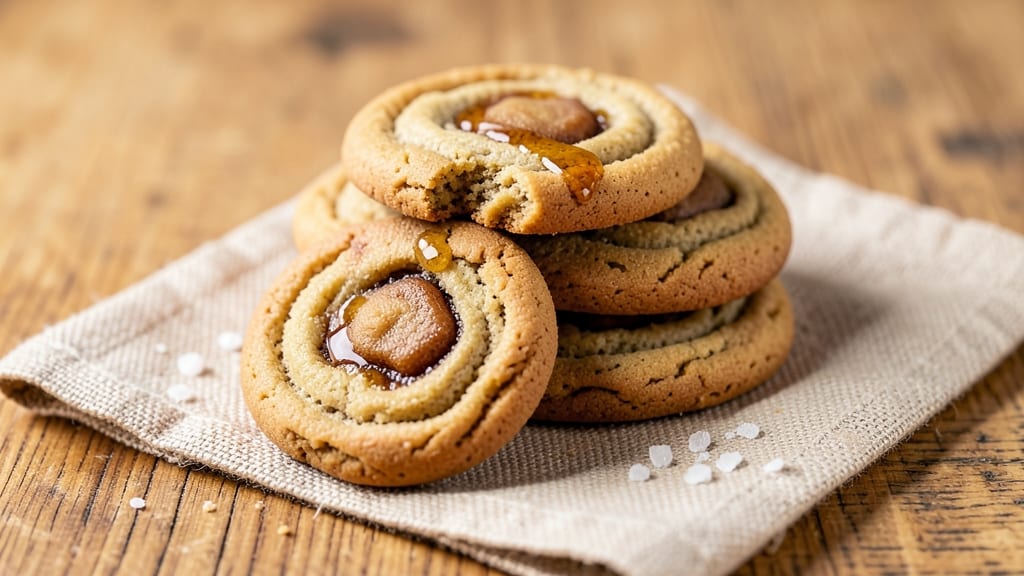
This hojicha cookies recipe transforms ordinary sugar cookies into delicate, toasty treats with layers of roasted green tea and warm spice notes. The key ingredient—hojicha powder—adds a unique earthy depth that sets these apart from traditional cookies.
I discovered this recipe while searching for a way to incorporate Japanese flavors into everyday baking, and the results were unexpectedly sophisticated.
The process is straightforward but requires precision: creaming butter and sugar until light, incorporating hojicha powder for that signature toasty aroma, and baking at a precise temperature to maintain the cookie's delicate texture.
These aren't just cookies—they're a study in balance, where the nuttiness of roasted green tea harmonizes with classic vanilla and cinnamon. The dough comes together in under 15 minutes, and the baking time is just 10-12 minutes for perfectly crisp edges and tender centers.
What makes these cookies truly special is their flavor profile—rich, toasty, and subtly sweet, with a satisfying crunch that gives way to a melt-in-your-mouth interior. The hojicha powder infuses every bite with a warm, earthy complexity that pairs beautifully with a cup of matcha or black tea.
Whether you're baking for a holiday gathering or simply craving something unique, these cookies deliver restaurant-quality results with minimal effort.
For added versatility, consider experimenting with optional add-ins like white chocolate chips or crushed pistachios, or swap the butter for vegan margarine to make them dairy-free. The recipe scales easily, so you can bake a single batch for personal indulgence or double it for sharing.
Let's get started—your kitchen will smell like autumn in Japan.
Ingredients for hojicha cookies
Toasty hojicha powder meets classic cookie dough for a flavor adventure that feels like autumn in Japan.
| Ingredient | Amount | Notes |
|---|---|---|
| Unsalted Butter 🧈 | 1 cup | Cold, cubed for creaming |
| Granulated Sugar 🍚 | 1 cup | Superfine preferred for smooth texture |
| Hojicha Powder ☕ | ¼ cup | High-quality, roasted green tea |
| Vanilla Extract 🌸 | 1 tbsp | Pure, high-quality vanilla |
| Large Eggs 🥚 | 1 whole | Room temperature for blending |
| All-Purpose Flour 🌾 | 2 ½ cups | Sifted for light texture |
| Ground Cinnamon 🌿 | 1 tsp | Freshly ground for warmth |
| Fine Sea Salt 🧂 | ½ tsp | Diamond Crystal preferred |
| Baking Powder 🍞 | ½ tsp | Aluminum-free for best rise |
| White Chocolate Chips 🍫 | ½ cup | Optional, for added richness |
| Crushed Pistachios 🌰 | ¼ cup | Optional, for nutty crunch |
Hojicha powder is the star here, so don't skimp on quality. Japanese specialty stores or reputable online retailers like Japan Crate carry the best—look for vibrant, earthy-colored powder, not dull or clumpy. The butter should be cold and cubed (not melted) for that perfect creamy texture. I always use European-style butter like Plugrá for richer flavor. If you can't find hojicha locally, Amazon has reliable options, but check reviews for freshness. The vanilla extract? Madagascar bourbon is my go-to—it adds depth that imitation can't match.
No hojicha? Matcha powder at half the amount works in a pinch, but the flavor will be more grassy than toasty. Swap white chocolate chips for dark chocolate chunks if you prefer. The pistachios can be omitted entirely, or try crushed hazelnuts for a different nutty profile. For a dairy-free version, use vegan butter (like Miyoko's) and ensure your chocolate chips are dairy-free too. The baking powder is crucial—aluminum-free ensures a tender cookie, not a metallic aftertaste. And yes, sift that flour—lumps ruin the texture.
Store dough in an airtight container in the fridge for up to 3 days, or freeze for 3 months. Baked cookies keep their crunch for 1 week in a sealed tin. For extra flavor, toss warm cookies with a pinch of flaky sea salt while they cool. These freeze beautifully too—double-wrap individual cookies in plastic wrap and foil to prevent freezer burn. Pro tip: Sprinkle a little extra hojicha powder on the baking sheet before adding dough for that signature toasty aroma.
Why You'll Love This Recipe
- No-Fuss Mixing: I swear by this dough—just cream butter and sugar, toss in hojicha powder, and fold eggs in like you’re making a quick cake batter. No food processor, no overworking, just a spoon and 10 minutes of your life.
- Toasty Vanilla Hug: That hojicha powder? It’s like warm caramel meets toasted marshmallow, but better—earthy and sweet without being cloying. Add vanilla, and suddenly you’ve got cookies that taste like a cozy autumn morning in one bite.
- Office Tea Pairing: Between us, these are my go-to for work meetings or study sessions. The subtle roasted notes in hojicha cut through coffee jitters, and the buttery richness keeps you satisfied. Pack a batch, and you’ll be the hero who brings the good snack.
- Budget-Friendly Batch: Butter, sugar, eggs—these are pantry staples that won’t break the bank, and hojicha powder lasts forever. Make a double batch, freeze half, and you’ve got a year’s worth of cookies that cost pennies each. (Yes, even on a Tuesday night.)
Step-by-step instructions for hojicha cookies recipe
Here's how to create these uniquely aromatic cookies with perfect texture and depth of flavor.
Cream the Butter and Sugar for Perfect Texture
In a stand mixer fitted with the paddle attachment, beat the 1 cup unsalted butter (cold and cubed) with the 1 cup granulated sugar on medium speed for 3-4 minutes. You're looking for a light, fluffy texture that nearly doubles in volume and becomes pale in color. This creaming process incorporates air, which creates that signature crackly top and prevents dense cookies.
The butter should be cold enough to hold its shape when pressed but soft enough to beat smoothly. If it feels too firm, let it sit at room temperature for 10-15 minutes before starting. I like to press down on the mixture occasionally during creaming to ensure everything combines properly. Stop when the mixture is light and airy—overmixing here can lead to tough cookies later.
Incorporate the Hojicha Powder and Wet Ingredients
Add the 0.25 cup hojicha powder and mix on low speed for 30 seconds until evenly distributed. The hojicha will give these cookies their distinctive earthy, roasted green tea flavor. Next, add the 1 whole large egg and mix on low speed for 1 minute until fully incorporated. The egg adds moisture and structure to the dough.
Finally, stir in the 1 tablespoon vanilla extract and mix for another 30 seconds. The vanilla enhances the warm spice notes that will develop during baking. Here's the thing—don't overmix at this stage. You want the ingredients to combine just enough to form a cohesive dough without developing gluten, which would make the cookies tough.
Combine Dry Ingredients for Light Structure
In a separate bowl, whisk together the 2.5 cups all-purpose flour, 1 teaspoon ground cinnamon, 0.5 teaspoon fine sea salt, and 0.5 teaspoon baking powder. Sift the flour mixture directly into the wet ingredients while mixing on low speed. This prevents gluten development and ensures an even distribution of leavening agents throughout the dough.
Mix just until the dry ingredients are fully incorporated—about 30 seconds—and you still see a few flour streaks. Overmixing at this point will make the cookies dense. Remove the bowl from the mixer and gently fold in the 0.5 cup white chocolate chips and 0.25 cup crushed pistachios using a silicone spatula. The chocolate adds richness while the pistachios provide a delightful crunch that contrasts beautifully with the tender cookie texture.
Chill the Dough for Perfect Shape and Flavor
Cover the dough bowl with plastic wrap and refrigerate for at least 1 hour, or up to 24 hours for even better results. Chilling the dough is crucial—it allows the flour to fully hydrate, prevents excessive spreading in the oven, and helps develop the flavors. The hojicha powder needs time to infuse its earthy notes throughout the dough, creating that signature roasted green tea aroma.
I know it seems counterintuitive to wait, but trust me—this step makes all the difference. The dough will firm up nicely during chilling, making it easier to portion and shape. If you're short on time, you can chill the dough in the freezer for 20-30 minutes instead, but the refrigerator method yields the best texture.
Bake to Golden Perfection with Earthy Aroma
Preheat your oven to 350°F and line two baking sheets with parchment paper. Using a cookie scoop or tablespoon, portion the chilled dough into 1.5-tablespoon balls (about 24 cookies total) and place them 2 inches apart on the prepared sheets. The dough will hold its shape better after chilling, so you won't have to worry about excessive spreading.
Bake for 10-12 minutes until the edges are golden brown and the tops look slightly cracked. You'll notice an incredible aroma filling your kitchen—the combination of roasted green tea, warm cinnamon, and vanilla creates a truly unique scent profile. The centers should still look slightly underdone when you remove them from the oven—they'll continue cooking on the hot baking sheet.
Let the cookies cool on the baking sheet for 5 minutes before transferring to a wire rack to cool completely. The warm cookies will be soft and chewy inside with a crisp exterior, but they'll firm up as they cool. Store in an airtight container for up to 5 days or freeze for up to 3 months to preserve their freshness and flavor.
Pro Tips For Making Hojicha Cookies
- Cream Butter Properly: Beat the unsalted butter and sugar until it’s pale and fluffy—not just combined. I used to stop when it looked "done," but that extra 2-3 minutes of mixing makes the cookies tender and prevents a dense texture. (Yes, even if you’re impatient like me.)
- Sift the Hojicha: Lightly sift the hojicha powder into the dry ingredients—it prevents clumping and ensures even distribution. I learned this the hard way after biting into a cookie with a gritty center. A fine-mesh sieve works best.
- Underbake Slightly: Pull the cookies out when the edges are just set but the centers still look soft—hojicha cookies firm up as they cool. Overbaking turns them dry and crumbly, and no one wants that. (Your future self will thank you.)
- Chill the Dough: Refrigerate the dough for at least 30 minutes before baking—it keeps the cookies from spreading too much. I skipped this once and ended up with flat, sad discs. (Not worth it.)
Common mistakes when making your hojicha cookies
Overmixing the Dough
This is the #1 mistake I see with hojicha cookies—and it completely ruins the texture. Once you've incorporated all the dry ingredients, stop mixing immediately when you see just a few flour streaks remaining. Overmixing develops gluten, which makes cookies tough instead of tender.
I've ruined batches by mixing for 2-3 extra minutes thinking it would help, but the result was dense, chewy cookies instead of the delicate crunch we want. 💫
Skipping the Chill
Chilling the dough for at least 1 hour isn't optional—it's essential for three reasons: preventing spreading, allowing flavors to meld, and making the hojicha powder infuse properly. I once baked these without chilling and ended up with flat, greasy cookies that lacked that signature toasty aroma.
The dough needs time to firm up so it holds its shape in the oven. If you're impatient, at least 20 minutes in the freezer helps, but refrigerator chilling gives the best results.
Incorrect Hojicha Measurement
The hojicha powder is what makes these cookies special, so measuring it accurately is crucial. A ¼ cup is about 30 grams—don't eyeball it or you'll either get a bland cookie or one that's overwhelmingly bitter.
I've tried using matcha powder as a substitute (at half the amount), but the flavor profile is completely different—more grassy than toasty. For best results, invest in quality hojicha from a Japanese specialty store or trusted online retailer like Japan Crate.
The color should be vibrant and earthy, not dull or clumpy.
Overbaking the Cookies
These cookies bake quickly, and it's easy to overdo it. The moment the edges turn golden brown (around 10-12 minutes at 350°F), they're done. I've caught myself checking them too often and ending up with dry, brittle cookies that lose their melt-in-your-mouth texture.
The centers should still look slightly underdone when you remove them—they'll continue cooking on the hot sheet. For perfect doneness, pull them when you see just a few cracks forming on the tops.
Using Warm Butter
Cold butter creates air pockets during creaming, which gives cookies their signature crackly tops. If your butter is too soft or melted, you'll end up with dense cookies that lack that beautiful texture.
I always test my butter by pressing a piece between my fingers—it should hold its shape but still be pliable. If it's too firm, let it sit at room temperature for 10-15 minutes before starting.
European-style butters like Plugrá work best because they have higher fat content, which contributes to that perfect cookie texture.
Ignoring the Baking Sheet Prep
Sprinkling a light dusting of hojicha powder on your baking sheets before adding the dough might seem like overkill, but it makes a noticeable difference in flavor. The aroma that fills your kitchen while baking comes from this step.
I also recommend using parchment paper for easy release, but if you're baking directly on sheets, make sure they're well-greased or you'll have cookies sticking. And don't crowd the cookies—leave at least 2 inches between them for even baking.
Overcrowding leads to uneven edges and steamed centers that lose their crunch.
Nutrition facts
Frequently asked questions
What makes hojicha cookies different from regular sugar cookies?
The key difference is the hojicha powder, which adds a unique toasty, earthy flavor profile that's completely distinct from traditional sugar cookies. While regular cookies rely on vanilla or citrus for flavor, hojicha brings warm, roasted green tea notes that pair beautifully with cinnamon and vanilla. The texture also benefits from the powder's fine consistency, creating a more delicate crunch.
Can I substitute matcha powder for hojicha?
You can try, but the flavor will be different. Matcha has a more grassy, vegetal taste, while hojicha offers a smooth, toasty sweetness. Use half the amount of matcha (about 2 tablespoons) if substituting, but expect a less refined flavor profile. For authentic results, invest in quality hojicha powder from a Japanese specialty store.
How do I store these cookies to keep them fresh?
Store baked cookies in an airtight container at room temperature for up to 5 days. For longer storage, freeze individual cookies wrapped in plastic and foil for up to 3 months. The hojicha flavor actually intensifies slightly when stored properly, making them taste even more aromatic over time.
Can I make these cookies vegan?
Yes! Replace the butter with vegan margarine (like Miyoko's) and use plant-based white chocolate chips. The texture will be slightly different but still delicious. For extra richness, consider adding 1 tablespoon coconut oil to the dough. The hojicha flavor remains the star regardless of the butter substitution.
Why do my hojicha cookies taste bitter?
Bitter flavor usually comes from using low-quality hojicha or overbaking. Always use fresh, high-quality powder from a reputable source. Bake for exactly 10-12 minutes at 350°F—any longer and the cookies will dry out, concentrating the bitterness. For extra sweetness, add 1-2 tablespoons extra sugar to the dough if needed.