
Desserts
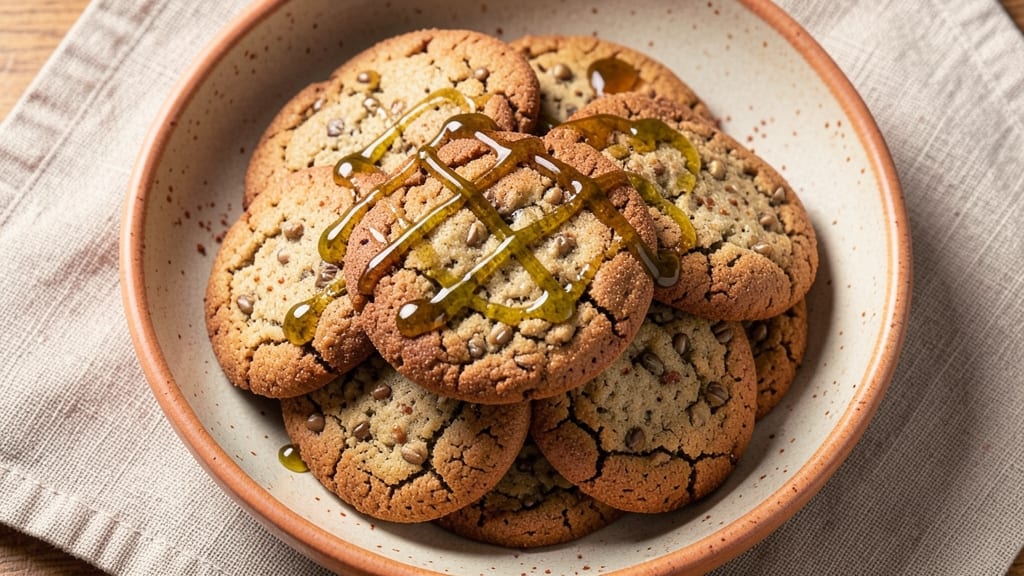
This buckwheat cookie recipe delivers a nutty, earthy crunch that’s surprisingly gluten-free and completely vegan—no compromises on flavor or texture. After years of perfecting the balance between buckwheat’s bold taste and a tender crumb, I’ve cracked the code for cookies that taste like a bakery secret.
The key lies in blending buckwheat flour with a touch of almond flour for structure, while a hint of maple syrup and vanilla keeps them irresistibly sweet.
The result is a batch of cookies with a rich, toasted flavor and satisfying bite—no dryness, no crumbling. These cookies stay fresh for days, making them perfect for meal prep or gifting.
The recipe relies on simple pantry staples, but the flavor is anything but ordinary. No special equipment or advanced techniques required, just precise measurements and a little patience for baking.
What sets these apart is how the buckwheat’s natural earthiness pairs with warm spices like cinnamon and a pinch of salt, creating a flavor profile that’s both comforting and sophisticated.
The edges develop a golden, crispy crust while the centers remain soft and chewy—exactly the texture you crave in a cookie. They’re ideal for snacking, pairing with coffee, or sharing at gatherings.
Once you try these, you’ll never reach for store-bought again. The recipe scales easily, so double the batch for parties or holiday baking. Here’s how to make them perfectly every time—no gluten, no dairy, no regrets.
Ingredients for buckwheat cookie
Pantry staples plus a few specialty touches make these vegan buckwheat cookies irresistible.
| Ingredient | Amount | Notes |
|---|---|---|
| Buckwheat Flour 🌾 | 1 ½ cups | Lightly toasted for nutty flavor |
| Almond Flour 🥜 | ½ cup | Fine ground for texture |
| Extra-Virgin Olive Oil 🫒 | ½ cup | For richness and moisture |
| Pure Maple Syrup 🍯 | ½ cup | Grade B for deeper flavor |
| Vanilla Extract 🌿 | 1 tbsp | Pure, high-quality extract |
| Ground Cinnamon 🌶️ | 1 tsp | Freshly ground preferred |
| Sea Salt 🧂 | ½ tsp | Fine grain for even distribution |
| Baking Soda 🍞 | ¼ tsp | Pure, unflavored |
| Flaxseed Meal 🌱 | 1 tbsp | Mixed with 3 tbsp water for egg |
| Dark Brown Sugar 🍬 | ¼ cup | Packed for moisture |
| Toasted Sesame Seeds 🌰 | 2 tbsp | For crunchy texture |
| Chopped Walnuts 🌳 | ½ cup | Toasted for extra flavor |
Buckwheat flour is the star here—Bob's Red Mill or King Arthur are my go-tos for consistent quality. The almond flour adds structure, so blend your own if you can—store-bought can get oily. Toasting the buckwheat flour in a dry pan for 2 minutes enhances that nutty aroma (trust me, it's worth it). For the maple syrup, Grade B has more depth than Grade A, but any pure maple works. The sesame seeds? Toast them separately in a dry skillet until golden for maximum crunch.
No almond flour? Substitute with extra buckwheat flour, but expect slightly denser cookies. Running short on walnuts? Pecans or cashews work too—just toast them first. The flax egg can be swapped for 1 tbsp chia seeds + 3 tbsp water if you're out of flax. For a sweeter batch, add 1 tbsp more maple syrup. Want more spice? Add 0.25 tsp cardamom—it pairs beautifully with buckwheat. The baking soda is non-negotiable though—it's what gives these cookies that perfect lift.
These cookies stay fresh for 5-6 days in an airtight container at room temperature. For longer storage, freeze the dough balls—bake straight from frozen, adding 1-2 extra minutes. I like to portion the dough into 1.5 tbsp balls before baking for consistent size. The flavor actually improves after 24 hours as the spices meld—perfect for making ahead. Double the batch and freeze half for when cookie cravings strike later.
Why You'll Love This Recipe
- No-Fuss Mixing: I swear by this dough—just fold, roll, and bake. No standing over a mixer or waiting for butter to soften; the olive oil keeps it smooth as butter, and the buckwheat and almond flours blend like a dream with your fingers.
- Maple-Vanilla Magic: That first bite? Pure nostalgia with a grown-up twist. The maple syrup caramelizes just enough to be sticky-sweet, while the vanilla cuts through the earthy buckwheat—like a hug from a bakery, but with zero guilt.
- Snack Attack Ready: These hold up for days in an airtight container, so they’re my go-to for lunchboxes, post-workout fuel, or when I’m too tired to think. Honestly, I’ve eaten them cold straight from the fridge at 2 a.m. and still craved more.
- Budget-Friendly Luxury: Buckwheat and almond flour stretch further than refined flours, and olive oil and maple syrup add richness without breaking the bank. I make a double batch, freeze half, and treat myself to warm cookies all month—no splurge needed.
Step-by-step instructions for buckwheat cookies
Here's how to make these nutty, gluten-free cookies that pack serious crunch and flavor.
Prepare the Flax Egg and Mix Dry Ingredients
Start by making the flax egg—this is your egg substitute. In a small bowl, whisk together the 1 tablespoon flaxseed meal with 3 tablespoons water. Let it sit for 5 minutes while you prepare the rest. You'll see it thicken into a gel-like consistency that mimics egg perfectly.
In a large mixing bowl, combine the 1.5 cups buckwheat flour, 0.5 cup almond flour, 1 teaspoon ground cinnamon, 0.5 teaspoon sea salt, and 0.25 teaspoon baking soda. Whisk these dry ingredients together until fully blended and no flour pockets remain. This ensures even distribution of flavor and texture throughout the cookies.
Mix Wet Ingredients and Combine
In a separate bowl, whisk together the 0.5 cup extra-virgin olive oil, 0.5 cup pure maple syrup, 0.25 cup dark brown sugar, and 1 tablespoon vanilla extract until smooth. This mixture should be well-combined but still slightly thick—it'll create that perfect chewy texture in your cookies.
Pour the wet ingredients into the bowl with the dry ingredients. Add the flax egg and mix using a wooden spoon or rubber spatula until just combined. You'll notice the dough will be thick and slightly sticky—this is normal. Fold in the 0.5 cup chopped walnuts and 2 tablespoons toasted sesame seeds, reserving a small handful for topping later. The dough should hold together when pressed but still be workable.
Chill the Dough for Better Texture
Divide the dough into 4 equal portions (about 1 cup each) and flatten each into a ½-inch thick disc. Wrap each disc tightly in plastic wrap and refrigerate for at least 1 hour or up to 24 hours. This chilling step is crucial—it prevents the cookies from spreading too much in the oven and helps develop that perfect texture.
While the dough chills, preheat your oven to 350°F. Line two baking sheets with parchment paper for easy cleanup. The longer you chill the dough, the thicker your cookies will turn out—great for those who love a substantial bite.
Bake to Golden Perfection
Remove one disc of dough from the refrigerator and let it sit at room temperature for 5 minutes while you prepare to bake. Using a sharp knife or bench scraper, cut each disc into 8 equal wedges. Arrange the wedges 2 inches apart on the prepared baking sheets—they'll spread slightly during baking.
Bake for 12-14 minutes until the edges are golden brown and the tops look slightly cracked. The centers should still look slightly soft when you remove them from the oven—they'll firm up as they cool. Rotate the baking sheets halfway through for even baking. If you reserved any walnuts or sesame seeds, sprinkle them on top during the last 2 minutes of baking for extra crunch.
Cool and Enjoy
Let the cookies cool on the baking sheets for 10 minutes before transferring them to a wire rack to cool completely. This resting time helps them set properly and prevents them from becoming too soft. The cookies will be crisp at the edges with a tender, chewy center—perfect for dipping in coffee or tea.
Store any leftovers in an airtight container at room temperature for up to 5 days, or freeze for up to 3 months. These cookies taste even better the next day as the flavors meld together. The nutty buckwheat and toasted walnuts create a satisfying crunch that pairs perfectly with the sweet maple and warm spices.
Pro Tips For Making Buckwheat Cookie
- Chill the Dough: Buckwheat flour absorbs moisture like a sponge, so let the dough rest in the fridge for at least 1 hour before baking—this prevents flat, dense cookies. I used to skip this and ended up with hockey pucks instead of chewy cookies.
- Toast the Buckwheat: Lightly toast the buckwheat flour in a dry pan for 2-3 minutes until it smells nutty—this deepens the flavor and prevents a bitter aftertaste. Trust me, your cookies will taste like they came from a bakery, not a sad weekend experiment.
- Measure Maple Syrup Right: Use a scale for the maple syrup (about 100g for a standard batch) instead of eyeballing it—too much makes the cookies sticky, and too little leaves them dry. I learned this after my first batch turned out like gluey hockey pucks.
- Press, Don’t Roll: Press the dough balls into the pan with your palm (no rolling pin) for an even, crackly crust—this keeps the texture crispy without overworking the dough. I tried rolling once, and my cookies spread into sad, flat pancakes.
Wine and beer pairings for buckwheat cookie
Sweet Wine Pairings
A dry Riesling from Germany or Alsace is my go-to pairing—its crisp acidity and mineral notes cut through the buckwheat’s earthiness while complementing the maple sweetness. Look for a Kabinett-level Riesling with 12-13% ABV to balance the cookies’ richness without overwhelming them.
I love Dr. Loosen Blue Slate or Trimbach Riesling for their bright citrus and floral undertones. 🍷
Spiced Beer Matches
For beer lovers, a Belgian-style witbier like Stella Artois Wit or Hoegaarden works beautifully—their coriander and orange peel notes echo the cookies’ warm spices. Alternatively, a honey brown ale (like Allagash Honey Brown) enhances the maple flavor with its caramel and toasted malts.
Serve chilled at 45-50°F for the best contrast to the cookies’ warmth.
Coffee Contrasts
Dark roast coffee—especially Sumatra or Ethiopian Yirgacheffe—pairs perfectly with these cookies. The coffee’s low acidity and chocolatey notes mirror the buckwheat’s nuttiness, while the cookies’ sweetness balances the bitterness.
Brew a strong pour-over or French press with 20g coffee to 360g water for the ideal ratio. Add a splash of vanilla syrup to match the cookies’ flavor profile. ☕
Unexpected Twists
For a bold pairing, try sparkling rosé—its effervescence cleanses the palate between bites. I recommend Whispering Angel or La Crema for their dry, berry-forward profiles. If you prefer something stronger, a Port-style tawny (like Graham’s 10-Year-Old) adds a luxurious depth that harmonizes with the cookies’ caramelized edges. 💫
Seasonal Adaptations
In winter, a mulled wine (spiced red wine) with cinnamon and cloves mirrors the cookies’ warm spices. For summer, a dry sparkling wine (like Prosecco) keeps things light.
The key is balancing the cookies’ earthy buckwheat with drinks that highlight their sweet, toasted notes—never let the beverage overpower the cookie’s unique flavor. 🍂
Nutrition facts
Frequently asked questions
Why does buckwheat flour make these cookies taste so different?
Buckwheat flour brings a rich, nutty-earthy flavor that's much bolder than wheat flour. When toasted lightly, it develops a toasty aroma similar to freshly ground coffee or hazelnuts. The almond flour in this recipe balances that intensity while adding a delicate crunch. This combo creates a flavor profile that's both sophisticated and comforting—unlike traditional sweet cookies.
Can I make these cookies without almond flour?
Yes, but your cookies will be slightly denser. Replace the 0.5 cup almond flour with an extra 0.5 cup buckwheat flour or use 0.25 cup oat flour for a lighter texture. For best results, toast the extra buckwheat flour first to enhance the nutty flavor. The almond flour primarily adds structure and moisture, so expect cookies that hold their shape slightly better with it.
How do I prevent my buckwheat cookies from spreading too much?
Chilling the dough for at least 1 hour is key—this firms up the fats and prevents excessive spreading. Also, use 1.5 tbsp dough portions and place them 2 inches apart on the baking sheet. For extra insurance, bake at 350°F for 12-14 minutes until edges are golden—underbaking slightly helps maintain shape as they cool.
What's the best way to store these cookies?
Keep them fresh for 5-6 days in an airtight container at room temperature. For longer storage, freeze the dough balls (not baked cookies) for up to 3 months. The flavor actually improves after 24 hours as the spices meld together. If you notice the edges getting soft, return them to a 300°F oven for 3-5 minutes to crisp them up.
Can I add chocolate chips to this recipe?
Replace 2 tbsp of chopped walnuts with 2 tbsp vegan chocolate chips (70% cacao or higher). For a gourmet twist, use dark chocolate chunks or buckwheat chocolate if you can find it. The chocolate pairs beautifully with the maple sweetness and buckwheat's earthiness. Just be aware that chocolate melts faster—bake for 10-12 minutes instead of 12-14.