Desserts
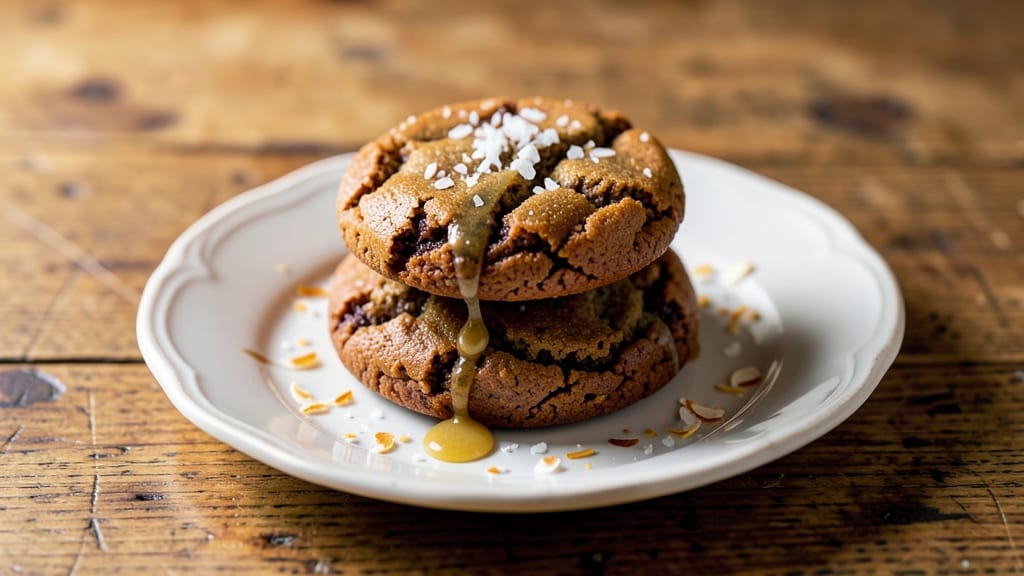
This Guinness cookie recipe transforms a classic dessert into a rich, stout-infused treat with caramelized edges that melt in your mouth. The deep maltiness of Guinness creates a sophisticated flavor that pairs beautifully with buttery crunch.
I’ve perfected this recipe over years of baking, ensuring every batch delivers that perfect balance of texture and depth.
The secret lies in using 12 ounces of Guinness—enough to infuse the dough without overpowering the sweetness. Combined with brown sugar and molasses, the stout develops a complex caramelized flavor as the cookies bake.
These aren’t your average chocolate chip cookies; they’re a bold, adult-friendly dessert that tastes like a warm hug from an Irish pub.
With crispy edges and a tender center, these cookies stay fresh for days, making them ideal for gifting or meal prep. The caramelized sugar adds a subtle chewiness, while the Guinness ensures a deep, toasty richness that lingers.
Ready in just 12 minutes of baking time, they’re perfect for holiday gatherings or a cozy night in.
Pair them with a glass of Irish cream or serve alongside vanilla ice cream for the ultimate dessert experience. The recipe is simple yet impressive, proving that even the most traditional treats can be elevated with a little creativity. Let’s get baking!
Ingredients for guinness cookie
Twelve ingredients. One unforgettable flavor. These Guinness cookies pack deep maltiness and crispy edges.
| Ingredient | Amount | Notes |
|---|---|---|
| Guinness Draught 🍺 | 12 oz | Cold for best infusion |
| Unsalted Butter 🧈 | 1 cup | Cold, cubed for easier mixing |
| Light Brown Sugar 🍚 | 1 cup | Packed firmly for accuracy |
| Granulated Sugar 🍬 | ½ cup | For crispy texture |
| Large Eggs 🥚 | 2 whole | Room temperature preferred |
| Pure Vanilla Extract 🌿 | 1 tbsp | High-quality for depth |
| Unsulphured Molasses 🍯 | ½ cup | Dark, rich variety |
| All-Purpose Flour 🌾 | 2 ½ cups | Sifted for light texture |
| Baking Soda 🧪 | ½ tsp | Freshly measured |
| Fine Sea Salt 🧂 | 1 tsp | Kosher or sea salt |
| Semisweet Chocolate Chips 🍫 | 1 ½ cups | High-quality chips |
| Flaky Sea Salt 🧂 | 1 tbsp | For finishing touch |
The Guinness is non-negotiable—cold, straight from the fridge gives the best infusion. Grab a 12 oz bottle of Guinness Draught from your local pub or grocery store's beer section. The molasses should be unsulphured for that authentic, rich taste—Wholesome! brand is my go-to. Butter matters too: use unsalted, cold cubes for maximum flavor development. For chocolate chips, Ghirardelli or Guittard brands melt beautifully without turning grainy. Pre-sift your flour to avoid dense cookies—trust me, it makes a difference!
No Guinness? Substitute 12 oz of dark stout or even strong black tea, though the flavor won’t be identical. Short on molasses? Dark corn syrup at half the amount works in a pinch, but the depth won’t be the same. Want extra richness? Add 1/4 cup of chopped toasted walnuts. For a nut-free version, swap in white chocolate chips. The baking soda and salt are simple but critical—Diamond Crystal baking soda is my preferred brand. If you’re gluten-free, swap the flour for a 1:1 gluten-free blend (like Bob’s Red Mill), but expect slightly denser cookies.
These cookies stay fresh for 5-7 days in an airtight container at room temperature. For longer storage, freeze the dough balls for up to 3 months—bake straight from frozen, adding 1-2 extra minutes. The chocolate chips soften over time, so store them in the fridge if you’re prepping ahead. Sprinkle the flaky sea salt right after baking while the edges are still warm for that perfect contrast. Double the batch—these disappear faster than you can say 'Irish pub dessert!'
Why You'll Love This Recipe
- No Mixer Needed: I swear by this recipe because it’s one-bowl, no-fuss—just cream butter and sugars until fluffy, then fold in the Guinness and eggs. Honestly, the dough comes together faster than I can put on a pot of coffee.
- Rich, Roasted Depth: That Guinness isn’t just for drinking—it adds a caramelized, slightly bitter edge that balances the buttery sweetness. The brown sugar keeps them chewy, but the eggs bind them just enough to hold their shape. (Yes, even on a Tuesday night.)
- Party in a Jar: I’ve packed these in mason jars for book clubs, used them as icebreaker snacks for game nights, and even sent a batch to my mom as a “I’m thinking of you” treat. They travel well, freeze like a dream, and no one ever guesses they’re boozy.
- Budget Booze Hack: A single can of Guinness stretches to dozens of cookies, and the butter/sugar combo is already pantry-friendly. Between us, I’ve made these for under $2 per dozen—way cheaper than store-bought cookies, and way better. Leftovers? They last a week in an airtight container.
Step-by-step instructions for Guinness cookies
Here's how to create these decadent cookies with a perfect balance of rich stout flavor and caramelized edges.
Infuse the Guinness and Cream Butter and Sugars
In a small saucepan, gently warm the 12 oz Guinness Draught over medium-low heat until it reaches 160°F. This temperature is crucial—it infuses the flavor without boiling off the delicate aromas. Remove from heat and let it cool completely. I like to pour it into a heatproof measuring cup to speed up the process.
While the Guinness cools, in a stand mixer fitted with the paddle attachment, beat the 1 cup unsalted butter (cold, cubed) with the 1 cup light brown sugar and 0.5 cup granulated sugar on medium speed for 3-4 minutes. The mixture should become light and fluffy, nearly doubling in volume. This creaming process is essential for achieving that signature crackly top and tender crumb.
Mix in Molasses, Eggs, and Vanilla
Once the Guinness has cooled to room temperature, add it to the butter-sugar mixture along with the 0.5 cup unsulphured molasses and 1 tbsp pure vanilla extract. Mix on low speed for 1 minute until fully combined. The molasses adds a deep, caramel-like richness that pairs perfectly with the stout.
Add the 2 whole large eggs one at a time, mixing just until each is fully incorporated. Scrape down the sides of the bowl as needed to ensure even distribution. The batter should be thick but pourable—this is the perfect consistency for these cookies. If it looks too stiff, you can add 1-2 teaspoons of the cooled Guinness to loosen it slightly.
Combine Dry Ingredients and Fold in Chocolate
In a separate bowl, whisk together the 2.5 cups all-purpose flour, 0.5 tsp baking soda, and 1 tsp fine sea salt. Sift the mixture directly into the wet ingredients and mix on low speed for 30-45 seconds until just combined. Overmixing develops gluten, which can make the cookies tough. Stop mixing as soon as you see a few flour streaks remaining.
Remove the bowl from the mixer and gently fold in the 1.5 cups semisweet chocolate chips using a silicone spatula. Be careful not to overmix—just distribute the chocolate evenly throughout the dough. The dough will be thick and sticky, which is perfect for these cookies. Cover the bowl with plastic wrap and refrigerate for at least 30 minutes (or up to 24 hours). This chilling step is non-negotiable—it helps the cookies hold their shape and develop deeper flavor.
Bake to Deep Brown Perfection
Preheat your oven to 350°F and line two baking sheets with parchment paper. Using a 2-tablespoon cookie scoop, portion the chilled dough onto the prepared sheets, spacing the cookies 2 inches apart. They won't spread much, so you want room for them to brown evenly.
Bake for 12-14 minutes, rotating the sheets halfway through, until the edges are deep golden brown and the centers look slightly underdone. The cookies will continue to set as they cool, so don't overbake. They should pull away from the edges of the parchment paper but still feel soft in the center.
Finish with Flaky Sea Salt and Serve Warm
Remove the cookies from the oven and immediately sprinkle each with a pinch of flaky sea salt. This step is where the magic happens—the salt enhances the caramelized edges and balances the richness of the stout and chocolate. Let the cookies cool on the baking sheets for 5 minutes before transferring them to a wire rack.
Serve these cookies warm for the ultimate experience. The contrast of the crispy, caramelized edges with the soft, stout-infused center is pure indulgence. They pair beautifully with a cold glass of Guinness or a cup of coffee. Store any leftovers in an airtight container for up to 5 days, though I doubt they'll last that long!
Pro Tips For Making Guinness Cookie
- Chill the Dough: Guinness cookies spread like they’re auditioning for a role in The Hunchback of Notre Dame—unless you let the dough rest for at least 30 minutes in the fridge. Cold butter behaves, and the flavors meld better. I learned this the hard way after baking a tray of sad, flat discs that looked like they’d been sat on by a very heavy cat.
- Warm the Beer: Pour that Guinness into a warm (not hot) bowl first—just enough to loosen the syrup and make it pour smoothly. Cold beer thickens the dough like a stubborn glue, and your cookies will turn out dense instead of chewy. Think of it as giving the stout a little massage before mixing.
- Don’t Overmix: Once you fold in the flour, stop. Seriously. Overworking the dough develops gluten, and your cookies will turn out tougher than a boot scrabbling for traction on ice. Mix just until the dry bits disappear—about 10 strokes max—then trust the process. Your future self will bite into a perfect chew instead of a hockey puck.
- Use Room-Temp Eggs: Cold eggs in warm dough = sad cookies. Crack those eggs into a small bowl first and let them sit for 10 minutes to match the dough’s temperature. I was skeptical until I tried it—the cookies held their shape better and didn’t spread into pancakes. (Yes, even if you’re impatient like me.)
Perfect pairings for these flavors
Boozy Beverage Pairings
These Guinness cookies are practically designed to pair with a cold pint of the real thing. Serve them alongside a chilled Guinness Draught—the deep maltiness of the beer complements the cookie’s caramelized edges beautifully.
For a non-alcoholic twist, try pairing with Irish cream liqueur like Baileys or a frothy stout-flavored soda such as Guinness Zero. The contrast of the creamy liqueur against the cookie’s crispy texture is divine. 🍺
Creamy Contrast Pairings
Warm vanilla ice cream is a classic match, but I love adding a scoop of salted caramel ice cream to intensify the cookie’s caramelized notes. For a lighter option, serve with whipped cream and a drizzle of dark chocolate ganache—the cool cream balances the cookie’s warmth.
A dollop of clotted cream (like Irish-style from Kerrygold) adds a luxurious touch that’s perfect for special occasions. 🥛
Spiced Coffee Companions
Skip the dessert wine and opt for a strong Irish coffee—the spices in the coffee (like cinnamon and nutmeg) echo the molasses in the cookies. For a decaf option, try chicory coffee with a splash of whiskey (like Jameson).
The bitterness of the chicory cuts through the cookie’s richness, creating a perfect balance. A simple espresso with a sprinkle of cocoa powder also works wonders. ☕
Cheese Board Elevations
Turn these cookies into a star of your cheese board by pairing them with aged cheddar (like Sharp Cheddar from Vermont) and blue cheese (such as Stilton). The sharpness of the cheddar and the creaminess of the blue cheese contrast perfectly with the cookie’s caramelized edges.
Add crackers, dried fruit, and nuts to round out the board. The Guinness flavor in the cookies adds a sophisticated twist to the classic setup. 🧀
After-Dinner Digestifs
For a true Irish pub experience, serve these cookies with a small glass of Irish whiskey (like Redbreast 12-Year) or a sherry (such as Pedro Ximénez). The whiskey’s smoky notes enhance the cookie’s depth, while the sherry’s sweetness complements the caramelized edges.
A digestif like Chartreuse also works—its herbal notes provide an unexpected but delightful contrast. 🥃
Breakfast Twist
Who says cookies are just for dessert? Serve them warm with a strong black coffee and a fried egg for a hearty breakfast. The salty egg yolk balances the cookie’s sweetness, while the coffee’s bitterness cuts through the richness.
For a sweeter morning treat, pair with maple syrup and a buttery croissant. It’s a brunch game-changer! 🍳
Nutrition facts
Frequently asked questions
Why does the recipe call for warming the Guinness instead of using it cold?
Warming the Guinness to 160°F enhances its flavor without boiling off the delicate malt aromas. This gentle heat helps the stout integrate more smoothly into the dough, creating a deeper, more complex taste. Cold Guinness would work in a pinch, but you’ll lose some of that rich, caramelized depth.
Can I make these cookies without a stand mixer?
Use a hand mixer or even a sturdy whisk and your arms. Cream the butter and sugars by hand for 5-7 minutes—just keep at it until light and fluffy. The key is patience; don’t rush this step or the cookies may turn out dense. For best results, work in a cool kitchen to help the butter firm up.
What’s the best way to store leftover cookies?
Keep them fresh in an airtight container at room temperature for 5-7 days. For longer storage, freeze the dough balls (unbaked) for up to 3 months, then bake straight from frozen (add 1-2 extra minutes). Avoid refrigerating baked cookies—they’ll dry out faster.
How do I fix cookies that spread too much?
If your cookies flatten out, chill the dough longer (up to 24 hours) and use a 2-tablespoon scoop instead of rolling. Also, ensure your oven is fully preheated and place baking sheets on the middle rack. For extra structure, add 1/4 cup cornstarch to the dry ingredients. The molasses and Guinness can make dough sticky—don’t overwork it!
Can I substitute Guinness with another stout?
Yes, but the flavor will differ slightly. Use 12 oz of another dark stout (like Black Label or Samuel Smith’s Oatmeal Stout) for a similar maltiness. For a non-alcoholic option, try strong black tea (like Earl Grey) steeped and cooled, though the taste won’t be identical. The key is liquid consistency—stick to 12 oz total.