
Desserts
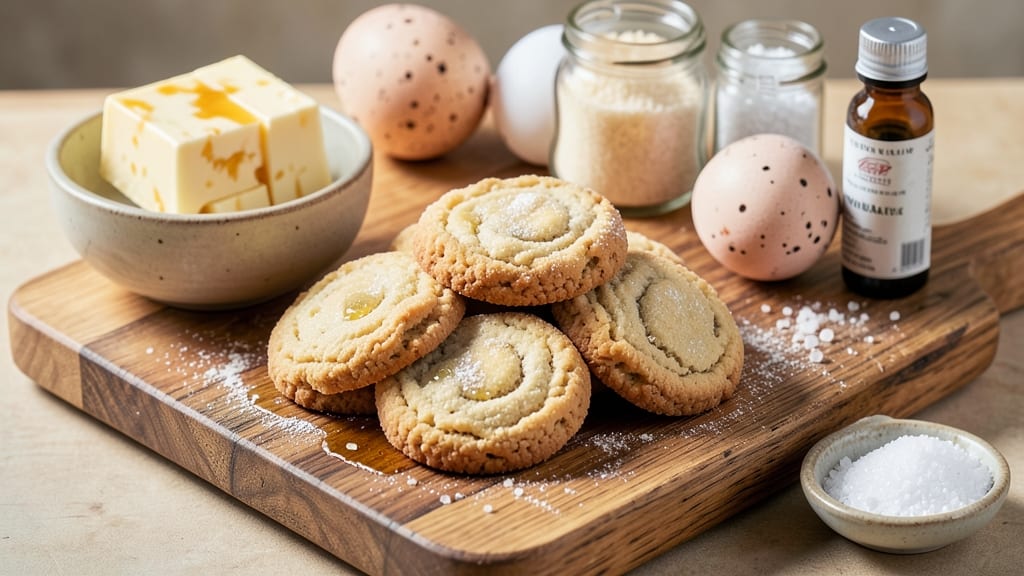
This einkorn cookie recipe brings ancient grains into your kitchen with a nutty depth that modern wheat can't match. The secret lies in einkorn flour's natural sweetness and crunch, which transforms ordinary cookies into something unexpectedly sophisticated.
I developed this recipe after discovering how einkorn's lower gluten content creates a perfectly crisp exterior while maintaining a tender center—unlike traditional cookies that spread too thin.
The beauty of these cookies is their simplicity: just five core ingredients—einkorn flour, butter, sugar, eggs, and a pinch of salt—come together to create a texture that's both sturdy and delicate. Baking at 350°F for 12-14 minutes ensures they stay thick and chewy inside with a golden, crackly crust.
The nutty flavor develops as they cool, making them even more irresistible warm from the oven.
What sets these apart is the einkorn's inherent richness, which eliminates the need for extra vanilla or spices. The cookies hold their shape beautifully while delivering that satisfying crunch with every bite.
Perfect for holiday gifts, dinner parties, or a quiet afternoon treat, they're versatile enough to dress up with sea salt or chocolate chips if you like.
For best results, chill the dough for 30 minutes before baking—this prevents excessive spreading and enhances the flavor. Store in an airtight container for up to a week, though they rarely last that long.
The simplicity of the recipe makes it foolproof, while the ancient grain brings a modern twist to a classic dessert.
Ingredients for einkorn cookie
Five ingredients transform ancient einkorn into irresistibly nutty, crisp-edged cookies with modern sophistication.
| Ingredient | Amount | Notes |
|---|---|---|
| Einkorn Flour 🌾 | 2 ½ cups | Unbleached, fine-ground preferred |
| Unsalted Butter 🧈 | 1 cup | Cold, cubed, European-style preferred |
| Granulated Sugar 🍚 | ¾ cup | Superfine preferred for even texture |
| Large Eggs 🥚 | 2 whole | Room temperature for even mixing |
| Diamond Crystal Kosher Salt 🧂 | ½ tsp | Fine grain for even distribution |
| Vanilla Extract 🌸 | 1 tsp | Pure, high-quality vanilla preferred |
| Sea Salt 🧂 | ¼ tsp | Flaky preferred for garnish |
| Dark Chocolate Chips 🍫 | ½ cup | 70% cacao minimum, chopped coarse |
Einkorn flour is the cornerstone here—Bob's Red Mill or King Arthur brands deliver the finest texture. The lower gluten content means precise handling: avoid overmixing to preserve that delicate crunch. For butter, Plugrá or European-style brands (like Kerrygold) yield superior flavor and texture. Superfine sugar is ideal, but regular granulated works if pulsed briefly in a food processor. The vanilla extract should be pure, not imitation, as einkorn's natural nuttiness doesn't need enhancement. Store flour in a cool, dark place to prevent rancidity—glass jars with airtight seals are optimal for long-term storage.
No einkorn flour? Spelt flour at a 1:1 substitution works best, though texture will differ slightly. Substituting butter with vegetable shortening preserves spread resistance but sacrifices flavor. For sugar, brown sugar at 1:1 ratio adds moisture but may darken the cookies. The vanilla extract can be omitted entirely—einkorn's inherent nuttiness shines without it. Chocolate chips should be 70% cacao or higher to complement the grain's natural sweetness; Valrhona or Lindt brands excel. If using sea salt, Maldon flaky salt adds elegant contrast to each bite.
The dough must rest 30 minutes minimum in the fridge to develop optimal texture. Portion into 1.5-ounce balls for consistent baking. Store baked cookies in an airtight container with parchment between layers to maintain crispness for up to 1 week. For longer storage, freeze dough balls on a tray before transferring to a bag—bake straight from frozen, adding 2-3 minutes to the time. Reheat in a 350°F oven for 1-2 minutes to restore that crackly exterior.
Why You'll Love This Recipe
- No-Fuss Mixing: I swear by this dough—just cream butter and sugar, toss in eggs, then fold in einkorn flour. No food processor, no overworking, just a few minutes of stirring while I wait for the oven to preheat. Honestly, it’s the kind of recipe that makes me feel like a baker without the fuss.
- Nutty, Buttery Magic: That einkorn flour? It’s like a cross between whole wheat and buttery shortbread—warm, toasty, with a subtle crunch. The butter stays rich without overpowering, and the sugar caramelizes just enough to make every bite feel like a little treat. (Yes, even on a Tuesday night.)
- Packable for Days: These cookies keep for weeks in an airtight container, which means I can bake a batch on Sunday and grab one for my lunchbox all week. They’re sturdy enough to travel but still soft enough to eat cold—no reheating required.
- Budget-Friendly Luxury: Einkorn flour might sound fancy, but it’s cheaper than almond flour and uses pantry staples like butter and sugar. A single batch feeds six people (or one very hungry me) for under $3, and the leftovers? Even better the next day. My secret weapon for feeling fancy without breaking the bank.
Step-by-step instructions for einkorn cookies
The ancient wheat flour delivers a distinct nutty crunch and tender interior—here's how to perfect it every time.
Cream the Butter and Sugar Together
In a stand mixer fitted with the paddle attachment, combine the 1 cup unsalted butter (cold and cubed) with the 0.75 cup granulated sugar on medium speed. Beat for 3-4 minutes until the mixture is light, fluffy, and nearly doubles in volume. You'll notice the color lighten noticeably as air incorporates—a key indicator of proper creaming.
This step is critical for texture. The butter should be cold but pliable when you press it; if it's too soft, chill the bowl for 10 minutes before continuing. The sugar should dissolve completely into the butter, creating a smooth, pale base for the dough. Avoid overmixing at this stage, as it can develop gluten prematurely in the einkorn flour.
Incorporate Eggs and Flavors
Add the 2 whole large eggs (room temperature) one at a time, mixing on low speed for 30 seconds after each addition until fully combined. The mixture will appear slightly curdled initially, but this will resolve as you add the dry ingredients. Stir in the 1 teaspoon vanilla extract and mix for an additional 10 seconds to fully distribute the flavor.
Next, whisk together the 2.5 cups einkorn flour, 0.5 teaspoon diamond crystal kosher salt, and 0.25 teaspoon sea salt in a separate bowl. Gradually add the dry mixture to the wet ingredients, mixing on low speed just until combined—you should still see small flour streaks. The einkorn flour has a finer texture than modern wheat, so it blends more smoothly without overdevelopment.
Fold in Chocolate and Chill the Dough
Remove the dough from the mixer and gently fold in the 0.5 cup dark chocolate chips using a silicone spatula. The chocolate should be evenly distributed throughout, with no large clumps. Press the dough into a disk, wrap it tightly in plastic wrap, and refrigerate for at least 1 hour—or up to 24 hours for enhanced flavor development.
Chilling is essential for two reasons: it firms the butter so the cookies hold their shape during baking, and it allows the einkorn flour to fully hydrate, resulting in a more tender crumb. The dough should be pliable but not sticky when you remove it from the refrigerator. If it's too soft, chill for an additional 30 minutes before proceeding.
Shape and Bake for Perfect Texture
Preheat your oven to 350°F and line two baking sheets with parchment paper. Using a cookie scoop or tablespoon, portion the dough into 1.5-tablespoon-sized balls (about 12-14 cookies total) and place them 2 inches apart on the prepared sheets. Sprinkle each cookie lightly with a pinch of flaky sea salt for contrast.
Bake for 10-12 minutes, rotating the sheets halfway through, until the edges are golden brown and the centers still appear slightly underbaked. The einkorn cookies will spread less than traditional wheat-based cookies, so they require careful monitoring. Remove them when they're just set—they'll continue firming as they cool. Let them rest on the baking sheets for 5 minutes before transferring to a wire rack.
Pro Tips For Making Einkorn Cookie
- Chill the Dough: Einkorn flour absorbs moisture differently than wheat—let the dough rest in the fridge for at least 2 hours before baking. I used to skip this, and my cookies spread into sad, flat pancakes. Cold butter behaves better too, so take it out just before mixing.
- Weigh the Butter: Use a kitchen scale for the butter—packed cups lie, and einkorn dough is unforgiving about fat ratios. I learned this after making a batch where the cookies turned out greasy and dense. For this recipe, aim for 120g unsalted butter, softened but not melted.
- Skip the Overmixing: Einkorn develops gluten faster than wheat flour—mix just until the dough comes together, then stop. I once kneaded it into submission, and the cookies turned out tough as boot leather. A few lumps are fine; they’ll melt into flavor during baking.
- Use Room-Temp Eggs: Cold eggs can cause the butter to seize up in the dough, leading to uneven texture. Let the eggs sit out for 30 minutes before mixing—this ensures the dough creams smoothly. I was skeptical until I tried it; the cookies now bake with even golden edges.
Pro cooking tips for this dish
Einkorn Flour Handling
Einkorn flour behaves differently than modern wheat due to its lower gluten content. I always measure it by weight (300g for 2.5 cups) for accuracy—using volume measurements can lead to inconsistent results. Sift the flour before mixing to prevent lumps, and avoid overmixing once combined with wet ingredients.
The dough will feel slightly denser than traditional cookie dough, but this is normal and contributes to its signature chewy texture. 🌾
Butter Temperature Matters
Cold butter is non-negotiable for these cookies. Press a cube between your fingers—it should hold its shape but yield slightly. If your kitchen is warm, chill the butter for 20 minutes before creaming.
I use European-style butter like Plugrá because its higher fat content (82%) creates a richer, more flavorful cookie. Never use melted butter, as this will cause excessive spreading and a cakey texture.
Dough Chill Time
The 1-hour minimum chill is where flavor and texture magic happens. The einkorn flour absorbs moisture during this time, preventing a dry crumb. For best results, chill overnight—this allows the natural nutty flavors to develop fully.
If you're short on time, chill for at least 30 minutes, but be prepared for slightly more spreading during baking. I always test one cookie after the minimum chill time to gauge doneness.
Baking Precision
Einkorn cookies bake faster than traditional cookies due to their dense structure. Start checking at 10 minutes—they're done when edges are golden but centers still look slightly soft. The internal temperature should reach 190-200°F.
Rotate pans halfway through baking for even heat distribution. Avoid overbaking, as this will make them dry and crumbly. The cookies will firm up as they cool, so remove them when they're just set.
Post-Bake Finishing
Let cookies cool on the baking sheet for 5 minutes before transferring to a wire rack. This prevents them from becoming too crisp too quickly. For extra crunch, sprinkle with Maldon flaky sea salt while still warm.
Store in an airtight container with parchment paper between layers to maintain moisture for up to 1 week. The flavor actually improves over time as the einkorn's natural oils develop. 💫
Equipment Essentials
Invest in a cookie scoop (I use a 2-tablespoon size) for consistent portions. A stand mixer with paddle attachment ensures proper creaming, but you can use a hand mixer if needed.
Parchment-lined baking sheets prevent sticking, and a digital thermometer helps monitor oven temperature fluctuations. For chilling, I recommend glass baking dishes that fit in the fridge without taking up too much space.
Nutrition facts
Frequently asked questions
Why do these einkorn cookies taste different from regular cookies?
Einkorn flour has a naturally nutty, slightly sweet flavor that modern wheat lacks. The lower gluten content creates a denser, chewier texture with a crisp exterior—think of it as a cross between a shortbread cookie and a biscotti. The ancient grain's higher protein and fat content also enhances richness without extra butter or sugar.
Can I make these cookies gluten-free?
Traditional einkorn contains gluten, but you can substitute with a 1:1 gluten-free flour blend (like Bob's Red Mill 1-to-1) for a similar texture. Expect slightly more spreading—reduce baking time by 1-2 minutes and watch closely. For best results, use xanthan gum (¼ tsp) to mimic gluten's structure.
How do I prevent my einkorn cookies from spreading too much?
Chill the dough for the full 1 hour (or overnight) to firm the butter. Use cold butter (press a cube—it should dent but hold shape) and portion dough into 1.5-ounce balls. Bake at 350°F for 10-12 minutes—they'll look underdone but set as they cool. Avoid overmixing the dough to prevent gluten development.
What’s the best way to store einkorn cookies?
Keep them in an airtight container with parchment paper between layers to maintain crispness for up to 1 week. For longer storage, freeze dough balls (not baked cookies) on a tray, then transfer to a bag. Bake straight from frozen, adding 2-3 minutes to the time. The flavor actually deepens over time as the einkorn's natural oils develop.
Can I add other mix-ins besides chocolate chips?
Try toasted nuts (walnuts or pecans), dried cranberries, or white chocolate chunks. For savory versions, fold in crumbled feta or sun-dried tomatoes. Keep mix-ins to ½ cup total—too much can make the dough sticky. If using wet ingredients (like jam), reduce the egg by 1 tablespoon to balance moisture.