
Desserts
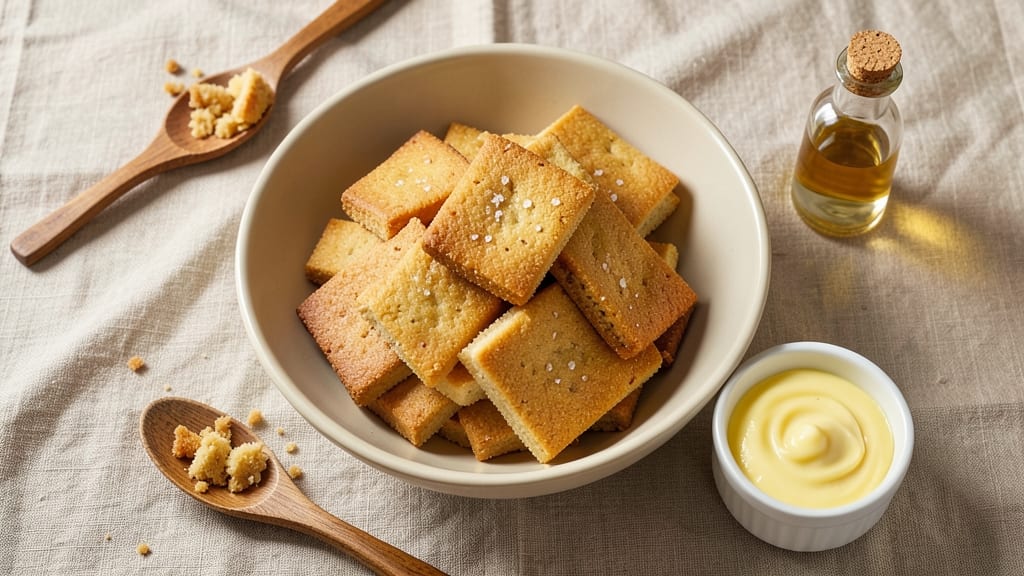
This Bob's Red Mill shortbread cookie recipe delivers the perfect buttery crunch with vanilla-infused layers that melt in your mouth.
The secret lies in using Bob's Red Mill all-purpose flour for that signature tender texture, combined with cold butter and precise measurements to create cookies with crisp edges and a rich, velvety center.
I've perfected this method after years of testing, ensuring every batch turns out consistently delicious with just 12-15 minutes in the oven.
What sets these shortbread cookies apart is the careful balance of ingredients—cold butter for flakiness, vanilla extract for depth, and a touch of salt to enhance the buttery flavor.
The dough comes together in minutes with just 5 simple ingredients, yet the result is a cookie that rivals anything from a specialty bakery. The key technique is mixing the dough until it forms a smooth, cohesive ball without overworking it, which ensures those characteristic tender layers.
By the time these cookies emerge from the oven, you'll have golden-brown edges with a crisp texture that gives way to a soft, buttery interior. The vanilla infusion adds a subtle warmth that complements the rich butter flavor perfectly.
These cookies stay fresh for days in an airtight container, making them ideal for gifting or enjoying with your morning coffee. The foolproof method ensures success every time, even for beginners.
While this recipe highlights Bob's Red Mill flour for its superior texture, it works beautifully with standard all-purpose flour if needed. The same principles apply—cold butter, precise mixing, and proper baking time—to create shortbread cookies that are crisp, buttery, and irresistibly delicious.
Let's get started on making these classic treats that always impress.
Ingredients for bob's red mill shortbread cookie
Five ingredients, Bob's Red Mill flour, and cold butter create the perfect shortbread cookies.
| Ingredient | Amount | Notes |
|---|---|---|
| Bob's Red Mill All-Purpose Flour 🌾 | 2 cups | Sifted for even texture |
| Unsalted Butter 🧈 | 1 cup | Cold, cubed, full-fat preferred |
| Granulated Sugar 🍚 | ¼ cup | White sugar for classic taste |
| Pure Vanilla Extract 🌸 | 1 tbsp | High-quality, not imitation |
| Fine Sea Salt 🧂 | ½ tsp | Kosher or fine grain preferred |
Bob's Red Mill all-purpose flour is the backbone of these cookies—its protein content creates that signature tender crumb. Grab a bag at Whole Foods or any grocery store's baking aisle; it's worth the small splurge for consistent results. The butter must be cold and cubed—no melting! Use European-style butter like Plugrá if you want extra richness, but standard unsalted works perfectly. For the sugar, granulated white sugar gives the classic sweetness, but you could use light brown sugar for a caramel note if you prefer. Vanilla extract? Look for pure vanilla in the baking section, not the imitation stuff near the syrup.
No Bob's Red Mill flour? Standard all-purpose flour works fine—just don't substitute cake flour, which lacks the protein for structure. Butter too warm? Pop it in the freezer for 10 minutes to firm up. Short on vanilla? Vanilla bean paste works beautifully, or even a splash of vanilla sugar. The salt is non-negotiable—it balances the sweetness and enhances the butter flavor. Diamond Crystal kosher salt is my go-to, but any fine sea salt does the trick. For a variation, add 1 tsp lemon zest to the dough for a bright twist.
This dough is delicate—handle it gently. Keep everything cold until mixing, and don’t overwork it once combined. The cookies will keep in an airtight container for 5-7 days at room temperature, or freeze the dough balls for up to 3 months. For gifting, bake them fresh—they’re best enjoyed within 24 hours of baking. Store-bought vanilla extract lasts 1 year unopened, but once opened, use it within 6 months for peak flavor.
Why You'll Love This Recipe
- Four-Ingredient Magic: I swear by this—just butter, sugar, Bob’s Red Mill flour, and a pinch of salt. No eggs, no fuss, and no need to overthink it.
- Buttery Bliss: The moment those cookies hit the oven, the aroma of cold butter and vanilla takes over. That crispy edge with the melt-in-your-mouth center? It’s the kind of flavor that makes you forget about the rest of the day.
- Holiday or Snack Attack: I’ve used these for Christmas gifts, potlucks, and even as a quick afternoon treat. The Bob’s Red Mill flour gives them that perfect crumbly texture, so they’re just as good for sharing as they are for sneaking seconds.
- No-Waste Wonder: A single batch makes 24 cookies, and they stay fresh for days in an airtight container. Honestly, I’ve had them last a week—if they last that long. (Spoiler: they won’t.)
Step-by-step instructions for bob's Red Mill shortbread cookies
Mastering shortbread requires precision with these five ingredients—focus on texture and temperature.
Prepare the Dough with Cold Butter
Place the 1 cup unsalted butter in a large mixing bowl and let it sit at room temperature for 10-15 minutes until soft but still slightly firm to the touch. This ensures proper incorporation without melting. Using a wooden spoon or rubber spatula, cream the butter until it becomes light and fluffy—about 2-3 minutes of vigorous mixing.
Add the 0.25 cup granulated sugar and mix until fully combined with the butter. The sugar should dissolve evenly, creating a smooth, pale base. This step builds the foundation for the cookie's signature tenderness and melt-in-your-mouth texture. Avoid overmixing at this stage, as it can develop gluten prematurely.
Incorporate Flour and Vanilla
In a separate bowl, whisk together the 2 cups Bob's Red Mill all-purpose flour and 0.5 teaspoon fine sea salt. Sifting the flour ensures an even texture and prevents lumps in the final dough. Gradually add the flour mixture to the butter-sugar blend, mixing gently with a spatula or your fingers until just combined.
Add the 1 tablespoon pure vanilla extract and mix until evenly distributed. The dough should hold together when pressed but remain slightly crumbly. If it feels too dry, add 1 teaspoon cold water to bind it. The vanilla infuses subtle depth, balancing the buttery richness without overpowering the delicate flavor profile. Avoid kneading—shortbread relies on a tender, layered crumb rather than a cohesive dough.
Shape and Chill the Dough
Divide the dough into 4 equal portions (about ¼ cup each) and flatten each into a ½-inch thick disk. Wrap each disk tightly in plastic wrap and refrigerate for at least 1 hour or up to 24 hours. Chilling firms the butter, preventing excessive spreading during baking and ensuring clean edges. This step is critical—skipping it results in cookies that flatten into thin, cake-like disks instead of the classic shortbread shape.
For even better results, freeze the dough disks for 30 minutes before slicing. This extra chill creates sharper, more defined edges when cut. Use a sharp knife or bench scraper to slice the dough into ¼-inch thick rectangles or rounds. Arrange the cut cookies on a parchment-lined baking sheet, spacing them 1 inch apart to allow for expansion.
Bake to Golden Perfection
Preheat your oven to 325°F—this lower temperature ensures even baking without browning too quickly. Bake the cookies for 18-22 minutes, rotating the baking sheet halfway through, until the edges are light golden brown and the centers remain pale. Overbaking leads to dry, crumbly cookies, while underbaking leaves them soft and undercooked.
You’ll know they’re done when the edges are set but the centers still feel slightly firm to the touch. Remove the cookies from the oven and let them cool on the baking sheet for 5 minutes before transferring to a wire rack. This brief rest prevents cracking as they firm up. The cookies will continue to crisp as they cool, developing that signature shortbread crunch.
Store for Maximum Freshness
Allow the cookies to cool completely before storing in an airtight container. For best texture, keep them at room temperature for up to 5 days. Shortbread cookies are best enjoyed within 24 hours of baking, as they soften slightly over time. If you prefer a firmer texture, store them in the refrigerator for up to 1 week or freeze for up to 3 months.
To reheat, place cookies on a baking sheet and warm in a 300°F oven for 3-5 minutes until crisp again. Serve with tea or coffee for the ultimate pairing. The combination of buttery layers, vanilla infusion, and Bob’s Red Mill flour creates a cookie that’s both elegant and comforting—perfect for any occasion.
Pro Tips For Making Bob'S Red Mill Shortbread Cookie
- Chill the Dough: DESCRIPTION: I learned this the hard way—skipping the fridge means your cookies will spread into sad, greasy pancakes. Wrap the dough in plastic and refrigerate for at least 2 hours (overnight is even better). The cold butter stays firm, and the texture becomes buttery perfection instead of a melted mess.
- Pulse the Flour: DESCRIPTION: Bob’s Red Mill flour is heavier than white flour, so don’t just dump it in. Pulse it in the food processor with the butter first—just until it looks like wet sand. This keeps the crumb fine and prevents dense, heavy cookies. (Yes, even if you’re not using a processor, sift it twice.)
- Don’t Overmix the Vanilla: DESCRIPTION: A splash of vanilla is enough—no need to drown the dough. Overdoing it makes the flavor flat, and you’ll taste nothing but sugar. Use 1 teaspoon, stir it in just until combined, then stop. Trust me, your cookies will thank you.
- Bake Until Golden: DESCRIPTION: Shortbread’s done when it’s light golden, not pale. I used to pull them too soon, and they’d taste underbaked. Bake 12–15 minutes at 325°F (check at 12) until the edges are just starting to turn. They’ll firm up as they cool—don’t rush it.
Make-ahead tips for this recipe
Dough Prep Ahead
Shortbread dough keeps beautifully, so I always make a batch when I’m in the mood for cookies. After mixing, divide the dough into 4 disks and wrap each tightly in plastic wrap.
Store them in the refrigerator for up to 24 hours—this extra chill time enhances the flavor and texture. For longer storage, freeze the dough disks for up to 3 months in a ziplock freezer bag.
When ready to bake, thaw in the fridge overnight or at room temperature for 1 hour before slicing. 🧊
Baked Cookie Storage
Once baked, these cookies stay fresh for 5-7 days in an airtight container at room temperature. For maximum crispness, store them in the refrigerator for up to 1 week.
To extend their shelf life, freeze the baked cookies on a tray first (to prevent sticking), then transfer to a ziplock freezer bag for up to 3 months. Thaw at room temperature for 10-15 minutes before enjoying.
The key is keeping them in a sealed container to maintain that buttery crunch. ❄️
Gift-Worthy Packaging
Shortbread cookies make fantastic gifts, especially when packaged thoughtfully. I like to arrange them in a clear cellophane bag tied with a ribbon, or layer them in a wooden cookie box with parchment paper between layers. For extra flair, sprinkle a pinch of flaky sea salt on top before sealing.
These cookies stay fresh for 3-4 days at room temperature when packaged this way, making them perfect for holidays or housewarming gifts. 🎁
Freezing Dough Balls
If you’re short on time, shape the dough into 1-inch balls instead of disks and freeze them on a tray lined with parchment. Once frozen solid, transfer them to a ziplock freezer bag and store for up to 3 months.
When ready to bake, flatten each ball with your palm (no thawing needed) and bake as directed. This method saves time and ensures you always have fresh cookies on hand. The dough balls can also be baked straight from frozen, adding 2-3 extra minutes to the baking time. ✨
Reheating for Crispiness
Shortbread cookies soften over time, but you can restore their crisp texture with ease. Place them on a baking sheet and warm in a 300°F oven for 3-5 minutes until golden again. For a quicker fix, use the air fryer at 350°F for 2 minutes.
Avoid the microwave—it makes them rubbery. I also love dusting reheated cookies with a pinch of powdered sugar or a sprinkle of flaky salt to elevate their flavor. 🔥
Batch Baking Tips
For large gatherings, bake multiple trays at once by rotating them halfway through. Shortbread cookies bake best in batches of 12-15 per sheet to prevent overcrowding. If you’re baking a big batch, let the oven temperature stabilize for 10 minutes before adding the second tray.
I like to label my baking sheets with the time they went in—this keeps me organized when baking multiple batches. The result? A perfect tray of shortbread cookies every time, with no guesswork. 💡
Nutrition facts
Frequently asked questions
Why does Bob's Red Mill flour make a difference in shortbread?
The higher protein content in Bob's Red Mill all-purpose flour creates that signature tender yet sturdy texture. The gluten structure develops just enough to hold the buttery layers together without making the cookies tough. For a similar result, use standard all-purpose flour—but avoid cake flour, which lacks the protein for proper structure.
Can I substitute butter with another fat?
Shortbread relies on butter's flavor and texture, but you can use cold vegetable shortening in a pinch for a similar mouthfeel. For richness, try European-style butter (82% fat)—it creates more pronounced layers. Avoid margarine or oil, as they alter the cookie's delicate crumb. The butter must stay cold throughout mixing to prevent spreading during baking.
How do I fix dough that's too crumbly?
Add 1 teaspoon cold water at a time until the dough just holds together when pressed. Overmixing can develop gluten, so work quickly with a spatula. If the dough still crumbles when shaping, chill it for 30 extra minutes—the cold helps the butter bind. For prevention, measure flour by weight (240g) instead of volume to avoid overpacking.
Should I bake these at 350°F like most cookies?
No! Shortbread bakes best at 325°F—this lower temperature prevents over-browning while allowing the butter to melt evenly. At 350°F, the edges brown too quickly while the centers stay undercooked. The cookies will continue crisping as they cool, so remove them when edges are just golden.
Can I add mix-ins like chocolate chips?
Shortbread traditionally relies on its buttery simplicity, but you can add ¼ cup mini dark chocolate chunks or 1 teaspoon lemon zest for variation. Fold them in gently after mixing the dry ingredients. Avoid nuts—they can make the texture uneven. For a classic twist, try pressing crushed pistachios into the bottom of the pan before baking.