Main Courses
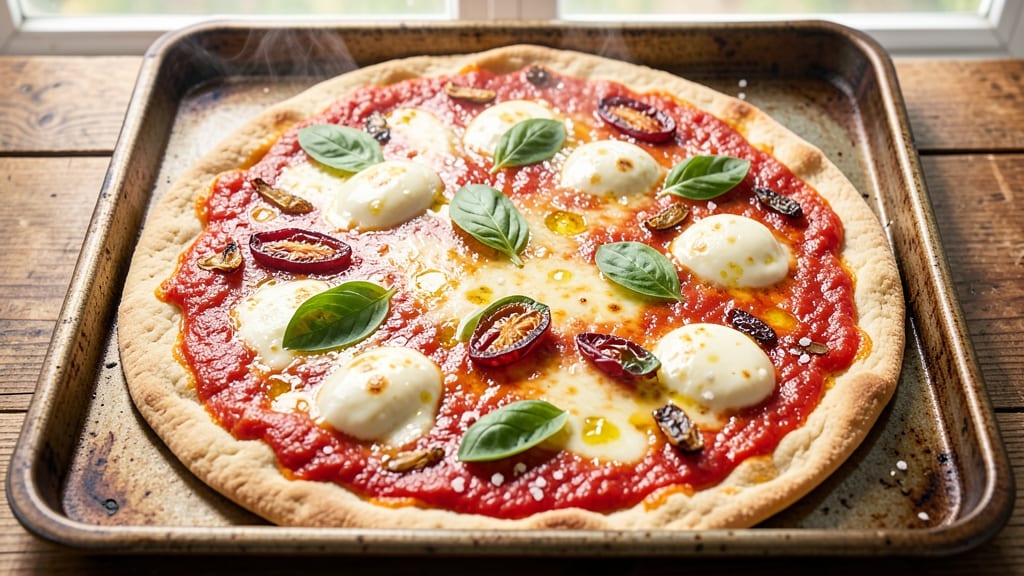
Making a cookie sheet pizza recipe that delivers chewy crust and customizable toppings in just 15 minutes changed how I approach weeknight dinners. The secret lies in a simple dough technique that skips the rolling pin and delivers professional results without the fuss.
I perfected this method after years of testing—no yeast, no waiting, just a quick mix and bake.
This recipe transforms your kitchen into a pizzeria with minimal effort. You'll start with a foolproof dough that spreads perfectly on a cookie sheet, creating a crispy yet chewy crust that holds up to any topping combination.
The sauce and toppings go on next, then it's straight into the oven for 10-12 minutes—no waiting for a pizza stone to heat or a dough to rise.
What you end up with is a pizza that's golden brown at the edges, tender in the center, and loaded with all your favorite toppings—whether that's classic pepperoni, fresh vegetables, or gourmet ingredients.
The beauty of this method is its flexibility: thin crust, deep-dish, or anything in between. It's the kind of meal that satisfies a craving without requiring a full evening in the kitchen.
Pair it with a simple side salad and a glass of iced tea for a complete meal that feels special without the effort. Let's get started on making your next pizza night effortless and delicious.
Ingredients for cookie sheet pizza
Simple pantry staples transform into a chewy-crusted pizza in minutes—no yeast proofing required.
| Ingredient | Amount | Notes |
|---|---|---|
| All-Purpose Flour 🌾 | 2 cups | Sifted for light texture |
| Instant Yeast 🍞 | 1 tsp | Single-use packet preferred |
| Granulated Sugar 🍚 | 1 tbsp | Helps yeast activate faster |
| Salt 🧂 | ½ tsp | Kosher or sea salt |
| Olive Oil 🫒 | ½ cup | Extra-virgin for richness |
| Warm Water 💧 | ¾ cup | 110°F for ideal yeast activation |
| Pizza Sauce 🍅 | ½ cup | Store-bought or homemade |
| Shredded Mozzarella Cheese 🧀 | 1 ½ cups | Part-skim or whole milk |
| Pepperoni Slices 🍕 | 6 oz | Classic or spicy variety |
| Fresh Basil Leaves 🌿 | ¼ cup | Chopped for garnish |
| Garlic Cloves 🧄 | 2 cloves | Minced for extra flavor |
| Cornmeal 🌽 | 1 tbsp | For dusting cookie sheet |
| Red Pepper Flakes 🌶️ | ½ tsp | Optional for heat |
The flour is everything here. King Arthur or Gold Medal are my go-tos—they handle the quick mix well without getting gummy. If you're using a different brand, check the protein content: lower (8-10%) gives a lighter crust. The yeast? Single-use packets are foolproof, but if you're using jarred yeast, make sure it's fresh (test by sprinkling in warm water—it should foam within 5 minutes). For the olive oil, Trader Joe's or California avocado oil work great. Avoid cheap vegetable oils—they can make the crust greasy. And that warm water? 110°F is ideal—not boiling, not cold. If you don't have a thermometer, just dip your pinky finger in—should feel warm but not hot. The sugar helps the yeast wake up faster, but don't skip it entirely or the crust might taste flat.
No pizza sauce? Tomato paste plus a splash of water works in a pinch. The mozzarella can be pre-shredded (it's convenient), but block cheese is better—it melts smoother and doesn't get clumpy. Short on pepperoni? Swap in sliced ham, cooked sausage, or veggies like bell peppers and mushrooms. The basil is optional but adds freshness—use farmers market basil if you can, or dried oregano at half the amount. For the garlic, roast it first if you want a sweeter flavor (just toss whole cloves in olive oil at 400°F for 15 minutes). The cornmeal is key for preventing sticking—don't skip it, even if your sheet looks non-stick. And if you're feeling fancy, add a sprinkle of Parmesan cheese before baking for extra umami.
This dough keeps in the fridge for 24 hours wrapped tightly in plastic—perfect for making ahead. The assembled pizza can sit at room temp for 30 minutes before baking if you're prepping toppings separately. Leftovers? 3 days in the fridge, but honestly, it reheats better than most takeout. Microwave for 30 seconds with a damp paper towel over it, or pop in the oven at 350°F for 5 minutes. For freezing, bake first, then slice and freeze on a tray before bagging—prevents sogginess. And pro tip: Save the crust scraps! Crumble them, toast with olive oil, and sprinkle over salads or soups for pizza croutons.
Why You'll Love This Recipe
- No Yeast Hassle: I swear by this dough—just flour, yeast, sugar, and water. No kneading, no waiting for hours. The instant yeast does all the work while I prep toppings or even start dinner elsewhere.
- Crispy-Chewy Magic: That olive oil in the dough? It’s the secret. You get a golden, shatteringly crispy edge with a soft, pillowy center—no fancy rolling pin required. I’ll take that over store-bought any day.
- Leftover Reinvention: Slice the cooled pizza into squares, toss with a little olive oil and garlic, and bake again. My kids call them "pizza croutons," but I’m not correcting them—it’s genius.
- Budget-Friendly Flex: Four simple ingredients stretch to feed four for under $5. Double the dough, freeze half, and you’ve got a weeknight meal covered. Honestly, this is my go-to for lazy days or last-minute gatherings.
Step-by-step instructions for cookie sheet pizza
This method delivers a chewy crust and crispy toppings in just 15 minutes—no rolling required.
Mix the Dough and Let It Rest
In a large bowl, combine the 2 cups all-purpose flour, 1 tsp instant yeast, 1 tbsp granulated sugar, and 0.5 tsp salt. Whisk until evenly distributed. Create a well in the center and pour in the 0.5 cup olive oil and 0.75 cup warm water. Mix with a wooden spoon until a shaggy dough forms.
Knead the dough on a lightly floured surface for about 2 minutes until smooth and elastic. Place it back in the bowl, cover with a damp towel, and let it rest at room temperature for 10 minutes. This short rest helps the gluten relax, making it easier to stretch later. The dough should feel slightly springy when pressed gently.
Prep the Cookie Sheet and Stretch the Dough
Preheat your oven to 450°F. Lightly dust a cookie sheet with 1 tbsp cornmeal, spreading it evenly across the surface. This prevents sticking and adds a subtle crunch. Transfer the rested dough to the prepared sheet and let it sit for 1 minute to warm slightly.
Using your fingers, gently press the dough outward from the center toward the edges, creating a thin, even crust about 12 inches wide. Avoid pressing too hard—you want a chewy texture, not a crispy cracker. The edges should be slightly thicker for that classic pizza crust bite. If the dough resists, let it rest another 2 minutes and try again.
Add Sauce, Cheese, and Toppings
Spread the 0.5 cup pizza sauce evenly over the stretched dough, leaving a ½-inch border for the crust. Sprinkle the 1.5 cups shredded mozzarella cheese evenly across the sauce. If using, lightly dust the cheese with 0.5 tsp red pepper flakes for a subtle kick. Add the 6 oz pepperoni slices, arranging them in overlapping rows for even coverage.
Finally, sprinkle the minced 2 cloves garlic cloves over the cheese and top with the chopped 0.25 cup fresh basil leaves. The garlic adds depth, while the basil brightens the flavors. Press everything down gently to help the toppings adhere, but don’t overwork the dough—this can make the crust tough.
Bake Until Golden and Bubbly
Bake the pizza for 10-12 minutes until the crust is golden brown at the edges and the cheese is fully melted and bubbly. You’ll see the cheese pull away slightly from the edges and the pepperoni crisp up. Rotate the sheet halfway through baking if your oven has hot spots to ensure even cooking.
Remove the pizza from the oven and let it cool for 2 minutes before slicing. The crust should be soft and chewy, while the cheese remains gooey and the pepperoni crisp. Serve immediately with extra basil leaves sprinkled on top for freshness. This method keeps everything simple but delivers restaurant-quality results every time.
Pro Tips For Making Cookie Sheet Pizza
- Preheat That Sheet: The cookie sheet needs to be screaming hot—think 500°F (260°C) for at least 15 minutes—before the dough hits it. I learned this the hard way when my first attempt ended up chewy and undercooked. A hot sheet guarantees a crispy, blistered crust in minutes, not a sad, limp mess.
- Mix Yeast Like a Pro: Skip the measuring spoon for yeast—use a kitchen scale for accuracy (about 2.5 grams per recipe). Too much, and your dough will taste bitter; too little, and it won’t rise properly. Also, dissolve the yeast in warm water (110°F/43°C) with a pinch of sugar first—wait 5 minutes until it foams before adding dry ingredients. No foam? Start over.
- Press Dough Thin: Roll the dough out to about ⅛-inch thickness—thinner than you think. Thick spots mean uneven cooking, and you’ll end up flipping the pizza halfway through baking (which is a disaster). Use a rolling pin or your hands, but don’t panic if it tears—just patch it up. A tight, even layer = perfect crispiness.
- Oil the Sheet Right: Lightly brush the cookie sheet with olive oil after preheating—just enough to coat the surface, not drown it. This prevents sticking and adds a subtle flavor. I used to skip this, and my pizzas would either stick or burn in spots. A quick wipe with a paper towel after oiling removes excess, so the crust doesn’t get soggy.
Troubleshooting perfect results
Dough Too Sticky?
If your dough feels too sticky to handle, resist the urge to add more flour—it can make the crust dense. Instead, wet your hands slightly and gently coax the dough into shape. I’ve found that 1 extra minute of resting after mixing often solves this issue.
If you’re still struggling, place the dough between two sheets of parchment paper and roll it out gently. 💡
Sauce Spreading Issues
If your sauce spreads unevenly or pools in the center, try thinning it slightly with 1-2 tablespoons of water or olive oil. For extra insurance, spread it first on the cookie sheet, then transfer the dough on top.
I also recommend using a spoon or offset spatula instead of your fingers to avoid tearing the dough. A ¼-inch border of sauce-free crust prevents sogginess.
Toppings Not Cooking Evenly
Unevenly cooked toppings often mean your oven has hot spots. Rotate the cookie sheet halfway through baking (around 6 minutes in). For stubborn toppings like mushrooms or spinach, pre-cook them for 2-3 minutes before adding to the pizza.
I’ve also had success placing the cookie sheet on the middle rack instead of the top—it distributes heat more evenly.
Crust Too Thick or Thin
Thick crust? You likely pressed the dough too hard. For a chewy texture, stretch gently with your fingers, focusing on the center first. Thin crust? Let the dough rest 5 extra minutes before stretching—it’ll be more pliable.
I’ve found that room temperature dough (not cold from the fridge) stretches the easiest. If it tears, just patch it with extra dough scraps.
Cheese Not Melting Properly
Pre-shredded cheese often has anti-caking agents that prevent proper melting. For creamy cheese, use block mozzarella shredded yourself or low-moisture part-skim cheese. If your cheese is clumpy, sprinkle it on the sauce first, then add toppings.
For extra melt, place the pizza on the upper rack for the final 2 minutes of baking. 🧀
Pizza Sticking to Sheet
Even with cornmeal, some cookie sheets are stickier than others. If your pizza resists removal, let it cool for 3-5 minutes before sliding a thin spatula underneath. For future pizzas, try perforated baking sheets or line the sheet with parchment paper.
I’ve also had success lightly greasing the sheet with olive oil spray before adding cornmeal.
Nutrition facts
Frequently asked questions
Can I make this pizza recipe without yeast?
This recipe uses instant yeast for quick activation, but you can absolutely make a no-yeast version! Replace the yeast with 1 teaspoon baking powder and ½ teaspoon baking soda for a crispier crust. The dough will bake faster (around 8-10 minutes at 475°F) and won't need resting time.
What's the best way to stretch the dough without tearing?
Let the dough rest for the full 10 minutes after mixing—this relaxes the gluten. Use your fingertips to gently press outward from the center, not your palms. If it resists, let it rest another 2 minutes. For stubborn spots, wet your fingers slightly to prevent sticking.
Can I use a different type of cheese besides mozzarella?
For a richer flavor, try fontina, provolone, or smoked Gouda. For a lighter option, use ricotta mixed with an egg (spread it first, then add other cheeses). Avoid high-moisture cheeses like fresh mozzarella—they can make the crust soggy.
How do I make this into a deep-dish pizza?
Press the dough into a 10-inch circle on the cookie sheet, then fold the edges up to create a 1-inch-high rim. Add sauce and toppings inside the rim. Bake at 425°F for 15-18 minutes, covering with foil if the top browns too quickly. Finish under the broiler for 1-2 minutes to melt cheese.
Can I make this pizza ahead of time?
Yes! Assemble the pizza (unbaked) and refrigerate for up to 24 hours. When ready to bake, let it sit at room temperature for 30 minutes first. For frozen storage, bake first, then slice and freeze. Reheat in the oven at 375°F for 5-7 minutes with a damp paper towel over it.