
Desserts
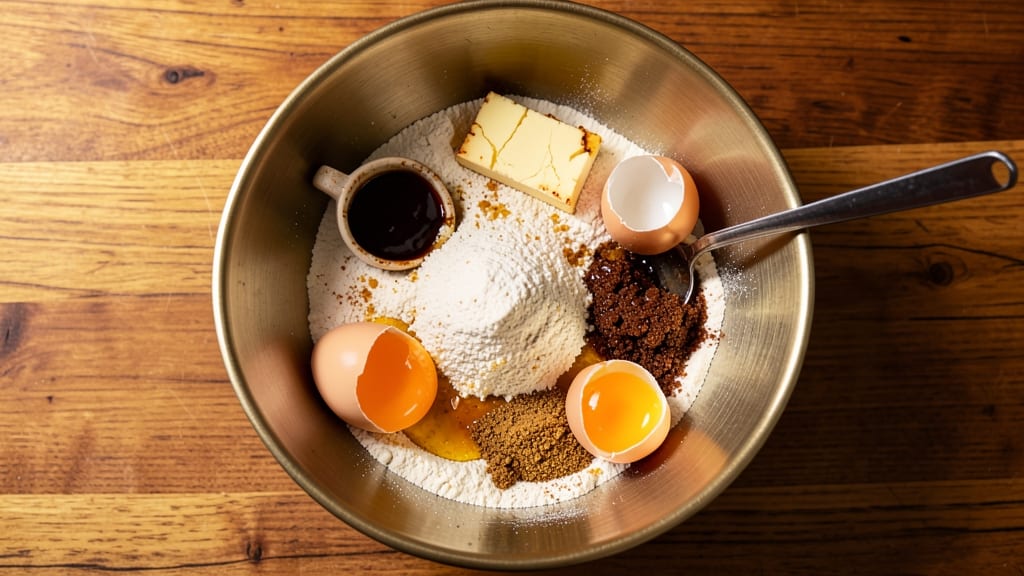
This traditional gingerbread cookie recipe delivers the spiced warmth and festive crunch that make holiday baking unforgettable. The secret lies in molasses and spices—cinnamon, ginger, and cloves—that create that signature flavor profile while maintaining a tender yet crisp texture.
I’ve perfected this recipe over years of baking, ensuring every batch stays true to classic traditions without sacrificing ease.
The dough comes together with simple ingredients—flour, butter, sugar, and a touch of baking soda—but the magic happens in the slow baking process. These cookies develop deep caramel notes and a subtle crackle on top, all while staying soft inside.
The recipe includes a foolproof rolling and cutting method to achieve those iconic shapes, whether you prefer traditional gingerbread men or festive holiday designs.
What you’ll end up with is a batch of cookies that smell like Christmas in the oven, with rich molasses flavor and a perfect balance of spice.
The aroma alone will have your kitchen filled with holiday cheer, and the texture—crisp at the edges, tender in the center—makes them impossible to resist. These are the kind of cookies that disappear fast, so make a double batch if you can.
Pair them with a cup of hot cocoa or eggnog for the ultimate holiday treat. The recipe also includes tips for decorating with royal icing or sprinkles, though many families enjoy them plain—just as they’ve been enjoyed for generations. Let’s get baking!
Ingredients for traditional gingerbread cookie
Simple pantry staples transform into classic holiday cookies with deep molasses flavor and perfect spice balance.
| Ingredient | Amount | Notes |
|---|---|---|
| All-Purpose Flour 🌾 | 3 ½ cups | Sifted for light texture |
| Unsalted Butter 🧈 | 1 cup | Cold, cubed for even mixing |
| Dark Brown Sugar 🍚 | 1 cup | Packed tightly for sweetness |
| Molasses 🍯 | 1 cup | Unsulphured for authentic flavor |
| Large Eggs 🥚 | 2 whole | Room temperature for best mixing |
| Ground Ginger 🌿 | 2 tbsp | Freshly ground preferred |
| Ground Cinnamon 🌶️ | 2 tsp | True Ceylon cinnamon ideal |
| Ground Cloves 🌿 | 1 tsp | Freshly ground for potency |
| Ground Nutmeg 🌿 | ½ tsp | Freshly grated nutmeg preferred |
| Baking Soda 🧂 | 1 tsp | Ensures proper rise |
| Salt 🧂 | ½ tsp | Kosher or sea salt |
| Vanilla Extract 🌿 | 1 tsp | Pure alcohol-free preferred |
| Powdered Sugar 🍚 | 1 cup | For dusting finished cookies |
The molasses is non-negotiable—unsulphured gives that authentic, rich flavor. Goya or Blackstrap brands work best, and you'll want to use the darkest variety. For spices, Penzeys or bulk bins at specialty stores ensure maximum freshness. The ginger should be freshly ground if possible, but quality ground ginger works too. Baking soda is crucial here—Aluminum-free brands like Bob's Red Mill react better with the molasses. Butter should be cold when creamed to prevent spreading during baking.
No molasses? Dark corn syrup at half the amount works in a pinch, though it lacks depth. Substituting spices? Pumpkin pie spice can replace the cinnamon, nutmeg, and cloves, but you'll miss the clove's distinct warmth. For nutmeg, freshly grated from a whole nutmeg makes a difference, but ground works fine. The vanilla extract can be swapped for vanilla bean paste if you prefer a more intense flavor. If you don't have powdered sugar for dusting, granulated sugar works too—just use a bit more to achieve the same sweetness.
This dough keeps well in the fridge for 3 days wrapped tightly in plastic, or up to 3 months in the freezer. For best results, let the dough sit at room temperature for 30 minutes before rolling. The cookies will keep their texture for 5 days in an airtight container at room temperature, though they're best enjoyed fresh. For long-term storage, freeze baked cookies in layers separated by parchment paper.
Why You'll Love This Recipe
- No-Fuss Mixing: I swear by this dough—just cream butter and sugar, toss in eggs, then fold in dry ingredients. No standing over a hot stove, no tricky techniques, just stir, chill, bake. Honestly, the hardest part is waiting for the oven to preheat.
- Molasses Magic: That deep, rich molasses flavor? It’s the star. The cookies start soft with a chewy center, then crisp at the edges—like a warm hug in cookie form. Between us, the brown sugar caramelizes into something dangerously addictive.
- Holiday or Snack: I make these for Christmas trees, but they’re just as good with a cup of tea on a rainy Tuesday. The spice blend (cinnamon, ginger, cloves) feels festive, yet they’re simple enough to bake in batches. My kids grab them straight from the jar—no judgment here.
- Budget-Friendly Staples: Flour, butter, sugar, eggs—these are pantry basics that won’t break the bank. A single batch makes 30 cookies, and they freeze perfectly. I’ll be real: I’ve pulled them from the freezer for last-minute gifts, and no one’s ever noticed.
Step-by-step instructions for traditional gingerbread cookies
Here's the authentic method that delivers classic gingerbread flavor and texture every time.
Cream Butter and Sugars Together
In a large mixing bowl, combine the 1 cup unsalted butter and 1 cup dark brown sugar. Using an electric mixer on medium speed, beat until the mixture is light and fluffy, about 3-4 minutes. This step incorporates air which helps create the signature tender yet crisp texture of traditional gingerbread.
I press down on the butter mixture with a spatula occasionally to ensure it's fully creamed. You'll know it's ready when it nearly doubles in volume and leaves light ribbons when the beaters are lifted. This ensures proper mixing with the dry ingredients later without developing gluten.
Mix in Molasses and Eggs
Add the 1 cup molasses to the butter mixture and blend on low speed until fully incorporated. The molasses will darken the mixture significantly - this is normal and essential for authentic flavor. Then add the 2 whole large eggs, one at a time, mixing well after each addition.
After adding both eggs, stir in the 1 teaspoon vanilla extract. The mixture should be smooth and well combined. I like to scrape down the sides of the bowl with a rubber spatula at this point to ensure all ingredients are evenly distributed before adding dry ingredients.
Combine Dry Ingredients
In a separate bowl, whisk together the 3.5 cups all-purpose flour, 2 teaspoons ground cinnamon, 1 teaspoon ground cloves, 0.5 teaspoon ground nutmeg, 2 tablespoons ground ginger, 1 teaspoon baking soda, and 0.5 teaspoon salt. Sift the flour mixture directly over the wet ingredients.
Using the mixer on low speed, gradually combine the dry ingredients with the wet mixture until just combined. Be careful not to overmix - you should still see some flour streaks. The dough will be thick and sticky, which is perfect for traditional gingerbread. If it seems too sticky, you can add 1 tablespoon of additional flour if needed.
Chill the Dough
Cover the dough with plastic wrap and refrigerate for at least 2 hours, or up to 24 hours. This chilling step is crucial for several reasons: it firms up the dough for easier handling, allows flavors to meld, and prevents excessive spreading during baking.
I like to divide the dough into two portions and flatten them into discs before chilling. This makes it easier to roll out later. The cold dough will be firm enough to handle without sticking to your hands or rolling pin.
Roll and Cut the Cookies
Preheat your oven to 350°F. On a lightly floured surface, roll out one disc of dough to about ¼-inch thickness. Use gingerbread cookie cutters to cut out shapes and place them on ungreased baking sheets.
Leave about 2 inches between cookies as they will spread slightly during baking. For traditional gingerbread, I recommend using classic shapes like stars, trees, or gingerbread men. The dough should be cold when you roll it out - if it warms up too much, it will be difficult to handle.
Bake to Golden Perfection
Bake the cookies for 8-10 minutes until the edges are golden brown and the centers still look slightly soft. They'll continue cooking on the baking sheet after removal. I like to rotate the pans halfway through baking for even cooking.
Remove the cookies from the oven and let them cool on the baking sheets for 5 minutes before transferring to a wire rack. While still warm, dust the tops with 1 cup powdered sugar for that classic finish. The cookies should be crisp around the edges with a soft, chewy center.
Pro Tips For Making Traditional Gingerbread Cookie
- CHILL THE DOUGH: After mixing, let the dough sit in the fridge for at least 2 hours—overnight is even better. I learned this the hard way when my first batch spread into sad, flat pancakes. Cold dough holds its shape, and the flavors meld into something deeper than a rushed bake.
- WEIGH THE FLOUR: Scoop and level your flour into the scale instead of packing it into the cup. Traditional recipes rely on precise ratios, and packed flour throws off the balance. Yes, it’s a pain, but your cookies will thank you with the right chew and texture.
- SKIP THE MOLASSES SUB: If you’re tempted to swap molasses for something milder, don’t. The sharp, bitter edge is what makes gingerbread sing—it cuts through the sweetness and balances the spices. Use the right kind (unsulphured, if possible), and embrace the bold flavor.
- BAKE LOW AND SLOW: Set your oven to 325°F (165°C) and bake for 10–12 minutes, not until golden. I used to rush it, and my cookies turned out dry or burnt on the edges. Lower heat ensures even cooking and a soft, cakey center—just like the old-school versions.
Storing and reheating your leftovers
Room-Temp Revival
If your gingerbread cookies have lost their crispness, revive them by placing them in a 350°F oven for 3-5 minutes. This gentle reheat restores the crunch without drying them out. I like to reheat just a few at a time so they stay fresh.
For extra crispiness, sprinkle with a pinch of granulated sugar before reheating—it caramelizes slightly for added texture. 🔥
Fridge Storage Secrets
Store baked cookies in an airtight container at room temperature for up to 5 days. I use glass containers with tight-sealing lids to maintain freshness.
For longer storage, refrigerate for up to 1 week, but bring them to room temperature before serving to prevent condensation from making them soggy. The spices will mellow slightly over time, but the molasses flavor remains rich.
Freezer Preservation
Freeze baked cookies in a single layer on a parchment-lined tray for 1 hour to prevent sticking. Transfer to a freezer bag or airtight container, separating layers with parchment paper.
They’ll keep for 3 months without losing texture. To reheat, thaw overnight in the fridge or microwave for 10-15 seconds on low power for crisp edges. 🧊
Decorating After Reheating
If you plan to decorate with royal icing or sprinkles, do it before reheating. Icing adheres better to cookies at room temperature, and reheating afterward can melt decorations. For a quick fix, brush reheated cookies with a little milk or water to reactivate the powdered sugar coating before adding toppings.
The molasses flavor pairs beautifully with white chocolate drizzle or cinnamon sugar.
Dough Storage Tips
Unbaked dough keeps for 3 days in the fridge or 3 months in the freezer. Wrap tightly in plastic wrap or place in an airtight container. Thaw frozen dough in the fridge overnight before rolling.
For best results, let chilled dough sit at room temperature for 30 minutes before shaping—this prevents cracking. The spices intensify when cold, so taste as you go! 💫
Nutrition facts
Frequently asked questions
Why does my gingerbread dough keep sticking to the rolling pin?
The dough is naturally sticky due to molasses and butter. Chill it for at least 2 hours before rolling, and dust your surface liberally with flour or powdered sugar. Work quickly to prevent warming, which makes handling even harder. A lightly floured rolling pin helps too!
Can I make these cookies without molasses?
Yes, but the flavor will differ. Replace 1 cup molasses with ½ cup dark corn syrup plus ½ cup honey for a milder sweetness. The cookies will be less rich and more cake-like, but still delicious. For authenticity, molasses is key to that deep, spiced profile.
How do I prevent my gingerbread cookies from spreading too much?
Cold dough is your best friend! Keep it chilled until ready to roll, and bake at 350°F for 8-10 minutes—no longer. Overbaking causes spreading. Also, use a ¼-inch dough thickness and avoid overcrowding the baking sheet. A metal baking pan conducts heat better than glass, helping them set faster.
What’s the secret to getting that perfect crackly top?
Bake until edges are golden but centers are still soft (8-10 minutes). The residual heat after removal creates the crackle. For extra crunch, dust warm cookies with powdered sugar immediately after baking. Avoid overmixing the dough—this develops gluten and makes cookies tough instead of tender.
Can I use this dough for gingerbread houses?
This recipe works perfectly for house walls. Roll dough to ⅛-inch thickness for sturdy pieces. Let cookies cool completely before assembling, and use royal icing or melted white chocolate for glue. For extra strength, bake at 325°F for 12-15 minutes to firm up the structure.