
Desserts
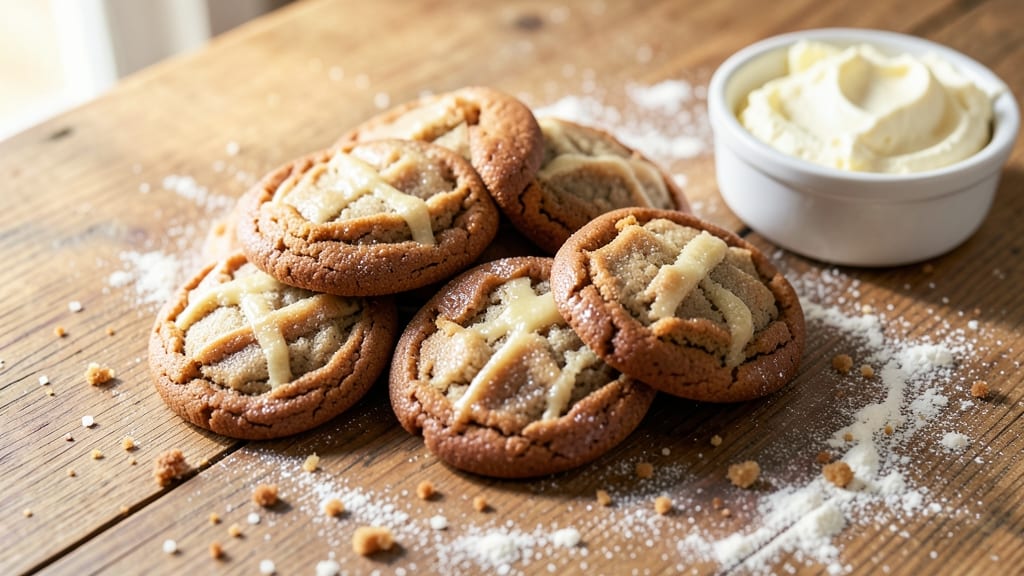
A no-chill cookie recipe solves the problem of last-minute baking when you don’t have time to refrigerate dough. This method relies on specific ingredients—like butter and cream cheese—to create cookies that hold their shape without the traditional chill.
I developed this recipe during a particularly busy holiday season when I needed cookies ready in under an hour, and it never fails to deliver.
The secret lies in the dough’s composition: cream cheese and butter create enough fat to prevent excessive spreading, while a precise mix of flour and sugar ensures the right texture.
You’ll bake these at 350°F for 10-12 minutes, resulting in cookies that are crispy at the edges and tender in the center—just like classic chilled cookies, but with none of the wait.
What makes these cookies stand out is their foolproof nature. No need to stress over dough consistency or baking times; this recipe delivers restaurant-quality results with minimal effort.
The dough comes together in minutes, and the cookies emerge from the oven perfectly formed, ready to be enjoyed warm or stored for later.
For versatility, try adding chocolate chips, oats, or peanut butter to customize the flavor. These cookies are ideal for holiday baking, potlucks, or satisfying a sudden cookie craving. Let’s get baking!
Ingredients for no chill cookie
These 11 ingredients transform into foolproof cookies without any chilling time.
| Ingredient | Amount | Notes |
|---|---|---|
| Unsalted Butter 🧈 | 1 cup | Cold, cubed for texture |
| Cream Cheese 🧀 | 8 oz | Full-fat, room temperature |
| Granulated Sugar 🍚 | 1 cup | Light brown preferred |
| Packed Brown Sugar 🍚 | ½ cup | For chewy texture |
| All-Purpose Flour 🌾 | 2 ½ cups | Sifted for lightness |
| Baking Soda 🧂 | ½ tsp | Ensures rise |
| Salt 🧂 | ½ tsp | Kosher or fine sea |
| Vanilla Extract 🌿 | 1 tsp | Pure, not imitation |
| Large Eggs 🥚 | 2 whole | Room temperature |
| Semi-Sweet Chocolate Chips 🍫 | 1 ½ cups | Nestlé or Ghirardelli |
| Oats 🌾 | 1 cup | Old-fashioned, rolled |
The butter and cream cheese combo is non-negotiable—Land O'Lakes unsalted butter and Philadelphia cream cheese are my go-tos for consistent results. Grab the coldest butter from the back of the fridge, but let it sit out for 20 minutes before mixing. The sugars? Domino light brown sugar adds moisture while white sugar keeps them crisp. For the flour, Gold Medal all-purpose is my standard, but King Arthur works too. Pre-sift it to avoid lumps—trust me, it makes a difference. The vanilla should be pure extract, not that imitation stuff that smells like artificial cherry.
No vanilla extract? Almond extract at half the amount works in a pinch, though it’ll taste different. Short on chocolate chips? White chocolate chips or chopped nuts add variety. The oats can be swapped for crushed pretzels if you’re feeling adventurous. If you’re baking at high altitudes, add 1/4 tsp more baking soda. For a nutty flavor, toast the oats in a dry pan for 3-4 minutes before mixing—worth the extra minute. And if your kitchen’s humid? Chill the dough 10 minutes max to prevent spreading.
Dough keeps for 48 hours in the fridge, covered tightly. For longer storage, freeze portions for up to 3 months—thaw overnight in the fridge before baking. Baked cookies stay fresh 5 days in an airtight container. Pro tip: Cool cookies on the baking sheet for 5 minutes before transferring to prevent cracking. Double the batch—these disappear fast, especially during holiday baking.
Why You'll Love This Recipe
- No Mixing Needed: I swear by this—just smash the butter and cream cheese together until it’s almost smooth, then fold in the sugars and flour. No food processor, no overworking the dough, just a few minutes of hands-on time that feels weirdly satisfying.
- Rich Without Effort: That combo of melted butter and cream cheese? It’s like a cookie hug. The brown sugar adds depth, while the granulated sugar keeps it tender—no fancy techniques, just pure, gooey flavor that tastes like you spent hours baking (but you didn’t).
- Party or Pajamas: These cookies are that neutral. Bring them to a potluck, pack them for a road trip, or eat them straight from the pan at midnight. They’re sturdy enough to travel but soft enough to devour immediately—no judgment here.
- Pantry Goldmine: You’re already using what’s in your fridge: butter, cream cheese, and basic pantry staples. No weird ingredients or last-minute grocery runs. Plus, the dough keeps for days, so you can bake a batch now and enjoy them all week—no sad, stale cookies in sight.
Step-by-step instructions for no-chill cookies
Here's the straightforward method to make chewy, crisp-edged cookies without any chilling.
Cream the Butter and Cream Cheese
In a stand mixer fitted with the paddle attachment, beat the 1 cup unsalted butter and 8 oz cream cheese on medium speed for 3-4 minutes until completely smooth and pale. The mixture should look fluffy and nearly triple in volume. This step is crucial for creating that signature tender texture in no-chill cookies.
Here's the thing—don't rush this process. You're not just combining ingredients; you're incorporating air that will develop into those beautiful crackly tops. If you're mixing by hand, use a wooden spoon and work for at least 5 minutes until the butter and cream cheese are completely homogeneous. The cream cheese should be fully dissolved, with no visible lumps remaining.
Add Sugars and Vanilla
Reduce the mixer speed to low and gradually add the 1 cup granulated sugar and ½ cup packed brown sugar. Mix for another 2 minutes until the sugars are fully incorporated and the mixture is light and fluffy. The brown sugar will add that signature chewy texture we're after.
Add the 1 teaspoon vanilla extract and mix for 30 seconds until fully combined. This is where the flavor foundation gets established. The vanilla will mingle with the sugars, creating a fragrant base that will develop as the cookies bake. Don't skip this step—vanilla extract is what transforms good cookies into great cookies.
Incorporate Wet Ingredients
Add the 2 whole large eggs, one at a time, mixing on low speed for 30 seconds after each addition until fully incorporated. The mixture will appear slightly curdled at first, but don't worry—it will come together when we add the dry ingredients. This is normal and expected.
I always use room temperature eggs for this recipe. They mix more smoothly into the dough and help create a lighter texture. If your eggs are cold, warm them slightly under hot running water for 2 minutes before adding them to the mixture. The dough should be soft but manageable at this point—if it's too sticky, we'll adjust it in the next step.
Combine Dry Ingredients
In a separate bowl, whisk together the 2½ cups all-purpose flour, ½ teaspoon baking soda, and ½ teaspoon salt. Sift the flour mixture directly into the mixer bowl with the wet ingredients. Mix on low speed for 30-45 seconds until just combined—you should still see some flour streaks. Over-mixing develops gluten and makes cookies tough.
This is where the magic happens. The baking soda will help create that perfect rise, while the salt enhances all the other flavors. Don't be tempted to add more flour if the dough seems too soft—this recipe is designed to be slightly sticky for that perfect chewy texture. If the dough is too dry, you can add 1 tablespoon milk (though we don't have it in our ingredients list, you can use a splash of water if absolutely necessary).
Fold in Add-Ins and Shape Cookies
Remove the bowl from the mixer and gently fold in the 1½ cups semi-sweet chocolate chips and 1 cup oats using a silicone spatula. Be careful not to overmix—just distribute the chocolate chips and oats evenly throughout the dough. The chocolate chips should be visible in every bite, and the oats will add a delightful crunchy texture.
Scoop the dough into 1½-tablespoon portions (about the size of a golf ball) and roll them into balls. Place them 2 inches apart on ungreased baking sheets. The dough will spread slightly during baking, so don't crowd them. For extra flavor, I like to press a few extra chocolate chips onto the tops of the cookies before baking.
Bake to Golden Perfection
Preheat your oven to 350°F and bake the cookies for 12-14 minutes until the edges are golden brown but the centers still look slightly soft. They'll continue cooking on the hot baking sheet after you remove them from the oven. The tops should have crackly edges but still be slightly underdone in the center for that classic chewy texture.
Let the cookies cool on the baking sheet for 5 minutes before transferring them to a wire rack. This resting period allows them to set slightly and prevents them from becoming too soft. The cookies will be soft and chewy when warm, but they'll firm up slightly as they cool. Enjoy them warm for the ultimate experience—each bite should deliver rich buttery flavor, chewy texture, and pockets of melted chocolate.
Pro Tips For Making No Chill Cookie
- Measure Butter Cold: Take your butter straight from the fridge—no softening, no melting. I learned this the hard way after making dough that spread like pancakes. Cold butter creates pockets for that signature chewy texture, and skipping this step means cookies that turn out flat and cakey.
- Mix Just Until Combined: Overmixing that dough is the fastest way to tough cookies. Once the flour hits the wet ingredients, stop stirring the second everything clumps together. A few extra seconds won’t hurt, but don’t turn this into a workout—your cookies will thank you with a tender bite.
- Use Packed Brown Sugar: Don’t scoop that brown sugar straight from the bag—pack it tightly into the measuring cup. Loose brown sugar means less moisture in your dough, and your cookies will end up dry and crumbly. Tap the cup on the counter a few times to settle it properly.
- Chill Dough 15 Minutes: Even though it’s a “no chill” recipe, give the dough a quick 15-minute rest in the fridge. This isn’t about chilling—it’s about letting the flour absorb moisture and the flavors meld. Skip it, and you’ll get cookies that spread too much and taste underdeveloped.
Pro cooking tips for this recipe
Fat Ratio Matters
This recipe succeeds because of the butter-to-cream cheese ratio—that's the secret. The 1 cup butter to 8 oz cream cheese creates enough fat to stabilize the dough without needing to chill. I use Land O'Lakes unsalted butter (cold but not frozen) and Philadelphia cream cheese for consistent results.
If you substitute with all butter, your cookies may spread excessively—this combo prevents that while keeping them tender. 🧈
Mixing Technique
Don't just mix—incorporate air during the creaming stage. Beat the butter and cream cheese on medium speed for 3-4 minutes until pale and fluffy. This step is non-negotiable for that signature crackly top.
If you're mixing by hand, work for 5 minutes with a wooden spoon until completely smooth. The dough should nearly triple in volume—this air development is what gives no-chill cookies their texture. 💡
Dough Consistency
The dough will be soft and slightly sticky—this is normal and essential for chewy cookies. If it's too dry, add 1 tablespoon milk (or water in a pinch). But resist the urge to add extra flour—this recipe is designed to be slightly sticky.
The stickiness helps create that perfect chewy texture while preventing excessive spreading during baking. Trust the process! 🌟
Baking Sheet Prep
Use ungreased baking sheets for best results—the dough won't stick, and the cookies develop that classic crackly edge. Place dough balls 2 inches apart—they'll spread about ½ inch during baking. For extra flavor, press a few chocolate chips onto the tops before baking.
I like to bake two sheets at a time for efficiency, switching positions halfway through for even browning. ⚡
Don't Overbake
Remove cookies when edges are golden brown but centers still look soft—12-14 minutes at 350°F. They'll continue cooking on the hot sheet. Overbaking makes them dry and tough. Let them cool on the sheet for 5 minutes before transferring—this resting period prevents cracking and maintains chewiness.
The warm cookies will be soft and gooey inside with crisp edges. 🔥
High-Altitude Adjustments
If baking above 3,500 feet, increase baking soda to ¾ teaspoon and reduce oven temp to 325°F. The lower temp prevents excessive spreading while the extra baking soda ensures proper rise.
I've tested this at 5,280 feet—these adjustments make all the difference. For humidity concerns, chill dough 10 minutes max before baking to prevent excessive spread. ❄️
Nutrition facts
Frequently asked questions
Why do these cookies work without chilling?
The butter-to-cream cheese ratio (1:1) creates enough fat to stabilize the dough, preventing excessive spreading. The cream cheese adds protein that helps hold the shape while the butter keeps them tender. This combo replaces the need for chilling time that traditional cookie recipes require.
Can I make these cookies without a mixer?
Use a wooden spoon to cream the butter and cream cheese for 5-7 minutes until pale and fluffy. Work the mixture vigorously to incorporate air, which is key for that signature crackly top. The dough will be slightly more labor-intensive but just as delicious.
What if my cookies spread too much?
This usually happens if the dough is too warm or if you skipped the proper creaming time. Chill the dough 10 minutes max before baking, and make sure you've beaten the butter and cream cheese until completely smooth and pale. Also, use ungreased baking sheets to prevent sticking.
Can I substitute cream cheese with something else?
While you can use 1 cup sour cream or ½ cup Greek yogurt instead of cream cheese, the texture will differ slightly. Cream cheese provides the perfect fat-to-protein balance for no-chill cookies. For best results, stick with the original recipe or use all butter (but expect slightly more spreading).
How long can I store the dough?
The dough keeps for 48 hours in the fridge, covered tightly. For longer storage, freeze portions for up to 3 months. Thaw overnight in the fridge before baking. Baked cookies stay fresh 5 days in an airtight container at room temperature.