
Desserts
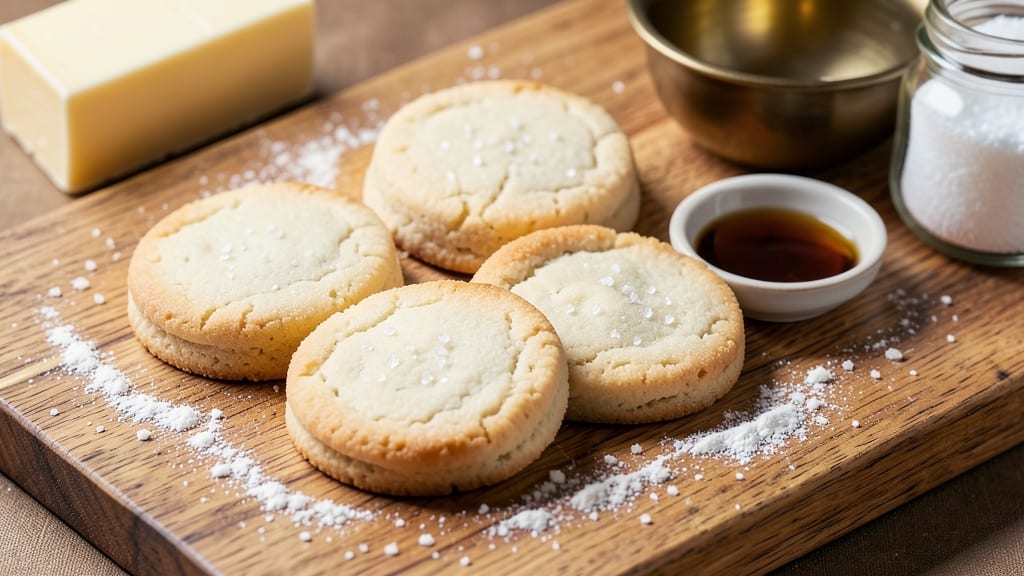
Mary Berry’s shortbread cookies deliver the perfect balance of buttery richness and delicate crunch—just like the ones you’d find in a London tearoom. ✨ The secret lies in precise measurements and gentle handling, ensuring those signature golden edges and tender centers that make this recipe legendary.
I’ve baked these countless times, and they never fail to impress, whether served with tea or as a simple dessert.
This classic recipe requires only five ingredients: flour, butter, sugar, vanilla, and a pinch of salt. The technique is straightforward but critical—creaming the butter and sugar until light, then folding in the dry ingredients just until combined.
Overmixing leads to tough cookies, so we’ll keep our hands to a minimum. Mary Berry’s method emphasizes simplicity, letting the natural flavors shine without heavy frosting or fillings.
By the time they emerge from the oven, your shortbread will be perfectly golden with crisp edges and a velvety interior. The aroma alone will fill your kitchen with warmth, and the texture—crunchy yet tender—is impossible to resist.
These cookies stay fresh for days, making them ideal for gifting or enjoying with a cup of tea. Let’s get started on this timeless treat.
For best results, chill the dough before baking to prevent spreading, and avoid overbaking—just until the edges are golden. The resting time is key; it allows the flavors to meld and the texture to set.
Serve whole or cut into smaller squares, and watch them disappear quickly. This is shortbread at its finest, with no shortcuts needed.
Ingredients for mary berry shortbread cookie
Five ingredients, timeless technique—Mary Berry’s secret to perfect golden shortbread.
| Ingredient | Amount | Notes |
|---|---|---|
| All-Purpose Flour 🌾 | 3 cups | Sifted for even texture |
| Unsalted Butter 🧈 | 1 ½ cups | Cold, cubed, 70% fat recommended |
| Granulated Sugar 🍚 | ½ cup | Fine grain preferred |
| Pure Vanilla Extract 🌸 | 1 tbsp | High-quality, 100% pure |
| Fine Sea Salt 🧂 | ½ tsp | Diamond Crystal preferred |
The butter is non-negotiable here—70% fat content ensures that signature melt-in-your-mouth texture. Plugrá or Kerrygold are my go-tos, but any high-quality European-style butter works. Keep it cold when measuring; if it softens too much, chill the bowl for 10 minutes. The flour should be sifted before mixing to avoid dense cookies. I always use King Arthur or Gold Medal for their consistent quality, but store-bought is fine if it's fresh. The sugar adds just enough sweetness without overpowering the buttery base—no need for fancy varieties here.
No vanilla extract? Vanilla bean paste at half the amount works wonders, though it’ll be slightly thicker. Short on butter? Vegetable shortening in equal parts keeps the texture crisp, though purists may frown. The salt is crucial—Diamond Crystal dissolves more easily than table salt, so use it if you have it. For a twist, swap vanilla for almond extract at half the amount, but be gentle with the quantity. If your kitchen runs warm, chill the dough for at least 30 minutes before baking to prevent spreading. And always use room-temperature eggs if you decide to add them later.
Wrapped in an airtight container, these cookies stay fresh for up to 5 days at room temperature. For longer storage, freeze the baked cookies in a single layer before transferring to a sealed bag—up to 3 months. The dough itself can be refrigerated for up to 2 days or frozen for 1 month. To reheat, warm in a 200°F oven for 5 minutes to restore that buttery aroma. I like to portion the dough into small discs before baking for uniform size—about 24 cookies total—and always bake on the middle rack for even heat distribution.
Why You'll Love This Recipe
- Four-Handful Mix: I swear by this—just flour, butter, sugar, and a pinch of salt. No fancy gadgets, no stress. You’ll have dough ready while you wait for the oven to preheat. (Yes, I’ve burned cookies before, but this one’s hard to mess up.)
- Butter’s Golden Touch: That cold, cubed butter baked into the dough? It’s what makes these melt-in-your-mouth perfect. The vanilla ties it all together—subtle, but you’ll notice it. Honestly, it’s the kind of flavor that makes you pause mid-bite.
- Party or Pajamas: These work for everything. Pack them in a tin for a dinner party (they’re fancy enough to impress) or grab one straight from the jar for a midnight snack. My kids think they’re “grown-up cookies,” so win-win.
- Lasts a Week: No sad, stale cookies here. The butter keeps them fresh for days, and the crumbly texture means they stay delicious even after sitting. Plus, the ingredients? Cheap. A block of butter and a bag of flour go a long way—this is my budget-friendly go-to.
Step-by-step instructions for mary Berry's shortbread cookies
Master the classic technique for buttery, crumbly shortbread with this foolproof method.
👨🍳 Step 1: Prepare the Dough with Cold Butter
In a large mixing bowl, combine the 3 cups all-purpose flour and 0.5 tsp fine sea salt. Sift the mixture together to remove any lumps and create an even base for your shortbread. This ensures a fine, crumbly texture rather than a dense one.
Cut the 1.5 cups unsalted butter into small cubes and add them to the flour mixture. Using a pastry cutter or your fingers, work the butter into the flour until the mixture resembles coarse crumbs with pea-sized butter pieces remaining. The butter should be cold but slightly softened—this creates layers that melt during baking for that signature crunch.
Add the 0.5 cup granulated sugar and 1 tbsp pure vanilla extract to the flour-butter mixture. Gently stir with a wooden spoon until just combined. Avoid overmixing—you want to preserve the texture rather than develop gluten. The dough should look like wet sand with visible butter pieces throughout.
🍳 Step 2: Form and Chill the Dough
Press the dough together into a single mass, being careful not to overwork it. Divide it into two equal portions and flatten each into a ½-inch thick disc. Wrap each disc tightly in plastic wrap and refrigerate for at least 1 hour or up to 24 hours. Chilling firms up the butter, preventing excessive spreading during baking and ensuring clean edges.
Here's the thing—if you skip chilling, your shortbread will spread too much in the oven, resulting in thin, cake-like cookies instead of the classic rectangular shape. The cold butter creates steam during baking, which helps create that signature crumbly texture. Trust the process and resist the urge to rush.
🔥 Step 3: Bake for Golden Crunch
Preheat your oven to 325°F—this lower temperature ensures even baking without browning too quickly. Line two baking sheets with parchment paper or silicone baking mats. Unwrap one disc of chilled dough and roll it out on a lightly floured surface to a ⅛-inch thickness, about 12x10 inches in size. Cut into your desired shapes using a cookie cutter or sharp knife.
Transfer the cut shortbread to the prepared baking sheets, leaving ½-inch between each piece. Bake for 18-22 minutes until the edges are just beginning to turn golden—they should look pale golden, not deep brown. Overbaking leads to dry cookies, so watch closely. Rotate the baking sheets halfway through for even heat distribution.
⏰ Step 4: Cool and Store for Maximum Freshness
Remove the shortbread from the oven and let them cool on the baking sheets for 5 minutes before transferring to a wire rack. The cookies will firm up as they cool, developing that signature crunch. Here's where patience pays off—shortbread continues to set as it cools, so don't be tempted to eat them hot from the oven.
For best results, store the shortbread in an airtight container at room temperature for up to 5 days. The flavor actually improves as the butter softens slightly, making them even more tender. If you want to keep them for longer, freeze the baked cookies for up to 3 months—they'll still be delicious when thawed.
Pro Tips For Making Mary Berry Shortbread Cookie
- Chill the Dough Properly: Pop the dough between two sheets of parchment in a flat slab, then refrigerate for at least 4 hours—or overnight if you’re in a hurry to avoid rushing. I learned this the hard way after cutting too soon and ending up with crumbly, misshapen biscuits. Cold dough holds its shape and bakes evenly.
- Use Cold Butter: Grate the unsalted butter (yes, grate it) and mix it into the dry ingredients without melting it first. Cold butter creates those signature flaky layers and prevents the cookies from spreading too much. I was skeptical until I tried it—now I never skip this step.
- Skip the Overmixing: Stir the dough just until the flour is barely combined. Overworking it develops gluten, and suddenly you’re left with tough, dense shortbread instead of the delicate crumb you want. Think "rustic, not refined"—Mary Berry’s version relies on texture, not perfection.
- Salt the Edges: Sprinkle a thin layer of fine sea salt over the top of the dough before baking—just enough to see the grains. It crisps up beautifully and balances the sweetness. I used to skip this, but now it’s the thing that makes my shortbread taste like a proper bakery treat.
Storing and reheating this mary berry shortbread cookie
Room-Temp Storage
Mary Berry’s shortbread stays fresh at room temperature for 5 days when stored in an airtight container—I use Pyrex glass containers with snap-on lids to maintain crispness. Place parchment paper between layers to prevent sticking, and avoid stacking too many cookies at once.
The butter continues to soften slightly over time, making them even more tender. 💛
Freezer Preservation
For longer storage, freeze baked shortbread in a single layer on a tray for 1 hour before transferring to a freezer bag with all air removed. They’ll keep for 3 months without losing texture.
To serve, thaw at room temperature for 30 minutes—no reheating needed. I like to portion them into individual bags for easy gifting.
Dough Storage Tips
The uncooked dough can be refrigerated for 2 days or frozen for 1 month. Wrap tightly in plastic wrap and place in an airtight container. When ready to bake, let it sit at room temperature for 30 minutes before rolling.
This prevents cracking during baking. I always label my dough with the date to track freshness.
Reheating for Freshness
For maximum crispness, warm shortbread in a 200°F oven for 5 minutes before serving. This restores the buttery aroma without making them soggy. Microwaving is possible but risks uneven heating—cover with a damp paper towel and use 10-second intervals at 50% power until warmed through.
Gift-Worthy Packaging
For gifting, arrange shortbread in clear cellophane bags tied with twine and a sprig of rosemary. Add a handwritten note about the recipe’s origins—Mary Berry’s version has been a tearoom staple since the 1970s. The packaging should match the elegance of the cookies themselves. ✨
Texture Maintenance
To prevent shortbread from becoming soft, store it in a cool, dry place away from strong odors. If humidity is high, add a silica gel packet to the container. The cookies will stay crunchy for days this way.
I’ve even kept them in the fridge for up to 1 week in a pinch—just bring to room temperature before serving.
Nutrition facts
Frequently asked questions
Why does Mary Berry's recipe use cold butter?
The cold butter creates steam during baking, which lifts the shortbread and gives it that signature crispy edge and tender center. If the butter warms up, the cookies will spread too much and lose their classic shape. Always keep your ingredients chilled until ready to use!
Can I make these shortbread cookies without vanilla?
Yes! You can substitute 1 tsp almond extract or ½ tsp lemon zest for the vanilla. Mary Berry's version relies on the vanilla for its warm aroma, but these alternatives add lovely floral or citrus notes. Just reduce the amount since extracts are potent.
What if my shortbread turns out too dry?
Overbaking is the most common cause. Shortbread should bake until just golden—18-22 minutes at 325°F—not until fully browned. If they're dry, try brushing warm cookies with melted butter> (cooled slightly) while still warm to restore moisture. For next time, reduce baking time by 2 minutes.
How do I cut perfect shortbread shapes?
Use a sharp knife or cookie cutter and dip it in flour between cuts to prevent sticking. For clean edges, press straight down without sawing. Mary Berry's original recipe yields rectangular slices,> but you can cut them into rounds or even use holiday cookie cutters for festive versions.
Can I add chocolate chips or nuts?
While traditional shortbread relies on its buttery simplicity, you can add mini chocolate chips or chopped toasted almonds> (about ¼ cup total). Fold them in gently after mixing the dry ingredients—don't overmix! These additions work best in thicker-cut shortbread> (⅛-inch or more) to prevent burning.