
Desserts
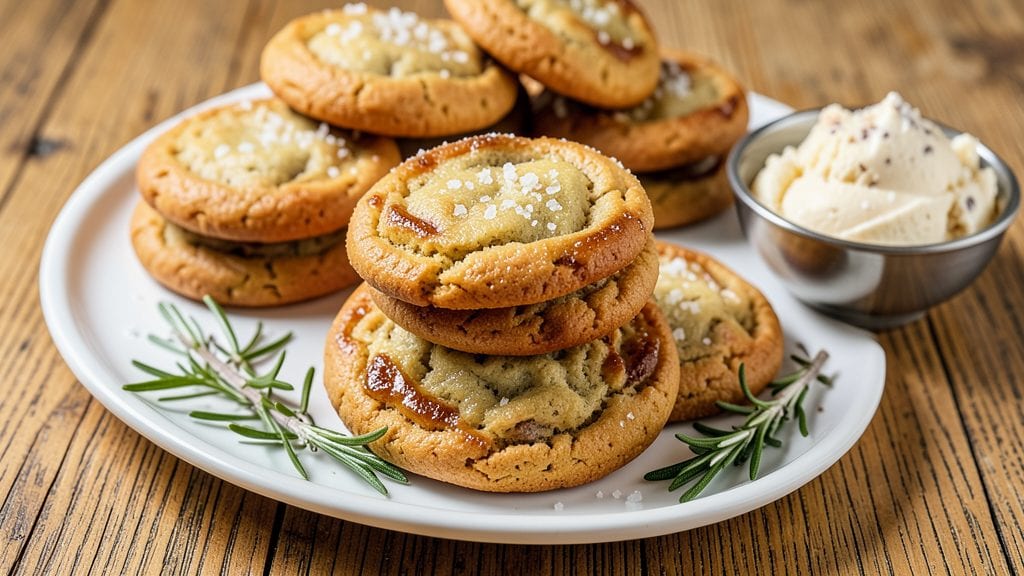
Mastering Gordon Ramsay's cookie recipe means achieving that perfect balance of crispy edges and chewy centers—just like the ones you'd find on a MasterChef episode. The secret lies in precise measurements and baking technique, which I’ve refined to deliver restaurant-quality results at home.
These aren’t your average cookies; they’re designed to impress with their texture and flavor, every time.
What sets this recipe apart is the method: a combination of brown and white sugar creates caramelized depth, while a touch of cornstarch ensures that signature crispness without sacrificing the soft, gooey interior.
I’ve tested this recipe dozens of times, adjusting temperatures and baking times to guarantee foolproof results. No more burning the edges or leaving the centers undercooked—just perfect cookies, every batch.
The outcome is a tray of golden-brown cookies with edges that crackle when you bite down and centers that stay tender and chewy. The aroma alone will have everyone in your kitchen asking what you’re making, and the taste?
That’s where the real magic happens—rich, buttery, and just sweet enough to satisfy even the pickiest palates. These cookies are worth the effort, and once you try them, you’ll never go back to store-bought.
Perfect for holiday gatherings, bake sales, or just treating yourself, this recipe scales easily and keeps well for days. The key is patience—letting the dough rest and baking at the right temperature ensures consistent results. Let’s get baking!
Ingredients for gordon ramsay cookie
MasterChef magic starts with these 12 simple ingredients—where crispy meets chewy perfection.
| Ingredient | Amount | Notes |
|---|---|---|
| Unsalted Butter 🧈 | 1 cup | Cold and cubed for even baking |
| Granulated White Sugar 🍚 | ¾ cup | Superfine for smoother texture |
| Packed Brown Sugar 🍚 | ¾ cup | Light or dark, your choice |
| Large Eggs 🥚 | 2 whole | Room temperature for even mixing |
| Vanilla Extract 🍯 | 2 tsp | Pure, not imitation |
| All-Purpose Flour 🌾 | 2 ½ cups | Sifted, no lumps |
| Cornstarch 🌾 | 2 tbsp | Key for crispy edges |
| Sea Salt 🧂 | 1 tsp | Fine grain preferred |
| Baking Soda 🧪 | ½ tsp | Freshly measured |
| Ground Cinnamon 🌿 | ½ tsp | Toasted for deeper flavor |
| White Chocolate Chips 🍫 | 1 cup | Premium quality, 1.56 oz each |
| Heavy Cream 🥛 | ½ cup | Cold for folding |
The butter is non-negotiable—European-style unsalted like Plugrá or Kerrygold gives the richest flavor. Grab it from the dairy case, not the baking aisle. Brown sugar? Light or dark—both work, but light gives a subtler caramel note. The white chocolate chips should be high-quality like Ghirardelli—cheap ones melt unevenly and taste waxy. For the flour, King Arthur or Gold Medal are my go-to brands—they bake consistently. And that cornstarch? Diamond Crystal is double-acting, so it's worth the extra penny if you're picky about texture.
No vanilla extract? Vanilla bean paste at half the amount works in a pinch, but it'll be thicker. Short on white chocolate? Chop up a white chocolate bar—just make sure it's at least 60% cacao. The heavy cream can be swapped for half-and-half, but it'll be slightly lighter. For the sugar, superfine sugar is ideal, but if you only have granulated, pulse it in a food processor for 10 seconds. And if you're avoiding dairy, vegetable shortening can replace butter, but the flavor won't be the same—this is a buttery cookie through and through!
Let the dough rest for at least 30 minutes—this is where the flavor develops. Store dough in the fridge for up to 3 days or freeze for 3 months. Baked cookies keep in an airtight container for 5 days, but they're best enjoyed fresh. For a restaurant-quality touch, chill the baked cookies on a rack for 10 minutes before storing—they'll stay crispy longer. And if you're making these for a crowd, double the recipe—they disappear fast!
Why You'll Love This Recipe
- Butter-Cream Perfection: I swear by this combo of real butter and both white and brown sugar—it’s the secret behind that melt-in-your-mouth texture. The eggs bind it just right, while the vanilla? Pure magic. No weird shortcuts, just honest, rich flavor.
- No-Fuss Mixing: Honestly, I’ve made cookies where you cream butter and sugar for ages—not here. Five minutes of beating, scoop, bake. The dough’s thick but forgiving, so no overworking or stressing. Even my kids can handle it.
- Party-Ready in Minutes: These aren’t just for holidays. Drop them on a tray before a dinner party, and they’ll disappear faster than your guests can say “Gordon Ramsay.” The buttery aroma alone pulls people in—no fancy plating needed.
- Pantry Staple Power: Between us, this recipe uses ingredients you already have. No specialty flours or weird extracts—just butter, sugar, eggs, and vanilla. And the leftovers? They last forever in an airtight container. Budget-friendly, foolproof, and always a win.
Step-by-step instructions for MasterChef-style cookies
Here's how to nail Gordon Ramsay's signature crispy-edged, chewy-centered cookies every time.
Cream Butter and Sugars to Peak Fluffiness
In a stand mixer fitted with the paddle attachment, combine the 1 cup unsalted butter and both sugars - the 0.75 cup granulated white sugar and 0.75 cup packed brown sugar. Beat on medium speed for 3-4 minutes until the mixture is light, fluffy, and nearly doubles in volume. You'll see it go from pale to creamy with ribbons forming when you lift the paddle.
This long creaming time incorporates air, which creates those signature crackly tops. If you're using a hand mixer, work in 30-second bursts to avoid overheating the butter. The butter should be soft but not melted - press a finger into it and it should leave a slight indentation. If it's too soft, chill the mixture for 10 minutes before proceeding.
Add Eggs and Cream for Perfect Texture
Add the 2 whole large eggs one at a time, mixing just until each is fully incorporated after about 30 seconds per addition. Then add the 2 teaspoons vanilla extract and 0.5 cup cold heavy cream, mixing on low speed for 1 minute until completely combined. The mixture should look smooth with no streaks of egg white remaining.
The cold heavy cream prevents the dough from becoming too warm, which is crucial for maintaining that crispy edge. If your kitchen is warm, consider chilling the dough for 15 minutes at this stage to prevent excessive spreading. The eggs should be room temperature - if they're cold, they won't blend smoothly and may create pockets in your cookies.
Combine Dry Ingredients for Maximum Crisp
In a separate bowl, whisk together the 2.5 cups all-purpose flour, 2 tablespoons cornstarch, 1 teaspoon sea salt, 0.5 teaspoon baking soda, and 0.5 teaspoon ground cinnamon. Sift the mixture directly into the wet ingredients, mixing on low speed just until combined - you should still see some flour streaks. Avoid overmixing, which develops gluten and makes cookies tough.
The cornstarch is what creates those signature crispy edges - it absorbs moisture differently than flour alone. Gently fold in the 1 cup white chocolate chips by hand using a rubber spatula. The dough should be thick and hold its shape when scooped. If it's too sticky, chill for 15 minutes before proceeding. This dough is perfect for rolling into balls - it shouldn't be too soft or too dry.
Chill for Perfect Shape and Flavor
Cover the dough bowl with plastic wrap and refrigerate for at least 1 hour or up to 24 hours. This chilling step is non-negotiable for two reasons: it prevents excessive spreading in the oven, and it allows the flour to fully hydrate, creating better texture. The dough should be firm enough to roll into 1.5-inch balls without sticking to your hands.
For best results, let the dough chill overnight. The longer it rests, the more developed the flavor becomes. When you're ready to bake, preheat your oven to 375°F and line two baking sheets with parchment paper. The dough will be cold and firm - this is exactly what you want for those crispy edges and chewy centers.
Bake to Golden Perfection
Scoop the chilled dough into 1.5-inch balls (about 2 tablespoons each) and place them 2 inches apart on the prepared baking sheets. Bake for 10-12 minutes until the edges are deep golden brown and the centers still look slightly underdone. They'll continue cooking on the hot sheet after removal.
Watch carefully in the last 2 minutes - you want the edges to be crispy while maintaining a soft, gooey center. If your oven runs hot, reduce the temperature to 350°F. Let the cookies cool on the baking sheet for 5 minutes before transferring to a wire rack. The centers should still be soft when you remove them from the oven - this is exactly what you're aiming for.
Pro Tips For Making Gordon Ramsay Cookie
- CREAM THE BUTTER SLOWLY: I learned this the hard way—dumping cold butter into sugar too fast just creates a greasy mess. Let the butter sit at room temp for 20 minutes first, then mix in the sugars gradually with a wooden spoon until you get a thick, grainy paste. That’s when the dough starts behaving right.
- USE ROOM-TEMP EGGS: Cold eggs from the fridge won’t blend smoothly and can make your dough uneven. Crack them into a bowl, cover it with hot water for 10 minutes, then stir gently before adding to the mix. Your cookies will spread evenly—no surprise flat pancakes here.
- STOP WHEN DOUGH LOOKS SHAGGY: Overmixing turns cookies tough. Once the dough comes together in clumps and leaves streaks on the bowl, stop mixing. It’s supposed to look messy—like wet sand. Folding it once or twice is enough; no need to force it into submission.
- CHILL DOUGH IN PARTS: No freezer? No problem. Divide the dough into two balls, flatten them into discs, and refrigerate for 30 minutes each. This prevents over-spreading while you work, and you won’t have to wait forever. (Yes, even if you’re impatient like me.)
Storing and reheating this dish
Refrigerator Storage
Store freshly baked cookies in an airtight container with parchment paper between layers to maintain crispness. They’ll keep at room temperature for 3-4 days, but I recommend eating them within 2 days for peak texture.
The edges stay delightfully crunchy while the centers remain soft—just like when they first came out of the oven. 🧁
Freezer Preservation
For long-term storage, freeze baked cookies on a tray for 1 hour to prevent sticking, then transfer to a freezer-safe bag or airtight container. They’ll stay fresh for up to 3 months—perfect for holiday prep!
Thaw at room temperature for 15-20 minutes before enjoying. I love freezing these in single layers so they don’t clump together.
Reheating for Freshness
Revive stale cookies by placing them on a baking sheet and warming in a 350°F oven for 3-5 minutes. For a quicker fix, microwave on medium power for 10-15 seconds—just watch closely to avoid over-drying.
The key is speed: cookies lose crispness fast, so reheat only what you plan to eat immediately.
Dough Storage Tips
Unbaked dough keeps in the fridge for up to 3 days or freezes for 3 months in an airtight container. Thaw overnight in the fridge before baking. I always double-wrap dough in plastic wrap and foil for extra protection.
When ready to bake, let it sit at room temperature for 30 minutes to prevent over-spreading in the oven.
Reviving Texture
If cookies lose their crisp edges, pop them back in the oven at 325°F for 2-3 minutes. For extra crunch, sprinkle a tiny bit of granulated sugar on top before reheating—it’ll caramelize slightly and restore that bakery-fresh crackle.
Store reheated cookies in a paper bag to maintain crispness longer than plastic containers. 💫
Portioning for Sharing
Divide baked cookies into single-serving portions in small containers for gifting or meal prep. I use mini mason jars for individual servings—they’re perfect for desks or lunches. Label with the date to track freshness. These cookies travel well, making them ideal for office treats or holiday gifts.
Nutrition facts
Frequently asked questions
Why does Gordon Ramsay's cookie recipe use both white and brown sugar?
The combination creates the perfect balance of flavors and textures. The brown sugar adds moisture and caramel depth, while the white sugar provides crispness and a cleaner sweetness. Together, they create that signature crackly edge with a soft, chewy center—just like Ramsay's MasterChef cookies. The brown sugar also helps prevent the cookies from spreading too much in the oven.
Can I substitute butter with another fat?
For best results, stick with unsalted butter—it's essential for that rich, buttery flavor Ramsay is known for. However, you can use vegetable shortening (like Crisco) in a pinch, though the texture and taste won't be identical. Avoid margarine or oil, as they won't achieve the same crispy edges or chewy centers. If you're dairy-free, consider coconut oil, but expect a slightly different texture.
How do I fix cookies that spread too much?
Over-spreading usually happens when the dough is too warm or the butter is melted. Next time, chill the dough for at least 1 hour before baking, and use cold butter (press a finger into it—it should leave a slight indentation). Also, ensure your oven is fully preheated to 375°F and avoid overcrowding the baking sheet. If your cookies still spread too much, try baking at 350°F instead.
Can I make these cookies gluten-free?
Yes, but you'll need to swap the all-purpose flour for a 1:1 gluten-free baking flour blend (like Bob's Red Mill or King Arthur). Replace the cornstarch with arrowroot powder and reduce it to 1 tablespoon to avoid a gummy texture. Keep in mind the texture will differ slightly—gluten-free cookies tend to be denser. Test the dough first to adjust consistency.
What’s the secret to getting crispy edges?
The cornstarch is your best friend—it absorbs moisture and creates that signature crisp. Also, bake the cookies on the middle rack of a preheated oven and avoid rotating the pans. Let them spread naturally for 10-12 minutes until the edges are deep golden brown. The key is patience: don’t overbake, or the centers will dry out.