
Desserts
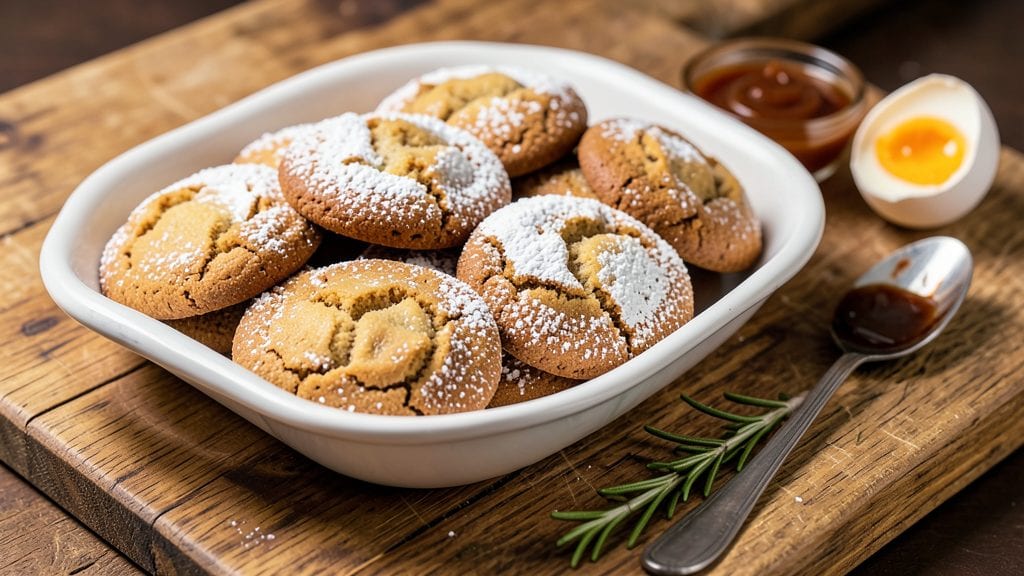
Alton Brown's cookie recipe transforms baking from guesswork into science—where crispy edges meet chewy centers through precise techniques like creaming and controlled baking. 🔥 I still remember my first attempt at this method after watching his show, where the difference between store-bought and homemade became crystal clear.
The key lies in understanding how ingredients behave under heat, something I learned the hard way when my first batch emerged either too dry or too flat.
This recipe isn't just about following steps; it's about mastering the chemistry behind cookie texture. Brown butter adds nutty depth while cornstarch creates that signature crispy exterior, while brown sugar ensures a moist interior.
The mixing method matters too—overmixing develops gluten, leading to tough cookies, so we'll handle the dough with care. With just 15 minutes of prep and 12 minutes in the oven, you'll have cookies that look like they came from a professional bakery.
What makes these cookies truly special is their balance—crispy edges that shatter with each bite, giving way to a soft, chewy center that melts in your mouth. The aroma of browned butter and vanilla fills the kitchen as they bake, making it impossible to resist pulling them out early.
These aren't just cookies; they're a lesson in how small adjustments can create restaurant-quality results at home.
Perfect for holiday gatherings or satisfying a late-night sweet tooth, this recipe scales beautifully while maintaining its signature texture. The secret? Paying attention to the details—from room temperature butter to proper cooling on the sheet. Let's get baking with a method that's as reliable as it is delicious.
Ingredients for alton brown cookie
Science meets sweetness with these 12 ingredients for Alton Brown's legendary crispy-chewy cookies.
| Ingredient | Amount | Notes |
|---|---|---|
| Unsalted Butter 🧈 | 1 cup | Browned to nutty aroma |
| Granulated Sugar 🍚 | ¾ cup | Standard white sugar |
| Light Brown Sugar 🍚 | ¾ cup | Packed firmly for moisture |
| Cornstarch 🌾 | 2 tbsp | For crispy exterior texture |
| Large Eggs 🥚 | 2 whole | Room temperature preferred |
| Pure Vanilla Extract 🍯 | 2 tsp | High-quality, not imitation |
| All-Purpose Flour 🌾 | 2 ½ cups | Sifted for light texture |
| Baking Soda 🧪 | ½ tsp | Ensures proper rise |
| Fine Sea Salt 🧂 | ½ tsp | Kosher or sea salt |
| Vanilla Bean Seeds 🌿 | 1 tsp | Scraped from 1 bean |
| Semisweet Chocolate Chips 🍫 | 1 cup | High-quality chips preferred |
| Flaky Sea Salt 🧂 | 1 tbsp | For finishing cookies |
The butter is non-negotiable—brown it until it smells nutty and deep (about 5 minutes over medium heat). European-style butter like Plugrá or Land O'Lakes has higher fat content, perfect for this recipe. If you're short on time, use 3/4 cup regular butter plus 1/4 cup browned butter—the flavor difference is noticeable but not deal-breaking. For the sugars, pack the brown sugar firmly to maximize moisture retention. The cornstarch is the secret weapon for those shatteringly crisp edges, so don't skip it. I always buy Bob's Red Mill cornstarch for its fine texture, but any brand works fine. The vanilla extract should be pure—Bourbon or Madagascar vanilla extracts add complexity, but good-quality imitation is fine in a pinch.
No vanilla bean? Double the vanilla extract and add a pinch of cinnamon for depth. Running low on chocolate chips? Chop up a 6-ounce bar of high-quality chocolate (like Ghirardelli or Lindt) for better flavor. The baking soda and sea salt are standard, but Diamond Crystal baking soda rises more reliably than other brands. For the flour, King Arthur or Gold Medal are my go-tos—they're sifted and consistent. If you're gluten-free, swap for a 1:1 gluten-free flour blend but expect slightly denser cookies. The flaky sea salt? Maldon or Jacobsen are the gold standards, but any flaky salt will work—just don't use table salt. Pro tip: Toast your chocolate chips for 2 minutes in a dry pan before mixing—they'll taste richer and melt more smoothly.
Store dough in an airtight container for up to 3 days in the fridge, or freeze for 3 months (portion into balls first). Baked cookies keep at room temperature for 5 days in an airtight tin, or freeze for 3 months for maximum freshness. For the best texture, let cookies cool on the sheet for 10 minutes before transferring—they'll crisp up as they cool. Double batches? Freeze half the dough balls before baking for fresh cookies anytime. The aroma of brown butter and vanilla lingers for days, so bake when you're ready for a kitchen that smells like home.
Why You'll Love This Recipe
- No-Fuss Mixing: I swear by the creamy butter-sugar combo—just cream, then fold in eggs and cornstarch. No overworking, no stress, and the dough comes together faster than I can wipe my hands on my apron.
- Chewy-Crisp Magic: That light brown sugar caramelizes just enough while the cornstarch keeps them tender inside. Honestly, the first bite makes me forget about all the other cookies I’ve tried.
- Holiday or Snack: Same dough, endless uses—drop for cookies, roll for thumbprints, or even press into a pan for a quick dessert. My go-to for potlucks and lazy Sundays.
- Budget Bulk Baking: A single batch yields 30+ cookies, and the butter-to-sugar ratio stretches perfectly. Freeze half for later, and you’ve got a pantry staple that costs pennies per serving. (Yes, even on a Tuesday night.)
Step-by-step instructions for alton brown's science-backed crispy cookies
Here's the method that delivers legendary texture—crispy edges and chewy centers every time.
🔥 Step 1: Brown the Butter for Nutty Depth
Melt the 1 cup unsalted butter in a light-colored saucepan over medium heat. Watch closely as it foams—when it turns golden and smells nutty (about 5-7 minutes), immediately pour it through a fine-mesh strainer into a heatproof bowl to remove milk solids. Let it cool to room temperature while you prepare the rest.
This browning step creates complex caramelized flavors that elevate the entire cookie. Don't rush it—you're looking for a rich, toasted aroma and color. If it darkens too quickly, reduce the heat slightly. The butter should be completely cool before mixing with other ingredients to prevent melting the sugars prematurely.
👨🍳 Step 2: Cream Butter and Sugars to Peak Volume
In a stand mixer fitted with the paddle attachment, beat the cooled browned butter with the 0.75 cup granulated sugar and 0.75 cup light brown sugar on medium speed for 4-5 minutes. The mixture should become pale, fluffy, and nearly triple in volume. Scrape down the sides of the bowl with a rubber spatula to ensure even mixing.
This creaming process incorporates air into the dough, which creates those signature crackly tops and helps develop the chewy texture. You'll know it's ready when the mixture leaves clean streaks on the bowl sides and looks like light whipped cream. If it feels warm to the touch, chill the bowl in the refrigerator for 10 minutes before proceeding.
👨🍳 Step 3: Incorporate Eggs, Vanilla, and Dry Ingredients
Add the 2 whole large eggs one at a time, mixing on low speed for 30 seconds after each addition until fully combined. Stir in the 2 teaspoons pure vanilla extract and 1 teaspoon vanilla bean seeds, scraping the bowl as needed. In a separate bowl, whisk together the 2.5 cups all-purpose flour, 2 tablespoons cornstarch, 0.5 teaspoon baking soda, and 0.5 teaspoon fine sea salt.
With the mixer on low speed, gradually add the dry ingredients to the wet mixture until just combined. Avoid overmixing—you should still see small flour streaks. The cornstarch here is key: it creates that signature crispy exterior while maintaining chewiness inside. Fold in the 1 cup semisweet chocolate chips by hand using a silicone spatula to ensure even distribution.
⏰ Step 4: Chill the Dough for Perfect Texture
Cover the dough with plastic wrap and refrigerate for at least 2 hours (overnight is ideal). This resting period allows the flour to fully hydrate and the gluten to relax, which prevents excessive spreading in the oven. Cold dough also means the cookies hold their shape better, resulting in thicker cookies with crispy edges.
Here's the science: chilling solidifies the butter, which prevents the cookies from spreading too thin in the oven. It also allows the flour to fully hydrate, creating better texture. If you're short on time, you can freeze the dough in 1-tablespoon balls for up to 3 months—just bake straight from frozen, adding 2-3 minutes to the baking time.
🔥 Step 5: Bake to Crispy Perfection
Preheat your oven to 350°F and line two baking sheets with parchment paper. Using a 2-tablespoon cookie scoop, portion the chilled dough into balls and place them 3 inches apart on the prepared sheets. Gently press down on each ball with your thumb to flatten slightly—this ensures even baking and that signature crispy edge.
Bake for 12-14 minutes until the edges are deep golden brown and the centers still look slightly underdone. They'll continue cooking on the hot pan after removal. Immediately sprinkle each cookie with a pinch of flaky sea salt while still warm. Let them cool on the baking sheet for 5 minutes before transferring to a wire rack to set completely.
Pro Tips For Making Alton Brown Cookie
- CREAM THE BUTTER SLOW: I learned this the hard way—dumping cold butter into sugar and whipping it into submission just makes a greasy mess. Let the butter sit at room temp for 30 minutes first, then use a wooden spoon to break it into small chunks before creaming. This keeps air in the dough without turning it into butter-sugar sludge.
- WEIGH THE SUGARS: Brown sugar packs differently, and scooping it leads to inconsistent cookies. Use a kitchen scale for both sugars—this recipe works best with 1 cup (200g) granulated and 1 cup (220g) packed light brown. Packed means pressing it firmly into the measuring cup, not just scooping and leveling.
- UNDERBAKE THE CENTERS: The recipe calls for 10–12 minutes, but your oven lies. Pull cookies when edges are golden but centers still look slightly underdone—they’ll firm up as they cool. Overbaking turns them cakey, and no one wants that.
- SKIP THE EXTRA CORNSTARCH: Alton’s recipe already includes 1 tablespoon, but if your dough feels sticky (humid day, old flour), resist adding more. Too much cornstarch makes cookies dry and crumbly. Instead, chill the dough longer—it fixes stickiness without sacrificing texture.
Creative variations of alton brown cookie
Brown Butter Variations
Want to take your cookies to the next level? Swap the brown butter for brown butter with a splash of bourbon—just add 1 teaspoon bourbon to the cooled butter before mixing. The alcohol burns off during baking but leaves behind a rich, caramelized depth.
I once tried adding ½ teaspoon smoked paprika to the butter for a subtle smoky twist that pairs beautifully with chocolate chips. 🔥
Nutty Additions
For a Pacific Northwest twist, fold in ½ cup chopped walnuts or pecans along with the chocolate chips. Toast the nuts in a dry pan for 3-4 minutes until fragrant—they add crunch and earthy flavor that balances the sweetness.
I also love adding ¼ cup white chocolate chips for a marbled effect when baked. These variations work especially well if you're using high-quality nuts from local farmers markets.
Spiced Variations
Warm spices transform these cookies into holiday showstoppers. Add 1 teaspoon cinnamon and ½ teaspoon cardamom to the dry ingredients for a Scandinavian-inspired flavor. For a Mexican-inspired version, swap the vanilla for 1 teaspoon orange zest and add ½ teaspoon chili powder—trust me, the heat balances the sweetness perfectly.
I made this version last Christmas and they disappeared faster than my famous apple butter.
Gluten-Free Adaptation
For a gluten-free version, replace the all-purpose flour with a 1:1 gluten-free baking flour blend (like Bob's Red Mill or King Arthur). Add ½ teaspoon xanthan gum if your blend doesn't include it, and reduce the baking soda to ¼ teaspoon.
The texture will be slightly denser but still delicious. I've tested this with almond flour (replacing 50% of the regular flour) for a nutty flavor that pairs wonderfully with the chocolate chips.
Seasonal Twists
Summer calls for citrusy cookies—swap the vanilla for 1 teaspoon lemon or orange extract and fold in ½ cup dried cranberries for a festive touch. In fall, add ½ cup pumpkin puree to the wet ingredients and reduce the flour by ¼ cup for a spiced pumpkin cookie.
I made the citrus version last July and they were a hit at our backyard barbecue—especially with a glass of sparkling lemonade. 🍋
Decorative Finishes
Once baked, get creative with toppings. Drizzle warm cookies with white chocolate ganache (melt ½ cup white chocolate with 1 tbsp heavy cream) or sprinkle with crushed peppermint candies for a festive look.
For a rustic touch, press crushed pretzels into the tops before baking—they add a salty crunch that contrasts perfectly with the sweet dough. I especially love this technique for holiday gift cookies.
Nutrition facts
Frequently asked questions
Why does Alton Brown's recipe use cornstarch instead of regular flour?
The 2 tablespoons cornstarch creates that signature crispy exterior while keeping the centers chewy. Unlike flour, it doesn't develop gluten when mixed, so you get perfect texture without toughness. Think of it as the secret weapon for those shatteringly crisp edges everyone loves.
Can I make these cookies without browning the butter?
Yes, but you'll miss the rich, nutty depth that makes these cookies special. If you're short on time, use 3/4 cup regular butter plus 1/4 cup browned butter—the flavor difference is noticeable but not deal-breaking. For best results, take the 5-7 minutes to properly brown it.
How do I prevent my cookies from spreading too much?
Chilling the dough for at least 2 hours (overnight is ideal) is key—it solidifies the butter and relaxes the gluten. Also, use a 2-tablespoon scoop and place cookies 3 inches apart on the baking sheet. Press down slightly with your thumb before baking for even thickness.
What's the best way to store these cookies?
Keep baked cookies in an airtight container at room temperature for 5 days, or freeze for 3 months for maximum freshness. For dough, refrigerate for up to 3 days or freeze in 1-tablespoon balls for 3 months. Let frozen dough balls thaw in the fridge before baking.
Can I make these gluten-free?
Yes! Replace the all-purpose flour with a 1:1 gluten-free baking flour blend (like Bob's Red Mill) and add ½ teaspoon xanthan gum if needed. Reduce baking soda to ¼ teaspoon for proper rise. The texture will be slightly denser but still delicious—perfect for accommodating dietary needs without sacrificing flavor.