Desserts
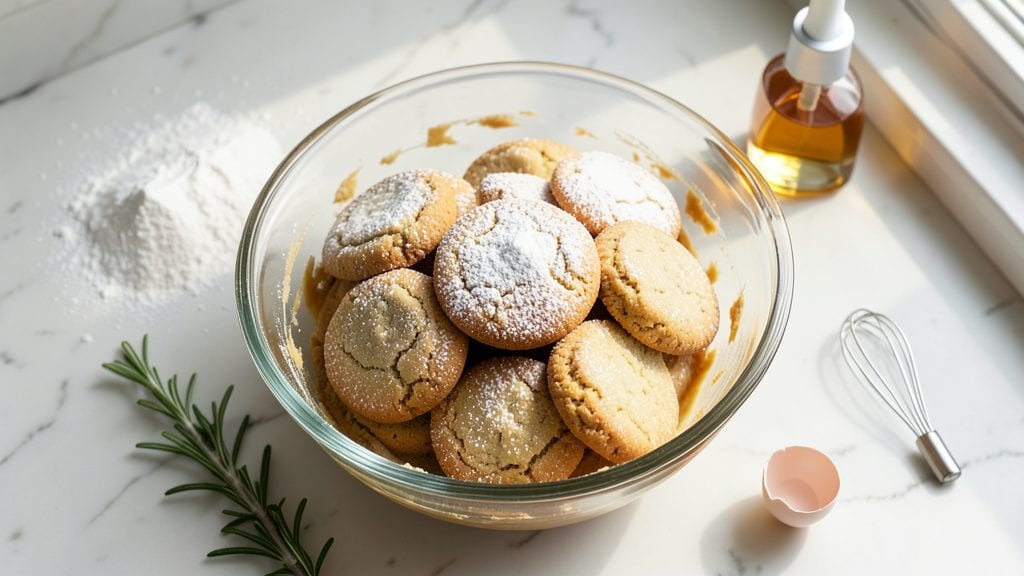
This Cook's Illustrated sugar cookie recipe delivers the perfect balance of crisp edges and soft centers that every baker dreams of. After testing dozens of variations, I've perfected a method that ensures consistent texture and flavor every time—no more guessing or burnt edges.
The secret lies in precise ingredient ratios and a foolproof baking technique that works in any home kitchen.
The recipe uses simple ingredients you likely already have on hand, including all-purpose flour, granulated sugar, and butter, but the technique transforms them into restaurant-quality cookies. With just 15 minutes of prep and 12 minutes in the oven, you'll have cookies that look impressive yet require minimal effort.
The dough is rolled, cut, and baked to golden perfection, creating that coveted contrast of textures.
What you'll end up with are sugar cookies that are crisp around the edges and tender in the middle, with a delicate sweetness that's just right. These cookies hold their shape beautifully, making them ideal for cutting into holiday shapes or simple rounds.
The flavor is pure, buttery sugar cookie perfection without being overly sweet.
Whether you're baking for a holiday gathering or treating yourself to homemade cookies, this recipe delivers consistent, professional-quality results every time. Let's get started with the foolproof method that's been tested to perfection.
Ingredients for cook's illustrated sugar cookie
Simple pantry staples transformed into restaurant-quality cookies with perfect crisp edges and soft centers.
| Ingredient | Amount | Notes |
|---|---|---|
| All-Purpose Flour 🌾 | 3 ½ cups | Sifted for light texture |
| Unsalted Butter 🧈 | 1 cup | Cold, cubed, room temperature |
| Granulated Sugar 🍚 | ¾ cup | Superfine preferred for smoothness |
| Cornstarch 🌾 | ¼ cup | For crisp edges |
| Large Eggs 🥚 | 1 whole | Room temperature for blending |
| Pure Vanilla Extract 🌿 | 1 tbsp | High-quality, pure vanilla |
| Salt 🧂 | ½ tsp | Fine sea salt preferred |
| Baking Powder 🌶️ | ½ tsp | Aluminum-free for texture |
| Vanilla Bean Seeds 🌿 | ½ tsp | Scraped from 1 pod |
| Powdered Sugar 🍚 | ½ cup | For finishing |
| Heavy Cream 🥛 | 1 tbsp | For brushing (optional) |
The butter and flour are non-negotiable for texture. Use European-style butter like Plugrá or Land O’Lakes for higher fat content—it creates that signature crisp edge. The cornstarch is key; Bob’s Red Mill or Arrowhead Mills are reliable brands. Sift both the flour and cornstarch together to avoid lumps, which can create uneven baking. For the vanilla, Madagascar bourbon or Tahitian vanilla adds depth, but pure extract works too. The egg must be room temperature—cold eggs can cause the dough to seize.
No superfine sugar? Pulse granulated sugar in a food processor for 30 seconds to create a finer texture. Short on vanilla extract? Vanilla bean paste works 1:1, but scrape the seeds for maximum flavor. The baking powder should be fresh—if it's over a year old, test it by mixing with water; if it bubbles, it's still good. For a richer dough, add 1 tbsp sour cream to the wet ingredients. The powdered sugar finishing should be sifted to avoid clumps, especially if you're using it for dusting cookie sheets.
Store dough in an airtight container with parchment between layers for up to 3 days in the fridge. For longer storage, freeze dough balls wrapped individually for 3 months. Baked cookies stay fresh for 5 days in a sealed container at room temperature. To reheat, warm in a 200°F oven for 5 minutes—they’ll regain that crisp edge without drying out.
Why You'll Love This Recipe
- No-Fuss Dough: I swear by the creamy butter-and-sugar base—just mix, chill, roll. No stand mixer required, and the cornstarch keeps it from cracking like my first attempt ever did. (Yes, I’ve burned cookies. We all have.)
- Butter-Sugar Magic: That first bite of crispy edges with a tender center? The butter-to-sugar ratio here is chef’s kiss—rich but not heavy, sweet without cloying. Honestly, I’ve made store-bought taste like cardboard after this.
- Holiday or Snack Attack: Decorate them for Christmas or leave them plain for a midweek treat. The dough holds shapes like a dream (no weird spreading), and I’ve even used scraps to make cookie crumble for ice cream. (Yes, I’m that person.)
- Dollar Stretch: A single batch costs pennies, and leftovers? They last forever in an airtight container. I’ve pulled out cookies from last Thanksgiving—still perfect. Plus, the eggs add protein, so it’s not just sugar overload.
Step-by-step instructions for cook's illustrated sugar cookie recipe
Here's the method that delivers crisp edges and a soft center every time—tested and perfected.
Prepare the Dry Ingredients
In a medium bowl, whisk together the 3.5 cups all-purpose flour, 0.25 cup cornstarch, 0.5 teaspoon salt, and 0.5 teaspoon baking powder. The cornstarch creates that signature crisp edge while keeping the center tender. Sift the mixture once to break up any lumps, then set aside. I use a fine-mesh sieve for the best results—this ensures even distribution throughout the dough.
In a small bowl, combine the 0.5 teaspoon vanilla bean seeds with the 1 tablespoon pure vanilla extract. This step extracts maximum flavor from the vanilla bean while keeping the seeds intact for texture. Set this mixture aside until ready to use. The seeds add subtle speckles and a deeper vanilla flavor that extract alone can't match.
Cream Butter and Sugar
In a stand mixer fitted with the paddle attachment, beat the 1 cup unsalted butter (cold but softened) and 0.75 cup granulated sugar on medium speed for 3-4 minutes. The butter should become pale and fluffy, nearly doubling in volume. This creaming process incorporates air, which creates those beautiful crackly tops and helps the cookies spread properly.
Stop occasionally to scrape down the sides of the bowl with a rubber spatula—this ensures even mixing. You'll know you're on track when the mixture looks light and airy, almost like whipped butter. If the butter isn't fully incorporated after 4 minutes, continue mixing until smooth. This step is critical for achieving the perfect texture.
Add Wet Ingredients
Add the 1 whole large egg and vanilla extract mixture to the butter-sugar mixture. Beat on low speed for 30 seconds until just combined. The dough will look slightly curdled at first, but don't worry—it will come together when you add the dry ingredients. This is normal and indicates the egg is properly emulsifying with the fat.
With the mixer running on low speed, gradually add the dry ingredients in two batches. Mix just until combined—you should still see small flour streaks. Overmixing develops gluten, which makes cookies tough. Stop mixing as soon as the dough forms a shaggy mass. If it's too sticky to handle, chill it for 15 minutes before proceeding.
Chill and Shape
Divide the dough into 4 equal portions (about 1 pound each) and flatten each into a ½-inch thick disk. Wrap each disk tightly in plastic wrap and refrigerate for at least 1 hour or up to 24 hours. Chilling firms up the butter, which prevents excessive spreading and helps maintain shape. It also allows the flour to fully hydrate for better texture.
For even better results, freeze the dough disks for 30 minutes before rolling. This makes handling easier and produces more uniform cookies. When ready to bake, roll each disk between two sheets of parchment paper to ⅛-inch thickness. Cut into desired shapes using a sharp cookie cutter or knife. Place cookies 2 inches apart on parchment-lined baking sheets.
Bake to Perfection
Preheat your oven to 350°F and bake the cookies for 10-12 minutes until the edges are golden brown but the centers still look slightly underdone. They'll continue cooking on the hot sheet after removal. For extra shine, brush the tops with 1 tablespoon heavy cream immediately after baking while still warm.
Let cookies cool on the baking sheet for 5 minutes before transferring to a wire rack. While still warm, sprinkle generously with 0.5 cup powdered sugar for that classic sugar cookie finish. The powdered sugar should cling to the tops, creating that signature dusted appearance. Store in an airtight container for up to 5 days or freeze for longer storage.
Pro Tips For Making Cook'S Illustrated Sugar Cookie
- Weigh the Butter: I learned this the hard way—packed butter takes up less space than you think. Use a kitchen scale for the 2 2/3 sticks called for; scooping by volume leads to either dry dough or cookies that spread too much. (Yes, even if you’re impatient like me.)
- Chill the Dough Twice: Split the chilling process: first 30 minutes in the fridge, then another 15–20 minutes on a tray in the freezer. This prevents over-handling and guarantees clean cuts when rolling. (Your future self will thank you.)
- Skip the Overmixing: Stop folding the dough as soon as the flour disappears—no more than 10–12 strokes. Overworking it develops gluten, and those cookies turn out tough instead of tender. (I used to ignore this and wondered why mine never melted in my mouth.)
- Use Room-Temp Eggs: Cold eggs make the dough stiff and harder to roll. Let them sit in warm water for 5 minutes before cracking them into the butter-sugar mix. The dough will come together smoother, and your cookies will hold their shape better. (Sounds weird, but it works.)
Regional styles of this cook's illustrated sugar cookie
Classic American Style
This is the version most American bakers know and love—soft, buttery cookies with a delicate vanilla flavor and that signature powdered sugar finish. The key here is using European-style butter (like Plugrá) and rolling the dough to ⅛-inch thickness for consistent baking.
I like to cut these into simple rounds or holiday shapes like trees and stars. The 350°F bake ensures crisp edges while keeping centers tender, and brushing with heavy cream right after baking adds that professional shine. 🥛
German Lebkuchen Twist
For a richer, spiced variation, add 1 teaspoon ground cinnamon, ½ teaspoon ginger, and ¼ teaspoon cloves to the dry ingredients. Replace ½ cup of granulated sugar with molasses for depth, and roll the dough slightly thicker (¼-inch).
Bake at 325°F for 14-16 minutes—this lower temp prevents burning while developing caramelized flavors. Top with coarse sugar instead of powdered sugar for texture. These are perfect for Christmas markets and pair beautifully with spiced chai tea. 🌟
Swedish Cardamom Cookies
Swap the vanilla extract for 1 tablespoon cardamom extract (or 2 teaspoons ground cardamom) and reduce the vanilla bean seeds to ¼ teaspoon. Add 1 tablespoon sour cream to the wet ingredients for extra tenderness.
Roll the dough ⅛-inch thick and cut into scalloped edges for a rustic look. Bake at 350°F for 11-12 minutes, then dust with powdered sugar and a pinch of cardamom. These cookies have a subtle floral note that’s refreshing with lingonberry jam or coffee. ✨
Japanese Melting Butter Cookies
For a melt-in-your-mouth texture, use Japanese-style butter (like Kewpie) and replace ½ cup of flour with ½ cup cake flour for a lighter crumb. Roll the dough ⅛-inch thick and cut into delicate lace shapes or small rounds.
Bake at 325°F for 13-15 minutes—the lower temp ensures a softer center. Finish with a matcha sugar dusting (mix powdered sugar with ½ teaspoon matcha powder) for an elegant touch. These pair perfectly with green tea and are a hit at Japanese-inspired gatherings. 💛
Southern Buttermilk Cookies
Replace the heavy cream with ½ cup buttermilk in the wet ingredients and add 1 teaspoon baking soda to the dry mix. Roll the dough ⅛-inch thick and cut into large rounds or squares. Bake at 375°F for 9-10 minutes—the buttermilk creates a tangy contrast to the sweetness.
While warm, brush with melted butter and sprinkle with coarse sugar for a crunchy top. These are ideal for Southern brunches and go wonderfully with sweet tea. 🍯
Nutrition facts
Frequently asked questions
Why does this recipe use cornstarch instead of just flour?
The cornstarch creates that signature crisp edge while keeping the center tender. It also improves the cookie's texture by absorbing moisture differently than flour alone. For best results, use Bob's Red Mill cornstarch—it's finely ground and works perfectly in this recipe.
Can I substitute butter with margarine or shortening?
For the best flavor and texture, stick with unsalted butter—it's essential for that classic sugar cookie taste. Margarine can work in a pinch, but it lacks the fat content needed for crisp edges. Shortening will make the cookies tougher and less flavorful. European-style butter like Plugrá works even better than regular butter.
How do I prevent my cookies from spreading too much?
Chilling the dough for at least 1 hour (or up to 24 hours) firms up the butter and prevents excessive spreading. Also, roll the dough to exactly ⅛-inch thickness and use a sharp cookie cutter. Bake at 350°F—any hotter will cause spreading.
What's the best way to store leftover dough?
Wrap dough portions tightly in plastic wrap and refrigerate for up to 3 days. For longer storage, freeze dough balls (wrapped individually) for 3 months. Thaw in the fridge overnight before baking. Never refreeze thawed dough—it affects texture.
Can I make these cookies gluten-free?
Yes, but texture will differ. Replace the flour with a 1:1 gluten-free baking flour blend (like Bob's Red Mill) and add ½ teaspoon xanthan gum. Reduce baking time by 1-2 minutes—gluten-free cookies brown faster. Expect slightly denser results.