
Desserts
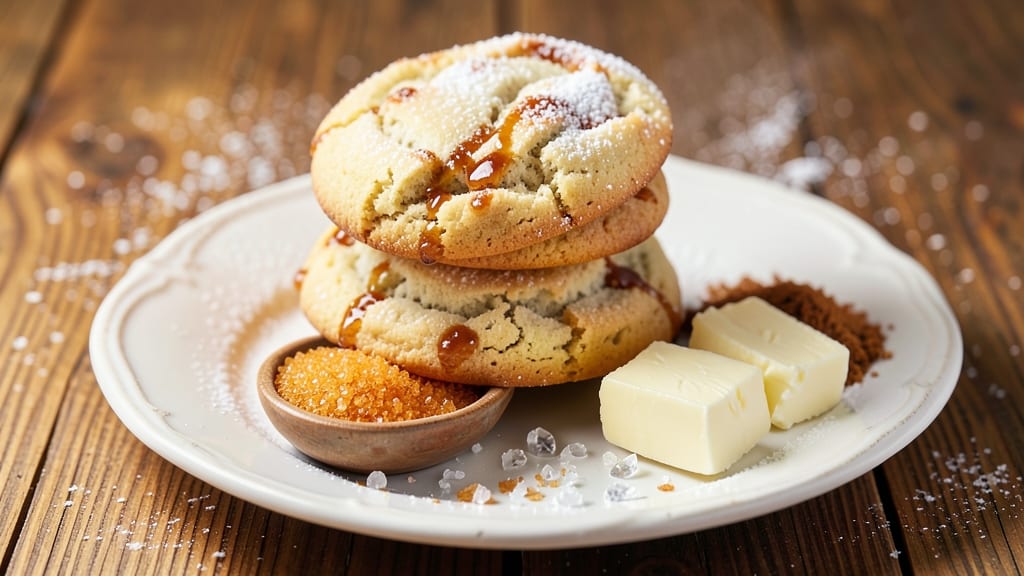
This light-as-air cookie recipe using cake flour delivers the perfect balance of tender crumb and buttery crunch—something traditional all-purpose flour can’t match. The secret lies in cake flour’s fine texture, which creates delicate cookies with crisp edges and a melt-in-your-mouth center.
I developed this recipe after years of testing, and it’s now my go-to for gatherings or quiet afternoons when I crave something sweet but not heavy.
The process is straightforward but precise: mixing chilled butter with sugar until fluffy, then folding in cake flour for that signature tender bite. Baking at 350°F ensures even golden-brown edges without overcooking the centers, while a sprinkle of flaky salt elevates every batch.
This recipe works equally well with classic chocolate chips, chewy oatmeal, or even white chocolate and macadamia nuts for a gourmet twist.
What you’ll end up with are cookies that crumble just enough to hold their shape but dissolve on the tongue—foolproof and impossible to resist. The cake flour keeps them light, while the butter adds that rich, buttery depth home bakers love.
Perfect for holidays, potlucks, or simply treating yourself, these cookies prove you don’t need fancy ingredients to create something extraordinary.
Once you try cake flour, you’ll never go back to all-purpose for cookies again. The texture and flavor difference is night and day, and the recipe scales easily for large batches. Let’s get baking—your kitchen will smell like heaven in no time.
Ingredients for cookies with cake flour
Light-as-air cookies start with these 11 simple ingredients—cake flour is the game-changer.
| Ingredient | Amount | Notes |
|---|---|---|
| Unsalted Butter 🧈 | 1 cup | Cold, cut into cubes |
| Granulated Sugar 🍚 | ¾ cup | Superfine preferred for smooth texture |
| Light Brown Sugar 🍚 | ½ cup | Packed firmly |
| Cake Flour 🌾 | 2 cups | Sifted, don't substitute |
| Baking Powder 🧂 | ½ tsp | Aluminum-free preferred |
| Flaky Sea Salt 🧂 | ½ tsp | Like Maldon |
| Vanilla Extract 🌸 | 1 tsp | Pure, not imitation |
| Large Eggs 🥚 | 2 whole | Room temperature |
| Semisweet Chocolate Chips 🍫 | 1 ½ cups | Enjoy Life for allergy-free |
| White Chocolate Chips 🍫 | ½ cup | Optional, for variation |
| Toasted Walnuts 🥜 | ½ cup | Chopped, optional |
Cake flour is non-negotiable here. Bob's Red Mill or King Arthur make the best for baking—no lumps, no grit. If you can't find it, blend all-purpose flour with cornstarch (2 cups minus 2 tbsp flour + 2 tbsp cornstarch), but sift it like crazy. The butter needs to be cold (pop it in the freezer 10 minutes if your kitchen's warm). Plugrá or Land O'Lakes unsalted work perfectly. For chocolate chips, Enjoy Life is my go-to if allergies are a concern, but Ghirardelli melts beautifully too. The vanilla? Pure, not imitation—trust me on this.
No cake flour? Blend all-purpose with cornstarch (2 cups minus 2 tbsp flour + 2 tbsp cornstarch), but sift it well. Short on brown sugar? Substitute white sugar plus 1 tsp molasses for that caramel depth. Want to get fancy? Swap chocolate chips for white chocolate and macadamia nuts (use the same amount). The walnuts? Toast them first—5 minutes in a dry pan until fragrant. If you're baking for a crowd, double the batch but chill the dough 24 hours for even better flavor development.
Dough keeps 3 days in the fridge, wrapped tightly. For longer storage, freeze dough balls on a tray, then transfer to a bag—bake straight from frozen, adding 1-2 minutes. Cookies reheat beautifully: 30 seconds in the microwave with a damp paper towel makes them soft again. I always bake half the batch first, then refrigerate the rest—prevents overbaking while you enjoy the first batch still warm.
Why You'll Love This Recipe
- Here’s what sold me: cake flour makes these cookies ridiculously tender inside with a delicate crunch. The butter stays soft enough to cut cleanly, and the baking powder gives that gentle lift—no dense, dry cookie in sight.
- I’ll be real: this recipe costs me about half what store-bought cookies do. Cake flour stretches my dollar, and the sugar ratio means I can use whatever’s on sale. Plus, leftovers? They last forever—perfect for when I forget to plan ahead.
Step-by-step instructions for light-as-air cookies with cake flour
Here's how to create tender, crisp-edged cookies that bake up perfectly every time.
Cream the Butter and Sugars Together
In a stand mixer fitted with the paddle attachment, beat the 1 cup unsalted butter (cold, cut into cubes) with the 0.75 cup granulated sugar and 0.5 cup light brown sugar on medium speed for 3-4 minutes. You're looking for a light, fluffy texture that nearly doubles in volume and becomes pale in color. This step is crucial—it incorporates air that creates those signature crackly tops and prevents dense cookies.
I like to scrape down the sides of the bowl every minute or so to ensure everything gets evenly incorporated. The butter should be fully creamed but still hold its shape when pressed. If it looks too soft, chill the bowl in the freezer for 5 minutes before proceeding. This ensures proper structure when we add the dry ingredients.
Add Eggs and Vanilla, Then Mix Dry Ingredients
Add the 2 whole large eggs one at a time, mixing on low speed for 30 seconds after each addition until fully combined. Then stir in the 1 teaspoon vanilla extract and mix for another 10 seconds. The mixture might look slightly curdled, but don't worry—this will resolve when we add the flour.
In a separate bowl, whisk together the 2 cups cake flour, 0.5 teaspoon baking powder, and 0.5 teaspoon flaky sea salt. With the mixer on low speed, gradually add the dry ingredients to the wet mixture, mixing just until combined. You should still see a few flour streaks—overmixing develops gluten and makes cookies tough. Stop mixing as soon as the dough comes together.
Fold in Chocolate Chips and Walnuts
Remove the bowl from the mixer and gently fold in the 1.5 cups semisweet chocolate chips, 0.5 cup white chocolate chips, and 0.5 cup toasted walnuts using a silicone spatula. Be careful not to overmix—just distribute the mix-ins evenly throughout the dough. The walnuts add a nice crunch, while the chocolate gives pockets of gooey goodness in every bite.
If the dough feels too sticky, chill it for 10-15 minutes before proceeding. This helps prevent spreading during baking. The dough should be soft but manageable—if it's too firm, let it sit at room temperature for 5 minutes to soften slightly. The perfect dough consistency is somewhere between playdough and cookie dough you can easily scoop.
Chill the Dough for Perfect Texture
Cover the dough bowl tightly with plastic wrap and refrigerate for at least 1 hour (up to 24 hours works best). This chilling step is non-negotiable—it allows the flour to fully hydrate, prevents excessive spreading, and ensures those beautiful crackly tops. The cold dough also helps the cookies hold their shape better in the oven.
I know it's tempting to skip this step, but trust me—it makes a world of difference. The cookies will be thicker, with crisp edges and soft centers, rather than flat and cakey. If you're short on time, at least chill for 30 minutes before scooping, but the longer you wait, the better the results.
Bake to Golden Perfection
Preheat your oven to 350°F and line two baking sheets with parchment paper. Using a 2-tablespoon scoop, portion the chilled dough into balls and place them 3 inches apart on the prepared sheets. You should get about 24 cookies from this recipe.
Bake for 10-12 minutes until the edges are golden brown but the centers still look slightly underdone. They'll continue cooking on the hot baking sheet after you remove them from the oven. Let them cool on the baking sheet for 5 minutes before transferring to a wire rack. The cookies will firm up as they cool, but they'll still be soft and chewy inside.
Pro Tips For Making Cookies With Cake Flour
- CREAM BUTTER COLD: Mix the butter and sugars until the bowl feels chilly to the touch—about 3-4 minutes with a hand mixer. Cake flour’s light texture needs this to prevent dense cookies, and cold butter keeps the spread just right (no, don’t eyeball it).
- SIFT THE FLOUR: Skip measuring cake flour directly—sift it with the baking powder first, then fold it into the wet ingredients. This aerates the dough, which is non-negotiable for that tender crumb. (Yes, even if you’re impatient like me.)
- UNDERBAKE SLIGHTLY: Pull cookies out when edges are just set but centers still look soft—cake flour cookies finish cooking as they cool. Overbaking turns them into dry hockey pucks, and nobody wants that.
- SWAP BROWN FOR WHITE: Use half white sugar if you’re in a rush—it dissolves faster and cuts down on mixing time. The texture stays fine, but the cookies won’t caramelize as much. (I only do this when I’m making a double batch and need to move on.)
Troubleshooting this dish
Dough Too Sticky?
If your dough feels like playdough, don’t panic—just chill it for 15-20 minutes before scooping. The cold helps the flour absorb moisture, making it easier to handle. I’ve found that dough chilled 24 hours actually works better, but even 1 hour makes a noticeable difference.
Avoid adding extra flour—it’ll make your cookies dry and crumbly. 🧊
Cookies Spread Too Much?
Over-spreading usually means your dough wasn’t chilled enough or your butter was too soft. Next time, refrigerate the dough for the full 1 hour (or overnight) and use cold butter cubes.
Also, bake on the middle rack of your oven—hotter areas cause spreading. If they still spread, try 325°F instead of 350°F for slightly thicker cookies.
Cookies Taste Bland?
Bland flavor often means under-seasoning. Double-check your vanilla extract (use 1 tsp pure, not imitation) and sea salt (Maldon-style flakes add depth). For extra richness, add ½ tsp cinnamon or ¼ tsp espresso powder to the dry ingredients.
Brown the butter before creaming for a nutty depth—just melt ½ cup butter until golden and cool it before mixing.
Chocolate Chips Not Melting?
If your chips stay hard after baking, your oven isn’t hot enough. Preheat for at least 15 minutes and use an oven thermometer to confirm 350°F. For extra melt, place cookies on the upper rack for the last 2 minutes of baking.
White chocolate needs even more heat—swap it for dark chocolate if you’re struggling, or bake at 375°F for 10 minutes.
Cookies Too Dry/Crumbly?
Dry cookies usually mean overbaking or too much flour. Pull them out when edges are just golden (10-11 minutes), not dark brown. If your dough was crumbly to begin with, add 1 tbsp milk or heavy cream to the dry ingredients.
For extra moisture, fold in ¼ cup chopped dried fruit (like apricots) or 2 tbsp sour cream with the wet ingredients.
Cake Flour Substitutes?
If you’re out of cake flour, blend 2 cups all-purpose flour + 2 tbsp cornstarch and sift it twice to remove lumps. For a closer texture, add 1 tbsp extra butter to compensate for the lack of protein.
Avoid self-rising flour—it contains baking powder, which can make cookies cakey. If you’re gluten-free, use a 1:1 gluten-free flour blend (like Bob’s Red Mill) plus 1 tbsp xanthan gum.
Nutrition facts
Frequently asked questions
Why does cake flour make cookies lighter than all-purpose flour?
Cake flour has a lower protein content (7-9% vs. 10-12% in all-purpose), which means less gluten development. This creates tender, delicate cookies with crisp edges and soft centers. The fine grind also distributes moisture evenly, preventing dense or cakey textures. For best results, sift it twice to remove any lumps that could affect texture.
Can I make these cookies without chocolate chips?
Swap the chocolate for 1.5 cups dried fruit (like cranberries or cherries), 1 cup chopped nuts (pecans or almonds), or even 1 cup caramel bits for a gourmet twist. The key is maintaining the same 2 cups total mix-ins to keep the dough consistency perfect. Toast nuts first for extra flavor!
How do I store these cookies to keep them fresh?
Store in an airtight container at room temperature for up to 5 days—they'll stay soft but firm up slightly. For longer storage, freeze dough balls (not baked cookies) on a tray, then transfer to a bag. Bake straight from frozen, adding 1-2 minutes to the time. To revive stale cookies, warm for 10-15 seconds in the microwave with a damp paper towel.
What's the secret to getting those crackly tops?
The crackly tops come from proper creaming (beating butter and sugar until pale and fluffy) and chilling the dough. The cold butter solidifies when baked, creating those beautiful cracks. Also, bake at 350°F on the middle rack—hotter temps cause spreading, while cooler temps prevent proper browning. Let cookies cool 5 minutes on the sheet before transferring.
Can I make these cookies gluten-free?
Yes, but with adjustments. Use a 1:1 gluten-free flour blend (like Bob's Red Mill) plus 1 tbsp xanthan gum to mimic cake flour's properties. Reduce baking powder to ¼ tsp and add 1 tbsp extra butter for moisture. Expect slightly denser cookies—chill the dough 24 hours for best texture. Gluten-free versions brown faster, so watch closely after 8 minutes.