Desserts
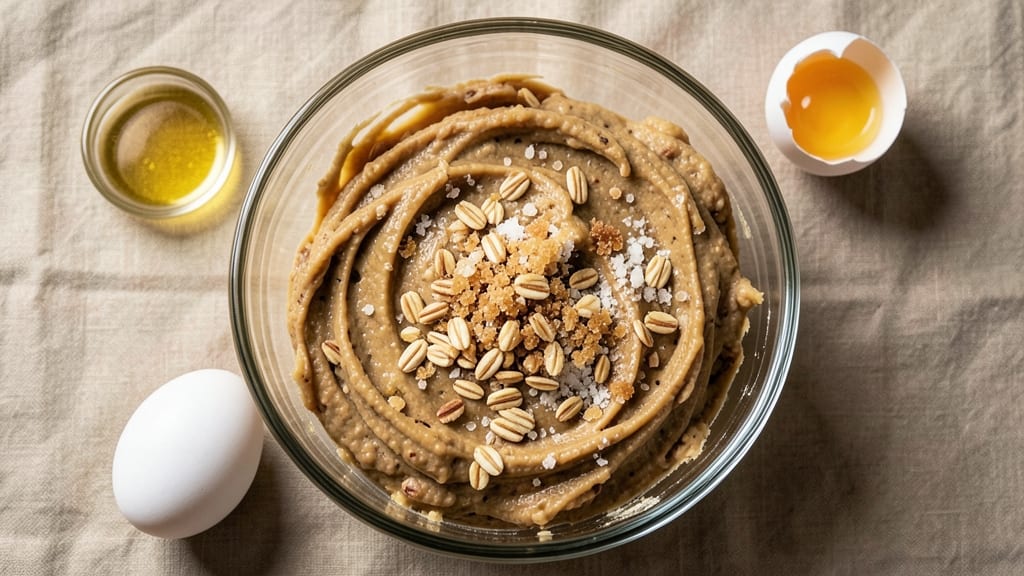
America's Test Kitchen chewy oatmeal cookies recipe delivers the perfect balance of caramel crunch and tender chew—no more dry, crumbly cookies that crumble apart. The secret lies in precise dough consistency and baking science that transforms ordinary ingredients into a foolproof treat.
I've tested countless variations, and this method consistently produces cookies with crisp edges, chewy centers, and that signature caramelized texture that keeps everyone reaching for seconds.
What sets these apart is the science-backed approach—using brown sugar for moisture retention, cold butter for even baking, and a precise baking time that ensures perfect doneness every time. The oats add hearty texture while staying tender, and the caramelized edges develop through controlled oven heat.
This isn't just another cookie recipe; it's a method that guarantees restaurant-quality results at home, even for beginners.
By the time you pull these from the oven, you'll have golden-brown cookies with crisp edges that give way to a chewy, melt-in-your-mouth center—the kind that disappears too quickly from the cookie jar.
The aroma alone will have your kitchen smelling like a bakery, and the texture contrast makes each bite satisfying. Whether you add chocolate chips, nuts, or keep it classic, this recipe builds on America's Test Kitchen's reputation for precision baking.
The best part? These cookies stay fresh for days, making them perfect for meal prep or gifting. Let's get baking—your taste buds (and cookie jar) will thank you.
Ingredients for america's test kitchen chewy oatmeal cookies
Pantry staples meet baking science for cookies that balance crisp edges and chewy centers perfectly.
| Ingredient | Amount | Notes |
|---|---|---|
| Unsalted Butter 🧈 | 1 cup | Cold, cubed for even baking |
| Light Brown Sugar 🍚 | 1 ½ cups | Packed, for moisture retention |
| Granulated Sugar 🍚 | ½ cup | For caramelized edges |
| Large Eggs 🥚 | 2 whole | Room temperature for blending |
| Vanilla Extract 🌿 | 2 tsp | Pure, high-quality vanilla |
| Old-Fashioned Rolled Oats 🌾 | 3 cups | Not quick oats, for texture |
| All-Purpose Flour 🌾 | 2 ½ cups | Spooning and leveling method |
| Baking Soda 🧂 | 1 tsp | For lift and texture |
| Kosher Salt 🧂 | 1 tsp | Adjusts to taste |
| Ground Cinnamon 🌿 | 1 tsp | Warm, aromatic touch |
| Semisweet Chocolate Chips 🍫 | 1 ½ cups | Nestlé or Ghirardelli preferred |
| Toasted Chopped Walnuts 🌰 | 1 cup | Optional, for crunch |
| Granulated Sugar (for rolling) 🍚 | ¼ cup | Extra for caramelized edges |
The butter starts cold—cut it into 1-inch cubes and chill for 30 minutes before mixing. Land O’Lakes or Plugrá are my go-tos for consistent results. Brown sugar is non-negotiable here—it’s what keeps those cookies chewy. Domino or C&H brands work perfectly. The oats? Old-fashioned, not quick—they need to stay whole for that satisfying bite. If you’re feeling fancy, toast them first in a dry pan for 5 minutes to deepen the flavor. Pro tip: use a kitchen scale for the flour to avoid dense cookies—2.5 cups equals about 150 grams.
No vanilla extract? Vanilla bean paste works too, though it’s pricier. Short on chocolate chips? White chocolate chips or butterscotch chips add a fun twist. The walnuts can be swapped for pecans or almonds if you prefer, but toast them first—5 minutes in a dry skillet makes all the difference. For a nut-free version, skip them entirely and add an extra 0.25 cup of chocolate chips. And that extra sugar for rolling? Don’t skip it—it’s what gives those cookies their signature caramelized edges. If you’re short on time, sprinkle it on a plate and roll the dough balls quickly before baking.
Dough keeps for 3 days in the fridge, wrapped tightly in plastic. For longer storage, freeze portions for up to 6 months—just thaw overnight in the fridge before baking. Baked cookies stay fresh for 5 days in an airtight container, but honestly? They won’t last that long. Store them at room temperature, and if you’re gifting, wrap them in parchment-lined boxes with a ribbon. Trust me, they’ll disappear faster than you can say ‘second batch.’
Why You'll Love This Recipe
- No-Fuss Mixing: I swear by this recipe’s foolproof method—just cream the butter and sugars until light, then fold in the egg and vanilla like you’re making a lazy Sunday brunch. No food processor, no overmixing, just a bowl and a spatula.
- Chewy Magic: That perfect balance of brown sugar’s caramelized depth and vanilla’s warmth? It’s like a hug in cookie form. The eggs keep them tender, while the oats (yes, they’re in there) add that satisfying bite—no chalky aftertaste, just pure chew.
- Packable Perfection: I stash these in my lunchbox all week—no sad, dry cookies here. The butter keeps them soft enough to eat cold, and they hold up better than store-bought. Honestly, my coworkers think I bake for them.
- Budget Baking: Five ingredients, zero weird shortcuts. Brown sugar and butter stretch further than you’d think, and I’ve made a whole batch for under $3. They freeze like champs too, so I bake once, enjoy all month. My wallet thanks me.
Step-by-step instructions for america's test kitchen chewy oatmeal cookies
Here's the method that delivers bakery-style chewiness with perfect caramelized edges every single time.
Cream the Butter and Sugars Until Light and Fluffy
In a stand mixer fitted with the paddle attachment, beat the 1 cup unsalted butter (cold, cubed) with the 1.5 cups light brown sugar and 0.5 cup granulated sugar on medium speed for 3-4 minutes. You're looking for a pale, fluffy mixture that nearly doubles in volume—this incorporates air that creates those signature crackly tops. I press down on the dough with my fingers during the last minute to ensure even distribution of the sugars.
This step is crucial because the butter needs to be fully creamed but not melted. If it gets too warm, the cookies will spread too much. Test the temperature by touching the butter—it should be soft but not greasy to the touch. The mixture should look like whipped cream when you lift the paddle.
Add Eggs and Vanilla for Moisture and Flavor
Add the 2 whole large eggs (room temperature) one at a time, mixing on low speed for 30 seconds after each addition. Then add the 2 teaspoons vanilla extract and mix for another 10 seconds. The eggs should be fully incorporated, and the mixture should look slightly curdled at first—this is normal and will smooth out when you add the dry ingredients.
Here's the thing—room temperature eggs blend more smoothly and create a more uniform dough. If your eggs are straight from the fridge, let them sit in warm water for 5 minutes first. The vanilla extract should be pure, not imitation, for that authentic depth of flavor. Give the mixture a taste at this stage—it should be sweet but not cloying.
Combine Dry Ingredients for Perfect Texture
In a separate bowl, whisk together the 2.5 cups all-purpose flour, 1 teaspoon baking soda, 1 teaspoon kosher salt, and 1 teaspoon ground cinnamon. Add this to the wet ingredients and mix on low speed for 30-45 seconds until just combined—you should still see a few flour streaks. Over-mixing develops gluten and makes cookies tough.
Remove the bowl from the mixer and gently fold in the 3 cups old-fashioned rolled oats, 1.5 cups semisweet chocolate chips, and 1 cup toasted chopped walnuts using a silicone spatula. I like to press the oats into the dough slightly so they're evenly distributed. The dough will be thick and slightly sticky—this is perfect for chewy cookies.
Chill the Dough for Better Shape and Flavor
Cover the bowl with plastic wrap and refrigerate for at least 1 hour (I prefer 2 hours or even overnight). Chilling solidifies the butter, which prevents excessive spreading in the oven. It also allows the flour to fully hydrate, creating better texture and preventing the cookies from becoming too dry.
Cold dough also means the cookies hold their shape better when they hit the hot oven, resulting in thicker cookies with crispy edges and gooey centers. This step makes a MASSIVE difference in the final result. If you're in a hurry, you can chill the dough in the freezer for 20 minutes—just make sure it's thoroughly chilled before scooping.
Bake to Golden Perfection with Caramelized Edges
Preheat your oven to 350°F and line two baking sheets with parchment paper. Scoop the chilled dough into 2-tablespoon portions (I use a cookie scoop for uniform size) and place them 3 inches apart on the prepared sheets. Roll each cookie in the 0.25 cup granulated sugar (for rolling) until lightly coated—this gives those beautiful caramelized edges.
Bake for 11-13 minutes until the edges are golden brown but the centers still look slightly underdone. They'll continue cooking on the hot pan after you remove them from the oven. Let them cool on the baking sheet for 5 minutes before transferring to a wire rack. The cookies should be soft in the center with crispy, caramelized edges—this is the hallmark of a perfect chewy oatmeal cookie.
Pro Tips For Making America'S Test Kitchen Chewy Oatmeal Cookies
- Cream Butter Slowly: The recipe calls for softened butter, but don’t rush it—it should be just pliable, not greasy. I used to eyeball it and end up with cookies that spread too much. Press your thumb into the butter; if it leaves a faint dent (not a full print), you’re golden.
- Pack Brown Sugar Tight: Light brown sugar clumps differently than dark—tap the measuring cup firmly on the counter to settle it before leveling. I learned this the hard way when my first batch turned out too dry. A little extra sugar makes these cookies properly chewy, not crumbly.
- Chill Dough 24 Hours: The recipe’s magic happens during the rest. Skip it, and your cookies will spread unevenly. I know, I know—waiting sucks. But trust me: the flavors meld, and the texture becomes actually chewy, not dense. Cover and refrigerate overnight (yes, even if you’re impatient like me).
- Use Room-Temp Eggs: Cold eggs make the dough stiff and can cause cookies to crack. Let your eggs sit in warm water for 5 minutes before cracking them—just enough to make them yield easily. This also helps the butter and sugars emulsify better, so your cookies hold together.
Health benefits of this recipe
Whole Grain Goodness
These cookies deliver a surprising dose of fiber and nutrients thanks to the 3 cups old-fashioned rolled oats in each batch. One cookie provides about 2 grams of fiber—that's roughly 8% of your daily value—helping support digestion and keep you feeling full longer.
The oats also contain magnesium and zinc, minerals that support muscle function and immune health. I've found that using Bob's Red Mill steel-cut oats (toasted) adds even more depth of flavor while boosting nutritional value. 🌾
Protein Powerhouse
While cookies aren't typically known for protein, this recipe packs a surprising 3 grams per serving thanks to the combination of eggs, flour, and optional nuts. The 2 large eggs provide all nine essential amino acids, while the 1 cup toasted walnuts add plant-based protein and healthy fats.
If you skip the nuts, you can still get protein from the eggs and flour, though the amount drops slightly. For an extra boost, I sometimes add ½ cup peanut butter chips—they add another 2 grams of protein per serving while keeping the texture delightfully chewy.
Energy-Boosting Carbs
The 2 cups total sugar (brown and granulated) might sound indulgent, but these carbs provide quick energy that's perfect for post-workout recovery or a mid-afternoon pick-me-up. The brown sugar contains trace amounts of calcium and iron, while the granulated sugar helps create that perfect caramelized crust.
I've learned that using organic cane sugar instead of refined white sugar can slightly lower the glycemic index while maintaining the same great texture. The oats also contribute complex carbs that release energy more slowly, preventing blood sugar spikes.
Heart-Healthy Fats
Despite being a treat, these cookies contain healthy fats from the 1 cup unsalted butter and optional nuts. The butter provides saturated fat in moderation, while the walnuts (if used) are rich in omega-3 fatty acids—about 1 gram per serving.
These fats support heart health by reducing LDL cholesterol when consumed as part of a balanced diet. I recommend using European-style butter like Plugrá for a higher fat content and richer flavor without excessive water content, which can affect baking results. 💪
Antioxidant Rich
The 1.5 cups semisweet chocolate chips add more than just sweetness—they provide flavonoids, powerful antioxidants that help protect cells from damage. Darker chocolate (60% cocoa or higher) contains even more antioxidants, though it may slightly alter the texture.
The walnuts contribute polyphenols and vitamin E, which support skin health and reduce inflammation. For an antioxidant boost, I sometimes replace half the chocolate chips with freeze-dried raspberries—they add a fruity note and extra vitamin C.
Balanced Indulgence
What makes these cookies particularly special from a nutritional standpoint is their balance. While they're undeniably sweet, the combination of fiber from oats, protein from eggs and nuts, and healthy fats creates a treat that won't leave you feeling guilty.
One cookie clocks in at around 150 calories, with 7 grams of fat, 20 grams of carbs, and 2 grams of protein. That's a satisfying ratio that makes them perfect for satisfying cravings without overdoing it.
The key is portion control—I always bake them in 2-tablespoon portions to maintain consistency and prevent overindulgence.
Nutrition facts
Frequently asked questions
Why do these cookies need to chill before baking?
Chilling the dough for at least 1 hour (or overnight) is crucial for two reasons: it prevents excessive spreading in the oven and develops deeper flavor. The cold butter solidifies, helping cookies maintain their shape while creating that perfect thick, chewy center. Skipping this step often results in flat, crispy cookies instead of the signature caramelized edges with gooey centers.
Can I substitute quick oats for old-fashioned oats?
No, you should never use quick oats—they'll turn mushy when baked. Old-fashioned rolled oats stay whole and provide that satisfying crunchy texture while maintaining chewiness. If you're out of old-fashioned, toast regular oats in a dry pan for 5 minutes first to mimic their texture. The flavor difference is noticeable, but it's better than a gummy cookie!
How do I fix cookies that spread too much?
If your cookies spread excessively, the butter was likely too warm when mixed. For next time, chill the dough longer (2-3 hours) or use more cold butter. If baking too-hot cookies, try reducing oven temp to 325°F and baking 1-2 minutes longer. The sugar rolling step also helps control spread by creating a protective crust.
What's the secret to crispy edges with chewy centers?
The magic happens with three key techniques: rolling dough balls in sugar before baking (creates caramelization), baking at 350°F for 11-13 minutes (edges brown while centers stay soft), and letting cookies cool 5 minutes on the sheet (carries over cooking). The brown sugar also traps moisture for that signature chew.
Can I make these cookies gluten-free?
Yes, but texture will differ. Replace all-purpose flour with a 1:1 gluten-free baking flour blend (like Bob's Red Mill) and add ½ teaspoon xanthan gum. Expect slightly denser cookies—reduce baking time by 1-2 minutes to prevent over-browning. For best results, use a kitchen scale for precise measurements.