Desserts
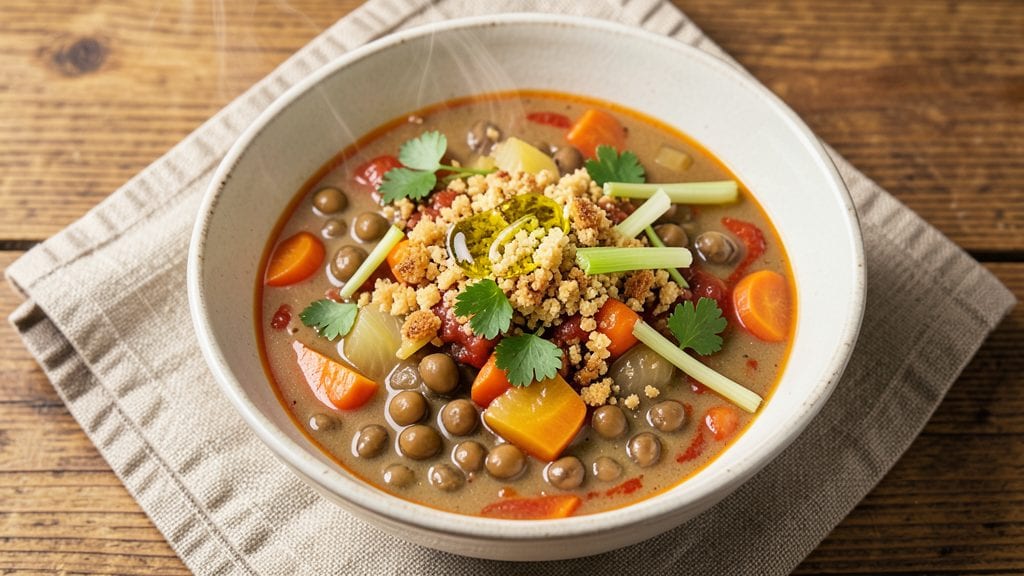
Cookie and Kate's lentil soup recipe delivers the cozy warmth of a vegan one-pot dish that's rich, hearty, and surprisingly simple to make. I first discovered this recipe during a particularly chilly Portland winter when I needed a meal that could feed my family without relying on meat.
The secret lies in the perfect balance of earthy lentils, aromatic vegetables, and a blend of spices that creates depth without overpowering.
What makes this soup truly special is its versatility—it works as a comforting weeknight dinner or as a make-ahead meal for busy schedules. The lentils cook down to a tender yet substantial texture, while the carrots and celery add natural sweetness that rounds out the savory flavors.
A touch of tomato paste deepens the color and enhances the umami, making every spoonful satisfying. The best part? It all comes together in a single pot, with minimal cleanup afterward.
By the time you're done, you'll have a hearty vegan soup that's creamy from blending a portion of the lentils, packed with plant-based protein, and bursting with flavor. The aroma alone will fill your kitchen with warmth, while the texture—smooth yet hearty—makes it a standout dish.
This is the kind of meal that feels like a hug in a bowl, perfect for sharing or savoring on your own.
Whether you're prepping for the week or craving a quick, nourishing dinner, this lentil soup delivers. The recipe scales easily, so you can make just enough for two or a crowd. Let's get started—your taste buds (and your freezer) will thank you.
Ingredients for cookie and kate lentil soup
Pantry staples and fresh veggies create this cozy vegan one-pot magic in minutes.
| Ingredient | Amount | Notes |
|---|---|---|
| Brown Lentils 🍲 | 1 ½ cups | Rinsed before cooking |
| Yellow Onion 🧅 | 1 whole | Diced, medium size |
| Carrots 🥕 | 2 cups | Diced, medium size |
| Celery Stalks 🌿 | 3 whole | Diced, medium size |
| Garlic Cloves 🧄 | 4 cloves | Minced, fresh preferred |
| Tomato Paste 🍅 | 2 tbsp | No sugar added preferred |
| Vegetable Broth 💧 | 4 cups | Low-sodium preferred |
| Canned Diced Tomatoes 🍅 | 1 can | 14.5 oz, no salt added |
| Extra-Virgin Olive Oil 🫒 | 2 tbsp | For sautéing |
| Ground Cumin 🌿 | 1 tsp | Toasted for depth |
| Ground Coriander 🌿 | 1 tsp | Freshly ground preferred |
| Turmeric Powder 🌶️ | ½ tsp | Bright yellow color |
| Salt 🧂 | 1 tsp | Adjust to taste |
| Black Pepper 🌶️ | ½ tsp | Freshly ground |
| Fresh Thyme Leaves 🌿 | ¼ cup | Chopped, or 1 tsp dried |
The lentils are the star—brown lentils hold their shape beautifully and pack serious protein. Trader Joe's and Whole Foods carry them in bulk bins, which is perfect if you're making this often. For the veggies, carrots and celery should be crisp, not rubbery—look for vibrant orange and pale green colors. The onion? Yellow or red both work, but yellow has a slightly sweeter flavor. Fresh thyme makes all the difference here—if you're using dried, one teaspoon equals a quarter cup of fresh. The garlic should smell pungent, not musty. If you're prepping ahead, chop all your veggies first and store them in airtight containers for up to 3 days.
No fresh thyme? Dried oregano works in a pinch—just use half the amount. Short on carrots? Sweet potatoes add natural sweetness and work beautifully. The tomato paste can be swapped for 1 cup crushed tomatoes if you prefer, but the paste gives that rich, concentrated umami flavor. Vegetable broth is non-negotiable here—chicken broth isn't vegan, and bouillon cubes often contain anchovies. Imagine or Pacific Foods brands are reliable for vegan options. The spices? Toast your cumin and coriander in a dry pan for 30 seconds before adding to the pot—it deepens the flavor instantly. No toasted spices? Regular ground works fine, but your soup will taste even better with that extra step.
This soup tastes even better the next day as the flavors meld together. Store leftovers in the fridge for up to 5 days or freeze for 3 months. For freezing, let it cool completely first, then portion into airtight containers. The texture changes slightly when reheated—it'll be creamier from the blended portion—but the flavor is even more developed. I like to make a big batch on Sundays so I have lunches ready for the week. The lentils and veggies keep their texture well after freezing, so it reheats like it was just made. Just give it a stir and warm through on the stove—no need for fancy equipment.
Why You'll Love This Recipe
- Here’s what sold me: I already had everything in my cupboard. Brown lentils, onions, carrots, celery—no specialty ingredients, no last-minute grocery runs. And because lentils are so budget-friendly, I can stretch this recipe to feed four for under $10. That’s a win for my wallet and my taste buds.
- No-Chop Shortcuts: I swear by this recipe because the lentils and veggies are so forgiving. Roughly chop the carrots and celery—no need for perfect dice—and the onions can go in whole if you're in a rush. The brown lentils soften beautifully without mushiness, so even if you forget to rinse them, it’ll still taste solid.
- Garlic-Kissed Depth: That moment when you crush fresh garlic into the simmering soup? Chef’s kiss. The cloves caramelize just enough to give it this warm, savory punch that lingers. Honestly, I’ve made this recipe with store-bought garlic powder before, but nothing beats the real thing—especially when paired with the earthy lentils and sweet carrots.
- Meal-Prep MVP: Between us, this is my go-to for lunches all week. The flavors actually improve after a day in the fridge—yes, even on a Tuesday night. I’ll make a big batch on Sunday, portion it out, and reheat it straight from the freezer. It’s hearty enough to feel like a meal, but light enough to not weigh you down.
Step-by-step instructions for cookie and Kate's lentil soup
Here's how to create this incredible vegan one-pot wonder that's packed with flavor and nutrition.
Sauté the Aromatic Vegetables
Heat the 2 tablespoons extra-virgin olive oil in a large pot over medium heat. Add the diced yellow onion, diced carrots, and diced celery stalks, stirring occasionally for 8-10 minutes until the vegetables soften and the onion becomes translucent. This is the foundation of your flavor—don't rush this step.
Once the vegetables are tender, add the minced garlic cloves and cook for another 1-2 minutes until fragrant. The garlic should sizzle gently but not burn—this is when your kitchen will smell amazing. I like to taste the vegetables at this point to check their sweetness and adjust seasoning if needed.
Stir in the Spices and Tomato Paste
Add the 2 tablespoons tomato paste, 1 teaspoon ground cumin, 1 teaspoon ground coriander, 0.5 teaspoon turmeric powder, 1 teaspoon salt, and 0.5 teaspoon black pepper to the pot. Stir everything together for 1-2 minutes until the spices are well incorporated and the tomato paste loses its raw taste.
This is where the magic happens—the spices will bloom and create that warm, earthy aroma that's the soul of this soup. The tomato paste helps thicken the soup and adds a rich depth of flavor. If you're using toasted cumin, you'll notice an even more complex aroma at this stage.
Add the Lentils and Liquid
Pour in the 1.5 cups brown lentils (make sure you've rinsed them first) and the 4 cups vegetable broth. Stir well to combine all the ingredients. Bring the mixture to a gentle boil, then reduce the heat to low, cover the pot, and let it simmer for 20 minutes. This initial simmer helps soften the lentils and vegetables.
After 20 minutes, add the 1 can canned diced tomatoes (with their juices) and the 0.25 cup fresh thyme leaves. Stir everything together and continue simmering, uncovered, for another 25-30 minutes until the lentils are tender but still hold their shape. The soup should be thick and hearty, but not too thick—it should coat the back of a spoon.
Adjust the Seasoning and Finish
Taste the soup and adjust the seasoning if needed. You might need a little more salt or pepper, or perhaps a splash of lemon juice to brighten the flavors. The soup should be rich, slightly sweet from the carrots, and deeply aromatic from the spices.
Let the soup sit off the heat for 5-10 minutes before serving. This resting time allows the flavors to meld together even more. Serve it warm with crusty bread or over a bed of greens for a complete meal. Each bowl will be packed with protein, fiber, and warmth—perfect for cozy nights in!
Pro Tips For Making Cookie And Kate Lentil Soup
- SOAK LENTILS 30 MINUTES: DESCRIPTION: I learned this the hard way—skipping the soak makes your soup gummy. Just 30 minutes in warm water cuts cooking time by half and keeps those lentils tender, not mushy. Drain before adding to the pot, no need to rinse.
- SWEEAT ONIONS LOW: DESCRIPTION: That onion base is the flavor anchor, so don’t rush it. Cook on medium-low for 8-10 minutes until it’s translucent and just starting to brown—no crispy bits. High heat burns them before the carrot-celery blend gets sweet.
- CHOP VEGETABLES EVENLY: DESCRIPTION: Uneven celery and carrots mean some cook to mush while others stay crunchy. Aim for ¼-inch dice—small enough to soften quickly but big enough to hold shape. (Yes, even if you’re impatient like me.)
- SALT THE WATER: DESCRIPTION: The lentils absorb flavor from the broth, so salt the water before adding them—about 1 tsp per quart. I used to forget, and the soup always tasted flat afterward. (Your future self will thank you.)
Common mistakes when making your cookie and kate lentil soup
Skipping the Rinse
Never skip rinsing your brown lentils before cooking—this is a rookie mistake that leads to a gritty, muddy soup. Lentils often come coated in dirt and debris from the field or packaging. I learned this the hard way when my first batch tasted like I'd cooked roadside dust.
Rinse them in a fine-mesh strainer under cold water for 30 seconds before adding to the pot. This simple step removes impurities and ensures a cleaner flavor. 🌊
Overcrowding the Pot
Using anything less than a 6-quart pot for this recipe is a recipe for disaster. I once tried making this in my 4-quart Dutch oven and ended up with a watery, undercooked mess. The veggies and lentils need room to breathe and develop flavor.
If you're short on pot space, cook the lentils separately in broth first, then combine with the sautéed vegetables at the end. This two-step method works beautifully and gives you better control over texture.
Ignoring the Simmer Time
The 45-minute simmer is non-negotiable—rushing this step results in mushy lentils and underdeveloped flavors. I've seen people cut cooking time to 20 minutes and end up with a soup that tastes bland and pasty. The lentils need that time to soften properly while the vegetables caramelize slightly.
If you're in a hurry, use green or French lentils instead—they cook faster but still hold their shape. Just reduce the simmer time to 30 minutes total.
Using High Heat
Simmering on medium-high heat might seem efficient, but it actually causes the lentils to break down too quickly and makes the soup watery. The key is maintaining a gentle simmer—you should see just a few small bubbles at the surface, not a rolling boil.
I like to keep the heat at low-medium and stir occasionally to prevent sticking. If your soup starts looking too thin, reduce it uncovered for 5-10 minutes at the end to concentrate the flavors.
Skipping the Resting Time
Letting the soup rest off the heat for 5-10 minutes might feel like an afterthought, but it's crucial for flavor development. I once served this immediately after cooking and was disappointed by how flat it tasted.
The resting time allows the spices to meld and the lentils to absorb the broth fully. For even better results, let it sit overnight in the fridge—the flavors will deepen dramatically, and reheating it the next day is even more delicious. 💫
Overblending for Creaminess
While blending a portion of the soup creates a creamy texture, going overboard turns it into a smoothie-like consistency. For the best results, blend only ½ cup of the cooked lentils with ½ cup broth until smooth, then stir it back into the pot.
This adds creaminess without sacrificing the hearty texture. If you prefer a completely smooth soup, blend everything together—but expect a different mouthfeel. I find the contrast of creamy and chunky textures makes this soup even more satisfying.
Nutrition facts
Frequently asked questions
Can I make this soup without fresh thyme?
Use 1 teaspoon dried thyme instead of fresh, but reduce the amount by half since dried herbs are more concentrated. If you don't have thyme at all, dried oregano or basil work well as substitutes—they'll give a slightly different but still delicious herbal note. The key is to adjust the quantity to avoid overpowering the dish.
How do I make this soup extra creamy?
Blend ½ cup of the cooked lentils with ½ cup of vegetable broth until smooth, then stir it back into the pot. This adds creaminess without making the soup too thick. For a richer texture, you can also stir in 2 tablespoons coconut milk or 1 tablespoon tahini at the end. The lentils naturally thicken as they cook, so no extra flour or cornstarch is needed.
Can I use green or French lentils instead of brown?
Yes! Green or French lentils cook faster (30 minutes total) and hold their shape beautifully. They have a slightly firmer texture, which works well if you prefer more bite in your soup. Just reduce the simmering time by 15 minutes and check for doneness at 25 minutes. The flavor profile remains similar, though brown lentils have a slightly earthier taste.
Is this soup freezer-friendly?
Perfect for freezing! Let the soup cool completely, then portion into airtight containers. It keeps for 3 months in the freezer. When reheating, thaw overnight in the fridge first, then warm on the stove with a splash of water or broth to restore creaminess. The texture might thicken slightly, but the flavor actually improves after freezing—it develops deeper complexity over time.
What if my soup turns out too thin?
Simmer the soup uncovered for 5-10 minutes to reduce the liquid naturally. If it's still too thin, stir in 1 tablespoon tomato paste or 1 teaspoon cornstarch mixed with water to thicken. Avoid over-reducing, as this can make the lentils mushy. The ideal consistency should coat the back of a spoon but still be spoonable—this ensures a hearty, satisfying texture.