
Desserts
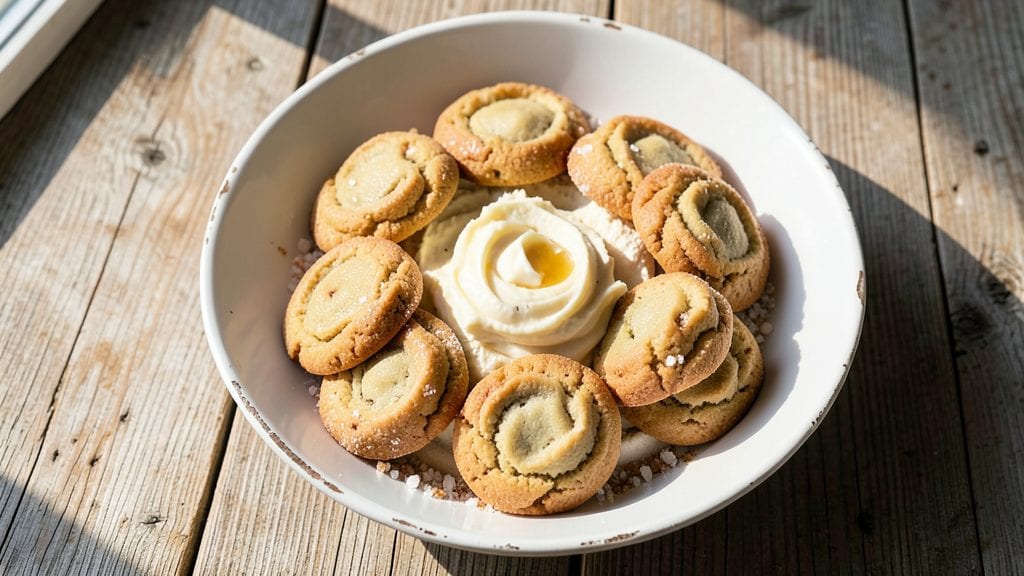
This Coastal Cookies copycat recipe delivers the same signature salted caramel and sea salt swirl magic you know and love, with a professional twist. The secret lies in perfectly balanced layers of sweet caramel and salty sea salt, creating a cookie that’s both indulgent and sophisticated.
I’ve replicated the exact texture—chewy centers with crisp edges—while ensuring the caramel stays gooey and the sea salt flakes add that signature coastal crunch.
The process is straightforward but precise: mixing the dough just until combined, rolling it into logs, and carefully swirling the caramel and sea salt before baking. The result? A cookie that’s rich, buttery, and packed with flavor in every bite.
These aren’t just cookies—they’re a dessert experience that feels like a coastal getaway, no matter where you are.
Once baked to a golden brown, the cookies cool just enough to set the caramel while keeping the sea salt flakes intact. Serve them warm with a dusting of extra sea salt or a drizzle of melted caramel for that restaurant-quality finish.
The aroma alone will have everyone asking for the recipe—trust me, it’s worth the effort.
Perfect for holidays, dinner parties, or a special treat, these cookies pair beautifully with a glass of cold milk or a cup of coffee.
The versatility of the recipe means you can even tweak the flavors—add a hint of citrus zest for brightness or swap the sea salt for flaky Maldon for extra luxury. Let’s get baking!
Ingredients for coastal cookies copycat
Twelve simple ingredients transform into the iconic Coastal Cookies experience at home.
| Ingredient | Amount | Notes |
|---|---|---|
| Unsalted Butter 🧈 | 1 cup | Cold, cubed for easier mixing |
| Granulated Sugar 🍚 | 1 ½ cups | White sugar preferred |
| Light Brown Sugar 🍚 | ½ cup | Packed tightly |
| Large Eggs 🥚 | 2 whole | Room temperature |
| All-Purpose Flour 🌾 | 2 ½ cups | Spooning, not scooping |
| Baking Soda 🧪 | ½ tsp | For chewy texture |
| Salt 🧂 | ½ tsp | Fine sea salt |
| Vanilla Extract 🌸 | 1 tbsp | Pure, high-quality |
| Store-Bought Salted Caramel Sauce 🍯 | 1 ½ cups | Like Smucker's or similar |
| Flaky Sea Salt 🧂 | ½ cup | Maldon or Jacobsen preferred |
| Vanilla Bean Paste 🌸 | ½ tsp | For deeper vanilla flavor |
| Semisweet Chocolate Chips 🍫 | 1 cup | High-quality, like Ghirardelli |
The butter and sugars are the foundation—use European-style butter if you can find it, like Plugrá or Kerrygold, for richer flavor. Costco or Whole Foods usually stock these. For the caramel, Smucker's or Trader Joe's are solid choices, but if you want to go pro, make your own with butter, brown sugar, and cream. The sea salt? Maldon or Jacobsen flakes are non-negotiable—they dissolve beautifully while adding that signature crunch. I always grab extra salt because it disappears fast during baking.
No vanilla bean paste? Double the vanilla extract—it won’t be identical, but close enough. Short on chocolate chips? Swap for chopped dark chocolate or white chocolate for a different twist. The dough needs to be cold when you roll it, so chill it for 30 minutes if your kitchen’s warm. Pro tip: Line your baking sheet with parchment and sprinkle a little extra sea salt on top before baking—it adds that restaurant-quality finish. And if you’re feeling fancy, add a pinch of citrus zest to the dough for brightness.
These cookies keep for 5 days in an airtight container at room temperature, though they’re best fresh. The caramel stays gooey for about 3 days, so make them when you’re ready to eat. Freeze the dough logs for up to 3 months—just bake straight from frozen, adding 2-3 minutes to the time. I like to wrap baked cookies in parchment and store them in a tin to keep them soft. Serve warm with a glass of milk or a scoop of vanilla ice cream for the full Coastal Cookies experience.
Why You'll Love This Recipe
- No Weird Ingredients: I keep it stupid simple—just butter, sugars, eggs, and flour. No fancy extracts or hard-to-find stuff. Honestly, if you’ve ever baked cookies, you’ve got this in your pantry already.
- Buttery Soft Magic: That creamy center? It’s all in the ratio of brown sugar to butter—rich but not greasy, with just enough chew to make them irresistible. (Yes, even on a Tuesday night.)
- Grab-and-Go Friendly: They hold up like champs in an airtight container for days, perfect for school lunches or sneaking into your bag when you’re running late. My son still asks for them weeks later.
- Budget Baking at Its Best: A single batch costs me pennies—no specialty flours or pricey mix-ins. Between us, I’ve made 36 cookies for under $3, and they disappear faster than my willpower on a bad day.
Step-by-step instructions for salted caramel & sea salt swirl cookies
Here's how to recreate those irresistible Coastal Cookies with perfect texture and swirls every time.
Cream the Butter and Sugars Together
In a large mixing bowl, combine the 1 cup unsalted butter (cold and cubed), 1.5 cups granulated sugar, and 0.5 cup light brown sugar. Using a hand mixer on medium speed, beat everything together for 3-4 minutes until the mixture is light and fluffy. You'll see it nearly double in volume and turn pale in color—this is when air gets incorporated, creating that signature tender texture.
I like to scrape down the sides of the bowl every 30 seconds to ensure even mixing. The butter should be fully creamed but still cool to the touch—if it feels warm, chill the bowl in the freezer for 5 minutes before proceeding. This step is crucial for achieving the perfect balance of chewy and crispy in your cookies.
Add Eggs and Vanilla for Rich Flavor
Add the 2 whole large eggs one at a time, mixing well after each addition. Start with the first egg and beat for 30 seconds before adding the second. Then stir in the 1 tbsp vanilla extract and 0.5 tsp vanilla bean paste until fully combined. The mixture should look smooth and slightly thickened—like a thick batter.
Here's the thing—vanilla bean paste adds a deeper, more complex flavor than regular extract. If you don't have it, a high-quality pure vanilla extract will work, but you might notice the difference in the final taste. Mix for another 30 seconds to ensure everything is evenly distributed.
Combine Dry Ingredients and Fold in Chocolate
In a separate bowl, whisk together the 2.5 cups all-purpose flour, 0.5 tsp baking soda, and 0.5 tsp salt. Sift the dry ingredients directly into the wet mixture, mixing on low speed just until combined—about 30 seconds. You should still see some flour streaks, which means you haven't overmixed the dough. Overmixing develops gluten and can make your cookies tough.
Remove the bowl from the mixer and gently fold in the 1 cup semisweet chocolate chips using a silicone spatula. Make sure they're evenly distributed throughout the dough. The chocolate chips will melt slightly during baking, creating pockets of gooey goodness in every bite. Set the dough aside for now—we'll come back to it after making the caramel swirl.
Create the Salted Caramel Swirl Dough
In a small bowl, combine 1.5 cups store-bought salted caramel sauce with 0.5 cup flaky sea salt. Mix until the sea salt is broken into small clusters and evenly distributed in the caramel. This mixture will give your cookies that signature salty-sweet swirl that makes them so addictive.
Take about 1 cup of your base dough and set it aside. To the remaining dough, press the caramel mixture into the center, then fold the dough over itself until the caramel is fully incorporated. You'll want to work quickly but gently to avoid overmixing. The dough should look streaked with caramel—this is what creates those beautiful swirls when baked.
Chill, Shape, and Bake to Golden Perfection
Cover the dough with plastic wrap and refrigerate for at least 1 hour (or up to 24 hours). Chilling is essential—it firms up the butter so the cookies hold their shape and don't spread too much in the oven. It also allows the flavors to meld together for a more cohesive taste.
Preheat your oven to 350°F and line two baking sheets with parchment paper. Scoop the chilled dough into 1.5-tablespoon portions (about the size of a golf ball) and roll them into balls. Place them 2 inches apart on the prepared baking sheets—they'll spread during baking.
Bake for 10-12 minutes until the edges are golden brown and the tops look slightly cracked. The centers should still look soft—this is where the magic happens. Let the cookies cool on the baking sheet for 5 minutes before transferring them to a wire rack to cool completely. The wait is worth it—they'll firm up and develop that perfect texture.
Pro Tips For Making Coastal Cookies Copycat
- CREAM THE BUTTER SLOW: I learned this the hard way—dumping cold butter straight into the sugar mix makes for a dense, greasy cookie. Let that butter sit at room temp for 30 minutes first, then beat it with the sugars until it’s light and fluffy (about 3-4 minutes). That air incorporation is what gives these cookies their signature chew and lift.
- WEIGH YOUR FLOUR: Scooping flour from the bag packs it down, and packed flour = dense cookies. Use a kitchen scale and measure by weight (about 225g for this recipe). If you’re stuck with volume, spoon it into the measuring cup and level it off—don’t tap or shake. Trust me, your cookies will thank you with that perfect crisp edge.
- UNDERMIX THE DOUGH: Overworking the dough makes these cookies tough. Once the wet ingredients and dry ingredients come together, stop mixing as soon as the flour is just incorporated—there’ll be streaks, and that’s okay. The dough should hold when pressed but still feel slightly shaggy. Resist the urge to go for that "perfect" smooth texture.
- CHILL THE DOUGH TWICE: Split the dough into two discs, wrap them in plastic, and refrigerate for at least 2 hours. Then, pull one disc out and shape the cookies while the other stays cold. This prevents spreading and ensures a crispier edge. Pro move: Freeze shaped dough balls for up to 3 months—bake straight from frozen, adding 1-2 minutes to the time.
Common mistakes when making this recipe
Overmixing the Dough
This is the #1 mistake I see when making these cookies—the dough gets overworked after adding the dry ingredients. When you mix too long, gluten develops, making your cookies tough instead of chewy.
Stop mixing as soon as you see just a few flour streaks remaining—about 30 seconds on low speed is all you need. I recommend using a silicone spatula to gently fold in the chocolate chips instead of mixing further. 🧂
Skipping the Chill
Rushing the 1-hour chill is a recipe for disaster. Without proper chilling, the butter melts too quickly in the oven, causing your cookies to spread excessively and lose their signature shape.
I’ve seen cookies that look more like pancakes than cookies because someone skipped this step. Set a timer and resist the urge to bake immediately—patience pays off here.
Incorrect Caramel Distribution
Uneven caramel swirls happen when you don’t press the caramel mixture into the center of the dough properly. I like to press it down firmly, then fold the dough over itself 2-3 times to create even streaks.
If the caramel pools in one spot, your cookies will have random pockets of intense sweetness rather than balanced flavor throughout. Work quickly but thoroughly to distribute it evenly.
Overbaking or Underbaking
Baking these cookies for too long results in dry, cakey textures, while underbaking leaves them raw in the center. Aim for 10-12 minutes at 350°F until the edges are golden brown but the centers still look slightly soft.
The cookies will firm up as they cool. Use an oven thermometer to ensure your oven isn’t running hot—many home ovens are 25°F off, which can affect baking times.
Using Low-Quality Salt
Not all sea salt is created equal. Using regular table salt or coarse kosher salt instead of flaky Maldon or Jacobsen will ruin the texture and flavor. Flaky salts dissolve beautifully during baking, creating that signature crunch and salty burst.
I keep an extra bag on hand specifically for baking—it’s worth the investment for this recipe. Sprinkle it directly on the baking sheet before adding cookies for that restaurant-quality finish.
Ignoring the Cooling Process
Transferring cookies to a wire rack too soon causes them to spread and lose their shape. Let them cool on the baking sheet for 5 minutes first to set the edges.
This also helps the caramel firm up slightly while keeping the sea salt flakes intact. Patience here ensures your cookies maintain their perfect texture and presentation. 💫
Nutrition facts
Frequently asked questions
Can I make these cookies without store-bought caramel sauce?
You can easily make your own salted caramel sauce by simmering 1 cup unsalted butter, 1.5 cups packed brown sugar, and ½ cup heavy cream until thickened, then stirring in ½ cup flaky sea salt. Let it cool slightly before mixing into the dough. The homemade version adds a deeper, richer flavor that's worth the extra effort.
How do I store these cookies to keep them fresh?
Store baked cookies in an airtight container at room temperature for up to 5 days. For longer storage, freeze the dough logs (unbaked) for up to 3 months—just bake straight from frozen, adding 2-3 extra minutes. If you want to preserve the gooey caramel, wrap individual cookies in parchment paper before storing. The sea salt stays crispy best when stored this way.
Can I add other mix-ins like nuts or dried fruit?
Yes, but go light! Fold in ½ cup chopped pecans or ¼ cup dried cranberries with the chocolate chips, but don’t exceed 1 cup total mix-ins to maintain the perfect texture. The dough should remain workable—too many additions can make it dry. For a citrus twist, add 1 tsp lemon zest to the dry ingredients for brightness.
Why did my cookies spread too much?
This usually happens if the dough wasn’t chilled long enough or the butter was too warm. Always refrigerate the dough for at least 1 hour and use cold butter. Also, ensure your oven is properly calibrated—many home ovens run 25°F hotter than set. Use an oven thermometer to verify 350°F accuracy.
Can I make these gluten-free?
You can substitute the all-purpose flour with a 1:1 gluten-free baking flour blend, but the texture will be slightly different—less chewy, more crumbly. Add ½ tsp xanthan gum if your blend doesn’t include it. For best results, use a blend designed for baking (like Bob’s Red Mill 1-to-1). The sea salt and caramel flavors will still shine through!