
Desserts
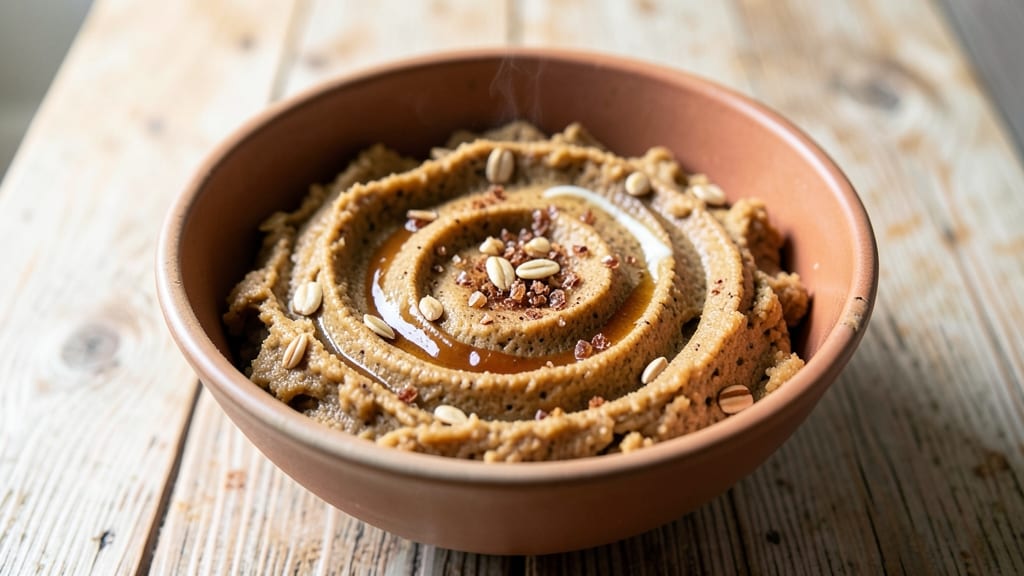
Betty Crocker Farm Style Oatmeal Cookies bring back the nostalgic chewiness and nutty crunch of childhood, now perfected for your home kitchen. These cookies combine rolled oats, brown sugar, and butter to create a texture that's both hearty and tender—just like the original recipe promised.
The secret lies in the dough resting time, which develops deeper flavor and prevents spreading during baking.
What sets these apart is the balance of ingredients: old-fashioned oats for texture, brown sugar for caramel depth, and a touch of cinnamon for warmth. Unlike many oatmeal cookies, this recipe skips the raisins and focuses on the natural sweetness of the oats and butter.
The result is a cookie with a satisfying crunch from the oats and a soft, chewy center that melts in your mouth.
Baking these requires just 15 minutes of prep and 12-14 minutes in a 350°F oven, making them a perfect afternoon treat or holiday cookie. The dough can be chilled for up to 48 hours, allowing flavors to meld even further.
Store them in an airtight container for up to a week, though they rarely last that long.
For variations, try adding chocolate chips or white chocolate chunks for extra richness, or swap in pecans for a nutty twist. The original recipe's simplicity ensures success, whether you're baking for a crowd or treating yourself to a single batch. Let's get started on recreating this classic.
Ingredients for betty crocker farm style oatmeal cookies
Old-fashioned oats and brown sugar create the nostalgic chewiness and nutty crunch you remember.
| Ingredient | Amount | Notes |
|---|---|---|
| Old-Fashioned Rolled Oats 🌾 | 2 cups | Not quick oats, for texture |
| Unsalted Butter 🧈 | 1 cup | Cold, cubed for mixing |
| Packed Brown Sugar 🍯 | 1 cup | Light or dark, no substitutions |
| Large Eggs 🥚 | 2 whole | Room temperature preferred |
| Vanilla Extract 🌸 | 1 tbsp | Pure extract, not imitation |
| Ground Cinnamon 🌿 | 1 tsp | Freshly ground preferred |
| Sea Salt 🧂 | ½ tsp | Fine grain for balance |
| All-Purpose Flour 🌾 | 1 ½ cups | Sifted for even texture |
| Baking Soda 🧪 | ½ tsp | Fresh for proper rise |
| Granulated Sugar 🍚 | ½ cup | For dough cohesion |
| Chopped Pecans 🥜 | 1 cup | Toasted for enhanced flavor |
The rolled oats are the star here—old-fashioned, not quick oats, for that satisfying crunch. Bob's Red Mill or store-brand oats work perfectly, but avoid anything labeled 'instant' or 'quick.' For butter, Land O'Lakes or Plugrá are reliable choices, but any unsalted brand will do. The brown sugar should be packed firmly into the cup—no scooping. If you're feeling fancy, muscovado sugar adds a deeper molasses note, though traditional brown sugar keeps it classic. The pecans? Toast them first—5 minutes in a dry pan until fragrant. This enhances their flavor dramatically, and you'll use them in other holiday baking too.
No vanilla extract? Vanilla bean paste works in a pinch, but the flavor won't be identical. Short on pecans? Walnuts or almonds toasted are decent swaps, though texture changes slightly. The baking soda is critical—don't use baking powder. For a gluten-free version, swap the all-purpose flour for a 1:1 gluten-free blend, but expect slightly denser cookies. If your kitchen's humid, chill the dough for 24 hours to prevent spreading. And if you're making these for a crowd, double the recipe—just increase the butter and sugar by 50% to maintain texture.
These cookies keep beautifully—up to 1 week in an airtight container at room temperature. For longer storage, freeze the dough balls before baking; they'll keep for 3 months. Once baked, cool completely on wire racks to prevent sogginess. The flavor actually improves after the first 24 hours as the textures settle. Portion into single-serving bags for gifts—they're a hit at holiday parties. And if you've got leftover dough? Form into a loaf and bake as a quick bread for a different treat.
Why You'll Love This Recipe
- No-Fuss Mixing: I swear, this recipe only needs a bowl and a spoon—no fancy gadgets, no measuring cups if you eyeball it. Just toss in the oats, softened butter, brown sugar, eggs, and vanilla, then stir until it holds together. My kids "help" by dumping the oats in, and somehow it always comes out perfect.
- Chewy-Crisp Magic: That buttery brown sugar and vanilla combo? It’s like a hug for your taste buds. The oats give it a satisfying chew, but the edges stay just crisp enough—honestly, I’ve never had a cookie where every bite feels so right. (Yes, even on a Tuesday night.)
- Party in a Jar: Between us, these freeze like a dream and taste even better the next day. I make a double batch for game day, holiday gatherings, or just because—I can’t resist. They’re sturdy enough for travel mugs or picnic baskets, and no one ever guesses they’re "farm style."
- Pocketbook-Friendly Comfort: Old-fashioned oats and butter? That’s it. No specialty ingredients, no markup. I’ve made these for years, and the cost per batch is laughable—especially when they disappear faster than I can snap photos. My secret weapon for feeding a crowd without breaking the bank.
Step-by-step instructions for betty crocker farm style oatmeal cookies
Here's the method that delivers that signature chewy texture and nutty crunch every time.
Cream Butter and Sugars for Maximum Flavor
In a large mixing bowl, combine the 1 cup unsalted butter (cold, cubed) with the 1 cup packed brown sugar and 0.5 cup granulated sugar. Using a hand mixer or stand mixer with the paddle attachment, beat on medium speed for 3-4 minutes until the mixture is light and fluffy, nearly doubling in volume. You'll see the color lighten noticeably as air incorporates.
This creaming process is crucial—it creates the tender, cake-like texture that sets these cookies apart. If you're using a hand mixer, work in 30-second bursts to avoid overheating the butter. The mixture should be smooth with no visible graininess, and it should leave a ribbon-like trail when the beaters are lifted.
Add Eggs and Flavorings for Perfect Cohesion
Add the 2 whole large eggs (room temperature preferred) one at a time, mixing on low speed after each addition until fully incorporated. Then stir in the 1 tablespoon vanilla extract, 1 teaspoon ground cinnamon, and 0.5 teaspoon sea salt. Mix on low speed for an additional 30 seconds until completely combined.
The eggs provide structure while the vanilla and cinnamon deepen the flavor profile. I always use pure vanilla extract here—imitation lacks the complexity that makes these cookies taste truly homemade. The dough should now be thick and smooth, with a rich, caramel-like aroma from the brown sugar.
Combine Dry Ingredients for Even Texture
In a separate bowl, whisk together the 1.5 cups all-purpose flour and 0.5 teaspoon baking soda. Sift the mixture directly into the wet ingredients, mixing on low speed for 30-45 seconds until just combined. Stop mixing as soon as the flour disappears—overmixing develops gluten, which makes cookies tough.
Add the 2 cups old-fashioned rolled oats and 1 cup chopped pecans, mixing on low speed for another 20 seconds until evenly distributed. The dough should be thick and slightly sticky but hold its shape when pressed. If it's too dry, add 1-2 teaspoons of milk (not listed in ingredients) to help bind it.
Chill the Dough for Better Shape and Flavor
Cover the mixing bowl with plastic wrap and refrigerate for at least 1 hour, or up to 24 hours. This chilling step is essential—it allows the flour to fully hydrate, prevents excessive spreading in the oven, and enhances the nutty flavors. The dough will firm up significantly during this time, making it easier to handle.
I like to press the dough into a single disk before chilling, which makes portioning easier later. If you're short on time, chill for at least 30 minutes in the freezer instead, but don't skip this step entirely—it makes a noticeable difference in texture.
Bake for Perfectly Chewy Cookies
Preheat your oven to 350°F and line two baking sheets with parchment paper. Using a cookie scoop or tablespoon, portion the dough into 1.5-inch balls (about 2 tablespoons each) and place them 2 inches apart on the prepared sheets. Flatten each ball slightly with your palm to create 1-inch thick cookies—they'll spread slightly during baking.
Bake for 12-14 minutes until the edges are golden brown and the centers still look slightly underdone. The cookies should pull away from the parchment paper easily when gently lifted. Let them cool on the baking sheets for 5 minutes before transferring to a wire rack to cool completely. The centers will firm up as they cool, giving you that perfect chewy texture.
Pro Tips For Making Betty Crocker Farm Style Oatmeal Cookies
- Pulse the Oats First: I learned this the hard way—skipping this step means uneven texture. Pulse the rolled oats in a food processor for 10-15 seconds until they’re roughly chopped but still hold shape. This ensures they soften evenly without turning into mush (yes, even if you’re impatient like me).
- Use Cold Butter, Not Soft: The recipe calls for softened butter, but don’t let it get warm or greasy. Cut it into small cubes and mix them into the dough—this keeps the cookies from spreading too much and gives that classic chewy texture. Trust me, your cookies will thank you.
- Don’t Overmix the Dough: Once you add the egg and vanilla, stop mixing after just 10-12 strokes. Overworking the dough makes the cookies dense and tough. The dough should hold together when pressed, but it won’t be perfectly smooth (and that’s fine).
- Bake in Two Batches: This isn’t the prettiest method, but it’s the tastiest. The recipe makes a lot of dough, and overcrowding the pan leads to flat, sad cookies. Spread them 2 inches apart and bake in two batches—your cookies will rise properly and stay chewy.
Storing and reheating your betty crocker farm style oatmeal cookies
Room-Temp Storage
Store your freshly baked cookies in an airtight container at room temperature for up to 1 week. I use glass containers with silicone seals—they keep the cookies fresher longer than plastic.
Place parchment paper between layers to prevent sticking, and let them cool completely before sealing. The chewy texture actually improves over time as the oats rehydrate slightly. 🌾
Fridge Refresh
If you've left cookies out too long and they've lost their chew, revive them by warming in the oven. Place cookies on a baking sheet and heat at 300°F for 3-5 minutes until warmed through.
The heat reactivates the butter and sugar, restoring that tender texture. This works best within 2-3 days of baking.
Freezer Prep
For long-term storage, freeze unbaked dough balls in a single layer on a parchment-lined tray for 1 hour, then transfer to a freezer bag with parchment between layers. They'll keep for 3 months.
When ready to bake, add 2-3 extra minutes to the baking time since they'll be colder. For baked cookies, wrap individually in plastic wrap before placing in a freezer bag for 2 months.
Reheating Perfection
Microwave reheating works best for single servings. Place a cookie on a microwave-safe plate, cover with a damp paper towel, and heat at 50% power for 10-15 seconds.
The damp towel prevents drying. For oven reheating, bake at 325°F for 4-5 minutes until warmed through—this method preserves texture better than microwaving. 🔥
Gift-Worthy Packaging
Portion cooled cookies into cellophane bags tied with ribbon for gifts. Add a parchment paper divider between layers to maintain crispness. Store in a cool, dry place for up to 5 days before gifting.
Include a note about the 3-month freezer storage option to extend freshness for recipients. The nutty aroma makes these perfect for holiday presents!
Texture Troubleshooting
If cookies turn out too dry after storage, lightly brush the tops with melted butter and warm in the oven at 300°F for 2 minutes. For overly soft cookies, chill in the fridge for 10 minutes before serving.
The key is balance—these cookies should be chewy but not gummy, with a satisfying crunch from the oats. Adjust reheating time based on your preferred texture. ✨
Nutrition facts
Frequently asked questions
Why do these cookies need to chill before baking?
The 1-hour chill (or up to 24 hours) is crucial for two reasons: it prevents excessive spreading during baking and allows flavors to develop fully. The cold dough also makes portioning easier and ensures a thicker, chewier center. Skipping this step often results in flat, cakey cookies instead of the classic farm-style texture.
Can I substitute old-fashioned oats for quick oats?
Never use quick oats—they absorb too much moisture and create a gummy texture. Old-fashioned rolled oats provide the perfect chewy crunch that defines these cookies. If you're out of old-fashioned, toast regular rolled oats in a dry pan for 5 minutes to enhance their flavor before using.
How do I fix dough that's too sticky?
If your dough feels too wet, add 1-2 tablespoons of flour at a time until it holds its shape when pressed. For extra insurance, chill the dough longer (up to 24 hours) to firm it up. Over-chilling won't hurt—it just makes handling easier. The dough should be pliable but not gluey when portioning.
What's the best way to add chocolate chips?
For a variation, fold in 1 cup chocolate chips after mixing in the oats and pecans. Use semi-sweet or milk chocolate for classic flavor. If you prefer melted chocolate, add it to the butter-sugar mixture in Step 1 and let it cool slightly before proceeding. The chocolate will create pockets of gooey goodness in each bite!
Why did my cookies spread too much?
Overmixing the dough or skipping the chill step usually causes excessive spreading. To fix it next time, measure flour accurately (spoon and level), mix just until combined, and always chill the dough. If you've already baked them, the texture will firm up as they cool completely on the baking sheet. For future batches, try baking at 325°F instead of 350°F to slow the spread.