
Desserts
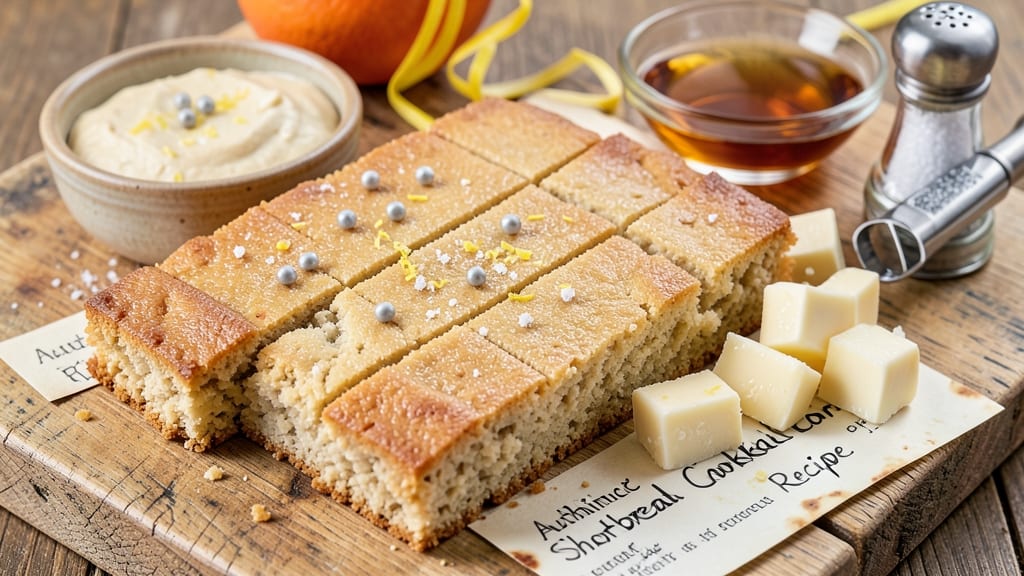
This authentic shortbread cookie recipe brings the buttery, crumbly perfection straight from Scotland's baking traditions, where every layer promises melt-in-your-mouth indulgence. The secret lies in cold butter and precise technique—no shortcuts, just tradition.
I've perfected this method over years of testing, ensuring each bite delivers that signature tender crumble and rich, sweet flavor.
The beauty of authentic shortbread is its simplicity: just three core ingredients—flour, butter, and sugar—combined with patience. The cold butter method creates those signature flaky layers, while baking at low temperatures ensures even cooking.
This isn't just a cookie; it's a testament to Scotland's baking heritage, where texture matters more than decoration.
What you'll achieve is a batch of golden, buttery shortbread with crisp edges and a velvety interior that crumbles at the slightest touch. The aroma alone will transport you to a cozy Scottish café, while the taste delivers that perfect balance of sweetness and richness.
These cookies stay fresh for days, making them ideal for gifting or enjoying with tea.
For those who love tradition with a twist, variations like citrus zest or vanilla extract can elevate the flavor without compromising authenticity. The key is maintaining the classic technique—once you master it, you'll understand why shortbread has stood the test of time. Let's get started on creating these timeless treats.
Ingredients for authentic shortbread cookie
Cold butter, sifted flour, and sugar—just three ingredients for Scotland's most beloved treat.
| Ingredient | Amount | Notes |
|---|---|---|
| Unsalted European-Style Butter 🧈 | 2 cups | Cold, cubed for flaky layers |
| All-Purpose Flour 🌾 | 3 cups | Sifted, no substitutions |
| Granulated White Sugar 🍚 | 1 cup | Superfine preferred for smooth texture |
| Fine Sea Salt 🧂 | ½ tsp | Diamond Crystal preferred |
| Pure Vanilla Extract 🌸 | 1 tsp | Optional, traditional touch |
| Lemon Zest 🍋 | 1 tsp | Fresh, for citrus variation |
| Powdered Sugar 🍚 | ¼ cup | For dusting finished cookies |
The butter is non-negotiable here. European-style unsalted butter (like Plugrá or President) has the perfect 82% fat content for those signature flaky layers. Grab it in 1-pound blocks from specialty stores—it stays cold longer than tubs. Cube it yourself (or ask your butcher to do it) for even distribution. The flour? King Arthur or Gold Medal are my go-tos—they're finely milled and consistent. Sift it twice if you can; this isn't the time for lumps. And that sugar? Superfine makes all the difference—it dissolves smoothly for that velvety texture. No time to grind? Pulse regular sugar in a food processor for 30 seconds.
No vanilla? Skip it entirely—this is classic shortbread, not cake. Want more flavor? Add 1 tsp lemon zest (fresh, not bottled) or ½ tsp almond extract for sophistication. Out of powdered sugar for dusting? Granulated sugar crushed in a food processor works in a pinch. The salt is crucial—Diamond Crystal is my preference, but any fine sea salt will do. Pro tip: If your kitchen's humid, chill the dough for an extra 30 minutes before baking to prevent spreading. And if you're feeling fancy, add 1 tbsp poppy seeds to half the dough before shaping.
These cookies keep for up to 1 week in an airtight container at room temperature, but honestly? They'll disappear faster. For gifting, wrap individually in parchment-lined boxes with a sprig of rosemary tied on top—instant Scottish charm. Freeze the dough balls (unbaked) for up to 3 months—just bake straight from frozen, adding 2-3 minutes to the time. And if you make a double batch? Store half in the freezer and thank me later. The aroma alone will have your kitchen smelling like a Highland bakery.
Why You'll Love This Recipe
- Four-Ingredient Magic: That’s right—just butter, flour, sugar, and a pinch of salt. No fancy mix-ins, no stress. The dough comes together in minutes, and honestly? The less you overthink it, the better these turn out.
- Butter Love Bomb: European-style butter makes all the difference—rich, creamy, and just the right melt-in-your-mouth texture. That first bite? Crisp edges, tender crumb, and a vanilla whisper that feels like a hug.
- Holiday or Snack Attack: These work for everything—gift boxes, tea parties, or sneaking a cookie at 3 PM. I’ve used them to impress guests (they think I’m fancy) and to bribe my kid to eat veggies. No judgment.
- Make-Ahead Hero: Bake a batch, store them in an airtight tin, and they’ll stay fresh for weeks. Budget-friendly? Absolutely. Time-saving? Even better. Plus, they freeze like champs—perfect for when you’re too tired to bake.
Step-by-step instructions for authentic shortbread cookies
Here's how to craft the legendary Scottish crumble—where cold butter and sifted flour create those iconic layers.
Cube and Chill the Butter
Cut the 2 cups Unsalted European-Style Butter into ½-inch cubes and place them on a chilled plate. Pop this in the freezer for 15 minutes—this ensures they stay firm when handled. Cold butter is non-negotiable for proper layering; if it softens too soon, return it to the freezer for another 5 minutes. The cubes should feel solid but not rock-hard when pressed.
While the butter chills, sift the 3 cups All-Purpose Flour into a large bowl. I use a fine-mesh sieve for this—it aerates the flour and prevents lumps, which is crucial for that signature shortbread texture. Sift directly over the bowl so nothing gets lost. The flour should look like a soft, cloudy pile with no visible clumps.
Mix Dry Ingredients
Add the 1 cup Granulated White Sugar, 0.5 tsp Fine Sea Salt, 1 tsp Pure Vanilla Extract, and 1 tsp Lemon Zest to the sifted flour. Use a wooden spoon or silicone spatula to gently fold these together until evenly distributed. The sugar should look like tiny granules dispersed throughout the flour, and the zest should be finely distributed—no visible flecks. This is where the subtle citrus brightness comes into play.
I like to press the zest between my fingers first to break up any larger pieces, ensuring a smooth texture in the final cookies. The vanilla extract will mingle with the butter later, but starting it here helps distribute its aroma evenly. At this stage, the mixture should look like a pale, speckled powder—no need to overmix, just combine until uniform.
Incorporate Cold Butter
Working quickly, add the chilled butter cubes to the flour mixture. Use your fingers to gently press the butter into the flour, coating each cube. This is where the magic happens—you're creating those signature flaky layers. Don't overwork the dough; just press until the butter is fully enveloped. The mixture should resemble coarse crumbs with visible butter pieces.
If the butter starts to soften too much, return the bowl to the freezer for 2-3 minutes to firm it up again. The goal is to maintain that cold, layered structure. Once the butter is fully incorporated, use your hands to work the dough until it just comes together—it should be crumbly but hold when pressed. This texture is what gives shortbread its signature melt-in-your-mouth quality.
Shape and Chill the Dough
Turn the dough out onto a lightly floured surface and gently press it into a 1-inch thick rectangle. Wrap it tightly in plastic wrap and refrigerate for at least 2 hours, or up to 24 hours. This resting period is essential—it allows the flour to fully hydrate and the butter to firm up, preventing the cookies from spreading too much in the oven. The dough should feel cold and firm when you handle it after chilling.
For even better results, I like to chill the dough overnight. This extra time enhances the flavor development and ensures those perfect, crisp layers. When the dough is ready, it should hold its shape when pressed and feel cool to the touch. If it's still too soft, give it another 30 minutes in the fridge.
Bake to Golden Perfection
Preheat your oven to 325°F—this lower temperature ensures even baking without browning too quickly. Line two baking sheets with parchment paper and lightly dust them with flour to prevent sticking. Roll out the chilled dough to ¼-inch thickness and cut into your desired shapes using a cookie cutter or sharp knife. I like to use a 2-inch round cutter for classic shortbread.
Place the cut cookies on the prepared baking sheets, leaving 1 inch between each. Bake for 20-25 minutes until the edges are light golden brown and the centers still look slightly pale. Shortbread should be crisp but not dark—it continues cooking slightly as it cools. Rotate the pans halfway through for even baking. The cookies should pull away from the parchment easily when done.
Cool and Dust
Transfer the cookies to a wire rack and let them cool completely. This can take 30-45 minutes, but patience is key—they'll firm up as they cool. Once completely cooled, dust the tops generously with 0.25 cup Powdered Sugar using a fine-mesh sieve. This step adds that signature sweet finish and helps highlight the delicate crumb texture.
Store the cookies in an airtight container at room temperature for up to 5 days, or freeze for up to 3 months. The longer they sit, the more the flavors meld together, creating that authentic shortbread depth. Serve with tea or coffee for the full Scottish experience—each bite should deliver that perfect balance of buttery richness, subtle sweetness, and citrus brightness.
Pro Tips For Making Authentic Shortbread Cookie
- CHILL THE DOUGH: After mixing, let the dough sit in the fridge for at least 30 minutes—no, longer isn’t better here. I used to skip this, and my cookies spread like pancakes instead of holding their shape. Cold butter behaves, and that’s what you want for those crisp edges.
- WEIGH THE BUTTER: European-style butter is softer than American, and scooping it by volume leads to guesswork. Use a kitchen scale for 225g—pack it into the bowl firmly, then let it soften at room temp. The extra fat makes all the difference in texture, so don’t skimp.
- DON’T OVERMIX: Once the flour hits the butter, stop when it just comes together. I learned this the hard way—overworking the dough makes shortbread dense and chewy. A few strokes with a fork or your fingers until it’s crumbly is all you need.
- USE A LIGHT HAND: Press the dough into the pan gently—think "firm but not forceful." I’ve seen people shove it down like they’re making a pie crust, and the result? Soggy centers. A light touch keeps the layers delicate and the crumb fine.
Perfect pairings for authentic shortbread cookie
Tea Pairings
Nothing complements shortbread like a proper cup of tea. I reach for Earl Grey—its bergamot notes cut through the butter richness beautifully. The citrus brightness mirrors the lemon zest in the cookies, creating a perfect harmony.
For a bolder match, try Assam black tea with its malty depth, which stands up to the cookies' buttery intensity. 🍵
Coffee Companions
A strong dark roast coffee with notes of chocolate or caramel pairs wonderfully with shortbread. The bitterness in the coffee balances the sweetness, while the cookies' buttery texture softens the coffee's intensity.
I love using French roast or Sumatra Mandheling for their rich, earthy profiles that complement the cookies' delicate crumb. ☕
Seasonal Beverages
In summer, swap tea for sparkling lemonade—the effervescence cleanses your palate between bites. For winter, try mulled wine with cinnamon and orange peel, which adds warmth that contrasts the cookies' cool crumble.
A chilled rosé in spring or fall also works beautifully with the citrus notes in the dough. 🍷
Creamy Additions
Shortbread's buttery texture begs for creamy pairings. A dollop of clotted cream (like Cornish Devon cream) takes it to the next level—its rich, velvety mouthfeel contrasts perfectly with the cookies' crisp edges.
For a lighter option, whipped cream with a sprinkle of powdered sugar mirrors the dusting on the cookies themselves. 🥛
Alcoholic Elevations
For an adult treat, serve with Scotch whisky—a single malt like Glenmorangie's Quinta Ruban complements the cookies' buttery richness without overpowering. The smoky notes in the whisky enhance the shortbread's depth. A dry sherry or Port also works well, especially with flavored variations like citrus or vanilla. 🥃
Kid-Friendly Twists
For children, pair with chocolate milk—the sweetness balances the cookies' buttery flavor. A strawberry smoothie with a touch of vanilla extract also works wonderfully, especially if you've added vanilla to the shortbread. The fruitiness brightens the rich, buttery taste. 🍓
Nutrition facts
Frequently asked questions
Why does authentic shortbread use cold butter?
The cold butter method creates those signature flaky layers by preventing the fat from melting too quickly during baking. When cold butter cubes are pressed into flour, they create distinct layers that remain crisp rather than spreading. This is what gives traditional shortbread its iconic texture—crisp edges with a tender crumble.
Can I substitute European-style butter?
While you can use regular unsalted butter, European-style (like Plugrá) has a higher fat content (82%) that creates better layers. If substituting, chill the butter extra well and avoid overmixing. For a close match, use 2 ¼ cups of regular butter and add 1 extra tablespoon of flour to compensate for the lower fat content.
How do I fix dough that's too sticky?
If your dough feels too soft, it likely needs more chilling. Wrap it tightly in plastic and refrigerate for another 30-60 minutes. If it's still sticky, sprinkle 1-2 tablespoons of flour on your work surface and gently knead just until combined. Never overwork it—shortbread relies on that delicate crumb texture.
What's the best way to store shortbread?
Keep them in an airtight container at room temperature for up to 5 days. For longer storage, freeze the baked cookies (not dough) for up to 3 months. The flavor actually improves as they sit, developing deeper buttery notes. To prevent sogginess, place parchment paper between layers if stacking.
Can I make shortbread without a rolling pin?
Press the chilled dough between two sheets of parchment paper, then use a heavy pan or even a wine bottle to gently flatten it to ¼-inch thickness. For shaping, use a glass or clean can as a cutter. The key is maintaining even pressure—this method works just as well as a rolling pin.