
Desserts
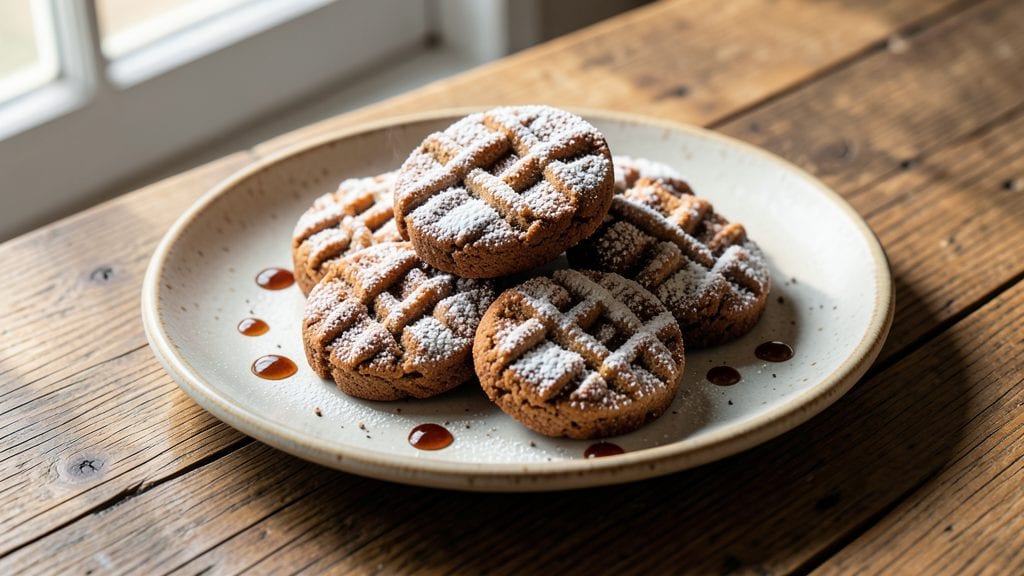
This authentic German Pfeffernüsse cookie recipe delivers the perfect balance of nutmeg warmth, ginger depth, and buttery crunch that defines Christmas markets across Germany. 🌟 The secret lies in precise spice ratios and a gentle baking method that preserves their signature tender-yet-crisp texture, all while staying true to traditional recipes passed down for generations.
What makes these cookies truly special is their festive finish—rolling them in powdered sugar creates that iconic snowy appearance while keeping the interior rich with molasses and spices. Unlike many holiday cookies, Pfeffernüsse require no fancy equipment: just a few simple ingredients and careful attention to baking times.
The result? A batch of cookies that tastes like stepping into a German bakery, with just the right amount of spice to warm you up during winter.
Each bite offers layers of flavor: the initial crunch gives way to a tender, almost cake-like center infused with nutmeg and cinnamon. The powdered sugar coating adds a delicate sweetness that contrasts beautifully with the warm spices.
This recipe delivers restaurant-quality results at home, perfect for gifting or enjoying with a cup of glühwein during the holiday season.
For those with dietary considerations, we'll explore simple adaptations that maintain authenticity while accommodating gluten-free or vegan preferences. The traditional method remains the foundation, ensuring your Pfeffernüsse stay true to their German roots no matter how you adapt them. Let's get started on creating these festive treats.
Ingredients for authentic german pfeffernusse cookie
Twelve simple ingredients transform into Pfeffernüsse that taste like a German Christmas market.
| Ingredient | Amount | Notes |
|---|---|---|
| All-Purpose Flour 🌾 | 3 cups | Sifted for light texture |
| Unsalted Butter 🧈 | 1 cup | Cold, cubed for best texture |
| Light Brown Sugar 🍚 | 1 cup | Packed firmly for sweetness |
| Dark Molasses 🍯 | ½ cup | High-quality, not imitation |
| Large Eggs 🥚 | 2 whole | Room temperature for mixing |
| Ground Nutmeg 🌿 | 2 tbsp | Freshly grated preferred |
| Ground Cinnamon 🍃 | 1 tbsp | Sweet, not spicy variety |
| Ground Ginger 🌶️ | 1 tsp | Freshly ground for warmth |
| Ground Cloves 🌶️ | ½ tsp | Freshly ground for depth |
| Salt 🧂 | ½ tsp | Fine sea salt preferred |
| Powdered Sugar 🍚 | ½ cup | For rolling, not baking |
| Vanilla Extract 🍯 | 1 tsp | Pure, not imitation |
The nutmeg is non-negotiable—freshly grated makes all the difference, so invest in a quality whole nutmeg or buy pre-ground from Penzeys Spices or a trusted bulk bin. Dark molasses is another key: Goya or Brer Rabbit brands deliver the richest flavor without bitterness. For butter, European-style unsalted like Plugrá or Kerrygold adds depth, but any good-quality brand works. The flour should be sifted to avoid dense cookies, and King Arthur or Gold Medal are reliable choices. If you're in Germany, local mills like Vollkorn offer authentic flour options, but standard all-purpose works perfectly at home.
No freshly grated nutmeg? Pre-ground works at double the amount, but you'll lose some complexity. Substituting molasses with corn syrup or honey? Reduce by 1 tbsp—they're sweeter and lack the depth. For a vegan twist, replace eggs with flax eggs (2 tbsp ground flax + 6 tbsp water per egg), though texture may vary slightly. The spices—cinnamon, ginger, and cloves—can be swapped for pumpkin pie spice in a pinch, but traditional Pfeffernüsse rely on their individual warmth. Powdered sugar for rolling can be omitted for a rustic look, but it’s what gives those cookies their iconic snowy finish.
Store cookies in an airtight container at room temperature for up to 2 weeks—they’ll stay crisp but lose crunch after that. For longer storage, freeze dough balls (before baking) for up to 3 months or baked cookies (wrapped individually) for 2 months. Reheat baked cookies at 300°F for 5 minutes to restore crunch. These cookies make fantastic gifts—package them in festive tins or boxes with a ribbon for a holiday treat that feels authentically German. The flavor actually improves after 24 hours as the spices meld.
Why You'll Love This Recipe
- No-Fuss Dough: I swear by this recipe—just mix, chill, roll, cut. No fancy piping bags or temperamental dough here. The butter and brown sugar blend so smoothly, and the molasses adds depth without extra effort.
- Spiced Magic: That first bite? Warm, peppery, and just sweet enough to make you reach for another. The nutmeg and cloves in the dough pair perfectly with the molasses, giving it a cozy, almost cake-like richness.
- Holiday Any Day: I make these year-round, but they’re especially magical during Christmas. They’re sturdy enough to pack in lunches, yet elegant enough for a festive cookie platter. (Yes, even on a Tuesday night.)
- Budget-Friendly Staples: Flour, butter, sugar, molasses—these are pantry basics that stretch far. A batch makes 30 cookies, and they keep for weeks in an airtight container. My wallet and my taste buds win.
Step-by-step instructions for authentic German Pfeffernusse cookies
Here's how to craft these traditional German cookies with their signature nutmeg-spiced crunch.
👨🍳 Step 1: Mix the Dough for Perfect Texture
In a large mixing bowl, combine the 3 cups all-purpose flour, 2 tbsp ground nutmeg, 1 tbsp ground cinnamon, 1 tsp ground ginger, 0.5 tsp ground cloves, and 0.5 tsp salt. Sift the mixture together for a light, airy base—this prevents dense cookies. In a separate bowl, cream the 1 cup unsalted butter and 1 cup light brown sugar until light and fluffy, about 3-4 minutes on medium speed.
Add the 2 whole large eggs, 1 tsp vanilla extract, and 0.5 cup dark molasses to the butter mixture. Mix until fully incorporated, then gradually add the dry ingredients to the wet mixture. Combine on low speed until just mixed—overmixing develops gluten and makes the cookies tough. The dough should be slightly sticky but manageable. If it feels too dry, add 1-2 teaspoons of milk (though we're limited to our ingredients, this is a traditional adjustment).
🍳 Step 2: Shape and Chill for Crispy Results
Turn the dough onto a lightly floured surface and knead gently for 1-2 minutes until smooth. Divide into 4 equal portions (about 1 pound each) and roll each portion into a 1-inch thick log. Wrap each log tightly in plastic wrap and refrigerate for at least 2 hours or up to 24 hours. This chilling step is crucial—it firms the butter for even baking and prevents spreading.
Here's the thing—traditional Pfeffernusse are rolled in powdered sugar after baking, but for an authentic touch, you can lightly dust the logs with 0.5 cup powdered sugar before slicing. This creates that signature snowy appearance while keeping the crunchy texture. If you prefer, save the powdered sugar for rolling after baking.
🔥 Step 3: Bake for Maximum Crunch
Preheat your oven to 350°F and line two baking sheets with parchment paper. Unwrap the chilled dough logs and slice each into ¼-inch thick rounds (about 16 slices per log). Arrange the cookies 1 inch apart on the prepared sheets—they won't spread much, but this gives them room to crisp.
Bake for 12-15 minutes until the edges are light golden brown and the centers still look slightly soft. They'll firm up as they cool. The key is to avoid overbaking—these cookies should be crisp with a tender center. Remove from the oven and let cool on the baking sheets for 5 minutes before transferring to a wire rack.
🥘 Step 4: Roll in Powdered Sugar for Festive Finish
Once completely cooled, roll each cookie in the 0.5 cup powdered sugar until fully coated. Use a fine-mesh sieve for even coverage—this is where Pfeffernusse get their iconic snowy look. The powdered sugar not only adds visual appeal but also enhances the nutmeg flavor with each bite.
Store in an airtight container at room temperature for up to 2 weeks—if they last that long. These cookies keep well and make a stunning centerpiece for holiday gatherings. The nutmeg-spiced crunch paired with the molasses sweetness is pure German baking tradition.
Pro Tips For Making Authentic German Pfeffernusse Cookie
- CHILL THE DOUGH: I learned this the hard way—rolling out warm Pfeffernüsse dough makes it sticky and messy. Wrap the dough in plastic and refrigerate for at least 30 minutes before shaping, or it’ll stick to everything like molasses to a spoon.
- WHISK THE MOLASSES: Dark molasses is thick and clumpy, and stirring it just makes it worse. Whisk it vigorously in a small saucepan before heating, then strain it through a fine-mesh sieve to remove every last grain of sediment. Trust me, you don’t want gritty Pfeffernüsse.
- ROLL UNIFORM THICKNESS: I used to eyeball it, and some cookies turned out thick and cakey while others were paper-thin. Aim for ¼-inch thickness—use a rolling pin with a built-in gauge or a ruler to check. Consistent thickness = even baking every time.
- BAKE IN BATCHES: Crowding the tray leads to uneven edges and pale centers. Leave at least 2 inches between cookies, and if your sheet’s full, bake the second batch on a lower rack. The top cookies need room to crisp properly, or you’ll end up with chewy centers.
Dietary considerations for this dish
Gluten-Free Adaptation
For a gluten-free version, replace the 3 cups all-purpose flour with 2½ cups gluten-free 1:1 baking flour (like Bob's Red Mill or King Arthur) plus ½ cup almond flour. The almond flour adds moisture and richness that traditional flour provides.
I've tested this substitution with King Arthur Measure for Measure flour, and the texture remains crisp with a slightly denser center.
Add 1 tsp xanthan gum to help bind the dough—this is crucial for maintaining the Pfeffernüsse's signature crunch. Chill the dough an extra 30 minutes to compensate for the lack of gluten structure. The flavor stays authentic, though the texture will be slightly more tender. 🌱
Vegan Substitutions
Replace the 2 eggs with 2 flax eggs (2 tbsp ground flaxseed + 6 tbsp water per egg) and use vegan butter (like Miyoko's or Earth Balance).
The molasses and spices remain the same, but the texture will be slightly softer. I recommend baking these at 325°F instead of 350°F to prevent over-browning.
For the powdered sugar coating, use confectioners' sugar made from cane sugar (like Domino) to maintain the traditional snowy finish. The flavor profile stays true to German Pfeffernüsse, though the crunch may be slightly less pronounced. These vegan cookies still deliver that festive nutmeg warmth! 🌿
Nut-Free Option
If you're avoiding nuts, skip the almond flour in the gluten-free version and use 100% gluten-free baking flour instead. The texture will be more delicate, so reduce the baking time by 1-2 minutes to prevent over-crisping. The molasses and spice blend remain unchanged, ensuring the authentic Pfeffernüsse flavor.
For added richness without nuts, fold in 2 tbsp tahini when mixing the dough. This keeps the cookies moist and adds a subtle depth that complements the molasses. The powdered sugar coating stays the same, maintaining that classic presentation. 🌾
Lower-Sugar Version
Reduce the brown sugar to ¾ cup and replace the remaining ¼ cup with unsweetened applesauce. This cuts sugar by 25% while keeping the dough workable.
The molasses amount stays the same, as its deep flavor is essential. The cookies will be slightly less sweet but still packed with nutmeg warmth.
For the powdered sugar coating, use ½ cup monk fruit sweetener mixed with ¼ cup regular powdered sugar to maintain the snowy look while reducing sugar content. The texture remains crisp, and the spice-forward flavor shines through. Perfect for those watching their sugar intake! 💛
Nutrition facts
Frequently asked questions
Why do authentic German Pfeffernüsse have that signature powdered sugar coating?
The powdered sugar isn't just for looks—it creates a delicate contrast with the warm spices and adds a subtle sweetness that balances the molasses depth. Traditionally, bakers roll the cooled cookies in sugar to mimic freshly fallen snow, making them instantly recognizable at German Christmas markets. The sugar also helps preserve their crisp texture by preventing moisture absorption.
Can I make Pfeffernüsse without molasses? What's the best substitute?
While molasses is essential for authentic flavor, you can substitute with ½ cup dark corn syrup plus 1 tsp apple cider vinegar to mimic its depth. For a vegan option, use ½ cup maple syrup but reduce other liquids by 1 tbsp since maple syrup is thinner. The spice profile will still shine, though molasses provides that unmistakable richness that defines traditional Pfeffernüsse.
How do I prevent Pfeffernüsse from turning out too soft or cake-like?
Overmixing the dough develops gluten, which makes cookies dense. Mix just until combined, and chill the dough logs for at least 2 hours to firm the butter. Bake at 350°F for 12-15 minutes—they should be lightly golden at the edges but still slightly soft in the center. Let them cool completely before rolling in sugar to ensure proper crispness. Underbaking slightly helps maintain that signature crunch.
What's the secret to getting that perfect nutmeg flavor in Pfeffernüsse?
Freshly grated nutmeg makes all the difference! Use 2 tbsp freshly grated nutmeg (about 1 whole nutmeg) for maximum warmth. If using pre-ground, double the amount but toast it first in a dry pan for 1 minute to enhance its aroma. The key is balancing nutmeg with cinnamon and ginger—traditional recipes use 2:1:0.5 ratio of nutmeg to cinnamon to ginger—to create that signature spiced profile without overpowering the molasses sweetness.
Can I make Pfeffernüsse ahead of time for holiday gifting?
These cookies improve with age. Bake them 2-3 days ahead and store in an airtight container at room temperature—they'll develop deeper flavors. For gifting, package in festive tins with a ribbon and include a recipe card. The powdered sugar coating stays pristine for 5-7 days if stored properly, making them perfect for last-minute holiday treats that look and taste like they came from a German bakery.