
Desserts
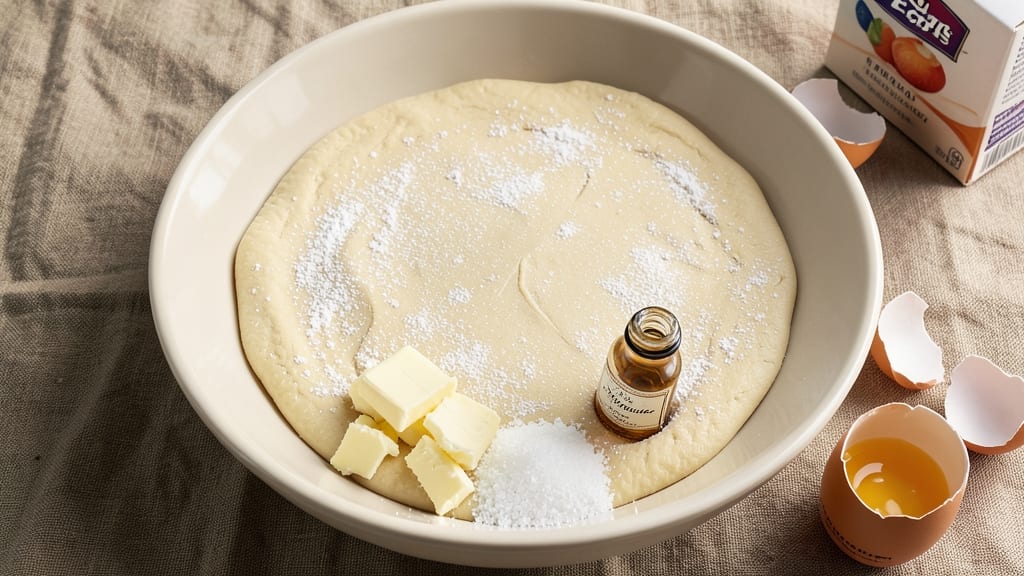
Betty Crocker's rolled sugar cookies deliver that perfect balance of tender centers and crisp edges that make them ideal for decorating. This classic recipe has been my go-to for holiday baking and special occasions, producing cookies that hold their shape beautifully while staying soft in the middle.
The secret lies in the precise ratio of butter to sugar and a proper chilling time that ensures easy rolling and clean cutting.
What sets these cookies apart is their ability to handle intricate shapes and detailed decorations without falling apart. With just 5 simple ingredients—flour, butter, sugar, vanilla, and eggs—you can achieve restaurant-quality results that look as impressive as they taste.
The dough is rolled to an even thickness, ensuring consistent baking and that signature puffy edge that makes these cookies so special.
By following the proper baking technique, you'll end up with cookies that are golden around the edges yet remain tender inside, perfect for piping royal icing or sprinkling with colorful decorations.
The aroma filling your kitchen during baking is enough to make anyone eager for the final product. Let's get started on creating these timeless treats.
These cookies work perfectly for holiday gift-giving, parties, or simply satisfying a sweet tooth. The recipe scales easily, so you can make a large batch to share with friends and family. Whether you're an experienced baker or just starting out, this recipe delivers foolproof results every time.
Ingredients for betty crocker rolled sugar cookie
Five simple ingredients transform into classic rolled sugar cookies with perfect puffy edges and tender centers.
| Ingredient | Amount | Notes |
|---|---|---|
| All-Purpose Flour 🌾 | 3 cups | Sifted for light texture |
| Unsalted Butter 🧈 | 1 cup | Cold, cubed, room temp |
| Granulated Sugar 🍚 | ¾ cup | Superfine preferred for smoothness |
| Pure Vanilla Extract 🌿 | 1 tbsp | High-quality, no alcohol |
| Large Eggs 🥚 | 1 whole | Room temperature for blending |
| Kosher Salt 🧂 | ½ tsp | Fine grain preferred |
| Powdered Sugar 🍚 | ¼ cup | For rolling and decorating |
| Cornstarch 🌾 | 1 tbsp | Prevents sticking |
The butter and sugar ratio is non-negotiable for that signature texture. Use European-style butter like Plugrá or Land O’Lakes if possible—it has higher fat content (82-86%) for richer flavor and better texture. The flour must be all-purpose, not self-rising—the chemical leaveners in self-rising will throw off the delicate balance. Sift the flour and cornstarch together to avoid lumps, which can create dense spots in your cookies. For the vanilla, Reese's or Nielsen-Massey are reliable brands that deliver consistent flavor without overpowering the dough. The eggs should be at room temperature to blend smoothly with the butter and sugar.
No superfine sugar? Pulse granulated sugar in a food processor for 30 seconds—it’ll work in a pinch. Short on vanilla? Almond extract at half the amount adds depth without overpowering. Substituting salt? Diamond Crystal kosher salt is the standard—Morton has a finer grain and measures differently. For a richer dough, replace 2 tbsp of the all-purpose flour with cake flour. The cornstarch is optional but helps prevent sticking when rolling—especially important if your kitchen is humid. If you’re baking in a high-altitude area, consider reducing the sugar slightly to prevent spreading.
This dough must chill for at least 2 hours—overnight is ideal for easier handling. Wrap tightly in plastic wrap to prevent drying. Once rolled, cut into shapes immediately and bake within 30 minutes to maintain moisture. Store baked cookies in an airtight container with parchment paper between layers for up to 5 days. For long-term storage, freeze unbaked dough logs for up to 3 months—wrap tightly in plastic and freeze. Re-roll and bake as directed. The powdered sugar for rolling should be sifted to avoid clumps, and any leftovers can be saved in a sealed container for up to 2 weeks
Why You'll Love This Recipe
- No-Fuss Dough: I swear, this dough comes together in three steps—cream butter and sugar, mix in dry ingredients, then roll. No stand mixer required, no waiting for gluten to develop. Just flour, butter, and a little elbow grease (or a rolling pin, if you're feeling fancy).
- Butter-Sugar Magic: That creamed butter and sugar combo? It’s where the real flavor lives—rich, tender, and just sweet enough. Add vanilla, and suddenly you’ve got cookies that taste like nostalgia in every bite. (Yes, even my picky teenage nephew approves.)
- Holiday or Snack Attack: Shape them into trees for Christmas, cut them into stars for birthdays, or just roll them into balls for a quick snack. The dough keeps well, so I make a batch, freeze half, and pull it out whenever I need a treat—no last-minute baking stress.
- Budget-Friendly Staples: Flour, butter, sugar—these are pantry basics you already own. No weird ingredients, no pricey shortcuts. Plus, the dough makes dozens of cookies, so you’ll have leftovers for days without breaking the bank. (Or guilt.)
Step-by-step instructions for Betty Crocker rolled sugar cookies
Here's the method for achieving that classic Betty Crocker texture—soft centers with crisp, puffy edges.
Create the Dough with Cold Butter
In a large mixing bowl, combine the 3 cups all-purpose flour, 1 tablespoon cornstarch, and ½ teaspoon kosher salt. Whisk together until evenly distributed—this prevents lumps and ensures a smooth dough. In a separate bowl, beat the 1 cup unsalted butter (cold and cubed) with the ¾ cup granulated sugar using a hand mixer or stand mixer fitted with the paddle attachment. Cream until light and fluffy, about 3-4 minutes.
Add the 1 whole large egg and 1 tablespoon pure vanilla extract, mixing on low speed until fully incorporated. Gradually add the dry ingredients to the wet mixture, mixing on low until just combined. Avoid overmixing—this develops gluten and makes cookies tough. Once the dough comes together, divide it into two equal portions and flatten each into a ½-inch-thick disk. Wrap tightly in plastic wrap and refrigerate for at least 1 hour or up to 24 hours. This resting time is crucial for developing flavor and preventing spreading.
Roll and Cut for Perfect Shapes
Preheat your oven to 375°F and line two baking sheets with parchment paper. On a lightly floured surface, roll out one disk of dough to ¼-inch thickness. Use a 2½-inch round cutter (or your preferred shape) to cut out cookies, placing them 2 inches apart on the prepared baking sheets. Reroll the scraps and cut additional cookies until the dough is fully used. Sprinkle the cut cookies lightly with the ¼ cup powdered sugar for that classic rolled sugar cookie finish.
Real talk: if the dough cracks while rolling, it’s too warm. Chill it for another 15-20 minutes before retrying. The powdered sugar adds sweetness and prevents sticking, but don’t overdo it—just a light dusting is enough. For extra decoration, use a fork to create crisscross patterns on top of each cookie before baking.
Bake to Golden Perfection
Bake the cookies for 8-10 minutes, rotating the baking sheets halfway through, until the edges are golden brown and the centers still look slightly soft. Overbaking leads to dry cookies, so watch closely—you want them to hold their shape but remain tender inside. Remove from the oven and let them cool on the baking sheets for 2 minutes before transferring to a wire rack to cool completely.
Here’s the thing—if your oven runs hot, reduce the temperature to 350°F and bake for 10-12 minutes. The cookies should be soft in the center with slightly crisp edges. For even better results, bake only one sheet at a time to avoid temperature fluctuations in the oven. Once fully cooled, store in an airtight container to maintain freshness.
Decorate and Enjoy
Once completely cooled, these cookies are ready for decorating. Use royal icing, melted chocolate, or sprinkles to create your desired designs. The powdered sugar coating makes them ideal for festive occasions or simple, elegant treats. If you’re not decorating immediately, store the plain cookies in an airtight container for up to 5 days—they’ll stay soft and flavorful.
Each bite should deliver a perfect balance of buttery richness, vanilla sweetness, and that signature crisp edge. The secret to these cookies lies in the cold butter and proper chilling—don’t skip it! Serve with a glass of milk or coffee for the ultimate classic experience.
Pro Tips For Making Betty Crocker Rolled Sugar Cookie
- Chill the Dough Twice: I learned this the hard way—skipping the second fridge rest makes rolling the dough a nightmare. After mixing, flatten the dough into a disk, wrap it in plastic, and refrigerate for at least 2 hours. Then, pull it out 15 minutes before rolling so it’s pliable but not sticky. Trust me, your cookies will thank you with cleaner cuts and less stress.
- Use Room-Temp Butter: Cold butter = tough cookies. Take your unsalted butter out of the fridge 1-2 hours before mixing—it should be soft enough to press gently but not greasy. I used to cube it straight from the fridge, and my cookies always turned out dry and crumbly. Room temperature makes all the difference.
- Skip the Overworking: The dough only needs 1-2 minutes of mixing after adding the flour. Once it comes together, stop. Overmixing develops gluten, and those cookies will turn out chewy instead of tender. I’ve ruined batches by kneading too long—now I set a timer and walk away.
- Roll Thin, Bake Fast: Aim for ⅛-inch thickness when rolling, not the ¼-inch the recipe might suggest. Thinner cookies bake evenly and stay crisp. Preheat your oven to 375°F and use a parchment-lined tray—no crowding! I used to bake them thick, and they’d spread into sad, flat pancakes. Now they’re perfect every time.
Troubleshooting your betty crocker rolled sugar cookie
Dough Too Sticky
If your dough refuses to hold its shape while rolling, it’s likely too warm. Chill the dough for an additional 15-20 minutes before retrying. I’ve found that using European-style butter (like Plugrá) helps create a firmer dough due to its higher fat content.
Also, ensure your rolling surface is lightly floured—too much flour can make the dough dry, but not enough causes sticking. 🧈
Cookies Spread Too Much
Overmixing the dough or using warm butter are the most common culprits for spread cookies. Always use cold butter and mix just until combined. If your cookies still spread, try baking at 350°F instead of 375°F and reduce baking time by 1-2 minutes.
I also recommend using a 2½-inch round cutter for consistent shapes that hold their form better.
Cracked Edges After Baking
Cracked edges usually mean the dough was too warm or the oven temperature fluctuated. Let the dough rest at least 2 hours in the fridge before rolling, and avoid rolling it too thin (¼-inch is ideal).
If cracks appear after baking, try brushing the tops with a tiny bit of milk or egg wash before baking to create a barrier. This happened to me once—using powdered sugar on top helped mask the imperfections beautifully. 💫
Dry or Crumbly Texture
Dry cookies often result from overbaking or using too much flour. Bake for 8-10 minutes at 375°F and remove them when edges are just golden. If your dough feels crumbly, add 1 tablespoon cold milk or cream to bind it together.
For extra moisture, replace 2 tablespoons of flour with cornstarch—this creates a lighter texture without drying out the dough.
Uneven Baking
If cookies bake unevenly, your oven temperature might not be accurate. Invest in an oven thermometer to verify the actual temperature. Bake one sheet at a time to prevent temperature drops when opening the oven.
Rotate the baking sheets halfway through for even browning. I also recommend using parchment-lined sheets to ensure consistent heat distribution across all cookies. 🌡️
Dough Won’t Hold Shapes
If your cut cookies lose shape during baking, the dough likely didn’t chill long enough. Rest the dough for at least 2 hours (overnight is best) to strengthen the gluten structure.
For extra stability, dust the cut cookies with powdered sugar before baking—this adds a light barrier that helps maintain shape. If you’re in a hurry, freeze the shaped cookies for 15 minutes before baking to firm them up.
Nutrition facts
Frequently asked questions
Why do these cookies need to chill for so long?
The 2-hour chill (or overnight) is essential for developing flavor and preventing spreading. Cold butter creates steam during baking, which puffs the edges while keeping centers tender. Skipping this step often results in flat, greasy cookies that lose shape. Think of it as letting the dough "rest" before its big transformation!
Can I make this dough ahead of time?
This dough keeps well in the fridge for up to 4 days or can be frozen for 3 months. For freezing, shape into disks, wrap tightly in plastic, and thaw overnight in the fridge before rolling. The longer it chills, the easier it rolls—just don't overdo it or the butter will harden too much.
What's the best way to decorate these cookies?
Royal icing is classic, but melted chocolate or sprinkles work too. For piping, use a Wilton 2B tip and let icing set for 2-3 hours before stacking. Pro tip: Dust with powdered sugar before decorating to prevent sticking. Store decorated cookies in a cool, dry place (not the fridge) to keep icing crisp.
Why did my cookies turn out flat instead of puffy?
Flat cookies usually mean warm butter or overmixing. Always use cold butter (cut into cubes) and mix just until combined. If your oven runs hot, try 350°F instead of 375°F and bake for 10-12 minutes. The powdered sugar dusting also helps create that signature puff!
Can I substitute butter with something else?
For a lighter texture, try 1 cup vegetable shortening (though flavor will differ). For a richer taste, use ½ cup butter + ½ cup lard. Avoid margarine—it contains water that can make cookies spread. If you're dairy-free, use vegan butter (like Miyoko's) but chill it longer to compensate for lower fat content.