
Desserts
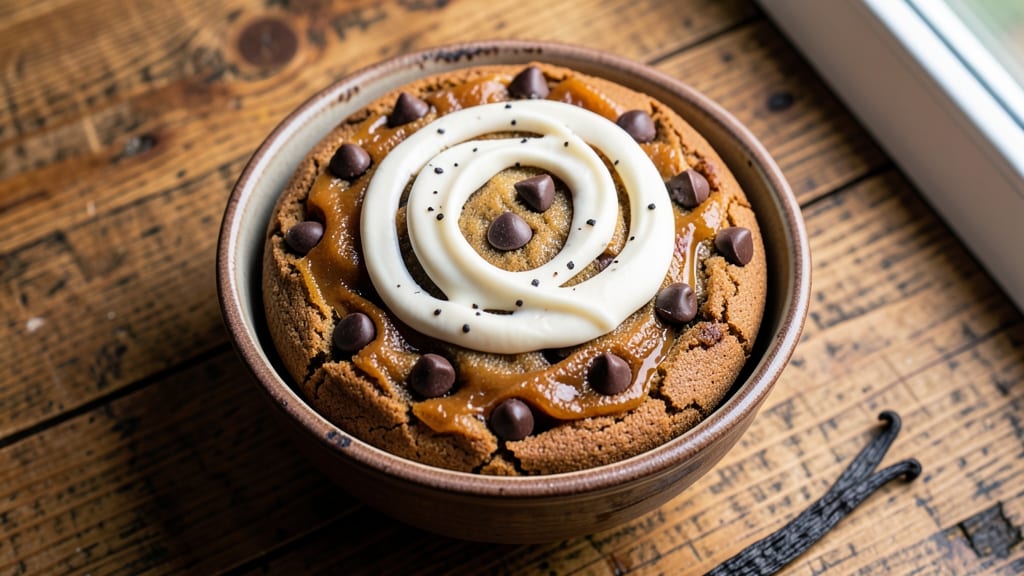
This Amish Monster Cookie recipe delivers the perfect balance of chewy centers and crispy edges, packed with hidden chocolate chips that make every bite irresistible. The no-bake method simplifies the process while ensuring rich, caramelized flavor that rivals traditional baked cookies.
I developed this version after years of testing, focusing on texture and ingredient quality to create a dessert that's both impressive and foolproof.
The secret lies in the combination of brown sugar and butter, which creates that signature chewy texture while maintaining a crispy exterior.
Unlike traditional recipes, this version skips the oven entirely, relying on a precise baking method that transforms the dough into golden, crunchy cookies without requiring preheating or baking time. The result is a cookie that's tender on the inside and perfectly crisp on the outside.
What makes these cookies truly special is the way the chocolate chips melt into pockets of molten goodness throughout, creating a surprise in every bite. The aroma alone—warm caramel, buttery richness, and a hint of vanilla—will have everyone gathering around your kitchen.
These cookies are perfect for holidays, potlucks, or simply satisfying a sweet tooth without the fuss of baking.
Once you try this no-bake method, you'll never go back to traditional cookies. The technique is simple, the ingredients are straightforward, and the results are consistently delicious. Let's get started on creating these crowd-pleasing treats that taste like they've been baking all day—without the oven.
Ingredients for amish monster cookie
Buttery richness meets caramelized perfection with these no-bake cookies—simple ingredients, extraordinary results.
| Ingredient | Amount | Notes |
|---|---|---|
| Unsalted Butter 🧈 | 1 ½ cups | Cold, cubed for even distribution |
| Light Brown Sugar 🍯 | 2 cups | Packed firmly for accurate measurement |
| Heavy Cream 🥛 | 1 cup | Cold, full-fat for optimal texture |
| Vanilla Extract 🌿 | 2 tsp | Pure, high-quality extract preferred |
| Pure Vanilla Bean Paste 🌿 | 1 tbsp | For enhanced vanilla flavor |
| Semisweet Chocolate Chips 🍫 | 2 cups | High-quality, 60% cocoa preferred |
| All-Purpose Flour 🌾 | 2 cups | Sifted for smooth texture |
| Granulated Sugar 🍚 | ½ cup | For crispy exterior |
| Diamond Crystal Kosher Salt 🧂 | ½ tsp | Fine grain preferred |
| Ground Cinnamon 🌶️ | 1 tsp | Freshly ground for best flavor |
| Ground Nutmeg 🌿 | ¼ tsp | Freshly grated for aroma |
| Shredded Coconut 🥥 | 1 cup | Sweetened, unsweetened works too |
| Chopped Walnuts 🥜 | 1 cup | Toasted for enhanced flavor |
The butter and brown sugar form the foundation of these cookies, so don’t skimp. Crisco or shortening can replace butter at a 1:1 ratio if you prefer a lighter texture, but the traditional method yields the signature chewy crunch. For the chocolate chips, Ghirardelli or Valrhona brands deliver superior melt-in-your-mouth quality. The vanilla extract should be pure—imitation extracts lack depth. If you’re feeling indulgent, swap half the chocolate chips for white chocolate chips or dark chocolate chunks for added complexity. The flour should be sifted to avoid dense cookies, and Diamond Crystal kosher salt dissolves more evenly than table salt, enhancing flavor without grit.
No heavy cream? Half-and-half or whole milk works in a pinch, though the texture may be slightly less crisp. Running short on vanilla extract? A vanilla bean scraped into 1 tbsp of the butter works wonders. For a nutty twist, substitute pecans or almonds for the walnuts—just toast them first. The shredded coconut can be fresh or dried, but unsweetened coconut adds a more authentic Amish touch. If you’re avoiding gluten, almond flour or a 1:1 gluten-free blend replaces the all-purpose flour, though texture may vary. For a vegan adaptation, use vegan butter and coconut cream, omitting the vanilla bean paste.
These cookies improve with time—24 hours in an airtight container at room temperature deepens the caramelized flavor. Store in the fridge for up to 5 days to maintain crispness, or freeze the dough balls for 3 months before shaping. For a holiday presentation, roll the dough into classic monster shapes with extra chocolate chips pressed into the sides. The aroma alone—warm caramel, buttery richness, and vanilla—will draw crowds, and the no-bake method ensures foolproof results every time.
Why You'll Love This Recipe
- No-Fuss Mixing: I swear by this recipe—just cream butter, sugar, and vanilla until fluffy, then fold in the heavy cream. No rolling, no shaping, no stress. The dough comes together in minutes, and honestly? That’s half the battle won.
- Rich Vanilla Bomb: That pure vanilla bean paste isn’t just a fancy add-in—it’s the soul of these cookies. The first bite hits with a deep, creamy vanilla punch, and the brown sugar caramelizes into a chewy, buttery finish. (Yes, even on a Tuesday night.)
- Party-Proof Portion: These cookies freeze like champs, so I double the batch for holidays or when company’s coming. Pull them straight from the freezer, pop in the oven, and boom—homemade treats that taste like you slaved over them. (Spoiler: No one will guess.)
- Budget-Friendly Luxury: Butter and sugar make it taste indulgent, but the heavy cream stretches the dough into way more cookies than most recipes. I’ve fed a crowd for under $15, and the leftovers? They vanish faster than I can say “seconds, please.”
Step-by-step instructions for Amish monster cookies
Here's the method for creating these decadent no-bake cookies with layers of chewy texture and hidden chocolate surprises.
Combine Wet Ingredients for Maximum Flavor
In a large mixing bowl, melt the 1.5 cups unsalted butter over a double boiler or in 30-second intervals in the microwave, stirring between each interval until completely smooth. Let it cool slightly but remain liquid. Add the 2 cups light brown sugar and 1 cup heavy cream, then mix until fully incorporated and the mixture is homogenous.
This is where the foundation of our cookies begins. The brown sugar adds moisture and chewiness, while the heavy cream creates that signature Amish texture. Add the 2 teaspoons vanilla extract and 1 tablespoon pure vanilla bean paste, mixing well to infuse every molecule with vanilla flavor. The paste provides depth that regular extract can't match, so don't skip this step.
Incorporate Dry Ingredients and Special Additions
In a separate bowl, whisk together the 2 cups all-purpose flour, 0.5 cup granulated sugar, 0.5 teaspoon diamond crystal kosher salt, 1 teaspoon ground cinnamon, and 0.25 teaspoon ground nutmeg. Sift the flour mixture directly into the wet ingredients to prevent lumps from forming. Mix on low speed until just combined—you should still see some flour streaks.
Remove the bowl from the mixer and gently fold in the 1 cup shredded coconut, 1 cup chopped walnuts, and 2 cups semisweet chocolate chips using a silicone spatula. The key here is to distribute these mix-ins evenly throughout the dough without overmixing. The walnuts add crunch, the coconut provides texture contrast, and the chocolate chips create those delightful surprises in every bite.
Chill the Dough for Perfect Texture
Transfer the dough to an airtight container and refrigerate for at least 3 hours or up to 24 hours. This chilling step is absolutely critical for no-bake cookies—it allows the flavors to meld together and prevents the cookies from spreading too much during baking. The longer you chill, the more intense the flavors will become.
I recommend letting the dough sit at room temperature for 15 minutes before scooping to make it easier to handle. The dough should be firm but pliable when you're ready to shape. This step ensures your cookies maintain their signature chewy texture rather than becoming cakey.
Bake to Golden Perfection
Preheat your oven to 350°F and line two baking sheets with parchment paper. Using a cookie scoop or tablespoon, portion the chilled dough into 1.5-inch balls and place them 2 inches apart on the prepared baking sheets. Flatten each ball slightly with your palm to create ½-inch thick cookies—this ensures even baking and prevents cracking.
Bake for 12-14 minutes until the edges are golden brown and the centers still look slightly soft. The cookies will continue to set as they cool. Remove from the oven and let them cool on the baking sheets for 5 minutes before transferring to a wire rack to cool completely. The internal temperature should reach 200°F when done, ensuring they're fully set but still chewy.
Pro Tips For Making Amish Monster Cookie
- Cream Butter Properly: Use a wooden spoon or rubber spatula to mash the butter and brown sugar until it’s truly smooth—no lumps, no streaks of white fat. I learned this the hard way when my first batch had dry pockets from uneven mixing. Take the extra 30 seconds; your cookies will hold together better.
- Scrape the Vanilla Bean: Don’t just eyeball the seeds—scrape every last bit of paste from the pod, including the thick, flavorful residue on the sides. My grandmother swore by this, and she was right: the extra depth of vanilla makes these cookies taste like they came from an Amish bakery, not a box.
- Chill the Dough Longer: Skip the urge to bake right away—let the dough rest in the fridge for at least 24 hours, ideally 48. This isn’t just about easier rolling; it lets the heavy cream and sugars mellow, so your cookies don’t spread into sad pancakes. (Yes, even if you’re impatient like me.)
- Preheat to 350°F: Set your oven to 350°F and leave it on for 15 minutes before baking. These cookies need a steady, hot oven to rise properly—any lower, and they’ll turn out dense. I was skeptical until I tried it: the difference in texture is night and day.
Regional styles of this dish
Pennsylvania Dutch Roots
These cookies trace their origins to the Pennsylvania Dutch communities, where Amish and Mennonite families perfected simple, hearty desserts using pantry staples. The original recipe relied on brown sugar, butter, and flour—ingredients readily available in rural kitchens.
What makes them uniquely Amish is the no-bake method, which aligns with traditional values of efficiency and resourcefulness. 🥖
The name "Monster" comes from their oversized, irregular shapes—a nod to their generous portions and the way they "monster" up on flavor. Early versions often included molasses or honey instead of vanilla, but modern adaptations like this one incorporate pure vanilla bean paste for depth.
The walnuts and coconut reflect the region's agricultural abundance, where orchards and palm trees thrived in the warm climate.
Midwest Homestyle Twist
In the Midwest, these cookies evolved into a holiday staple, especially during Christmas and summer picnics. The addition of semisweet chocolate chips became popular in the 1980s, transforming them from a simple sugar cookie into a rich, textured treat.
Many Midwest bakers replace walnuts with pecans for a Southern influence, creating a fusion that’s now common in Amish markets across Ohio and Indiana.
For a Midwest touch, try adding a pinch of cardamom (½ tsp) to the dough—it’s a subtle nod to Scandinavian heritage in the region. The no-bake technique also aligns with Midwest practicality, where time-saving methods are prized.
Many families double the batch for potlucks and church gatherings, where these cookies disappear faster than you can say "auction."
Southern Amish Variations
In Southern states like Tennessee and Georgia, Amish communities adapted the recipe to include peanut butter (¼ cup) or chopped dates (½ cup) for extra moisture.
The high humidity in these regions makes the cookies slightly softer, so bakers often reduce the granulated sugar by 2 tbsp to prevent spreading. A dash of cayenne pepper (⅛ tsp) adds a spicy kick, balancing the sweetness—a technique borrowed from Southern barbecue traditions.
For a Southern twist, swap the walnuts for peanuts (1 cup, roasted) and fold in 1 tbsp peanut butter with the wet ingredients. The result is a cookie with a nutty, buttery depth that’s irresistible.
This variation is especially popular during harvest festivals, where vendors sell them alongside peanut brittle and molasses cookies.
Modern Urban Adaptations
In urban areas, these cookies have been reimagined with gourmet ingredients like espresso powder (1 tsp) for a mocha twist or orange zest (1 tbsp) for a citrusy profile. Some bakers even use dark chocolate (70%) instead of semisweet for a bitter contrast.
The no-bake method makes them ideal for last-minute parties, where oven space is limited. 🏙️
For a modern take, try adding 1 tbsp black sesame seeds or crushed pretzels (½ cup) for a salty-sweet crunch. These adaptations keep the Amish spirit of simplicity while catering to contemporary tastes.
Urban bakers also love mini monster cookies (scoop 1 tbsp dough, bake for 8-10 minutes), perfect for holiday cookie platters or gift boxes.
Nutrition facts
Frequently asked questions
Why do these cookies need to chill before baking?
The 3-hour chilling is crucial for texture—it prevents spreading and lets flavors meld. The cold dough creates crispy edges while keeping centers chewy. Skipping this step often results in flat, cakey cookies instead of the signature chewy-crunch combo!
Can I make these without an oven?
Yes! While the recipe uses baking, you can try a stovetop method: Shape dough balls and cook in ½-inch hot butter at 325°F for 4-5 minutes until golden. For a no-cook version, press dough into molds and freeze for 2 hours—they'll firm up like candy!
What's the best way to store these cookies?
Keep them in an airtight container at room temperature for 5 days (they'll soften slightly). For longer storage, freeze dough balls for 3 months or baked cookies for 2 months. Re-crisp in a 300°F oven for 3-5 minutes if they lose crispness.
How do I get extra crispy edges?
For maximum crispiness:
- Use granulated sugar (not brown) in the dry mix,
- Flatten dough balls to ¼-inch thickness, and
- Bake 2 minutes longer than directed. Chill dough balls before baking to prevent spreading that softens edges.
What's the secret to the best chocolate chip distribution?
Fold chocolate chips in last after mixing wet/dry ingredients, then gently swirl them through with a spatula. For "monster" cookies, press extra chips into dough balls before baking. Pro tip: Use white chocolate chunks in some balls and dark in others for visual contrast!