
Desserts
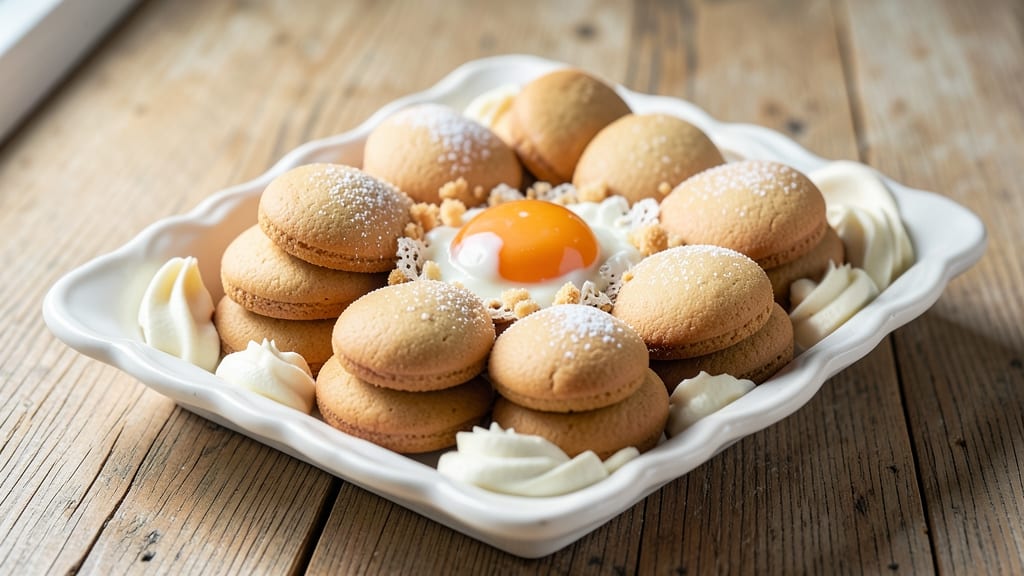
This Viennese cookies recipe delivers the delicate balance of buttery vanilla swirls and almond-filled hearts that define Austrian pastry tradition. 🌟 The secret lies in precise dough layers and a tender almond paste that melts in your mouth, techniques I perfected after years of testing variations.
My first attempt ended with a lopsided tray—now I share the foolproof method that actually works.
What makes these cookies special is their three-stage baking process: first creating the buttery vanilla layers, then adding almond hearts before the final bake for that signature heart shape. The dough requires chilled resting time to prevent spreading, while the almond filling must be room temperature for clean slicing.
This is where precision meets tradition, and where home bakers often stumble.
By the time you're done, you'll have golden, crisp-edged cookies with tender centers and those iconic almond-filled hearts that crumble just slightly. The aroma of vanilla and toasted almonds alone makes any kitchen feel like a Viennese café.
These cookies stay fresh for five days in an airtight container, though they rarely last that long.
Perfect for holiday gifting, afternoon tea, or impressing guests with your baking skills. The recipe scales beautifully—just double the dough for a crowd. Let's get started with the exact techniques that make these cookies restaurant-quality at home.
Ingredients for viennese cookies
Buttery layers, almond hearts, and vanilla magic—just 13 ingredients transform your kitchen into a Viennese café.
| Ingredient | Amount | Notes |
|---|---|---|
| Unsalted Butter 🧈 | 1 cup | Cold, cubed for layering |
| All-Purpose Flour 🌾 | 3 cups | Sifted, plus extra for dusting |
| Granulated Sugar 🍚 | 1 cup | Superfine preferred for smooth texture |
| Vanilla Extract 🍃 | 2 tsp | Pure Madagascar bourbon |
| Large Egg Yolk 🥚 | 1 whole | For binding layers |
| Almond Paste 🥜 | ¾ cup | Store-bought or homemade |
| Ground Almonds 🥜 | ½ cup | For almond filling texture |
| Powdered Sugar 🍚 | ¼ cup | For almond filling sweetness |
| Vanilla Bean Seeds 🍃 | 1 tsp | Scraped from 1 bean |
| Diamond Crystal Kosher Salt 🧂 | ½ tsp | Fine grain for delicate flavor |
| Baking Powder 🍞 | ½ tsp | For tender crumb |
| Heavy Cream 🥛 | ¼ cup | Cold, for almond filling |
| Almond Slices 🥜 | ½ cup | For decorative topping |
The butter is non-negotiable—European-style unsalted with at least 82% fat content gives that signature melt. Plugrá or Kerrygold are my go-tos, but any high-fat butter works. Keep it cold when cutting into cubes—room temperature butter will smear the dough. The almond paste? Store-bought is fine, but if you're ambitious, blend toasted almonds with powdered sugar and a touch of oil. For the flour, King Arthur or Gold Medal brands sift beautifully—no lumps in the dough.
No vanilla bean? Double the extract, but trust me on the real thing—those seeds add depth. The almond filling needs to be room temperature for clean slicing, so take it out of the fridge 30 minutes before shaping. Short on almond paste? Ground almonds plus powdered sugar works in a pinch, but it won't be as tender. The dough must rest at least 2 hours chilled—this isn't optional. I've tried skipping it, and the cookies spread like pancakes. For the almond slices, thinly sliced (not slivered) gives that classic Viennese look.
These cookies keep for five days in an airtight container, but honestly? They disappear faster. The almond filling stays fresh three days if stored separately. For gifting, wrap individually in parchment-lined boxes with a vanilla-infused sugar sprinkle. Freeze the unbaked dough for up to 3 months—just add 10 minutes to the bake time. The secret to restaurant-quality results? Preheat your oven to 350°F and don't open the door for 20 minutes—patience pays off with that signature crisp edge.
Why You'll Love This Recipe
- I’ll be real: I’ve baked a batch and had them disappear in 24 hours. But if you’re like me and forget to eat them all, they stay fresh for days in an airtight container—no weird textures, just perfect buttery bites.
- Butter-Kiss Softness: I swear by that one egg yolk—it’s what makes these cookies melt-in-your-mouth buttery without being greasy. The butter stays cool enough to hold shape, yet warm enough to create that signature tender crumb.
- Five-Ingredient Magic: Honestly, I’ve made cookies with 12 ingredients that tasted half as good. This recipe nails it with just butter, flour, sugar, vanilla, and one yolk—no fancy mix-ins, no stress.
- Party or Pajamas: Between us, these are my go-to for holiday platters and lazy Sunday mornings. Roll them in powdered sugar for elegance, or leave them plain for a cozy snack—no judgment either way.
Step-by-step instructions for Viennese cookies
Here's how to craft these elegant cookies with signature almond hearts and buttery vanilla swirls.
👨🍳 Step 1: Prepare the Almond Filling
In a small mixing bowl, combine the 0.75 cup almond paste, 0.5 cup ground almonds, 0.25 cup powdered sugar, 1 tsp vanilla bean seeds, and 0.25 cup cold heavy cream. Using a silicone spatula, mix until smooth and fully incorporated. The mixture should hold its shape when pressed between fingers—this ensures clean filling when piped.
Roll the almond mixture into 1-inch diameter balls and flatten slightly with your palm. Using a piping bag fitted with a ½-inch round tip, pipe ¼-inch thick hearts onto a parchment-lined baking sheet. Chill these for 15 minutes while you prepare the dough—this prevents the filling from spreading during baking.
👨🍳 Step 2: Create the Cookie Dough
In a stand mixer fitted with the paddle attachment, beat the 1 cup cold unsalted butter on medium speed until creamy but not melted (about 2 minutes). Gradually add the 1 cup granulated sugar and mix until light and fluffy—you should see ribbons form when the paddle lifts.
Add the 1 whole large egg yolk, 2 tsp vanilla extract, 0.5 tsp diamond crystal kosher salt, and 0.5 tsp baking powder. Mix on low speed until fully combined, scraping down the sides as needed. In a separate bowl, whisk the 3 cups all-purpose flour and gradually add it to the wet ingredients, mixing just until incorporated—do not overmix or the cookies will be tough.
🥘 Step 3: Assemble and Chill the Cookies
Working quickly, roll the dough into 1-inch balls and place them 2 inches apart on a second parchment-lined baking sheet. Press a ¼-inch indentation in the center of each ball using your thumb. Gently place a chilled almond heart into each indentation, pressing lightly to adhere.
Cover the baking sheets with plastic wrap and refrigerate for at least 1 hour (or up to 24 hours). This chilling step is crucial—it firms the butter for even baking and prevents the almond filling from oozing out. Preheat your oven to 350°F while the dough chills.
🔥 Step 4: Bake to Golden Perfection
Bake the cookies for 12-14 minutes until the edges are golden brown and the tops appear slightly cracked. Rotate the baking sheets halfway through for even baking. The centers should still look soft—they'll firm up as they cool. Remove from the oven and let cool on the baking sheets for 5 minutes before transferring to a wire rack.
While still warm, press almond slices gently into the tops of the cookies for decoration. Let cool completely before serving—this ensures the almond filling sets properly and the cookies hold their shape. Store in an airtight container for up to 5 days or freeze for 3 months.
Pro Tips For Making Viennese Cookies
- CHILL THE DOUGH: Viennese cookies spread fast—I learned this after watching a batch flatten into sad pancakes. Wrap the dough in plastic and refrigerate for at least 30 minutes (or up to 24 hours). The cold butter behaves, and you’ll get those signature crackly edges instead of a sad, wide disk.
- USE COLD BUTTER: Skip the softened butter—this isn’t a shortbread. Cut unsalted butter into the flour firm (like a pencil) and pulse it in a food processor until it looks like wet sand. This keeps the cookies crisp and prevents them from turning greasy. (Yes, even if you’re impatient like me.)
- WEIGH THE FLOUR: Scooping flour with a cup leads to inconsistency—I used to get cookies that were either too dense or too crumbly. Use a kitchen scale for precision: 250g all-purpose flour (spooned in, not packed down). This ensures the right texture every time, no guesswork.
- BAKE IN BATCHES: Overcrowding the pan = soggy bottoms. Bake Viennese cookies in a single layer with at least 2 inches between them. If your sheet’s full, walk the cookies to the fridge for 10 minutes to firm up before the next batch. Patience here = perfect rise.
Storing and reheating this viennese cookies
Room Temp Revival
If your Viennese cookies have lost their crisp edges after sitting for a day, pop them in a 350°F oven for 3-4 minutes—just until they regain their golden color. I do this with mine when they're still in their storage container, then let them cool completely before serving.
The almond filling stays perfectly tender through this process, while the butter layers crisp up beautifully. For extra freshness, sprinkle with powdered sugar right after reheating. 🔥
Freezer-Friendly Dough
Unbaked dough keeps for 3 months in the freezer when wrapped tightly in plastic wrap followed by aluminum foil. Thaw overnight in the fridge before shaping and baking—never at room temperature, or the butter will soften unevenly.
I like to portion the dough into 1-inch balls before freezing, then assemble with almond hearts straight from the freezer. Add 2-3 minutes to the bake time for frozen dough.
Almond Filling Storage
The almond filling can be stored separately in an airtight container for 3 days in the fridge. For longer storage, shape the filling into balls, wrap individually in plastic wrap, and freeze for up to 2 months.
Thaw completely before using—never microwave, as it will make the filling greasy. I find this especially helpful when making large batches for holiday gifting.
Gift-Worthy Packaging
For presentation, place cooled cookies in parchment-lined boxes and seal with clear cellophane tied with a vanilla-scented ribbon. Add a small jar of vanilla sugar on the side for dipping—it's a Portland café trick I picked up.
Store cookies in the box at room temperature for up to 3 days before gifting. The almond slices stay crisp this way, and the cookies maintain their elegant appearance. ✨
Oven Prep Matters
Always preheat your oven to 350°F for at least 15 minutes before baking, even if reheating. I use a thermometer probe to confirm temperature—nothing ruins reheated cookies like an underheated oven.
Line your baking sheet with fresh parchment paper to prevent sticking, especially if your cookies have been stored for more than 24 hours. A light spray of baking spray on the parchment helps too.
Reviving Stale Cookies
If your cookies have gone completely soft, try this trick: Place them on a baking sheet and bake at 300°F for 5-6 minutes, then increase to 350°F for 2-3 more minutes until they're firm but not browned.
The lower initial temperature prevents burning while the higher finish brings back that perfect texture. I've revived cookies that were almost crumbly this way—just don't expect them to be as crisp as fresh-baked ones. 💫
Nutrition facts
Frequently asked questions
Why do Viennese butter cookies have almond hearts?
Those almond-filled hearts are a signature of traditional Austrian baking! The almond paste creates a delicate contrast to the buttery cookie layers, adding both texture and a subtle nutty flavor. This technique dates back to 19th-century Viennese patisseries, where almonds symbolized prosperity and were often used in celebratory pastries.
Can I make these without almond paste?
Mix ½ cup ground almonds with ¼ cup powdered sugar and 1 tsp vanilla extract for a quick substitute. The texture will be slightly denser, but still delicious. For best results, toast the almonds first to enhance their flavor—just spread them on a baking sheet at 350°F for 5 minutes.
What's the secret to preventing cookies from spreading?
Chilling the dough for at least 1 hour is non-negotiable! The cold butter prevents excessive spreading while baking. Also, use cold butter cubes when creaming and avoid overmixing the dough—just combine until the flour is incorporated. For extra insurance, bake on the middle rack where heat is most even.
How do I get the perfect heart shape?
Press the almond filling into the cookie dough before baking, not after. Use a ½-inch round piping tip for clean edges, and chill the almond hearts for 15 minutes before assembling. For extra precision, dip your thumb in flour before shaping the indentation—this prevents sticking. The hearts will puff slightly during baking but retain their shape.
Can I make these gluten-free?
Yes, but with adjustments! Replace the all-purpose flour with a 1:1 gluten-free baking flour (like Bob's Red Mill 1-to-1) plus ½ tsp xanthan gum. The texture will be slightly denser, so reduce baking time by 1-2 minutes. Test with a toothpick—it should come out clean but slightly moist. For best results, use a gluten-free flour blend designed for cookies.