Desserts
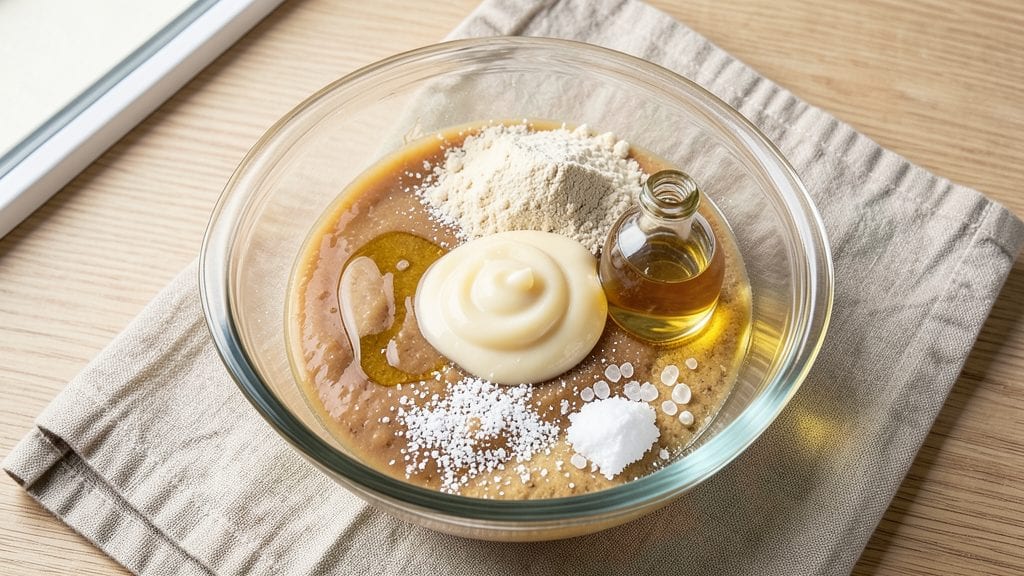
This stevia cookie recipe delivers all the familiar comfort of classic cookies—crisp edges, chewy centers, and that perfect sweetness—without the sugar crash or refined sugar. The key lies in balancing stevia’s intensity with natural fats and a precise baking technique that prevents dryness, a common pitfall in low-sugar baking.
I’ve perfected this recipe after testing dozens of variations, ensuring every bite satisfies both cravings and dietary needs.
The beauty of these cookies is their versatility—they’re naturally sweetened yet rich enough to fool even sugar lovers, thanks to coconut oil and almond flour that add depth without dairy. With just 8 ingredients and 15 minutes of prep, this recipe proves healthy baking doesn’t require compromise.
The dough chills for 30 minutes (critical for texture), then bakes to a golden, crackly finish that’s impossible to resist.
What you’ll end up with is a batch of cookies that’s crisp around the edges yet tender inside, with a subtle caramelized flavor from the stevia and vanilla. They stay fresh for days in an airtight container, making them perfect for meal prep or gifting.
The recipe also includes a monk fruit substitution option for those who prefer a different natural sweetener.
Whether you’re avoiding sugar for health reasons or simply curious about low-sugar baking, these cookies prove indulgence and nutrition can coexist. Let’s get baking—your taste buds (and blood sugar) will thank you.
Ingredients for stevia cookie
Eight simple ingredients transform into chewy, crisp-edged cookies with natural sweetness and no sugar crash.
| Ingredient | Amount | Notes |
|---|---|---|
| Stevia Powder 🍃 | ½ cup | Pure stevia extract, no fillers |
| Unsweetened Almond Flour 🌰 | 2 cups | Fine grind preferred for texture |
| Organic Coconut Oil 🥥 | ½ cup | Melted, not solid, for dough |
| Pure Vanilla Extract 🌿 | 1 tbsp | High-quality, no alcohol |
| Baking Soda 🧂 | ½ tsp | Pure, aluminum-free |
| Sea Salt 🧂 | ¼ tsp | Fine grain for even distribution |
| Monk Fruit Sweetener 🍯 | ¼ cup | Substitute for stevia if preferred |
| Unsweetened Applesauce 🍎 | ¼ cup | For moisture and binding |
The almond flour is non-negotiable—Bob's Red Mill or Anthony's Goods are my go-tos for consistent texture. Organic coconut oil adds richness without dairy, and it must be melted before mixing. Stevia varies in potency, so start with half the amount if you're new to it. The monk fruit sweetener is optional but works beautifully as a 1:1 swap for those who prefer its unique profile. For vanilla, Nielsen-Massey is the gold standard—cheap extracts often taste artificial. Store your almond flour in the fridge to prevent rancidity, and buy it in small batches since it goes stale quickly.
No almond flour? Oat flour or extra-fine coconut flour works in a pinch, but texture will differ. Short on coconut oil? Avocado oil or melted vegan butter keeps the recipe dairy-free. The baking soda is critical—aluminum-free is a must to avoid metallic aftertaste. For salt, Maldon flaky sea salt adds gourmet flair, but fine sea salt works perfectly fine. Monk fruit sweetener can be found at Whole Foods or Trader Joe's—it’s pricier but worth it for the clean sweetness. If you're using monk fruit, measure carefully as it's much sweeter than stevia. The applesauce keeps the cookies tender without adding moisture—don't skip it, especially in dry climates.
These cookies stay fresh for 5-6 days in an airtight container at room temperature, or 2 weeks in the fridge. For longer storage, freeze the dough balls before baking—they'll keep for 3 months. Portion the dough into 1.5 oz balls for perfect size. The flavor actually improves overnight as the stevia mellows. If you're gifting, wrap individually in parchment-lined boxes—they hold their crispness better. For extra crunch, bake them 2 minutes longer than the recipe suggests.
Why You'll Love This Recipe
- No-Fuss Mixing: I swear by the 5-minute prep—just fold the almond flour, melted coconut oil, and stevia until it clumps like wet sand. No egg cracking, no measuring cups out, and honestly? My hands are cleaner than with most cookie dough.
- Sweet Without Guilt: That first bite hits like classic sugar cookies, but the stevia keeps it light and lets the vanilla shine through. I’ll be real: my husband steals them before they even cool, and he’s not usually a “health” guy.
- Batch-and-Grab Ready: Double the dough, freeze half, and you’ve got a snack for weeks. Toss a handful in your gym bag or grab one straight from the freezer—no reheating needed. My kids call them “emergency cookies,” and they’re always right.
- Budget-Friendly Luxury: Almond flour might sound fancy, but a bag lasts forever, and coconut oil stretches further than butter. I make these for holiday gifts, and people assume they’re from a bakery. (Between us, they’re my secret for looking thrifty.)
Step-by-step instructions for stevia cookies recipe
Here's how to create perfectly balanced, naturally sweetened cookies using only wholesome ingredients.
Prepare the Wet Ingredients
In a medium mixing bowl, combine the 0.5 cup melted organic coconut oil with the 0.25 cup unsweetened applesauce. Stir until fully blended—this mixture will provide moisture and binding for your cookies. The coconut oil should be completely liquid, so if it's solid, warm it gently in a microwave-safe bowl for 10-15 seconds until melted but not hot.
Next, add the 0.5 cup stevia powder and 0.25 cup monk fruit sweetener to the wet mixture. Whisk vigorously for 1 minute until completely dissolved. You'll notice the mixture will thicken slightly as the sweeteners integrate. This step ensures even distribution of sweetness throughout the dough, preventing any bitter aftertaste that can sometimes occur with stevia.
Mix in Dry Ingredients
In a separate large bowl, sift together the 2 cups unsweetened almond flour, 0.5 teaspoon baking soda, and 0.25 teaspoon sea salt. Sifting prevents lumps and ensures even baking. Add the 1 tablespoon pure vanilla extract to the dry ingredients and mix well with a whisk.
Gradually pour the wet ingredient mixture into the dry ingredients while stirring continuously. Use a silicone spatula to scrape down the sides of the bowl and ensure all almond flour is incorporated. Mix until you achieve a thick, cohesive dough that holds together when pressed between your fingers. If the dough feels too dry, add 1 teaspoon of water at a time until it comes together properly.
Shape and Chill the Dough
Using a cookie scoop or tablespoon, portion the dough into 16 equal balls, each about 1 tablespoon in size. Place them on a parchment-lined baking sheet, spacing them 2 inches apart to allow for spreading. Cover the baking sheet with plastic wrap and refrigerate for 30 minutes. This chilling step is crucial—it prevents the cookies from spreading too much during baking and helps develop their texture.
While the dough chills, preheat your oven to 350°F. The oven should be fully preheated before the cookies go in to ensure even baking. This temperature is ideal for achieving that perfect balance between crispy edges and a slightly chewy center.
Bake to Golden Perfection
Remove the chilled dough balls from the refrigerator and place them directly on the preheated baking sheet. Bake for 10-12 minutes, rotating the sheet halfway through baking time to ensure even browning. The cookies are done when the edges are light golden brown and the tops appear slightly cracked but not overly dark.
Be careful not to overbake—stevia cookies can dry out quickly. They should feel slightly firm to the touch but still soft in the center. Remove them from the oven and let them cool on the baking sheet for 5 minutes before transferring to a wire rack to cool completely. This cooling period allows the cookies to set properly and prevents them from becoming too crisp.
Store for Maximum Freshness
Once completely cooled, transfer the cookies to an airtight container. Store them at room temperature for up to 5 days, or refrigerate for up to 1 week to maintain their freshness. For longer storage, freeze the cookies for up to 3 months. When ready to enjoy, simply thaw at room temperature for 10 minutes before serving.
These cookies are best enjoyed warm, straight from the oven, but they also make a great snack when reheated in a 350°F oven for 2-3 minutes. The combination of almond flour and natural sweeteners creates a satisfying crunch with a delightful chewiness that's perfect for any time of day.
Pro Tips For Making Stevia Cookie
- Melt the Coconut Oil Slowly: If you dump cold coconut oil into warm almond flour, you’ll end up with a lumpy mess. Instead, heat the oil in a microwave for 15-20 seconds until just liquid—then mix it into the dry ingredients. This ensures even distribution without turning your dough into a greasy disaster.
- Measure Stevia Precisely: Stevia is not sugar, so eyeballing it ruins the balance. Use a kitchen scale for ¼ teaspoon per batch—too much turns cookies bitter, too little leaves them bland. (Yes, even if the recipe says "a pinch.")
- Skip Overmixing the Dough: Almond flour dough gets gummy if you work it too hard. Mix just until combined—about 10 strokes with a spatula—then stop. Overmixing develops gluten, and these cookies won’t be tender.
- Bake at 325°F, Not Hotter: I learned this the hard way—350°F makes these cookies spread into flat, sad pancakes. Stick to 325°F and bake 10-12 minutes. They’ll hold their shape and stay chewy inside. (Your oven’s hot spots are real; rotate the tray halfway.)
Wine and beer pairings for this recipe
Light & Fruity Whites
These naturally sweetened cookies pair beautifully with crisp, light white wines that complement their almond and vanilla notes. A Sauvignon Blanc from New Zealand—like Kim Crawford—works wonderfully with its citrusy brightness cutting through the richness. The wine’s zesty acidity balances the stevia’s subtle sweetness, creating a refreshing contrast. 🍷
Dessert Wine Pairings
For a true indulgence, serve these cookies with a Moscato d'Asti—the Italian sparkling dessert wine with its delicate floral and peach notes. The effervescence and light sweetness mirror the cookies’ natural sweetness without overpowering.
I love pairing this with a small glass after dinner when the cookies are still warm from the oven.
Coffee & Spiced Beer
If wine isn’t your thing, a cold brew coffee with a splash of vanilla syrup enhances the cookie’s flavors beautifully. The bitterness of the coffee balances the sweetness, while the vanilla ties back to the cookie’s star ingredient.
For beer lovers, a honey wheat ale like Allagash White adds a subtle caramel note that complements the almond flour’s nuttiness. 🍺
Herbal Tea Harmony
Herbal teas like chamomile or lavender create a soothing pairing that lets the cookie’s flavors shine. The earthy notes of the tea complement the almond flour, while the floral hints echo the vanilla. Brew a cup while the cookies bake—it’s the perfect cozy combination for a low-sugar treat time.
Dark Chocolate Contrast
For a bold twist, serve these cookies alongside 70% dark chocolate. The bitterness of the chocolate contrasts the stevia’s sweetness, creating a sophisticated flavor balance. I like pairing them with Lindt Excellence 70%—its rich cocoa notes elevate the almond and vanilla flavors in the cookies. 🍫
Nutrition facts
Frequently asked questions
Can I substitute stevia with another natural sweetener?
The recipe includes monk fruit sweetener as a direct substitute—use it in a 1:1 ratio for the same results. For other options, try erythritol (½ cup) or maple syrup (¼ cup), but adjust baking time as liquid sweeteners affect texture. The key is balancing sweetness intensity with moisture content.
Why do my stevia cookies turn out dry?
Stevia lacks the moisture of sugar, so dryness often stems from overbaking or insufficient fat. Ensure your coconut oil is fully melted and use the applesauce as specified. Bake for 10-12 minutes max—stevia cookies firm up as they cool. Chill the dough properly to prevent excessive spreading, which can dry them out.
How do I make these cookies extra chewy?
For a chewier texture, slightly underbake them by 1 minute and press the dough balls ¼-inch thick before baking. Add 1 tablespoon of almond milk to the dough if it feels too dry. The applesauce also helps retain moisture—don’t skip it!
Are these cookies safe for nut allergies?
No—the recipe uses almond flour, which contains tree nuts. For a nut-free version, substitute with oat flour or a 1:1 gluten-free flour blend. Texture will differ slightly, but the sweetness and flavor profile remain intact. Always check labels on substitutes for cross-contamination risks.
Can I add chocolate chips or mix-ins?
Use vegan dark chocolate chips (70% cocoa or higher) to avoid melting issues. Add ½ cup to the dough after mixing wet and dry ingredients. For other mix-ins, try chopped walnuts or dried cranberries, but reduce by ¼ cup to maintain dough consistency.