Salads
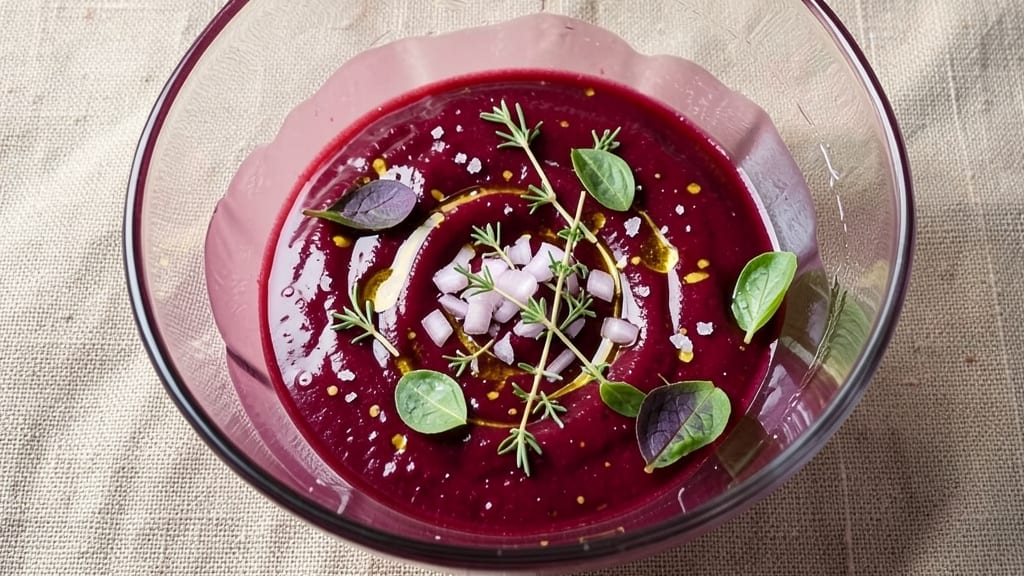
Creating a red wine salad dressing recipe that elevates every dish starts with a perfect balance of bold flavors and smooth texture. This herb-infused vinaigrette combines red wine vinegar’s tangy depth with fresh thyme and basil, creating a dressing that transforms simple salads into restaurant-worthy meals.
The Dijon mustard acts as a natural emulsifier, ensuring the oil and vinegar blend seamlessly without separating.
What makes this recipe stand out is its versatility—it works equally well on crisp greens, hearty grain salads, or grilled proteins. The process is straightforward: whisk together the ingredients until fully emulsified, then let it rest for 10 minutes to allow flavors to meld.
This step is critical for achieving a dressing that’s rich, cohesive, and ready to enhance any dish immediately.
The result is a vibrant, aromatic dressing with a perfect balance of acidity, herbal notes, and smooth olive oil richness. Each component plays a role—red wine vinegar adds brightness, Dijon mustard binds the dressing, and fresh herbs bring freshness.
Store it in the fridge for up to a week, shaking gently before each use to maintain its velvety texture.
Whether you’re prepping a meal ahead or dressing a last-minute salad, this recipe delivers professional-quality results with minimal effort. The bold flavors make it ideal for fall and winter dishes, but its versatility ensures it’s a year-round staple in your kitchen.
Ingredients for red wine salad dressing
Nine simple ingredients create a restaurant-quality dressing that transforms salads instantly.
| Ingredient | Amount | Notes |
|---|---|---|
| Red Wine Vinegar 🍷 | ½ cup | Dry and bold variety preferred |
| Extra-Virgin Olive Oil 🫒 | ¾ cup | High-quality, fruity flavor |
| Dijon Mustard 🍯 | 1 tbsp | Whole grain for best texture |
| Fresh Thyme Leaves 🌿 | ¼ cup | Finely chopped, stems removed |
| Fresh Basil Leaves 🌿 | ¼ cup | Finely chopped, stems removed |
| Shallots 🧅 | 1 whole | Minced, or sub 2 tbsp onion |
| Granulated Sugar 🍚 | 1 tsp | Balances acidity |
| Kosher Salt 🧂 | ½ tsp | Adjust to taste |
| Black Pepper 🌶️ | ¼ tsp | Freshly ground preferred |
The red wine vinegar is non-negotiable—look for dry, bold varieties like those from Bartles & Jaymes or La Tourangelle. Fresh thyme and basil are ideal, but dried works at one-third the amount if you're in a pinch. Shallots add depth, but minced red onion is a fine substitute. The olive oil should be extra-virgin with noticeable fruitiness—none of that cheap grocery store stuff. For the mustard, Dijon is essential; it emulsifies the dressing properly. If you can't find fresh thyme, French thyme from Penzeys is a solid dried alternative.
No shallots? Minced red onion or garlic both work well. Want more sweetness? Add another 0.5 tsp sugar. The dressing should taste balanced—tangy, herby, and slightly sweet. If it tastes too sharp, add a pinch more sugar. Too mild? A splash more vinegar. The Dijon mustard is key here—never skip it—it's what keeps the oil and vinegar from separating. For storage, use a glass jar with a tight-sealing lid to preserve freshness. Avoid plastic containers, as they can absorb flavors over time.
This dressing keeps beautifully in the fridge for up to 1 week, but it actually improves after 24 hours as the flavors meld. Shake gently before each use to maintain its velvety texture. For longer storage, transfer to an airtight container and freeze for up to 3 months. Thaw in the fridge overnight before using. The dressing works best when served at room temperature, so take it out of the fridge 10 minutes before tossing with your salad.
Why You'll Love This Recipe
- Five-Ingredient Magic: I swear by this combo—just vinegar, oil, mustard, and those two herbs. No fancy gadgets, no stress, and honestly? It’s the kind of dressing that makes me feel like a chef without the fuss.
- Herb-Packed Punch: That fresh basil and thyme? They’re the secret weapons here. The thyme brings this earthy depth, while the basil keeps it bright and summery—like a glass of wine, but edible.
- Weeknight Workhorse: I make a big batch on Sundays and toss it in everything: grain bowls, pasta, even grilled chicken. (Yes, even on a Tuesday night when I’m too tired to think.) It’s my go-to for when I need flavor without the effort.
- Dressing That Lasts: Between us, this keeps in the fridge for weeks—no weird separation, no sad wilted greens. I’ll be real: I’ve had a jar of this sitting since last month, and it’s still good. Budget-friendly? Absolutely.
Step-by-step instructions for red wine salad dressing
This herb-infused vinaigrette comes together in minutes with precise technique.
Whisk Together the Acidic Base
In a medium bowl, combine the 0.5 cup red wine vinegar, 1 tsp granulated sugar, and 0.5 tsp kosher salt. Whisk vigorously for 30 seconds until the sugar fully dissolves and the mixture becomes smooth. The sugar helps balance the acidity, preventing an overly sharp flavor. You'll notice the mixture will look slightly cloudy at first, but it will clear as it incorporates completely.
This is where the foundation of your dressing begins. The vinegar should be room temperature for best results—cold vinegar can create a dressing that separates later. If your vinegar is chilled, let it sit at room temperature for 5-10 minutes before proceeding. The sugar will also help create a slight sheen in the finished dressing, making it look more elegant when drizzled over salads.
Add Mustard and Shallots for Depth
Next, add the 1 tbsp Dijon mustard and 1 minced shallot to the vinegar mixture. Whisk again for 20-30 seconds until fully combined. The mustard acts as both an emulsifier and flavor enhancer, helping to bind the oil later while adding a subtle tang. The shallots contribute a delicate sweetness that pairs beautifully with the red wine vinegar.
Here's the thing—don't skip the whisking. The shallots should be completely dissolved into the mixture, with no visible specks remaining. If you notice any remaining minced bits, whisk for another 10 seconds to ensure full incorporation. This step is crucial for preventing a grainy texture in your final dressing.
Gradually Incorporate the Olive Oil
With the whisk running at medium speed, slowly drizzle in the 0.75 cup extra-virgin olive oil while continuing to whisk. This gradual addition is key—adding the oil too quickly will cause the dressing to separate. The whisk should be moving constantly, creating a thick, creamy emulsion. You'll see the mixture transform from a thin liquid to a thick, glossy vinaigrette.
I like to pour the oil in a slow, steady stream rather than all at once. This method creates tiny oil droplets that disperse evenly throughout the mixture, preventing any separation. If you notice the dressing starting to look curdled or oily, slow down your pouring and whisk more vigorously. The goal is a smooth, velvety texture that coats the back of a spoon.
Fold in Fresh Herbs for Vibrant Flavor
Remove the whisk and gently fold in the 0.25 cup fresh thyme leaves and 0.25 cup fresh basil leaves using a rubber spatula. Be careful not to overmix—the herbs should be evenly distributed but still visible, adding both color and flavor. The fresh herbs will infuse the dressing with their bright, aromatic qualities, making it taste like it was made with love rather than just ingredients.
This is where the dressing comes to life. The thyme adds an earthy depth while the basil brings a bright, slightly sweet note. If you're using particularly large herb leaves, you might want to chop them slightly finer first to ensure even distribution. The dressing should now have a vibrant green hue from the basil and a rich, complex aroma that makes your mouth water.
Season to Taste and Rest
Give the dressing a final taste and adjust the seasoning if needed. Add a pinch more kosher salt or a few drops of red wine vinegar if it needs more balance. Then, add the 0.25 tsp black pepper and give it one final stir. The dressing should now have a perfect balance of acidity, sweetness, and herbal notes.
Let the dressing rest for 10-15 minutes before using. This resting period allows the flavors to meld together completely. The dressing will also thicken slightly as it sits, making it perfect for tossing with salads or drizzling over roasted vegetables. If you notice any separation after resting, simply give it a good whisk before using—it will come back together beautifully.
Pro Tips For Making Red Wine Salad Dressing
- Whisk in stages: Start with the vinegar and mustard—just those two—until smooth. Then slowly drizzle in the olive oil while whisking like you’re trying to win a prize. This keeps the dressing from breaking into clumps, and you’ll end up with a silky texture instead of a lumpy mess. (Yes, even if you’re impatient like me.)
- Strip thyme leaves clean: Don’t just rip thyme leaves off the stems—run your fingers along the stem while pulling to scrape off every last bit. You’ll get twice the flavor, and your dressing won’t taste like you skimped. (I used to toss stems in the compost; now I save them for broth.)
- Balance the vinegar: Red wine vinegar is sharper than balsamic or apple cider. Taste it first—if it’s too harsh, add a teaspoon of honey or a pinch of sugar to soften the bite. Trust me, you don’t want a dressing that tastes like a wine spill.
- Chill before serving: Let the dressing sit at room temp for 10 minutes after mixing, then refrigerate for at least 30 minutes. The flavors meld, and the mustard’s kick mellows out. Serving it straight from the fridge? You’re missing out on the full depth. (Your salad will thank you.)
Regional styles of this red wine salad dressing
French Provençal Twist
The French take this dressing to another level by adding 1 tsp dried herbes de Provence (like those from Penzeys) and a pinch of freshly cracked black peppercorns.
The herbes de Provence blend includes lavender, tarragon, and rosemary, which creates a floral, earthy complexity that pairs beautifully with roasted vegetable salads. For extra depth, I recommend using aged red wine vinegar from Provence—it has a richer, more complex flavor than younger vinegars. 🌿
Italian Rustic Style
In Italy, this dressing often incorporates garlic and red pepper flakes for a bolder profile. I like to add 1 minced garlic clove and ½ tsp crushed red pepper flakes to the base before whisking in the oil.
The garlic adds a pungent sweetness, while the red pepper flakes bring a subtle heat that works wonderfully with grilled proteins like chicken or shrimp. For an authentic touch, use Italian extra-virgin olive oil (like Colavita) and fresh basil as the primary herb. 🍅
American Southwest Fusion
For a Southwestern-inspired twist, swap the thyme for ½ tsp ground cumin and add 1 tsp smoked paprika. This version pairs perfectly with salads featuring roasted corn, black beans, and avocado.
I also like to include 1 tbsp lime juice in place of some of the red wine vinegar for a citrusy brightness. The smoked paprika adds a subtle smokiness that complements grilled meats beautifully. Use this dressing on a Southwestern grain salad with quinoa, cherry tomatoes, and cilantro. 🌶️
German-Inspired Mustard Variation
Germans often create a more robust version by adding 1 tbsp whole-grain mustard and a touch of honey instead of sugar. This creates a sweeter, slightly thicker dressing that works wonderfully with hearty salads like potato salad or cabbage salads.
I recommend using dark rye vinegar for a deeper, maltier flavor profile. The extra mustard gives this dressing a creamy texture that clings beautifully to dense ingredients. 🍯
Mediterranean Sun-Dried Tomato
For a Mediterranean flair, blend 2 tbsp sun-dried tomatoes (packed in oil) directly into the dressing before adding the herbs. The tomatoes add a sweet, umami richness that pairs perfectly with Greek salads or roasted eggplant dishes.
I like to use oil-packed sun-dried tomatoes** from California Sun-Dried for the best flavor. The tomatoes also contribute a lovely pink hue that makes the dressing visually stunning. 🍅
Nutrition facts
Frequently asked questions
Why does my dressing separate after making it?
The most common reason is adding oil too quickly without whisking. Always drizzle oil slowly while whisking continuously to create tiny droplets. The Dijon mustard acts as an emulsifier, but even it needs proper technique. If separation happens, just whisk vigorously for 30 seconds to recombine.
Can I substitute white wine vinegar for red wine vinegar?
While it will work, you'll lose the deeper, fruitier complexity that red wine vinegar provides. For a similar profile, use balsamic vinegar (reduce by half) or add ½ tsp dried cranberries to white wine vinegar for color and subtle sweetness. The flavor difference is noticeable but not deal-breaking.
How much dressing should I make for a salad?
Start with 1-2 tablespoons per serving (about 2 cups of greens). This recipe makes roughly 1.25 cups, perfect for 6-8 servings. For heartier salads with grains or proteins, increase to 2-3 tablespoons per serving. Always taste first—you can always add more!
What's the best way to store leftover dressing?
Transfer to a glass jar with a tight lid and refrigerate for up to 1 week. The flavors actually improve after 24 hours as they meld. For longer storage, freeze for 3 months. Always shake gently before using—it may separate slightly but will re-emulsify with whisking.
Can I make this dressing without fresh herbs?
Yes! Use ½ teaspoon dried thyme and ½ teaspoon dried basil instead. For extra flavor, add ¼ teaspoon dried oregano. The texture will be slightly less vibrant, but the taste remains excellent. If you're missing herbs entirely, a pinch of garlic powder adds depth.