
Desserts
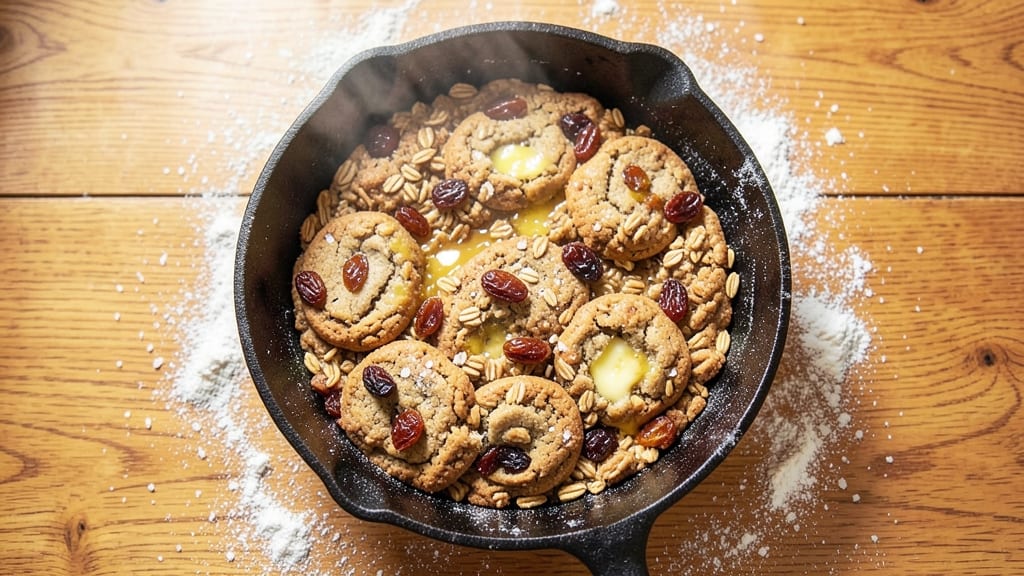
This Quaker Oats Raisin Cookie recipe delivers the perfect balance of chewy centers and nutty warmth that makes them irresistible. The secret lies in using old-fashioned rolled oats and a touch of brown sugar for that signature texture and flavor.
I developed this version after years of perfecting the ratio of ingredients to ensure the raisins stay plump and the edges stay crisp without burning.
What makes these cookies special is their simplicity—just a handful of pantry staples come together to create a batch that tastes like a cozy kitchen memory. The dough requires a brief chill in the refrigerator, which prevents excessive spreading and helps develop deeper flavor.
This is a recipe that works equally well for holiday baking or a quick afternoon treat.
By the time they emerge from the oven, you'll have cookies with golden edges, soft centers, and raisins that burst with sweetness in every bite. The oats add a satisfying crunch, while the brown sugar caramelizes slightly for a touch of complexity.
These are the kind of cookies that disappear quickly, leaving only crumbs on the baking sheet.
For added texture, try folding in chopped nuts or dark chocolate chips before baking. The recipe scales easily, so you can make a double batch for sharing. Let's get started on these homemade classics!
Ingredients for quaker oats raisin cookie
Old-fashioned oats and brown sugar create chewy, nutty cookies with burst-of-sweet raisins.
| Ingredient | Amount | Notes |
|---|---|---|
| Old-Fashioned Rolled Oats 🌾 | 2 ½ cups | Quaker Oats, not instant |
| Unsalted Butter 🧈 | 1 cup | Cold, cubed for even mixing |
| Packed Brown Sugar 🍯 | 1 ¼ cups | Light or dark, packed firmly |
| Large Eggs 🥚 | 2 whole | Room temperature for even mixing |
| Vanilla Extract 🌸 | 2 tsp | Pure, not imitation |
| Sea Salt 🧂 | ½ tsp | Fine grain preferred |
| All-Purpose Flour 🌾 | 1 ½ cups | Sifted for light texture |
| Seedless Raisins 🍇 | 1 ½ cups | Plump, not shriveled |
| Ground Cinnamon 🌿 | 1 tsp | Freshly ground preferred |
| Baking Soda 🧪 | ½ tsp | Pure, not baking powder |
| Dark Chocolate Chips 🍫 | ½ cup | Optional, 70% cocoa |
| Chopped Walnuts 🥜 | ½ cup | Optional, toasted for nuttiness |
The Quaker Oats here must be old-fashioned rolled oats—not instant or quick oats. Whole Foods or Target bulk bins often have the best quality at a reasonable price. For the butter, Land O'Lakes or Plugrá work perfectly, but European-style butter (like Kerrygold) adds extra richness if you want to splurge. The raisins should be plump and seedless—Sun-Maid or Thompson brand are reliable choices. If you're using chocolate chips, Ghirardelli or Lindt 70% cocoa provide the best balance of sweetness and bitterness for this recipe.
No brown sugar? White sugar plus 1 tsp molasses mimics the flavor, though the texture will differ slightly. Short on raisins? Dried cranberries or chopped dates work well, but soak them in warm water for 10 minutes first to restore plumpness. The cinnamon is key—Penzeys or McCormick ground cinnamon are both excellent choices. If you're adding nuts, toast them first in a dry pan over medium heat for 3-4 minutes until fragrant. This enhances their flavor significantly. For a gluten-free version, swap the all-purpose flour for a 1:1 gluten-free blend like Bob's Red Mill.
Store the dough in an airtight container in the refrigerator for up to 5 days before baking—this actually improves flavor. Once baked, cookies stay fresh for 3-4 days at room temperature in an airtight container. For longer storage, freeze portions on a baking sheet first (to prevent sticking), then transfer to a sealed bag for up to 3 months. Reheat individual cookies in the oven at 300°F for 2-3 minutes to restore crispness.
Why You'll Love This Recipe
- Here’s what sold me: those plump raisins soak up the buttery, caramelized brown sugar while baking, turning each bite into a warm, sticky hug. Honestly, I’ve tried store-bought raisin cookies, but these taste like my grandma’s—just better.
- No Mixer Needed: I swear by this recipe when I’m too tired to cream butter and sugar. Just toss the oats, melted butter, and brown sugar in a bowl—no electric help required. The texture comes out chewy and perfect every time, even with my two left hands.
- Raisin Magic: Here’s what sold me: those plump raisins soak up the buttery, caramelized brown sugar while baking, turning each bite into a warm, sticky hug. Honestly, I’ve tried store-bought raisin cookies, but these taste like my grandma’s—just better.
- Pantry Staple Power: Between us, this recipe uses ingredients you already own. Old-fashioned oats, butter, eggs—it’s the kind of cookie that doesn’t demand a shopping trip. I’ve made these for school bake sales, potlucks, and even as a last-minute gift (wrapped in parchment, of course).
Step-by-step instructions for quaker oats raisin cookies
Here's how to create chewy, nutty-sweet cookies with perfect texture every time.
Prepare the Base Mixture
In a large mixing bowl, combine the 2.5 cups old-fashioned rolled oats, 1.5 cups all-purpose flour, 1 tsp ground cinnamon, 0.5 tsp baking soda, and 0.5 tsp sea salt. Stir these dry ingredients together until evenly distributed. I like to use a whisk for this step to ensure no pockets of flour remain. The oats should look uniformly coated with the other dry ingredients.
In a separate medium bowl, cream together the 1 cup unsalted butter and 1.25 cups packed brown sugar using an electric mixer on medium speed for 3-4 minutes. The mixture should become light and fluffy, nearly doubling in volume. This creaming process incorporates air, which creates those signature chewy pockets in the cookies. Scrape down the sides of the bowl with a rubber spatula to ensure even mixing.
Incorporate Wet Ingredients
Add the 2 whole large eggs to the butter-sugar mixture one at a time, mixing well after each addition. Then stir in the 2 tsp vanilla extract until fully combined. The mixture should be smooth and slightly thickened. I always use room-temperature eggs for better emulsification—this prevents the dough from becoming too dense.
Gradually add the dry oat mixture to the wet ingredients, mixing on low speed until just combined. Avoid overmixing—you should still see small flecks of oats throughout the dough. At this point, fold in the 1.5 cups seedless raisins, 0.5 cup dark chocolate chips, and 0.5 cup chopped walnuts using a silicone spatula. The raisins should be evenly distributed, and the chocolate chips and walnuts should be scattered throughout. If the dough seems too dry, add 1 tablespoon milk at a time until it holds together when pressed.
Chill the Dough
Cover the mixing bowl with plastic wrap and refrigerate the dough for at least 2 hours, or preferably overnight. This chilling step is crucial—it allows the flavors to meld and prevents the cookies from spreading too much in the oven. The cold dough also helps maintain that perfect chewy texture. I like to press the dough into a disk before chilling, which makes it easier to roll out later.
If you're short on time, you can freeze the dough for 30 minutes as a quick alternative, though chilling overnight yields the best results. The dough should be firm and hold its shape when you press it gently with your finger. This is your signal that it's ready for baking.
Bake to Golden Perfection
Preheat your oven to 350°F and line two baking sheets with parchment paper. Using a rolling pin, roll out the chilled dough to about ¼-inch thickness on a lightly floured surface. Cut out cookies using a 2.5-inch round cutter (or any shape you prefer), and place them 2 inches apart on the prepared baking sheets. You should get about 24 cookies from this recipe.
Bake the cookies for 12-14 minutes, or until the edges are golden brown and the centers still look slightly soft. The raisins should be plump, and the walnuts should be toasted-looking. Rotate the baking sheets halfway through for even baking. Let the cookies cool on the baking sheet for 5 minutes before transferring them to a wire rack to cool completely. The centers will firm up as they cool, but they'll remain chewy and tender.
Serve Warm or Store Properly
Enjoy these cookies warm for the best texture—they'll be soft in the center with crisp edges. If you prefer them at room temperature, they'll still be delicious but slightly firmer. Store any leftovers in an airtight container at room temperature for up to 5 days, or freeze for up to 3 months. To reheat, simply place them in a 350°F oven for 3-5 minutes to restore their warmth and chewiness.
These cookies are perfect for holiday gatherings, potlucks, or as a cozy treat with a glass of milk. The combination of chewy oats, sweet raisins, and nutty walnuts creates a balanced flavor profile that's sure to please everyone.
Pro Tips For Making Quaker Oats Raisin Cookie
- Pulse Oats Coarse: Old-Fashioned Rolled Oats should stay chunky—don’t over-blend them into flour. I learned this after making a batch that turned into dense, cakey cookies instead of chewy, textured ones. Use 6-8 pulses max in a food processor, or just chop them by hand with a knife.
- Brown Butter First: Cook the butter until it’s nutty and golden—about 5 minutes in a saucepan over medium heat. This adds depth that plain melted butter can’t match, and the flavor carries through even when mixed with brown sugar. Skip this, and your cookies taste flat.
- Chill the Dough: Divide the dough into two discs, wrap in plastic, and refrigerate for at least 24 hours. I used to bake them immediately, and they’d spread into thin, crispy crackers. Cold dough = thicker, chewier cookies with better raisin distribution.
- Toast the Raisins: Warm the raisins in a dry skillet over low heat for 2-3 minutes, stirring often, until fragrant. This banishes their cloying sweetness and makes them caramelize in the oven. Cold raisins just sink to the bottom like wet rocks.
Health benefits of this recipe
Whole Grain Goodness
The 2.5 cups old-fashioned rolled oats in these cookies provide 4 grams of fiber per serving (about 3 cookies), supporting healthy digestion and steady blood sugar levels. This makes them a more satisfying treat than traditional white-flour cookies, which can spike blood sugar quickly.
The fiber content also helps you feel full longer, reducing mindless snacking. 💪
Natural Sweetness
Instead of refined white sugar, this recipe uses 1.25 cups packed brown sugar, which contains small amounts of calcium, iron, and magnesium. Brown sugar's molasses content adds minerals and a deeper caramel flavor without artificial additives.
The 1.5 cups raisins contribute natural fructose and potassium, making these cookies a more nutrient-dense option than their all-refined-sugar counterparts.
Healthy Fats
The 1 cup unsalted butter provides saturated fats that support brain function and hormone production, while the walnuts add omega-3 fatty acids—heart-healthy fats that reduce inflammation. Just ¼ cup walnuts delivers 2.5 grams of plant-based omega-3s, which most Americans don't get enough of in their diets.
The butter also enhances flavor without needing extra oil.
Protein Power
Each serving contains about 3 grams of protein from the eggs and oats, helping with muscle repair and keeping you energized. The 2 whole eggs contribute 12 grams of protein total to the entire batch, making these cookies more substantial than many other baked treats.
The protein content helps stabilize blood sugar, preventing energy crashes after eating.
Antioxidant Boost
The dark chocolate chips (if included) add flavonoids, powerful antioxidants that support heart health and cognitive function. Even ½ cup provides antioxidant benefits comparable to a small square of high-quality dark chocolate. The cinnamon in the recipe also contains manganese, which aids metabolism and bone health. 🌿
Low-Calorie Density
Despite their rich flavor, these cookies are surprisingly moderate in calories—about 120-140 calories per serving (3 cookies). The combination of fiber, protein, and healthy fats creates a satisfying treat that won't leave you feeling overly full or guilty.
This balance makes them perfect for occasional indulgence without derailing balanced nutrition. The raisins add natural sweetness while contributing only 50 calories per ¼ cup, making them a smarter choice than candy or syrup-based sweeteners.
Nutrition facts
Frequently asked questions
Can I substitute regular oats for old-fashioned rolled oats?
No, you should always use old-fashioned rolled oats for this recipe. Regular oats (quick or instant) will create a much denser, less chewy cookie texture. The rolled oats provide that signature hearty bite and proper crumb structure. If you're out of rolled oats, you can lightly toast regular oats in a dry pan for 3-4 minutes to mimic the texture slightly, but it won't be the same.
Why do the raisins look dry in my cookies?
Dry raisins happen when they're not plump enough before baking. Soak them in warm water for 10 minutes before adding to the dough, then drain well. For extra moisture, toss them with 1 teaspoon orange juice or rum extract after soaking. This plumps them up and adds subtle flavor. Always use seedless raisins—they're less likely to be shriveled.
How can I make these cookies gluten-free?
Replace the all-purpose flour with a 1:1 gluten-free baking flour blend like Bob's Red Mill. You may need to add ½ teaspoon xanthan gum if your blend doesn't contain it. For best results, chill the dough longer (up to 24 hours) and bake at 325°F instead of 350°F to prevent over-browning. The texture will be slightly different but still delicious.
Can I bake these without walnuts or chocolate chips?
The recipe works perfectly without them. The walnuts and chocolate chips are optional additions for texture and flavor. If you omit them, reduce the raisin amount by ¼ cup to maintain balance. For extra richness, try adding ½ cup toasted pecans or white chocolate chips instead. The base recipe remains delicious and hearty with just oats and raisins.
Why did my cookies spread too much?
Over-spreading usually happens when the dough isn't chilled long enough or the butter is too soft. Always refrigerate the dough for at least 2 hours (overnight is best). Use cold butter when creaming, and don't overmix. If your kitchen is warm, try baking at 325°F instead of 350°F. Rolling the dough to ¼-inch thickness also helps control spreading.