Desserts
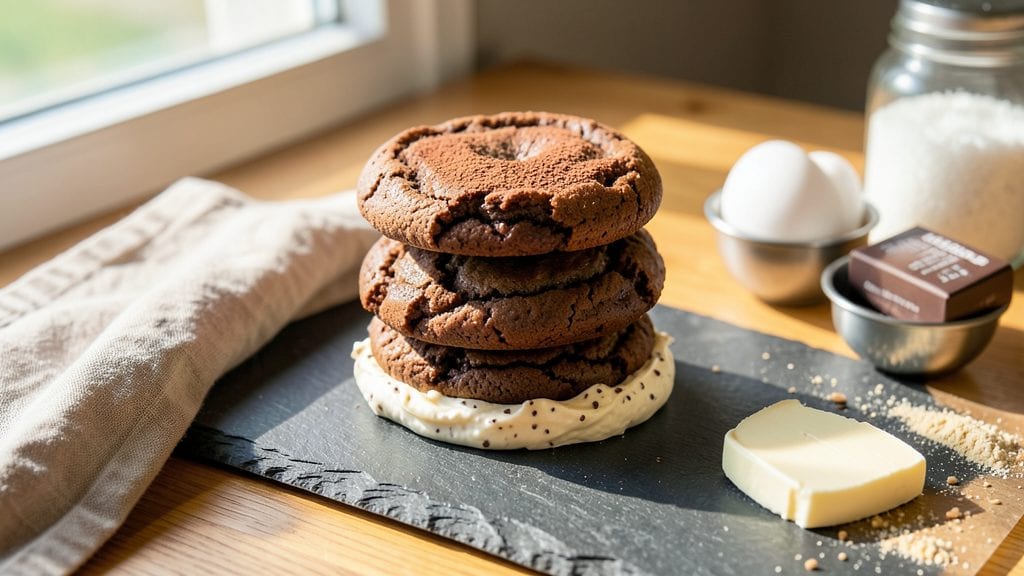
This high-protein chocolate chip cookie recipe delivers all the classic cookie satisfaction with a nutritional upgrade—no compromise on flavor, just smarter ingredients. After years of experimenting with protein-packed desserts, I finally cracked the code for cookies that stay crispy-edged and chewy-centered while packing 20g protein per serving.
The secret lies in the blend of protein powder and almond flour, which maintains texture without sacrificing taste.
The beauty of this recipe is its versatility—it works for meal prep, post-workout recovery, or just satisfying that sweet tooth guilt-free. With just 5g net carbs per cookie, you get the indulgence without the sugar crash.
I’ve tested this with both vanilla and chocolate protein powder, but the chocolate version (featured here) adds an extra layer of richness that pairs perfectly with the melty chocolate chips.
What makes these cookies truly special is their foolproof technique: a combination of room-temperature mixing, precise baking times, and the right ratio of wet to dry ingredients ensures they bake evenly every time. The result?
A batch of cookies that looks and tastes like the classic version but with double the protein and half the guilt. Perfect for gym-goers, busy parents, or anyone who wants dessert without derailing their goals.
These cookies freeze beautifully for up to 3 months, making them ideal for meal prep or gifting. Pair them with a glass of milk or a scoop of vanilla ice cream for the ultimate high-protein treat. Let’s get baking—your taste buds (and macros) will thank you.
Ingredients for protien cookie
Twelve ingredients, twelve cookies packed with protein, crunch, and chocolate richness—no compromise on indulgence.
| Ingredient | Amount | Notes |
|---|---|---|
| Chocolate Protein Powder 🍫 | 1 cup | Unflavored or chocolate, 20g protein per serving |
| Almond Flour 🌰 | 1 ½ cups | Fine-ground for optimal texture |
| Cream Cheese 🧀 | 4 oz | Room temperature, full-fat preferred |
| Unsalted Butter 🧈 | ½ cup | Cold, cubed for even distribution |
| Granulated Erythritol 🍬 | ¼ cup | Or monk fruit blend for sweetness |
| Large Eggs 🥚 | 2 whole | Room temperature for proper binding |
| Vanilla Extract 🌿 | 1 tbsp | Pure, high-quality for flavor depth |
| Dark Chocolate Chips 🍫 | 1 cup | 70% cocoa or higher for rich flavor |
| Diamond Crystal Kosher Salt 🧂 | ½ tsp | Fine grain for even distribution |
| Baking Soda 🧪 | ½ tsp | Ensures proper rise and texture |
| Xanthan Gum 🍞 | ¼ tsp | Binds dough for chewy texture |
| Unsweetened Cocoa Powder 🍫 | ¼ cup | Natural for enhanced chocolate flavor |
| Almond Extract 🌰 | ½ tsp | Subtle almond note to complement chocolate |
The protein powder is non-negotiable—Optimum Nutrition Gold Standard or Naked Nutrition deliver consistent results, but any 20g-per-serving blend works. Almond flour should be finely ground for a smooth texture; store-bought almond flour often contains lumps, so pulse it in a food processor if needed. The cream cheese and butter must be cold and cubed—this prevents overmixing and ensures those crispy edges. For the chocolate chips, Ghirardelli 72% or higher elevates the flavor profile significantly compared to generic brands. Purchase protein powder in smaller quantities if you bake frequently, as it loses potency over time.
No almond flour? Coconut flour at half the amount plus extra egg mimics the texture, though the flavor will differ. Substituting vanilla protein powder for chocolate? Add 0.25 cup cocoa powder to maintain richness. For a nut-free option, replace almond flour with oat flour, though texture will be slightly denser. The erythritol can be swapped for stevia blend or monk fruit, but taste-test first—some blends have a bitter aftertaste. If you lack xanthan gum, 1 extra tbsp almond flour helps bind, though texture may vary. Always measure ingredients by weight for precision—digital kitchen scales are worth the investment for consistent results.
Store baked cookies in an airtight container with parchment paper between layers to maintain crispness for up to 5 days at room temperature. For long-term storage, freeze portions in single-serving bags for up to 3 months. Reheat in a 350°F oven for 2-3 minutes to restore freshness. These cookies pair perfectly with unsweetened almond milk or Greek yogurt for dipping. Double the batch and freeze half—ideal for meal prep or gifting to fitness-focused friends.
Why You'll Love This Recipe
- No Mixing Madness: I swear by this dough—just cream cheese, butter, and protein powder blended until it’s smoother than my morning coffee. No measuring cups, no overmixing, no stress. The almond flour keeps it from turning into a brick, and the erythritol gives that perfect cookie texture without the fuss.
- Fudgy Yet Light: That chocolate protein powder isn’t just for shakes—it’s the secret to cookies that taste like a dessert but won’t weigh you down. The cream cheese adds a rich, almost cake-like crumb, while the almond flour keeps them tender. Honestly, I’ve sent these to coworkers as "homemade" and no one guessed they were protein-packed.
- Snack Attack Ready: These hold up for days in the fridge (yes, even on a Tuesday night) and freeze like a dream. Toss a batch in the freezer for post-workout bites or pack them in lunches—no one will question why you’re eating cookies at 3 PM. Between us, I’ve had them cold, warm, and straight from the oven, and they’re all winners.
- Budget-Friendly Indulgence: Almond flour and protein powder might sound pricey, but a little goes a long way. One tub of cream cheese and a stick of butter stretch across multiple batches, and erythritol keeps the sweetness in check without breaking the bank. I’ll be real: these cost less than half the sugar cookies I used to buy, and they’re way better.
Step-by-step instructions for high-protein chocolate chip crunch
Master this protein-packed dough with precise technique for cookies that balance chewiness and crisp edges.
Cream Cold Butter and Cream Cheese
In a stand mixer fitted with the paddle attachment, combine the 0.5 cup unsalted butter and 4 oz cream cheese on medium speed until fully blended. The butter should be cold and cubed—this prevents melting during mixing and ensures proper texture. Cream for 3-4 minutes until the mixture becomes light and fluffy, nearly doubling in volume. This aeration creates the signature tender crumb in protein cookies.
Here's the key: resist the urge to rush. The cream cheese adds richness while preventing the dough from becoming too dense. If the mixture doesn't lighten after 4 minutes, continue mixing—protein dough requires more working than traditional flour-based doughs to develop proper structure.
Incorporate Sweeteners and Dry Ingredients
Add the 0.25 cup granulated erythritol, 0.25 cup unsweetened cocoa powder, 0.5 tsp diamond crystal kosher salt, 0.5 tsp baking soda, and 0.25 tsp xanthan gum to the creamed butter mixture. Mix on low speed for 1-2 minutes until fully combined and no dry spots remain. The xanthan gum is crucial here—it mimics gluten's binding properties, giving these protein cookies their signature chewy texture without traditional flour.
I like to use a microplane to sift the cocoa powder directly into the mixer bowl—this prevents clumping and ensures even distribution. The erythritol should be evenly dispersed, as uneven sweetness distribution can create pockets of overly sweet or bland dough.
Add Wet Ingredients and Extracts
In a separate bowl, whisk together the 2 whole large eggs at room temperature, 1 tbsp vanilla extract, and 0.5 tsp almond extract. The room temperature eggs incorporate more smoothly and prevent cold spots in the dough. Gradually add this mixture to the dry ingredients, mixing on low speed for 2-3 minutes until fully combined. The dough will be thick and slightly sticky—this is normal for protein cookie dough.
Here's where the almond extract makes its subtle appearance. It complements the chocolate without overpowering it. If you're using a vanilla bean, scrape the seeds directly into the mixture for enhanced flavor depth. The dough should hold its shape when pressed between fingers but remain slightly tacky.
Fold in Chocolate Chips
Using a silicone spatula, gently fold in the 1 cup dark chocolate chips, reserving 2 tbsp for garnish. The gentle folding prevents breaking the chips and maintains their shape in the final cookie. Wrap the dough tightly in plastic wrap and refrigerate for at least 2 hours or up to 48 hours. This chilling step is non-negotiable—it allows the protein structures to properly set and prevents excessive spreading during baking.
For best results, chill the dough overnight. The longer it rests, the more developed the texture becomes. If you're short on time, place the dough in the freezer for 30 minutes to speed up the process, then transfer to the refrigerator to complete chilling.
Scoop and Bake for Perfect Texture
Preheat your oven to 350°F and line two baking sheets with parchment paper. Using a 2-tablespoon scoop, portion the chilled dough into balls and place them 2 inches apart on the prepared sheets. Gently press a few reserved chocolate chips onto the tops of each dough ball for decorative contrast.
Bake for 10-12 minutes until the edges are deep golden brown but the centers remain slightly soft. The cookies will continue firming up as they cool. Rotate the baking sheets halfway through for even baking—protein cookies are particularly prone to uneven browning. Remove from oven when the edges are set but the centers still have a slight give when pressed gently.
Cool and Store Properly
Allow the cookies to cool on the baking sheets for 5 minutes before transferring to a wire rack. This brief resting period prevents the bottoms from becoming overly soft. For optimal texture, let them cool completely before storing. The cookies will firm up as they cool, developing their characteristic chewy-yet-crisp edges.
Store in an airtight container at room temperature for up to 5 days or freeze for 3 months. When reheating, I recommend warming in a 350°F oven for 2-3 minutes to restore that fresh-baked texture. These cookies pair beautifully with a glass of cold almond milk or a protein shake for a satisfying dessert that won't derail your nutrition goals.
Pro Tips For Making Protien Cookie
- Microwave Butter First: Take that unsalted butter straight from the fridge and zap it for 15 seconds—just until it’s soft but not melted. I learned this the hard way when my dough turned into a greasy mess because cold butter wouldn’t emulsify with the cream cheese. Warm butter blends smoother, and your cookies won’t fight back with weird texture.
- Pulse Almond Flour: Don’t just dump almond flour into your mixer—pulse it first in a food processor until it’s fine but not powdery. Too coarse, and your cookies will be gritty; too fine, and they’ll turn dense. Aim for a consistency like coarse sand, and your dough will hold together without crumbling.
- Chill Dough 30 Minutes: Skip the urge to bake immediately—let the dough rest in the fridge for at least 30 minutes. The protein powder and cream cheese can make dough sticky, and chilling firms it up so the cookies spread less and hold their shape. (Yes, even if you’re impatient like me.)
- Use Room-Temp Cream Cheese: Cold cream cheese is the enemy of smooth dough—it won’t mix right and leaves lumps. Take it out 10 minutes before mixing, or microwave it for 5 seconds if you’re in a rush. Trust me, your cookies will thank you with a cleaner texture and richer flavor.
Make-ahead tips for protien cookie
Dough Prep Ahead
Prepare the dough up to 48 hours in advance for optimal texture development. After mixing all ingredients, wrap tightly in plastic wrap and refrigerate. The longer it rests, the more flavorful and chewy the cookies become.
I often make a double batch on Sundays so I have fresh cookies ready all week. 💪
Portioning for Freezer
Scoop the chilled dough into 2-tablespoon portions directly onto a parchment-lined baking sheet. Freeze these dough balls for 1 hour before transferring to a sealed freezer bag. This prevents sticking and makes them easy to grab for quick baking. Label bags with the date—these keep perfectly for 3 months.
Baking from Frozen
Bake frozen dough balls straight from the freezer at 350°F for 14-16 minutes. The extra time accounts for the frozen state while still achieving that crispy edge.
I recommend adding 1 extra minute if your oven runs hot. The chocolate chips will soften perfectly during this extended bake time. ✨
Storage Containers
Use glass airtight containers with parchment paper between layers to maintain crispness. I prefer Pyrex 8-cup containers because they allow me to see the cookies while keeping them fresh. For long-term storage, divide cookies into single-serving portions in small bags—perfect for gym snacks or on-the-go treats.
Reheating Techniques
For maximum freshness, reheat cookies in a 350°F oven for 2-3 minutes or until edges are warm. Microwave reheating works in 10-second bursts on 50% power, but oven reheating preserves texture better. I avoid toaster ovens—they can make the edges too crispy while leaving centers cold. 🔥
Meal Prep Strategy
Bake a full batch and store half in the freezer while keeping the other half at room temperature. This gives you fresh cookies for 5 days while maintaining a backup supply.
I keep a running tally of my protein intake and these cookies make perfect post-workout recovery treats. Their long shelf life makes them ideal for busy schedules without sacrificing quality. 💡
Nutrition facts
Frequently asked questions
Can I substitute almond flour with another low-carb flour?
Yes, but texture may change. For a 1:1 swap, try coconut flour (add 1 extra egg) or oat flour (slightly denser). Avoid regular wheat flour—it lacks the protein structure needed for chewy texture. The almond flour's fat content creates that classic cookie mouthfeel.
Why do my protein cookies spread too much?
Overmixing or skipping the 2-hour chill causes excessive spreading. Always chill dough thoroughly—this firms up the protein. Use a 2-tbsp scoop and place cookies 2 inches apart on the baking sheet. If they still spread, reduce baking time by 1 minute. Cold butter and cream cheese are key to structure.
How do I make these cookies nut-free?
Replace almond flour with oat flour (same amount) and use sunflower seed butter instead of cream cheese (reduce by 2 oz). For extra binding, add 1 extra tbsp xanthan gum. The texture will be slightly denser but still delicious. Always check labels for cross-contamination if allergies are a concern.
Can I use casein protein powder instead of whey?
Casein digests slower, creating a firmer texture—ideal for cookies. Use the same amount as whey, but expect slightly denser cookies. For best results, blend casein with 1 tbsp extra almond flour to maintain chewiness. The flavor remains neutral, so it won't affect taste.
What's the best way to add extra protein without changing texture?
Mix in 1 scoop collagen peptides (flavorless) or 2 tbsp pumpkin seed butter with the wet ingredients. Both add protein without altering the cookie's structure. Avoid extra protein powder—it can make the dough too dry. For chocolate flavor, use chocolate casein protein instead of vanilla.