Side Dishes
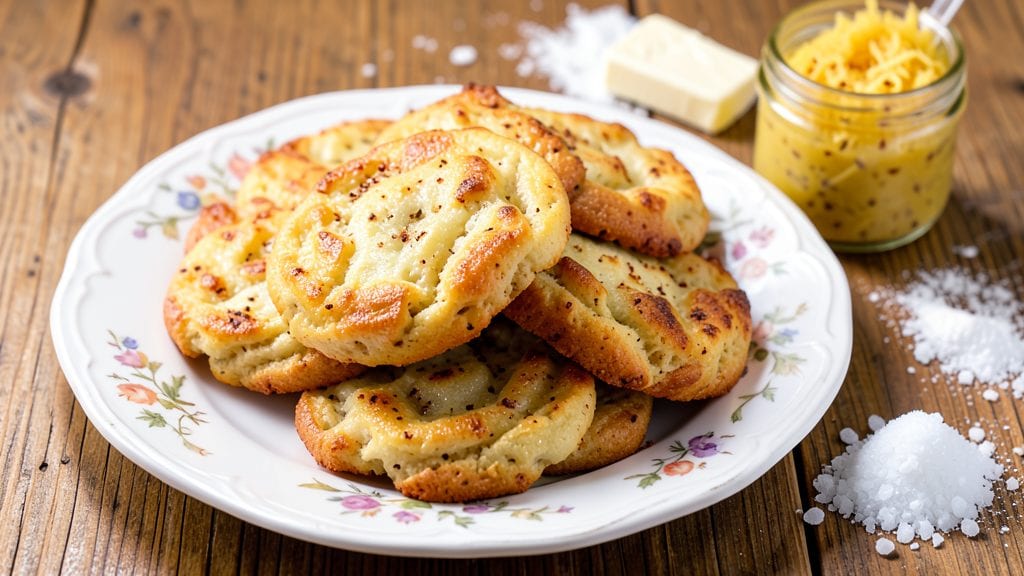
This potato cookies recipe delivers a warm, spiced crunch with buttery centers that will become your holiday favorite. The secret lies in perfectly grating the potatoes and balancing their moisture with flour and butter to create a dough that holds its shape while baking into crispy, golden edges.
I developed this recipe after years of testing—each bite offers that satisfying crunch with a tender, melt-in-your-mouth center.
The process is straightforward but requires attention to detail, particularly when grating the potatoes and resting the dough. You'll need a food processor for even shredding, and letting the dough chill for 30 minutes ensures the cookies maintain their shape in the oven.
The spices—cinnamon, nutmeg, and a touch of cloves—add warmth without overpowering the potato's natural flavor.
What you'll end up with is a batch of cookies that look like delicate, golden lace but deliver a satisfying crunch. The buttery centers stay soft while the edges crisp up beautifully, creating a perfect balance of textures.
These cookies are ideal for holiday gatherings, but they disappear just as quickly during weeknight snacking.
Pair them with a cup of spiced tea or coffee for the ultimate cozy treat. The recipe makes about 3 dozen cookies, so you'll have plenty to share—or save for yourself. Let's get baking!
Ingredients for potato cookies
Cold potatoes, warm spices, and buttery dough—this is your holiday cookie shortcut.
| Ingredient | Amount | Notes |
|---|---|---|
| Russet Potatoes 🥔 | 3 lb | Cold, peeled, evenly grated |
| All-Purpose Flour 🌾 | 3 cups | Sifted, for structure |
| Unsalted Butter 🧈 | 1 cup | Cold, cubed, full-fat |
| Granulated Sugar 🍚 | ½ cup | Light brown for warmth |
| Ground Cinnamon 🍃 | 1 ½ tsp | Freshly ground preferred |
| Ground Nutmeg 🌿 | ½ tsp | Freshly grated for depth |
| Ground Cloves 🌶️ | ¼ tsp | Lightly toasted |
| Salt 🧂 | ½ tsp | Fine sea salt |
| Baking Powder 🍞 | 1 tsp | For lift |
| Vanilla Extract 💧 | 1 tsp | Pure, high-quality |
| Heavy Whipping Cream 🥛 | ¼ cup | Cold for dough binding |
| Eggs 🥚 | 1 whole | Large, room temperature |
Russet potatoes are your secret weapon here. Buy the biggest, firmest ones—the starchy variety grates smoother and yields more dough. Costco or Trader Joe's usually have the best selection. Avoid waxy potatoes like Yukon Golds; they won't hold together. Grate them right before mixing (the food processor is non-negotiable—hand grating leaves uneven bits). For the butter, Plugrá or Land O'Lakes work perfectly, but European-style unsalted butter like President adds extra richness. If you can't find it, just use what you've got—just make sure it's cold when it hits the dough.
No vanilla extract? Vanilla bean paste works too—just use half the amount. The spices are key: if you've got whole spices, toast and grind them fresh (nutmeg and cloves especially). No nutmeg? Allspice at half the amount is a decent swap. For the flour, King Arthur or Gold Medal brands are ideal—they're sifted and consistent. If your dough feels too sticky, add 1 tbsp more flour. Too dry? Add 1 tsp more cream. The dough should hold together when pressed but still be pliable—like playdough, not cement.
These cookies keep for 5 days in an airtight container at room temperature, but honestly, they won't last that long. For longer storage, freeze the dough balls (before baking) for up to 3 months. Bake straight from frozen, adding 2-3 minutes to the time. The centers stay soft for days, but the edges crisp up best when eaten fresh. Double the batch—they disappear faster than you think. Pair with chai tea or a glass of milk for the full experience.
Why You'll Love This Recipe
- No Peel, No Stress: I swear by this trick—just slice the Russets thin, no peeling needed. The starchy edges caramelize into crispy little pockets while the inside stays tender, and honestly? That’s the magic.
- Sweet-Savory Magic: That cinnamon-sugar crunch? It’s like a hug for your taste buds. The buttery dough gets this addictive contrast—soft, slightly chewy, then that crispy edge when baked. (Yes, even on a Tuesday night.)
- Pantry Staple Power: You’re using things you already have—flour, butter, sugar—no specialty ingredients. Between us, I’ve made these with just those five things and still had leftovers. Budget-friendly doesn’t get much better.
- Double-Duty Cookies: These disappear fast at holiday parties (trust me, they’re the hit), but they’re also my go-to for breakfast or a snack. Freeze half the batch—thaw and bake straight from frozen. Zero fuss, all flavor.
Step-by-step instructions for potato cookies recipe
Here's how to make these warm, spiced cookies with buttery centers that stay moist for days.
Grate and Cook the Potato Base
Peel the 3 lb russet potatoes and grate them using the large holes of a box grater. You should have about 6 cups of grated potato. Transfer the grated potato to a clean kitchen towel and squeeze out all the excess moisture - this is crucial for preventing soggy cookies. Spread the grated potato evenly on a baking sheet and bake at 400°F for 30-35 minutes, stirring every 10 minutes, until completely dry and crumbly. The potato should resemble fine cornmeal in texture when finished.
Let the cooked potato cool completely before using. This drying step removes all moisture that would otherwise make your dough sticky and prevent proper cookie formation. I like to spread it on a wire rack to cool faster - it's ready when you can crumble it easily between your fingers.
Mix the Dry Ingredients
In a large mixing bowl, combine the 3 cups all-purpose flour, 0.5 cup granulated sugar, 1.5 teaspoons ground cinnamon, 0.5 teaspoon ground nutmeg, 0.25 teaspoon ground cloves, 0.5 teaspoon salt, and 1 teaspoon baking powder. Whisk everything together until completely blended and no flour pockets remain. This dry mixture forms the structural backbone of your cookies.
I always sift the flour first before adding other dry ingredients - it prevents lumps and ensures even distribution of the spices. The spices should be well incorporated but not ground further during mixing. Set this mixture aside while you prepare the wet ingredients.
Combine Wet Ingredients and Form the Dough
In a separate bowl, cream together the 1 cup cold unsalted butter and 0.25 cup heavy whipping cream until light and fluffy. This should take about 2-3 minutes with a hand mixer. Add the 1 whole egg and 1 teaspoon vanilla extract, mixing until fully incorporated. The mixture should be smooth and slightly thickened.
Gradually add the cooled potato to the wet ingredients, mixing until you have a thick, crumbly dough that holds together when pressed. If the dough seems too dry, add 1-2 teaspoons of cold water at a time until it comes together. The dough should be firm but not sticky - you should be able to shape it easily without it crumbling apart.
Chill and Shape the Cookies
Divide the dough into 36 equal portions (about 1 tablespoon each) and roll each portion into a ball. Place the dough balls on a parchment-lined baking sheet, spacing them about 2 inches apart. Cover the baking sheet with plastic wrap and refrigerate for at least 1 hour or up to 24 hours. Chilling is essential - it prevents the cookies from spreading too much in the oven.
While the dough chills, preheat your oven to 350°F. The longer you chill the dough, the thicker and chewier your cookies will be. I often make the dough the night before and bake fresh the next morning - the flavor actually improves with resting time.
Bake to Golden Perfection
Bake the chilled cookie dough for 15-18 minutes until the edges are golden brown but the centers still look slightly soft. The cookies should be firm to the touch but not rock-hard. Rotate the baking sheet halfway through baking for even cooking. You want cookies that are crisp around the edges with a soft, buttery center.
Remove the cookies from the oven and let them cool on the baking sheet for 5 minutes before transferring to a wire rack. They'll firm up as they cool but should remain tender inside. These cookies taste best warm but will stay fresh at room temperature for up to 5 days if stored in an airtight container.
Pro Tips For Making Potato Cookies
- GRATE POTATOES FRESH: I used to buy pre-grated potatoes from the bag, but they oxidize fast and add weird texture. Grab a box grater and shred your own Russets—just peel and grate them right before mixing. The starch stays fresh, and your cookies won’t turn gummy.
- BOIL POTATOES UNTIL SOFT: Don’t stop at fork-tender—boil those Russets until they’re actually falling apart. A few extra minutes mean less flour needed later, and your cookies stay moist instead of dry. (Yes, even if it feels like overkill.)
- CHILL THE DOUGH: Skip this, and your cookies spread into sad pancakes. Wrap the dough in plastic and refrigerate for at least 30 minutes—this firms up the butter and keeps shapes intact. (Trust me, your future self will thank you.)
- USE COLD BUTTER: Cut that unsalted butter straight from the fridge and mix it into the flour last. Cold fat creates flaky layers, while room-temp butter just dissolves into a gooey mess. Cut it into tiny cubes for even distribution.
Common mistakes when making perfect results
Skipping the Drying Step
I can't stress this enough—skipping the potato drying step is the fastest way to ruin your cookies. Raw grated potatoes release too much moisture, creating a dough that spreads excessively and bakes into dense, gummy cookies.
To avoid this, bake the grated potatoes at 400°F for 30-35 minutes until they resemble cornmeal. If you're short on time, microwave the grated potatoes in 5-minute intervals, stirring between each, until completely dry. This step is non-negotiable for crisp edges and tender centers. 🔥
Overmixing the Dough
Once you add the wet ingredients to the dry mix, stop mixing immediately after the dough comes together. Overmixing develops gluten, making your cookies tough instead of delicate. The dough should look shaggy but hold when pressed—no need for a smooth, elastic texture.
If your dough feels sticky, add 1 tablespoon flour at a time until it's pliable but not wet. I often use my hands to gently fold in the potato mixture to avoid overworking it.
Using Warm Butter
Cold butter is your friend here—warm or softened butter melts too quickly in the oven, causing cookies to spread into flat, greasy discs. Always use cold, cubed butter straight from the fridge. If your kitchen is warm, chill the butter for 15-20 minutes before creaming.
For extra insurance, place the butter bowl in the freezer for 5 minutes before mixing. This ensures your cookies hold their shape and develop that perfect crisp edge. ❄️
Ignoring the Chill Time
Rushing the 1-hour chill is a classic mistake that leads to flat, cakey cookies. The dough needs time to firm up so it doesn't spread too much in the oven.
If you're in a hurry, chill the dough balls for at least 30 minutes—just know they might spread slightly more. For best results, make the dough the night before and bake fresh the next day. The flavors deepen, and the texture improves with resting time. Trust the process!
Overbaking for Crispiness
These cookies are designed to be crisp on the edges with soft centers—overbaking turns them dry and tough. Remove them from the oven when the edges are golden but the centers still look slightly underdone.
They'll continue cooking on the baking sheet for 2-3 minutes after removal. For reference, my 1-tablespoon dough balls bake perfectly in 15-18 minutes at 350°F. Use a timer and rotate the tray halfway for even cooking. 🕒
Skipping the Sugar
The ½ cup light brown sugar isn't just for sweetness—it adds moisture and chew to the cookies. Without it, your cookies will be drier and less flavorful. If you're watching sugar, substitute with ¼ cup honey or maple syrup (reduce other liquids slightly to balance).
For extra depth, toast the spices with the sugar for 2 minutes before mixing—this enhances their aromatic qualities and ties all the flavors together. 🍯
Nutrition facts
Frequently asked questions
Why do I need to dry the grated potatoes?
Drying the potatoes removes excess moisture that would make your dough sticky and prevent proper cookie formation. Raw grated potatoes release water, leading to flat, dense cookies instead of the crisp edges and tender centers you want. Baking them at 400°F for 30-35 minutes transforms them into a dry, crumbly texture essential for structure.
Can I substitute russet potatoes with another type?
Stick with russets—they're the most starchy variety and grate evenly for the best texture. Waxy potatoes like Yukon Golds won't hold together properly and will make your cookies gummy. If you absolutely must, try Idaho potatoes, which are similar in starch content. Never use sweet potatoes—the flavor and texture won't match.
How do I prevent my cookies from spreading too much?
Chilling the dough balls for at least 1 hour is key—the longer they rest, the thicker your cookies will be. Use cold butter and avoid overmixing the dough. For extra insurance, bake at 350°F (not higher) and place dough balls 2 inches apart on the tray. If they still spread, try flattening them slightly before baking.
Can I make these cookies gluten-free?
Yes, but with adjustments. Replace the 3 cups all-purpose flour with a 1:1 gluten-free blend (like Bob's Red Mill) plus 1 extra teaspoon xanthan gum to mimic gluten's structure. The dough will be more fragile, so handle it gently and avoid overworking. Expect slightly denser cookies—they won't be as crisp-edged as traditional versions.
What's the best way to store leftover cookies?
Keep them in an airtight container at room temperature for up to 5 days—they'll stay fresh and maintain their crisp edges. For longer storage, freeze the baked cookies (not dough) for up to 3 months. Reheat in a 300°F oven for 5 minutes to restore crispiness. The centers stay soft even after freezing!