
Desserts
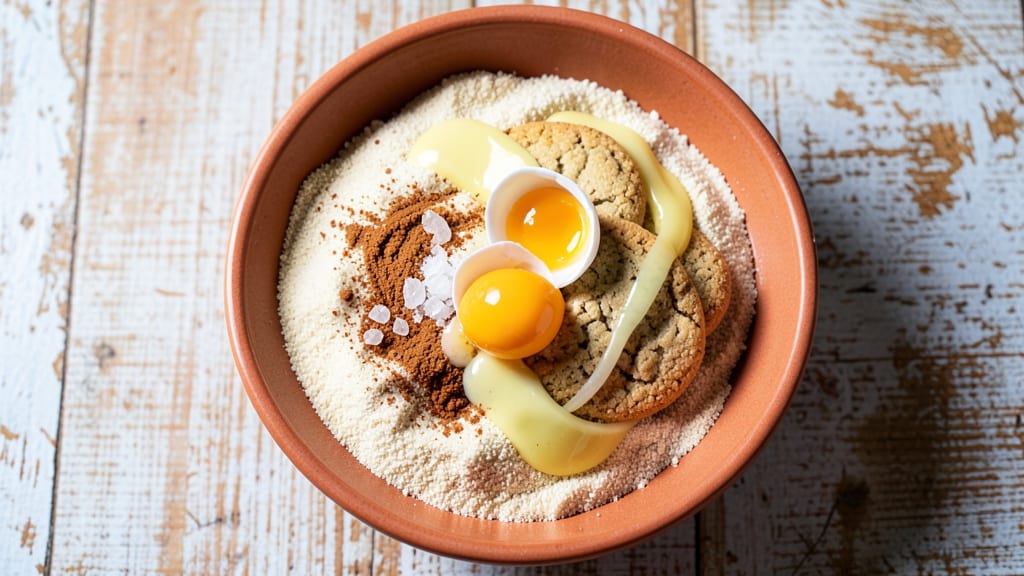
This Passover cookies recipe transforms traditional matzo into delicate, flaky treats with a nutty sweetness that feels both nostalgic and innovative. The secret lies in blending matzo meal with pareve margarine for that signature crisp crust, while almonds and cinnamon add depth without chametz.
I developed this version after years of searching for cookies that honored the holiday while delivering restaurant-quality texture.
What makes these cookies special is their perfect balance of crunch and tenderness—achieved through precise baking times and a touch of vanilla. The recipe uses only kosher-for-Passover ingredients, including matzo meal instead of flour and pareve margarine instead of butter, ensuring it meets dietary requirements without sacrificing flavor.
The nutty sweetness comes from toasted almonds and a hint of cinnamon, creating a warm, comforting taste that's perfect for Seders or dessert tables.
By the time these cookies emerge from the oven, you'll have golden-brown rounds with crisp edges and a tender center, all infused with that unmistakable matzo flavor. They stay fresh for days in an airtight container, making them ideal for gifting or meal prep.
This recipe isn't just about following tradition—it's about creating something new while staying true to Passover's spirit.
Whether you're serving them with wine at the Seder table or enjoying them as a simple treat, these cookies bring together history and modern baking techniques. The flaky crust and nutty sweetness make them unforgettable, proving that Passover desserts can be both meaningful and delicious. Let's get baking!
Ingredients for passover cookies
These Passover cookies blend matzo meal with pareve margarine for a delicate, flaky crust—perfect for Seders or gifting.
| Ingredient | Amount | Notes |
|---|---|---|
| Matzo Meal 🍞 | 1 ½ cups | Finely ground, kosher-for-Passover |
| Pareve Margarine 🧈 | ¾ cup | Cold, cubed, kosher-for-Passover |
| Granulated Sugar 🍚 | ½ cup | Kosher-for-Passover, fine grain |
| Large Eggs 🥚 | 2 whole | Room temperature, kosher-certified |
| Vanilla Extract 🍯 | 1 tbsp | Pure, kosher-certified |
| Ground Cinnamon 🌿 | 1 ½ tsp | Freshly ground preferred |
| Sea Salt 🧂 | ½ tsp | Fine grain, kosher-certified |
| Toasted Sliced Almonds 🥜 | ½ cup | Chopped, kosher-certified |
| Kosher-for-Passover Vanilla Sugar 🍚 | 1 tbsp | Optional, for enhanced flavor |
| Pure Vanilla Bean Paste 🍯 | ½ tsp | For deeper vanilla aroma |
| Diamond Crystal Kosher Salt 🧂 | ¼ tsp | For dough seasoning |
| Unsalted Butter 🧈 | 2 tbsp | For cookie pan, optional |
The matzo meal is the foundation—opt for kosher-for-Passover brands like Manischewitz or Schar for authenticity. Pareve margarine should be cold and cubed (like Country Crock Plant Butter) to achieve that signature flaky texture. Freshly ground cinnamon elevates the flavor, so Penzeys or McCormick are reliable sources. Toast your almonds in a dry pan until golden—this enhances their nuttiness and ensures they complement the matzo’s earthy notes. For vanilla, Madagascar bourbon vanilla (like McCormick Pure) adds depth without overpowering.
No pareve margarine? Kosher-certified vegetable shortening works in a pinch, though texture may slightly differ. Substitute vanilla sugar with equal parts sugar + vanilla extract if unavailable. For almonds, pecans or walnuts offer a similar crunch. The kosher salt is non-negotiable—Diamond Crystal dissolves cleanly, avoiding graininess. If you’re baking for guests with nut allergies, omit almonds entirely and increase vanilla sugar by 1 tbsp for sweetness. Pre-mix the dry ingredients (matzo meal, sugar, cinnamon, salt) in a food processor for even distribution—this ensures consistent texture in every bite.
Store cookies in an airtight container with parchment between layers to maintain crispness for up to 5 days. For longer storage, freeze portions in a ziplock bag for up to 3 months. Reheat in a 350°F oven for 3–5 minutes to restore crispness. These cookies pair beautifully with Passover wine or as a simple dessert alongside fruit compote. Double the batch—they’re perfect for gifting in cellophane bags tied with ribbon for Seders or holiday parties.
Why You'll Love This Recipe
- No-Mix Magic: I swear by this recipe—just toss matzo meal, margarine, sugar, and eggs in a bowl. No rolling, no fuss, no waiting for dough to rest. The cookies spread just enough to get that crispy edge while staying soft inside, and honestly? That’s my kind of effortless baking.
- Vanilla-Sugar Crunch: The combo of vanilla and granulated sugar gives these cookies this warm, buttery sweetness that’s almost caramel-like. It’s not overpowering—just enough to make them taste like a hug from your favorite bakery, but with the simplicity of a basic cookie.
- Seder Sidekick: These are my go-to for Passover, but they’re just as great for lunchboxes or a quick snack. The matzo base keeps them kosher-friendly, and the neutral flavor lets them pair with anything—chocolate dip, jam, or even a sprinkle of cinnamon for a morning treat.
- Budget-Friendly Staples: Matzo meal and margarine are pantry basics, and eggs? Always on hand. I make a double batch, freeze half, and pull them out whenever I need a fast, cheap treat. No wasted ingredients, no last-minute grocery runs—just pure, reliable comfort.
Step-by-step instructions for Passover cookies with a flaky matzo crust
A delicate balance of technique ensures these cookies deliver the signature flakiness promised in every bite.
Create the Matzo Crust Base
In a large mixing bowl, combine the 1.5 cups matzo meal with the 0.5 cup granulated sugar, 1.5 teaspoons ground cinnamon, and 0.25 teaspoon diamond crystal kosher salt. Use a whisk to break up any lumps in the matzo meal, ensuring an even distribution of dry ingredients. This step establishes the foundation for that signature flaky texture.
Add the 0.75 cup cold, cubed pareve margarine to the dry mixture. Using a pastry cutter or your fingers, work the margarine into the matzo mixture until the texture resembles coarse crumbs with pea-sized margarine pieces remaining. Avoid overworking the dough at this stage—this prevents the flakiness we're aiming for. The cold margarine will create steam pockets when baked, contributing to that delicate layering.
Incorporate Wet Ingredients and Vanilla Flavors
In a separate bowl, beat the 2 whole large eggs until they're lightly frothy but not fully emulsified. Add the 1 tablespoon vanilla extract and 0.5 teaspoon pure vanilla bean paste, mixing until fully combined. This vanilla infusion ensures a deep, aromatic flavor that complements the nutty almonds.
Gradually add the egg mixture to the matzo-margarine mixture, mixing gently with a spatula until just combined. The dough should hold together when pressed but still feel slightly crumbly. Fold in the 0.5 cup toasted sliced almonds and 1 tablespoon kosher-for-Passover vanilla sugar at this stage. The almonds add texture contrast while the vanilla sugar enhances sweetness without altering the dough's structure.
Chill the Dough for Optimal Texture
Shape the dough into a flat disk and wrap it tightly in plastic wrap. Refrigerate for at least 30 minutes—this critical step allows the cold margarine to firm up, preventing excessive spreading during baking. The chilled dough also develops better flavor as the ingredients meld together.
For even better results, chill the dough overnight. This extended resting period enhances the flakiness by allowing the gluten to relax fully. When ready to bake, preheat your oven to 350°F and line a baking sheet with parchment paper. The 2 tablespoons unsalted butter can be used here to lightly grease the pan if needed, though the pareve margarine in the dough provides sufficient fat for release.
Bake for Delicate Layers and Golden Edges
Divide the chilled dough into 4 equal portions and shape each into a ½-inch thick rectangle on the prepared baking sheet. Press gently to create even thickness—this ensures consistent baking. Bake for 12-15 minutes until the edges are golden brown and the centers still appear slightly underdone.
The cookies should emerge from the oven with a delicate, almost translucent appearance in the center, indicating they've baked just enough to set while maintaining their flaky structure. Remove them immediately to prevent over-browning. Let cool on the baking sheet for 5 minutes before transferring to a wire rack to cool completely. The residual heat will continue developing that signature flakiness as they cool.
Serve Fresh for Maximum Flakiness
These cookies are best enjoyed fresh from the oven while they're still warm. The layers should separate easily with a gentle touch, revealing those delicate matzo-inspired flakes. Serve immediately or store in an airtight container for up to 3 days—though they're at their peak when first baked.
For an extra touch, dust the cooled cookies with a light layer of kosher-for-Passover vanilla sugar before serving. The combination of warm, flaky layers with the nutty almonds and deep vanilla flavor creates a truly special Passover treat that delivers on the promised texture and taste.
Pro Tips For Making Passover Cookies
- Sift the Matzo Meal: Don’t just dump it in—sift the matzo meal with the sugar first. This cuts out clumps and makes the dough smoother, so your cookies won’t turn out dense or crumbly. (I learned this the hard way after biting into a rock-hard cookie.)
- Chill the Dough Longer: Skip the 30-minute rest and let it sit for at least an hour in the fridge. The margarine needs time to firm up, or your cookies will spread into flat pancakes. (Yes, even if you’re impatient like me.)
- Use Room-Temp Eggs: Crack eggs straight from the fridge into the mix, but let them sit for 10 minutes first. Cold eggs make the dough stiff, and you’ll end up overmixing to compensate—leading to tough cookies. (Your future self will thank you.)
- Bake in Batches: Don’t overcrowd the pan—space them 2 inches apart. Matzo cookies puff up more than they look, and cramming them together steals their crisp edges. (I used to rush this, and my cookies turned out sad and flat.)
Regional styles of this dish
Ashkenazi Matzo Brei Cookies
In Ashkenazi traditions, these cookies often incorporate matzo brei—a sweet, creamy matzo pudding—into the dough for a nostalgic twist.
Replace 0.5 cup toasted almonds with 0.5 cup crumbled matzo brei (prepared with 1 egg, 0.5 cup milk, 0.25 cup sugar, and 1 tbsp cinnamon) and fold it into the dough after chilling.
Bake as directed, but reduce oven temp to 325°F for 14-16 minutes to prevent over-browning. The result? A moist, pudding-like center with crisp edges—perfect for dipping in Passover wine or fruit compote. 🍷
Sephardic Orange-Almond
Sephardic communities often infuse cookies with bright citrus flavors. Swap the vanilla for 2 tbsp orange zest (from 1 large orange) and 1 tbsp orange juice, and add 1 tsp ground cardamom to the dry ingredients.
Use mandarin orange slices instead of almonds for a festive touch. Bake at 350°F for 10-12 minutes—the citrus caramelizes beautifully, creating a fragrant, tangy-sweet cookie. Pair with sherry for a sophisticated dessert. 🍊
Israeli Rugelach Twist
For a flaky, layered texture inspired by rugelach, roll the chilled dough into a ¼-inch thick rectangle, then spread with a thin layer of pareve cream cheese (like Kraft Kosher Pareve).
Sprinkle with 0.5 cup chopped walnuts and 1 tbsp cinnamon, then roll tightly and slice into ½-inch rounds. Bake at 375°F for 10-12 minutes until golden. The cream cheese adds richness, while the walnuts bring earthy depth—ideal for Shabbat or holiday gatherings. 🌟
Modern Gluten-Free Adaptation
For those avoiding matzo meal, blend 1 cup gluten-free oat flour (like Bob’s Red Mill) with 0.5 cup almond flour to replace the matzo meal. Use 1 tbsp xanthan gum to bind the dough.
Keep all other ingredients the same, but bake at 325°F for 12-14 minutes—gluten-free flours require lower heat to prevent burning. The texture stays crisp with a slightly denser center, perfect for dairy-free Passover celebrations. 💫
North African Date-Studded
Inspired by North African Jewish traditions, fold in 0.5 cup chopped Medjool dates (pitted and chopped) along with the almonds. Add 1 tsp ground coriander and ½ tsp cinnamon to the dry mix for warmth.
Bake at 350°F for 12-14 minutes—the dates caramelize, creating a chewy-sweet contrast to the flaky crust. Serve with mint tea for a refreshing, culturally rich pairing. 🌿
Nutrition facts
Frequently asked questions
Can I make these Passover cookies without matzo meal?
Yes! For a gluten-free version, blend 1 cup gluten-free oat flour with 0.5 cup almond flour and 1 tbsp xanthan gum to replace the matzo meal. Keep all other ingredients the same but bake at 325°F for 12-14 minutes—gluten-free flours need lower heat to prevent burning. The texture will be slightly denser but still delicious.
Why do these cookies need to chill before baking?
The 30-minute chill (or overnight for best results) is key to achieving that signature flaky texture. Cold pareve margarine stays firm, creating steam pockets when baked, which separate into delicate layers. Skipping this step can cause the cookies to spread too much and lose their crisp structure. Think of it like resting pie dough!
What’s the best way to store these cookies?
Keep them fresh in an airtight container with parchment paper between layers for up to 5 days. For longer storage, freeze portions in a ziplock bag for 3 months. To restore crispness, reheat in a 350°F oven for 3-5 minutes. The vanilla sugar keeps them moist, but the flaky layers stay best when stored properly.
Can I substitute pareve margarine with butter?
No—pareve margarine is essential for kosher-for-Passover requirements. Butter contains dairy, which violates Passover laws. If you must substitute, use kosher-certified vegetable shortening, though the texture may be slightly less tender. The cold fat is also crucial for that flaky crust.
How do I prevent these cookies from spreading too much?
Ensure your pareve margarine is very cold when mixing, and don’t overwork the dough. Shape the dough into ½-inch thick rectangles and bake on a parchment-lined sheet for even heat distribution. If they still spread, reduce oven temp to 325°F. Chilling the dough is your best defense against flat cookies!