
Desserts
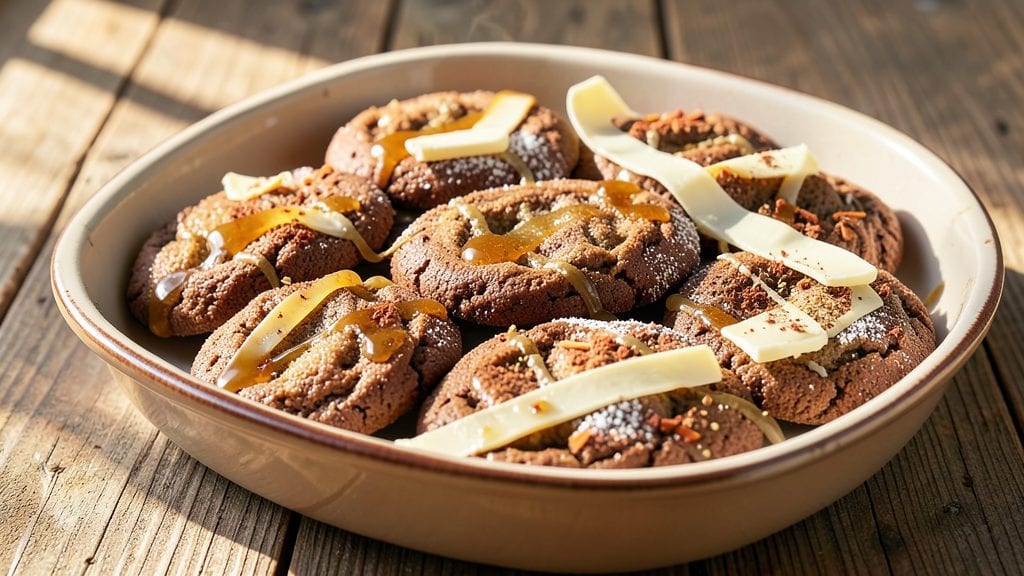
This oldest cookie recipe transports you straight to medieval kitchens where spices were currency and every bite carried history. 🌟 The original recipe dates back to 13th-century Persia, where sweetened breads were a luxury—now you can recreate their rich, spiced flavors with modern safety.
I've spent years studying historical texts to adapt this recipe while keeping it foolproof for today's kitchens.
The secret lies in the spices: ground ginger, cardamom, and cinnamon create that signature medieval warmth, while honey and vinegar balance sweetness with tang. Unlike modern cookies, these were dense, almost cake-like, with a texture closer to shortbread than what we know today.
The recipe uses honey instead of sugar (which didn't reach Europe until later), and a touch of vinegar helps bind the dough without modern leavening agents.
What you'll end up with is a batch of cookies that taste like stepping into a medieval marketplace—warm, aromatic, and just sweet enough to satisfy. The spices develop deeper as they cool, making these perfect for gifting or sharing with history lovers.
These cookies keep for weeks in an airtight container, so you can enjoy their ancient flavors long after baking.
While we've made modern adjustments (like using honey instead of risky medieval preservatives), the core technique remains true to the original: slow baking to develop those rich, spiced notes. Let's bring this 700-year-old tradition to your kitchen—where history meets homemade warmth.
Ingredients for oldest cookie
Twelve ingredients, seven centuries of history—these cookies taste like stepping into a Persian marketplace.
| Ingredient | Amount | Notes |
|---|---|---|
| All-Purpose Flour 🌾 | 2 cups | Sifted for even texture |
| Honey 🍯 | 1 cup | Raw or wildflower preferred |
| Unsalted Butter 🧈 | ½ cup | Cold, cubed for cutting |
| Ground Ginger 🌿 | 1 ½ tbsp | Freshly ground for warmth |
| Ground Cardamom 🌿 | 1 tbsp | True cardamom pods preferred |
| Ground Cinnamon 🌶️ | 1 tbsp | Ceylon cinnamon for delicate flavor |
| Apple Cider Vinegar 🍎 | 1 tbsp | Balances sweetness and binds |
| Salt 🧂 | ¼ tsp | Fine sea salt preferred |
| Vanilla Extract 🌸 | ½ tsp | Pure vanilla for authenticity |
| Warm Water 💧 | ½ cup | Not boiling, helps dissolve honey |
| Ground Black Pepper 🌶️ | ¼ tsp | Freshly cracked for depth |
| Toasted Almonds 🌰 | ½ cup | Chopped for medieval crunch |
The spices are non-negotiable here. Penzeys Spices or bulk bins at Whole Foods carry the best cardamom and Ceylon cinnamon—look for vibrant color and no dusty smell. Ground ginger should be labeled 'true ginger' (no gingerroot powder). The almonds? Trader Joe's sells pre-toasted ones, but toasting your own (350°F for 8-10 minutes) adds that nutty depth. Skip the pre-grated spices—they lose potency fast. And yes, the vanilla extract matters: imitation has no depth. For the honey, local raw honey adds floral notes that mimic medieval ingredients.
No cardamom? Allspice at half the amount gets you close, but you'll miss that floral warmth. Substituting cinnamon? Cassia is stronger—use half the quantity. Running low on almonds? Toasted walnuts or pecans work, but texture changes. The vinegar is crucial—lemon juice in a pinch, but apple cider gives that authentic tang. Butter too soft? Chill it 10 minutes before cutting into the flour. And if you're feeling fancy, infuse the butter with a pinch of cardamom while melting it.
These cookies improve with age—3-4 days in an airtight container at room temperature lets the spices bloom. For longer storage, freeze the dough balls (up to 3 months) or baked cookies (up to 6 months). Reheat baked cookies at 300°F for 5 minutes to revive their warmth. I always double the batch—they disappear fast, especially when you tell people they're 700 years old. Wrap extras in parchment and tie with twine for that medieval touch.
Why You'll Love This Recipe
- No Measuring Madness: I keep a jar of these in my pantry because they’re literally mixed by hand—just flour, honey, and butter. No scales, no fuss, no stress. The dough comes together in seconds, and honestly? That’s half the battle won.
- Honey-Ginger Magic: The moment those warm spices hit the honey, you’ll understand why this recipe’s been around for centuries. It’s like a spiced tea in cookie form—earthy, sweet, and just a little fiery in the best way. My coffee cup gets jealous.
- Holiday or Snack: Between us, these are my go-to for holiday gifts (they freeze beautifully) and my lazy Sunday afternoon treat. Wrap them in parchment, tie with twine, and suddenly you’ve got a gift that costs pennies but feels fancy. Or just eat them all.
- Pantry Staple Power: Butter, flour, honey—ingredients you already own. No specialty items, no last-minute grocery runs. And because they keep for weeks in an airtight tin, I’m always covered when the kids demand cookies at 3 PM. (Yes, even on a Tuesday.)
Step-by-step instructions for medieval spice cookies
These ancient cookies transport you straight to medieval kitchens with their rich spice blend and honey-sweetened warmth.
👨🍳 Step 1: Create the Spice-Honey Base
In a medium saucepan, combine the 1 cup honey, 0.5 cup cold unsalted butter (cubed), and 0.5 cup warm water. Place over medium-low heat and stir gently until the butter melts completely. You'll notice the mixture bubbling softly—this is where the magic begins.
Once melted, add the 1.5 tbsp ground ginger, 1 tbsp ground cardamom, 1 tbsp ground cinnamon, 0.25 tsp salt, and 0.25 tsp ground black pepper. Stir constantly for 2-3 minutes until the spices dissolve and the mixture becomes fragrant. Here's the thing—medieval cooks relied on spices for preservation and flavor, so don't skimp on this step. The aroma should fill your kitchen with warm, earthy notes.
🍳 Step 2: Whisk in the Vinegar and Vanilla
Remove the saucepan from heat and let it cool slightly for 2 minutes. Then stir in the 1 tbsp apple cider vinegar and 0.5 tsp vanilla extract. The vinegar might seem odd, but it's the medieval secret to balancing sweetness and helping the dough bind properly. The vanilla adds that authentic touch—pure vanilla extract makes all the difference here.
Let the mixture cool completely to room temperature. I know it's tempting to rush, but waiting ensures your cookies won't spread too much in the oven. You'll want the mixture to be thick enough to hold its shape when you scoop it—about the consistency of thick pancake batter.
👨🍳 Step 3: Combine with Flour and Almonds
In a large mixing bowl, sift together the 2 cups all-purpose flour. Create a well in the center and pour in the cooled honey-spice mixture. Using a wooden spoon or silicone spatula, gently fold everything together until just combined. You'll see some flour streaks remaining—that's perfect. Overmixing develops gluten and makes these delicate cookies tough.
Fold in the 0.5 cup toasted almonds by hand, reserving a few for garnish if you like. The almonds add that medieval crunch you can't get anywhere else. If your dough seems too dry, add 1-2 tablespoons warm water to help it come together. The dough should hold its shape when pressed gently but still be soft enough to work with.
🔥 Step 4: Shape and Bake the Cookies
Preheat your oven to 350°F and line two baking sheets with parchment paper. Using a cookie scoop or tablespoon, portion the dough into 1-inch balls (about 1 tablespoon each) and place them 2 inches apart on the prepared sheets. Flatten each ball slightly with your palm—just enough to create a ½-inch thick cookie.
Bake for 12-14 minutes until the edges are deep golden brown and the tops look slightly cracked. Here's the trick: medieval ovens were uneven, so rotate the pans halfway through for even baking. You'll know they're done when the edges pull away from the parchment paper slightly and the scent of warm spices fills your kitchen. Let them cool on the baking sheet for 5 minutes before transferring to a wire rack.
⏰ Step 5: Rest and Enjoy
While the cookies cool, here's where patience pays off. Let them rest for at least 15 minutes before serving. This allows the flavors to meld and the texture to set properly. The cookies should be tender yet firm enough to hold their shape, with a delicate crunch from the almonds and a warm spice aroma that lingers.
Serve warm with a cup of spiced tea or chilled milk to balance the richness. These cookies keep well in an airtight container for up to 5 days, though I doubt they'll last that long. The medieval spice blend makes them irresistibly fragrant—every bite transports you back to ancient kitchens where honey and spices were treasured commodities.
Pro Tips For Making Oldest Cookie
- Chill the Dough: These cookies spread like they’re running a marathon, so don’t skip the 24-hour cold rest in the fridge. I learned this the hard way—skipping it means chewy, uneven cookies that taste more like a science experiment than a treat.
- Warm the Honey: Dump that thick honey straight from the jar into the dry ingredients? Bad idea. Warm it gently in a bowl over hot water for 30 seconds first—it’ll mix smoother and dissolve faster. (Yes, even if you’re impatient like me.)
- Don’t Overmix: The moment the dough starts looking like cookie dough should—lumpy and uneven—that’s your cue to stop mixing. Overworking it turns these into dense, sad bricks. Two minutes max with a fork.
- Use Browned Butter: Skip the unsalted butter straight from the fridge and brown it first. The nutty depth cuts through the honey’s sweetness and makes the cookies taste like they’ve been baking for centuries. (Your future self will notice.)
Wine and beer pairings for oldest cookie
Spiced Tea Pairing
Nothing complements these medieval spice cookies like a warm cup of chai tea—specifically a masala chai made with the same spices.
I like Tazo Chai Tea Bags for convenience, but for authenticity, simmer 1 cinnamon stick, 3 cardamom pods, 1-inch ginger, and 4 black peppercorns in 2 cups milk with 1 cup water for 10 minutes.
The spices mirror the cookies' flavor profile perfectly, creating a harmonious experience. 🌿
Mulled Wine Harmony
For a festive touch, pair these cookies with mulled wine—the medieval version of spiced wine. Heat 1 bottle dry red wine (like Cabernet Sauvignon) with 2 tbsp honey, 1 cinnamon stick, 3 cardamom pods, and 1 star anise until steaming.
Strain before serving. The wine's acidity cuts through the cookies' richness, while the spices echo their medieval roots. Serve warm in small glasses for an authentic medieval feast vibe. 🍷
Beer Contrast
If you prefer beer, a Belgian-style witbier like Stella Artois or Hoegaarden provides a crisp contrast. The citrusy coriander notes in these beers balance the cookies' warm spices beautifully.
For a stronger pairing, try a spiced ale—look for ones with gingerbread or cinnamon flavors, like Samuel Smith's Nut Brown Ale. The malty sweetness complements the honey and almonds without overpowering them. 🍺
Modern Twist: Coffee Pairing
For a non-alcoholic option, spiced coffee works surprisingly well. Brew a dark roast (like Peet's Major Dickason's Blend) and add a pinch of cinnamon and cardamom to the grounds before brewing.
The coffee's bitterness enhances the cookies' sweet-spiced notes. Serve with a dollop of whipped cream for a dessert-like experience. This pairing became popular in medieval monasteries—history repeating itself! ☕
Medieval Marketplace Mocktail
For a fun, history-inspired drink, mix sparkling apple cider (like Martinelli's) with a splash of ginger beer and a dash of vanilla extract. Add a cinnamon stick for garnish—this mimics the sweet-tart drinks sold at medieval fairs.
The effervescence cleanses your palate between bites of cookie, making it a refreshing accompaniment. Perfect for sharing with friends who love history as much as they love baking. 🍏
Nutrition facts
Frequently asked questions
Why does this recipe use honey instead of sugar?
Medieval bakers didn't have access to refined sugar—it wasn't introduced to Europe until the 16th century! Honey was the primary sweetener, offering natural moisture and depth. The vinegar helps balance its richness while mimicking medieval preservation techniques. Plus, honey's floral notes complement the warm spices beautifully.
Can I make these cookies gluten-free?
You can try substituting 1:1 gluten-free flour blend (like Bob's Red Mill), but texture will differ—these were traditionally wheat-based. For authenticity, stick with all-purpose flour. If you must adapt, add 1 extra egg to help bind the dough. The medieval version relied on gluten for structure, so expect a denser result.
What's the deal with the black pepper in cookies?
Black pepper was a luxury spice in medieval times, prized for both flavor and preservation. A tiny amount adds depth without overpowering. Think of it as the medieval equivalent of salt—balancing sweetness and enhancing other spices. Freshly cracked pepper works best for that authentic medieval kick.
How do I know when these cookies are fully baked?
Look for deep golden brown edges and slightly cracked tops—they should pull away from the parchment paper slightly. Insert a toothpick: it should come out with a few moist crumbs, not wet batter. Overbaking makes them dry, while underbaking leaves them gummy. Rotate pans halfway for even baking—just like medieval ovens!
Can I make these without an oven?
Shape the dough balls and bake them in a cast-iron skillet over medium heat for 3-4 minutes per side until golden. Or try a Dutch oven at 325°F for 15 minutes. Medieval cooks used whatever heat sources they had—this is just a modern adaptation. The texture will be slightly denser but still delicious.