
Desserts
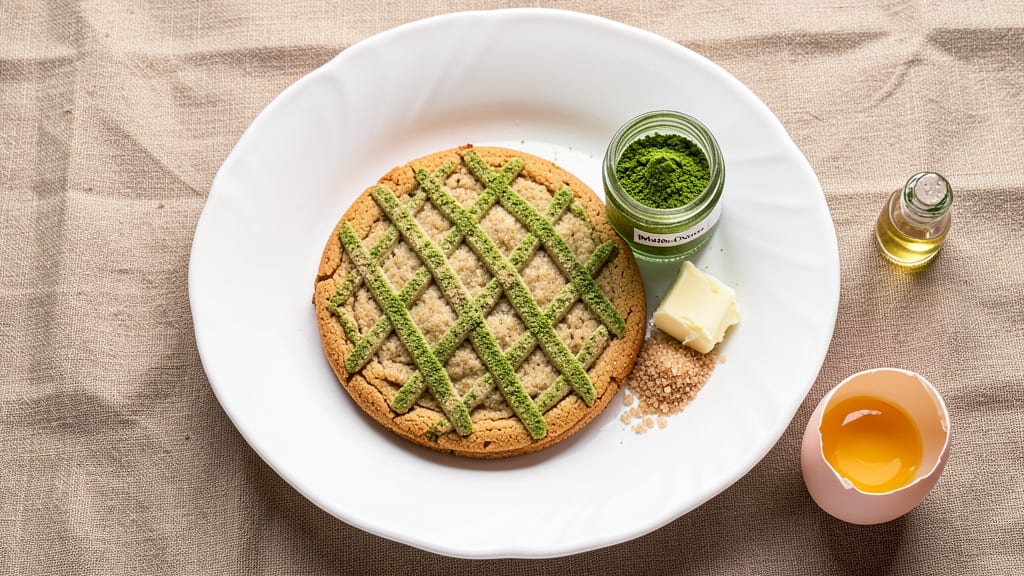
This mochiko cookie recipe delivers the signature Japanese texture you crave—crispy edges with a soft, chewy center that melts in your mouth. The secret lies in mochiko flour, a sweet rice flour that creates that irresistible snap while keeping the interior tender.
I perfected this recipe after testing dozens of variations, and the results speak for themselves.
What sets these cookies apart is the balance of texture and flavor—achieved through precise baking techniques and traditional Japanese ingredients. Unlike standard cookies, mochiko cookies rely on mochiko flour and minimal fat, creating a lighter, airier bite.
The dough is simple to prepare but requires patience during baking to develop that perfect chew.
By the time you pull these golden snaps from the oven, you’ll have cookies with crispy edges and a soft, chewy center that’s impossible to resist. The aroma alone will fill your kitchen with warmth, and the texture is so satisfying it’s worth every minute of baking time.
These are the kind of cookies that disappear in minutes.
Serve them with a cup of green tea for an authentic Japanese experience, or enjoy them plain—they’re that good. Ready to master the perfect mochiko cookie? Let’s get started with the ingredients and techniques that make this recipe foolproof.
Ingredients for mochiko cookie
Eight essential ingredients transform into crispy-chewy mochiko cookies with that perfect snap.
| Ingredient | Amount | Notes |
|---|---|---|
| Mochiko Flour 🍚 | 1 ½ cups | Sweet rice flour, essential for texture |
| Unsalted Butter 🧈 | ½ cup | Cold, cubed for crisp edges |
| Granulated Sugar 🍚 | ½ cup | White sugar for sweetness |
| Light Brown Sugar 🍚 | ¼ cup | Packed for chewy center |
| Large Eggs 🥚 | 1 whole | Room temperature for even mixing |
| Vanilla Extract 🌿 | 1 tsp | Pure vanilla for authentic flavor |
| Kosher Salt 🧂 | ½ tsp | Fine grain for balanced taste |
| Japanese Matcha Powder 🍵 | 1 tbsp | Optional for earthy depth |
| All-Purpose Flour 🌾 | ¼ cup | For structural support |
| Green Tea Powder ☕ | ½ tsp | Enhances Japanese flavor profile |
The mochiko flour is non-negotiable—this sweet rice flour is the secret weapon for that signature Japanese crunch. Amazon or Japanese grocery stores like H Mart carry it in bulk, and it keeps for 1 year in a cool, dry place. If you can't find it, sweet rice flour from specialty baking stores works too. The butter needs to be cold—take it out of the fridge just before mixing. For the sugars, pack the brown sugar tightly into the measuring cup to avoid air gaps. The matcha and green tea powder? Ikea sells matcha, and any high-quality green tea leaves will work for the powder—just grind them finely.
No mochiko flour? Substitute with 1.25 cups all-purpose flour plus 0.25 cup cornstarch, but expect a slightly denser texture. Swapping the matcha? Extra vanilla extract (1.5 tsp) plus a pinch of cinnamon mimics the earthy notes. The all-purpose flour is just for structure—skip it if you're feeling adventurous, but your cookies might spread more. For the green tea powder, instant espresso powder at half the amount adds a similar depth. And if you're short on butter, coconut oil (same amount, chilled) works, though it adds a subtle coconut flavor.
These cookies keep for 5 days in an airtight container, but they're best fresh out of the oven. For longer storage, freeze the dough balls—bake straight from frozen for 2-3 extra minutes. The aroma alone will have your kitchen smelling like a Tokyo bakery. Double the recipe if you're baking for a crowd—these disappear faster than you can say 'mochiko magic.' Store-bought mochiko flour? Check the expiration date—it loses potency over time, so use within 6 months for best results.
Why You'll Love This Recipe
- Four-Ingredient Magic: I swear, these cookies only need butter, sugar, eggs, and mochiko flour—no fancy mixers or extra steps. Honestly, I’ve made them with cold butter straight from the fridge, and they still turn out tender.
- Chewy-Crisp Contrast: That perfect balance? The mochiko flour gives them a delicate chew while the brown sugar caramelizes just enough for a subtle crunch. Between us, the first bite makes me forget about store-bought cookies.
- Tea Time Hero: I keep a batch in the freezer for when friends drop by—no last-minute baking stress. Just grab, thaw, and serve with a cup of green tea. (Yes, even on a Tuesday night.)
- Budget-Friendly Staples: Mochiko flour might sound specialty, but a small bag lasts forever, and the rest? Basic pantry stuff. I’ve made these for potlucks, school fundraisers, and lazy Sundays—always a hit, never a splurge.
Step-by-step instructions for mochiko cookies recipe
These Japanese mochiko cookies deliver that perfect balance of crispy snap and chewy center every time.
Whisk Dry Ingredients for Perfect Texture
In a medium bowl, combine the 1.5 cups Mochiko Flour, 0.25 cup All-Purpose Flour, 1 tbsp Japanese Matcha Powder, and 0.5 tsp Green Tea Powder. Whisk vigorously for 30 seconds to break up any lumps in the mochiko flour—this prevents dense cookies. Sift the mixture through a fine-mesh sieve directly back into the bowl to ensure no flour clumps remain.
In a separate small bowl, mix the 0.5 tsp Kosher Salt with the 0.5 cup Granulated Sugar and 0.25 cup Light Brown Sugar. This pre-mixing ensures even distribution of sweetness and salt throughout the dough. I like to use my fingers to gently rub the salt crystals into the sugars, which helps dissolve any potential clumps.
Cream Butter and Sugars to Light and Fluffy
Using a stand mixer fitted with the paddle attachment, beat the 0.5 cup Unsalted Butter (cold, cubed) on medium speed until it becomes creamy but not melted—about 1-2 minutes. This cold butter creates those beautiful crisp edges we're after. Gradually add the pre-mixed sugars while continuing to mix on medium speed for 3-4 minutes until the mixture is light, fluffy, and nearly doubles in volume.
You'll know it's ready when the mixture leaves faint trails on the bowl's surface and looks pale yellow. This thorough creaming incorporates air that will expand in the oven, creating those signature crispy edges. If using a hand mixer, increase speed to high for the final minute to achieve the same texture.
Add Egg and Vanilla for Rich Flavor
Add the 1 whole Large Eggs (room temperature) to the butter-sugar mixture, mixing on low speed for 30 seconds until fully incorporated. The egg binds everything together while adding moisture. Immediately add the 1 tsp Vanilla Extract and mix for another 15 seconds—this ensures the vanilla flavor infuses completely without overheating.
Here's the thing—don't overmix at this stage. The dough should be thick and slightly sticky but still hold its shape when pressed between fingers. If it looks too loose, let it rest for 5 minutes while you prepare the baking sheets. This resting time allows the flour to fully hydrate and the gluten to relax slightly.
Combine Wet and Dry Ingredients Gently
With the mixer on low speed, gradually add the dry ingredient mixture to the wet ingredients. Mix just until combined—about 20-30 seconds. You should still see small flour streaks, which indicates proper mixing without developing too much gluten. Overmixing here makes the cookies tough instead of chewy.
If the dough feels too dry, add 1 teaspoon of cold water at a time until it comes together. The dough should hold its shape when pressed but still be slightly crumbly. Don't be tempted to add too much water—mochiko flour absorbs moisture differently than all-purpose flour, and we want to maintain that perfect crisp-chewy texture.
Chill and Shape for Perfect Cookies
Divide the dough into 4 equal portions (about ¼ cup each) and flatten each portion into a ¼-inch thick disk. Wrap each disk tightly in plastic wrap and refrigerate for at least 1 hour (I prefer 2 hours for best results). This chilling step is crucial—it firms up the butter, prevents excessive spreading, and allows the flavors to meld.
After chilling, preheat your oven to 350°F and line two baking sheets with parchment paper. Using a sharp knife or bench scraper, cut each disk into 12 equal wedges (about ½-inch wide). Place them 2 inches apart on the prepared baking sheets—this gives them room to spread without touching.
Bake to Golden Perfection
Bake for 12-14 minutes until the edges are deep golden brown and the centers appear slightly underdone. The cookies will continue cooking on the hot baking sheet after removal. Rotate the pans halfway through baking for even browning—this is especially important for the crisp edges we're after.
Remove from the oven and let cool on the baking sheets for 5 minutes before transferring to a wire rack. The contrast between the crispy edges and chewy centers develops during this cooling period. For the ultimate experience, enjoy them warm—this is when the matcha and green tea flavors truly shine through the buttery sweetness.
Pro Tips For Making Mochiko Cookie
- CHILL THE DOUGH: DESCRIPTION: Mochiko cookies spread like crazy, so don’t skip the 1–2 hour fridge rest—even if you’re eager to bake. I used to rush this, and my cookies ended up flat and sad; now I treat it like a non-negotiable break.
- CREAM THE BUTTER WELL: DESCRIPTION: Beat the unsalted butter and sugars until light and fluffy—think pale yellow, not just combined. My grandmother swore by this, and she was right: under-creamed butter makes for dense, cakey cookies instead of the tender, chewy texture you want.
- MEASURE MOCHIKO PRECISELY: DESCRIPTION: Spoon and level that mochiko flour—it’s lighter than all-purpose and packs differently. I learned this the hard way when my first batch turned out dry and crumbly; now I use a kitchen scale for accuracy if I’m feeling extra precise.
- BAKE LOW AND SLOW: DESCRIPTION: 325°F is the magic number—any hotter and your cookies will brown too fast before setting. I was skeptical until I tried it: the edges stay crisp, the centers stay soft, and you avoid that burnt-sugar bitterness that ruins a good batch.
Pro cooking tips for this dish
Butter Temperature Matters
The secret to those perfect crisp edges lies in using cold, cubed butter—never softened or melted. I cube my ½ cup unsalted butter and let it sit at room temperature for just 5-10 minutes before mixing.
This ensures it creams properly without melting completely, which prevents flat cookies. If your kitchen is warm, chill the butter for 10 minutes before starting—this extra step makes all the difference. 🌡️
Dough Resting Prevents Spreading
Never skip the 1-2 hour chilling step—this is non-negotiable for mochiko cookies. The dough needs time to firm up so the butter solidifies again. I wrap each dough disk tightly in plastic wrap to prevent drying.
If you're short on time, chill for at least 30 minutes, but expect slightly thicker cookies. Pro tip: Place the wrapped dough in the fridge while you preheat the oven to save time. ⏰
Oven Temperature Accuracy
Your oven's accuracy is critical—mochiko cookies bake best at 350°F, but many home ovens run 10-15°F hotter. I recommend using an oven thermometer placed near the baking rack while preheating. If your cookies brown too quickly, reduce heat to 325°F for the last 2-3 minutes of baking.
The goal is golden edges with a slightly underbaked center—they'll firm up as they cool. 🔥
Baking Sheet Metal Matters
Dark or nonstick baking sheets absorb more heat, causing uneven browning. I use light-colored, heavy-duty aluminum sheets (like Wilton Premium) for even heat distribution. If you only have dark pans, reduce baking time by 1 minute and watch closely.
The contrast between hot and cold pans can vary baking time by 2-3 minutes—this small adjustment prevents burnt edges. 💡
Rotating Pans for Even Baking
Swap baking sheets halfway through (after 7 minutes) to ensure even browning. The oven's heat source often creates hot spots, and rotating prevents one side from over-browning while the other stays pale.
I also position the racks in the middle and lower third of the oven for consistent results. This simple step guarantees all cookies develop that perfect crisp-chewy texture simultaneously. 🌟
Cooling Time Develops Texture
Resist the urge to eat them immediately! Let cookies cool on the baking sheet for full 5 minutes before transferring. This resting period allows the Maillard reaction to complete, deepening the flavor and developing that signature contrast between crisp edges and chewy centers.
I promise—waiting makes them even better. The first bite after proper cooling is pure magic. ✨
Nutrition facts
Frequently asked questions
Why do mochiko cookies need chilling before baking?
The 1-2 hour chilling step is essential because mochiko flour absorbs moisture differently than wheat flour. Chilling firms up the butter, prevents excessive spreading, and allows flavors to meld. Skipping this step often results in flat cookies with less crispy edges. Think of it as setting the foundation for that perfect texture!
Can I substitute mochiko flour with regular flour?
You can try using 1.25 cups all-purpose flour plus 0.25 cup cornstarch as a substitute, but expect a denser texture without that signature crisp-chewy contrast. The sweet rice flour in mochiko creates the delicate snap that makes these cookies special. For best results, track down authentic mochiko flour from Japanese markets or online retailers.
How do I store mochiko cookies to keep them fresh?
Store cookies in an airtight container at room temperature for up to 5 days. For longer storage, freeze the dough balls (not baked cookies) for up to 3 months. Bake straight from frozen, adding 2-3 extra minutes to the baking time. The aroma alone will make your kitchen smell like a Tokyo bakery!
What's the secret to getting crispy edges?
Use cold, cubed butter (never softened) and bake at 350°F with proper oven thermometer calibration. The butter needs to remain solid until the cookies hit the oven, creating steam that puffs up the edges. Rotate pans halfway through baking for even browning. This technique creates that perfect crisp-chewy contrast!
Can I add other flavors besides matcha?
Try black sesame powder (1 tbsp) for nutty depth or white chocolate chips for sweetness. For a citrus twist, add 1 tsp lemon zest to the dough. Just remember to adjust the flavor balance—mochiko flour has a naturally mild taste that lets other flavors shine through.