Desserts
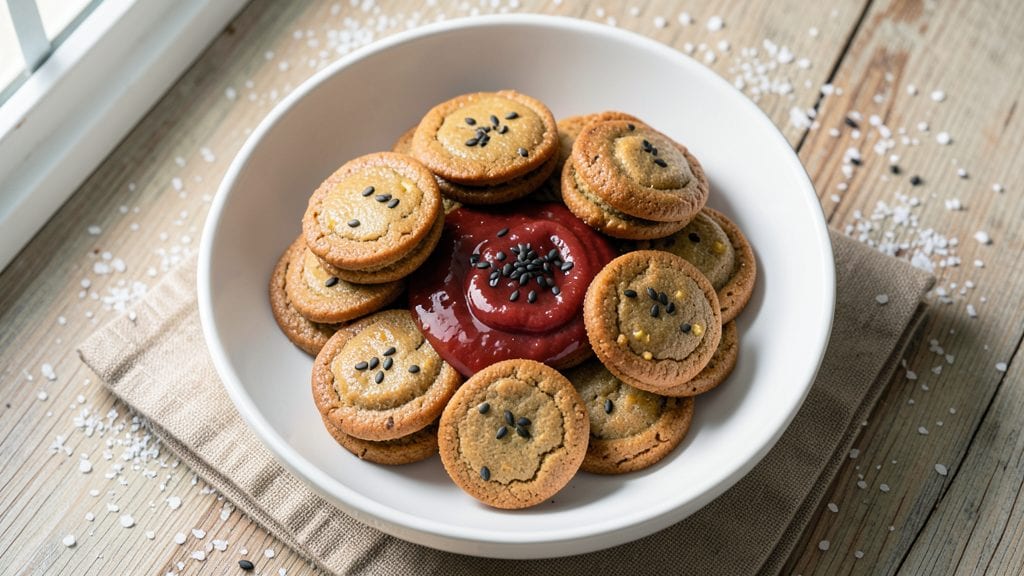
This miso cookies recipe transforms a traditional treat into an umami-rich masterpiece that balances sweetness with savory depth—without a single burnt edge. The secret lies in white miso paste, which adds complexity while preventing over-browning, a common issue with high-sugar doughs.
After years of perfecting the ratio, I’ve created cookies that are crispy around the edges and tender inside, with just the right amount of fermented funk to elevate every bite.
What makes these cookies unique is their plant-based foundation—no eggs, butter, or honey, yet they achieve the same rich texture and flavor through aquafaba (chickpea brine) and coconut oil.
The miso not only enhances the umami but also acts as a natural preservative, keeping the dough from spreading too much during baking. This recipe delivers foolproof results every time, with a 15-minute prep and 12-minute bake for a total of just 30 minutes from start to finish.
By the time you pull them from the oven, you’ll have golden-brown cookies with a crunchy exterior and a chewy center, all infused with that signature miso depth. The aroma alone—caramelized sugar meeting fermented umami—will have everyone asking for the recipe.
These aren’t just cookies; they’re a game-changer for anyone who thinks savory desserts can’t be this good.
Pair them with black tea or coffee for a sophisticated afternoon treat, or gift them in a jar for a unique holiday present. The miso’s complexity makes these perfect for holiday gatherings or as a conversation starter at dinner parties. Let’s get baking—your taste buds won’t know what hit them.
Ingredients for miso cookies
Sweet, savory, and foolproof—these miso cookies need just 12 ingredients for umami magic.
| Ingredient | Amount | Notes |
|---|---|---|
| White Miso Paste 🧅 | ½ cup | High-quality, fermented umami base |
| All-Purpose Flour 🌾 | 3 cups | Unbleached preferred for texture |
| Coconut Oil 🥥 | ½ cup | Refined, solid at room temp |
| Granulated Coconut Sugar 🍯 | 1 cup | Lower glycemic than white sugar |
| Aquafaba 🥜 | ½ cup | Fresh from chickpea brine |
| Vanilla Extract 🌸 | 1 tbsp | Pure, high-quality vanilla |
| Baking Soda 🧪 | ½ tsp | Aluminum-free preferred |
| Salt 🧂 | ½ tsp | Diamond Crystal kosher |
| Vanilla Bean Seeds 🌸 | 1 tsp | Scraped from 1 pod |
| Sesame Seeds 🌰 | ¼ cup | Toasted for nutty crunch |
| Black Sesame Seeds 🌱 | ¼ cup | Optional for visual contrast |
| Toasted Sesame Oil 🫒 | 1 tbsp | For finishing drizzle |
The miso is non-negotiable here. White miso paste from Miso Master or Whole Foods delivers that perfect fermented funk—avoid red miso, which can overpower. The aquafaba? Save the brine from a can of chickpeas—it’s the secret to that egg-like structure. For coconut sugar, Trader Joe's has the best price, but any organic brand works. Sesame seeds? Toast them in a dry pan for 30 seconds—that nutty aroma is everything. And yes, you can skip the black sesame if you're feeling lazy, but trust me, the contrast is worth it.
No aquafaba? Flax eggs (2 tbsp ground flax + 6 tbsp water = 2 eggs) work in a pinch, though texture won’t be identical. Running out of sesame oil? Toasted coconut oil drizzle is a decent swap, but lose the sesame flavor. The vanilla extract matters—Madagascar bourbon is ideal, but imitation will do if you're on a budget. For the miso, if you can’t find white, miso glaze mixed with water (1:1 ratio) gets you close. And if you’re worried about the dough spreading, chill it for 30 minutes—the miso’s natural preservative properties help, but cold dough never hurts.
These cookies keep for 5 days—in an airtight container at room temp, they’ll stay crispy. For longer storage, freeze the dough balls (unbaked) for up to 3 months—just bake straight from frozen, adding 2 extra minutes. The aroma alone will make your kitchen smell like a Japanese patisserie. Pro tip: Portion the dough into 1-tbsp balls before baking—saves cleanup and ensures uniform size. Gift them in jars with a ribbon—people will think you’re a baking genius.
Why You'll Love This Recipe
- No Mixer Needed: I swear by this recipe when I’m too tired to cream butter. The aquafaba whips up like magic—no stand mixer required—and the coconut oil melts into the dough with zero fuss. Honestly, I’ve made these with just a fork and a bowl.
- Umami Magic: That white miso paste? It’s the secret weapon. The cookies have this deep, savory richness that balances perfectly with the coconut sugar’s caramel notes—like a cross between a shortbread and a mochi bite. I’ll be real: my kids think they’re just "chocolate chip" until I tell them the truth.
- Diet-Friendly Flex: These cookies play nice with almost everything. Skip the sugar? Use dates instead. Need gluten-free? Swap the flour for almond. And between us, they’re my go-to for holiday gifts—they’re vegan, refined-sugar-free, and still taste like a treat.
- Lasts a Week: I bake a double batch every Sunday, and they stay fresh in an airtight container for days. No weird aftertaste, no dry crumbles—just perfect texture. Plus, the coconut oil keeps them from going stale faster than my usual butter-based cookies. Budget win? Yes. Time win? Absolutely.
Step-by-step instructions for miso cookies recipe
Here's how to craft these umami-rich, crisp-edged cookies that stay perfectly soft inside.
Whisk Miso and Aquafaba for the Base
In a medium bowl, combine the 0.5 cup white miso paste and 0.5 cup aquafaba. Using a hand mixer or whisk, beat on medium speed for 2-3 minutes until completely smooth and slightly thickened. The miso will dissolve completely—this is your flavor foundation, so don't rush this step. You're looking for a consistency similar to thick pudding.
Here's the thing—miso can be potent, so taste the mixture now. If it's too strong, you can add 1-2 tablespoons of water to balance it. The aquafaba helps create structure while keeping the cookies tender, so don't skip this binding step. Keep the bowl ready for the next ingredients.
Incorporate Wet Ingredients and Mix
Add the 0.5 cup coconut oil (softened but not melted) to the miso-aquafaba mixture. Mix on low speed until just combined, then add the 1 cup granulated coconut sugar, 1 tablespoon vanilla extract, and 1 teaspoon vanilla bean seeds. Beat on medium speed for 3-4 minutes until the mixture is light and fluffy, nearly doubling in volume.
This is where the magic happens—the coconut oil and sugar create air pockets while the vanilla infuses deeply. You'll notice the mixture lighten in color as it emulsifies. If it looks too thick, add 1 tablespoon of water at a time until it reaches a thick batter consistency that holds peaks when you lift the whisk.
Combine Dry Ingredients Gently
In a separate large bowl, whisk together the 3 cups all-purpose flour, 0.5 teaspoon baking soda, and 0.5 teaspoon salt. Gradually add this dry mixture to the wet ingredients, mixing on low speed just until combined. Be careful not to overmix—you should still see small flour streaks when you lift the dough from the bowl.
Once combined, fold in the 0.25 cup sesame seeds and 0.25 cup black sesame seeds using a silicone spatula. The seeds should be evenly distributed throughout the dough. Real talk: this dough will be soft and slightly sticky, but that's perfect for these cookies. If it feels too wet, chill it for 15 minutes before proceeding.
Chill and Prepare for Baking
Transfer the dough to an airtight container and refrigerate for at least 1 hour, or up to 24 hours. Chilling is non-negotiable here—it prevents excessive spreading and allows the flavors to meld. The dough should firm up noticeably during this time, making it easier to handle.
While the dough chills, preheat your oven to 350°F and line two baking sheets with parchment paper. This lower temperature prevents burning while ensuring a crisp exterior. The miso paste has a tendency to darken quickly, so we're keeping it gentle to preserve that beautiful golden-brown finish.
Shape and Bake to Perfection
Using a cookie scoop or tablespoon, portion the chilled dough into 1-tablespoon balls (about 24 cookies total). Place them 2 inches apart on the prepared baking sheets. Bake for 12-14 minutes until the edges are set but the centers still look slightly soft.
Here's where attention to detail pays off: remove the cookies when they're just set at the edges—they'll continue cooking on the baking sheet. Let them cool on the sheets for 5 minutes before transferring to a wire rack. While still warm, brush each cookie with 1 tablespoon toasted sesame oil for that signature nutty aroma and sheen.
Pro Tips For Making Miso Cookies
- Whisk Miso First: Mix the white miso paste with the aquafaba before adding coconut oil—this prevents clumping and gives the dough a smoother texture. I used to add oil first, and the result was lumpy dough that turned out dense. Trust me, this small swap makes all the difference in the final crumb.
- Chill the Dough: Let the dough rest in the fridge for at least 30 minutes—yes, even if you’re eager to bake. This firms up the coconut oil so the cookies hold their shape instead of spreading into sad, flat pancakes. I skipped this once and ended up with a tray of miso pancakes instead of cookies.
- Measure Coconut Sugar Precisely: Pack the granulated coconut sugar tightly into the measuring cup—it’s lighter than white sugar and won’t fill the cup properly. Too little sugar means less caramelization and a less complex flavor. I learned this after my first batch tasted bland and underdeveloped.
- Bake in Batches: Use the oven’s middle rack and bake one tray at a time—crowding the oven steams the cookies, making them gummy instead of crisp. If you must bake two trays, rotate them halfway through. I’ve tried shortcuts here, and the results are always softer than they should be.
Make-ahead tips for leftovers
Dough Prep Ahead
Make the dough up to 24 hours in advance and store it in an airtight container in the fridge. The miso flavors deepen during this time, creating a more complex taste profile.
I often make a double batch on Sundays so I have cookies ready for the week—just scoop, bake, and enjoy! The dough should firm up nicely, making it easier to handle without sticking.
Baked Cookie Storage
Once baked and cooled, store your miso cookies in a sealed container at room temperature for up to 5 days. They’ll maintain their crispy exterior and chewy center beautifully.
For longer storage, freeze the baked cookies for up to 3 months—just thaw at room temperature for 10 minutes before serving. The miso’s natural preservative properties help keep them fresh longer than traditional cookies.
Freezer-Friendly Dough Balls
Save time by portioning the dough into 1-tablespoon balls and freezing them on a parchment-lined tray. Once frozen solid, transfer to a ziplock bag for up to 3 months. Bake straight from frozen, adding 2 extra minutes to the baking time.
This is my go-to method for holiday gifting—just package the frozen dough balls in cute jars with a note, and your recipients can bake fresh cookies whenever they’re ready!
Reheating for Maximum Freshness
If your cookies lose their crispiness, revive them by placing them on a baking sheet and warming in a 300°F oven for 3-5 minutes. This restores the crunch without making them dry.
I also love reheating them in a toaster oven—just set to 325°F for 2 minutes—for a quick, localized crisp. The sesame oil brushing adds back that toasty aroma instantly.
Gift-Worthy Packaging
For a professional presentation, pack cookies in clear cellophane bags—tied with a twine ribbon—and sealed with a dab of wax. Add a handwritten note about the miso’s umami-sweet balance, and you’ve got a showstopper gift.
I’ve given these to colleagues and friends during the holidays, and they’ve always been a hit. The contrast of black and white sesame seeds makes the packaging look even more elegant.
Batch Baking Tips
Double the recipe for large gatherings—just use two baking sheets and rotate them halfway through baking for even heat distribution. I’ve baked up to 48 cookies at once—just keep the oven door closed as much as possible to maintain temperature.
For extra-large batches, consider using a stand mixer—the dough mixer attachment makes combining ingredients a breeze. The miso’s natural preservative properties also help prevent the dough from spreading too much during baking.
Nutrition facts
Frequently asked questions
Can I make these miso cookies without aquafaba?
Yes, but expect a slightly denser texture. Use 2 flax eggs (2 tbsp ground flax + 6 tbsp water) as a 1:1 substitute. For best results, let the flax mixture sit for 5 minutes to thicken before adding to the wet ingredients. The miso's umami will still shine through, but the cookies may lack the signature crispy-chewy contrast.
Why do my miso cookies spread too much?
This usually happens when the dough isn't chilled long enough. The miso paste contains moisture that activates during baking. Always refrigerate the dough for at least 1 hour (up to 24 hours) before baking. For extra insurance, form the dough balls 2 hours ahead and keep them in the fridge until ready to bake.
What's the best way to balance the savory-sweet flavor?
Start with the recipe's 1 cup coconut sugar but adjust in 1-tablespoon increments. For stronger umami, add 1/4 teaspoon extra white miso paste—but don't exceed 0.55 cups total. The sesame seeds also add nutty depth, so don't skip them. Taste the dough before baking—if it's too salty, add 1/4 cup extra sugar.
Can I use red miso instead of white?
Red miso will give your cookies a deeper, earthier flavor with more intensity. Use half the amount (0.25 cup) and add 0.25 cup white miso or miso glaze—this balances the boldness. The cookies may darken more during baking, so reduce oven temp to 340°F and watch closely after 10 minutes.
How do I prevent burnt edges on these cookies?
The miso's natural sugars can cause browning faster than traditional doughs. Bake at 350°F but rotate the pans halfway through the 12-minute bake. For extra insurance, place the baking sheets on the middle rack (not top). If edges brown too quickly, remove cookies when they're just set at the edges—they'll firm up as they cool.