
Desserts
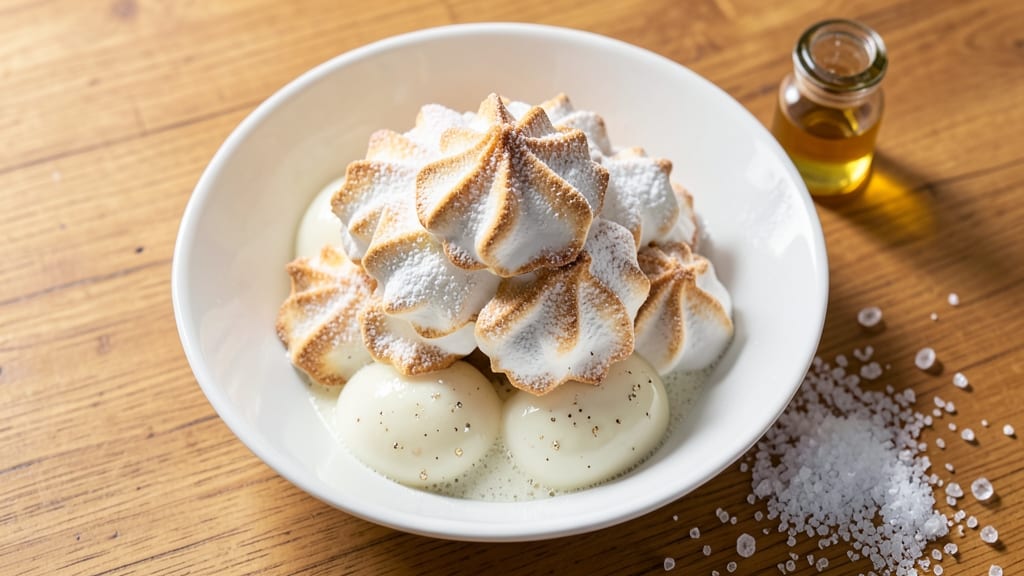
Creating meringue cookies that dissolve like clouds in your mouth while keeping their shape is an art I’ve perfected over years of baking experiments—and this recipe delivers restaurant-quality results at home.
The secret lies in precise ingredient ratios and a gentle baking technique that transforms simple egg whites and sugar into delicate, toasted vanilla-infused cookies. These aren’t your childhood store-bought versions; they’re crisp-edged yet chewy inside, with a subtle vanilla aroma that lingers like a warm hug.
What sets this recipe apart is the balance between structure and tenderness, achieved through stabilized egg whites and a touch of cream of tartar for stability. Unlike many meringue recipes that require specialized equipment, this method works with basic kitchen tools—just a mixer, piping bag, and patience.
The key is baking at a low temperature for an extended time, which allows the sugar to caramelize gently while keeping the centers soft. Even beginners can master this technique with just a few simple steps.
Imagine biting into a cookie that’s light enough to float away but sturdy enough to hold its shape, with a toasted vanilla flavor that tastes like a cozy afternoon in a bakery. These meringue cookies are perfect for special occasions, holiday gifts, or simply treating yourself to something extraordinary.
The best part? They’re vegetarian-friendly and require just five key ingredients, making them both impressive and accessible.
Once baked, you can leave them plain for an elegant presentation or dust them with powdered sugar for a snowy finish. Store them in an airtight container for up to a week, though they rarely last that long. Let’s create these delicate, dreamy treats together—your taste buds will thank you.
Ingredients for merengue cookie
Five ingredients transform into delicate, toasted vanilla meringue cookies that float like clouds.
| Ingredient | Amount | Notes |
|---|---|---|
| Large Egg Whites 🥚 | 4 whole | Room temperature, no yolks |
| Granulated Sugar 🍚 | 1 ½ cups | Superfine preferred for smooth texture |
| Cream of Tartar 🧂 | ¼ tsp | Stabilizes egg whites |
| Pure Vanilla Extract 🌿 | 1 tsp | High-quality, no alcohol taste |
| Powdered Sugar 🍚 | ½ cup | For dusting, optional |
The egg whites are the foundation—use room temperature ones for better volume. Kirkland Signature or Organic Valley brands work best, as they're consistently fresh. For sugar, superfine is ideal (like Domino or C&H), but regular granulated works if pulsed in a food processor. Cream of tartar stabilizes the meringue, preventing weeping—don't skip it. The vanilla extract should be pure alcohol-free (like Nielsen-Massey) for the cleanest flavor. I always buy extra because it's worth the investment for this recipe.
No cream of tartar? Lemon juice at half the amount works in a pinch, but the meringue won't be as stable. Superfine sugar unavailable? Pulse regular sugar in a food processor for 30 seconds—it'll work almost as well. For vanilla, vanilla bean paste adds speckles and extra flavor. The powdered sugar is optional but adds that classic snowy finish. If you're short on time, skip it—they're still delicious plain. These cookies need a dry environment to set properly, so I always bake them on a low-humidity day or use a dehumidifier in my kitchen.
Freshly baked meringues keep their texture best in a cool, dry place for up to 3 days. For longer storage, place them in an airtight container with silica gel packets—they'll stay crisp for 1 week. Freezing isn't recommended as it makes them soggy. I like to bake a batch on Sunday and portion them into small boxes with tissue paper for gifts. The vanilla flavor actually improves slightly as they sit, developing deeper notes over time.
Why You'll Love This Recipe
- No Whisk Needed: I swear, these cookies start with just three things—egg whites, sugar, and a pinch of cream of tartar. That’s it. No mixer, no fancy tools, just a bowl and your arm. (Yes, even if you’re not the strongest in the kitchen.)
- Vanilla Magic: The vanilla extract here isn’t just a splash—it’s the star. That warm, buttery aroma from the extract blends with the crispy sugar shell, making every bite taste like a hug from a bakery. Honestly, I’ve tried store-bought meringues, but these? Next level.
- Party in a Box: Freeze them, and they’re ready for last-minute gatherings. Sprinkle powdered sugar on top for a festive touch, or dip half in chocolate for a fancy dessert. My go-to? Pack them in clear jars for holiday gifts—zero effort, all wow.
- Pantry-Proof Perfection: Egg whites and sugar are cheap staples, and cream of tartar (if you don’t have it) is just lemon juice in a pinch. These cookies keep for weeks in an airtight container, so you’re not scrambling for dessert. Between us, I’ve made a batch, stored them, and still had leftovers a month later.
Step-by-step instructions for merengue cookies
Here's how to achieve perfectly light, airy meringue cookies with a toasted vanilla finish every time.
Prepare the Egg Whites and Stabilizers
Separate the 4 whole large egg whites from their yolks, ensuring no fat traces remain. Place them in a spotless, grease-free bowl—any grease will prevent proper whipping. Add the 0.25 teaspoon cream of tartar and 1 teaspoon pure vanilla extract to the egg whites. The cream of tartar stabilizes the meringue, while the vanilla adds depth of flavor that toasts beautifully later.
Let the mixture sit at room temperature for 10 minutes. This allows the egg whites to reach the ideal temperature for whipping, which is crucial for achieving the right texture. The bowl should be completely dry, as even a drop of water can interfere with the whipping process.
Whip the Meringue to Stiff Peaks
Using a stand mixer fitted with the whisk attachment, begin whipping the egg whites on low speed for 1 minute. Gradually increase the speed to medium-high and continue whipping for 3-4 minutes, or until soft peaks form. You'll know they're ready when the whisk leaves a trail that holds its shape but flattens slightly at the tip.
With the mixer still running, slowly add the 1.5 cups granulated sugar in a thin, steady stream. This gradual addition prevents the sugar from weighing down the meringue. Continue whipping for another 5-7 minutes until the meringue forms stiff peaks that stand upright when the whisk is lifted. The mixture should look glossy and hold its shape perfectly.
Shape and Toast the Cookies
Preheat your oven to 250°F. Line two baking sheets with parchment paper or silicone baking mats. Using a cookie scoop or spoon, drop rounded tablespoon-sized portions of meringue onto the prepared baking sheets, spacing them about 2 inches apart. For extra flair, you can pipe the meringue into small mounds using a piping bag fitted with a round tip.
Bake for 1 hour and 15 minutes, or until the cookies are completely dry to the touch and have a crisp, toasted appearance. The oven temperature should remain steady—any fluctuation can cause uneven baking. For a more intense vanilla flavor, you can increase the oven temperature to 275°F for the last 15 minutes of baking.
Cool and Dust with Powdered Sugar
Remove the cookies from the oven and let them cool on the baking sheets for 10 minutes. They should be completely crisp and dry. Using a fine-mesh sieve, dust the cooled cookies with 0.5 cup powdered sugar for a delicate, decorative finish. The powdered sugar adds a touch of sweetness and enhances the visual appeal of these light-as-air treats.
Allow the cookies to cool completely before serving. They'll continue to crisp up as they cool, resulting in the perfect texture. Store in an airtight container at room temperature for up to 2 weeks, though they're best enjoyed fresh for maximum crispness and flavor.
Pro Tips For Making Merengue Cookie
- Whip Egg Whites Cold: Pop those egg whites straight from the fridge—room temperature whites trap air like a soggy balloon. I learned this the hard way after making meringue that looked more like wet paper towels than clouds. Use a chilled bowl too, or your mixer will fight you.
- Measure Sugar Precisely: Skip the scoop-and-sweep method—pack your granulated sugar into the measuring cup and level it off. Too little sugar means weak structure; too much makes them dense. I once used a vague "handful" and ended up with cookies that crumbled like stale crackers.
- Bake Low and Slow: Your oven’s top rack is not your friend. Bake meringue cookies on the middle rack at 250°F (120°C) for 1.5 hours—yes, it’s a long haul, but rushing turns them rubbery. The slow bake ensures they dry evenly without browning.
- Sift Powdered Sugar: Dump that powdered sugar straight from the bag, and you’ll end up with lumps that ruin the texture. Sift it over the meringue in a fine shower—it dissolves better and makes the cookies lighter. (Yes, even if you’re impatient like me.)
Perfect pairings for this recipe
Creamy Coffee Pairing
These delicate meringue cookies pair beautifully with a cold brew concentrate or espresso macchiato. The toasted vanilla flavor complements the bitterness of coffee perfectly, creating a sophisticated contrast.
I recommend serving with a half-caf espresso drizzled with a touch of vanilla syrup—it enhances the cookie’s aroma without overpowering it. For a lighter option, try chicory coffee with a splash of heavy cream for a Southern-inspired twist. ☕
Warm Spiced Tea
A vanilla chai latte or Earl Grey tea with honey makes an elegant pairing that mirrors the cookies’ vanilla notes. The warmth of the tea balances the crisp texture of the meringues, creating a cozy dessert experience.
For a festive touch, add a cinnamon stick or star anise to your tea—it echoes the toasted vanilla flavor in the cookies. I often brew a large batch of chai and serve it in mugs with matching saucers for a refined presentation. 🍵
Fruit Compote Drizzle
Elevate your meringue cookies by serving them with a warm raspberry or strawberry compote drizzled on top. The tartness of the fruit cuts through the sweetness, adding a bright contrast. I recommend using fresh berries simmered with 1 tablespoon honey and a pinch of vanilla bean seeds for extra depth.
For a citrus twist, try a lemon curd drizzle—it adds a zesty brightness that pairs wonderfully with the vanilla. 🍓
Chilled Dessert Wine
A Moscato d’Asti or Riesling with its slight sweetness and citrus notes complements the meringues’ delicate flavor beautifully. The effervescence of Moscato cleanses the palate between bites, while the crisp acidity of Riesling enhances the vanilla.
For a non-alcoholic option, a sparkling grape juice with lychee flavor works just as well. Serve the wine chilled in small glasses to maintain the elegant vibe. 🍷
Creamy Vanilla Ice Cream
For a decadent pairing, serve these meringue cookies alongside a vanilla bean ice cream or coconut milk gelato. The creamy texture contrasts perfectly with the crisp cookies, creating a luxurious dessert experience.
I like to scoop the ice cream into mini waffle cones and place a meringue cookie on top for a fun, interactive treat. For extra indulgence, drizzle with caramel sauce or dark chocolate ganache. 🍦
Seasonal Adaptations
In summer, pair these cookies with sparkling lemonade or iced tea to refresh the palate. For holiday gatherings, a mulled wine or spiced cider adds warmth and festive flair.
In winter, a hot chocolate with whipped cream and a dusting of powdered sugar creates a cozy, comforting contrast. The versatility of these cookies makes them perfect for any occasion. ❄️
Nutrition facts
Frequently asked questions about meringue cookies
Why do my meringue cookies turn out gummy instead of crisp?
This usually happens when they're underbaked or the humidity is too high. Bake at 250°F for the full 1 hour 15 minutes—they should be completely dry to the touch. For extra crispiness, increase to 275°F for the last 15 minutes. Also, ensure your kitchen is dry or use a dehumidifier, as moisture prevents proper setting.
Can I make these meringue cookies without cream of tartar?
Yes, but your meringue may be less stable. Use 0.5 teaspoon lemon juice as a substitute, but expect slightly softer cookies. For best results, invest in cream of tartar—it's the gold standard for meringue stability and prevents weeping. The acidity helps the egg whites hold their shape during baking.
How do I store meringue cookies to keep them crisp?
Store them in an airtight container with silica gel packets to absorb moisture. Keep them in a cool, dry place for up to 1 week. Avoid refrigerating—they'll lose their crispness. For longer storage, freeze for up to 1 month (though texture may soften slightly upon thawing).
Can I add mix-ins like chocolate chips or nuts?
While traditional meringue cookies are made with just egg whites and sugar, you can experiment with 1-2 teaspoons of finely chopped toasted nuts or mini chocolate chips. Fold them in gently at the stiff peaks stage—don't overmix, or you'll deflate the meringue. For best results, use dark chocolate chips (they won't melt as easily during baking).
What's the secret to getting perfect meringue peaks?
The key is patience and precise technique. Use a spotless, grease-free bowl and room-temperature egg whites. Whip on medium-high speed until soft peaks form, then gradually add sugar while continuing to whip. The meringue should hold its shape when the whisk is lifted—this takes about 8-10 minutes total of whipping.