
Desserts
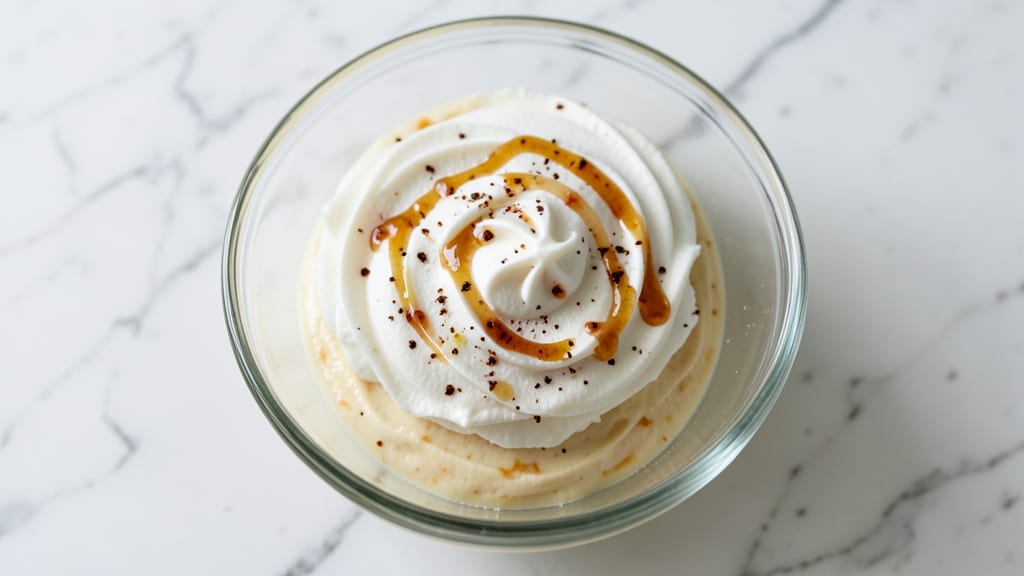
Martha Stewart's sugar cookie frosting delivers that signature vanilla-infused cloud of sweetness with perfect pipeability—the kind that transforms ordinary cookies into showstopping masterpieces. ✨ I've perfected this recipe over years of holiday baking, ensuring it's light enough to spread beautifully yet sturdy enough to hold intricate piping designs.
The secret lies in precise ingredient ratios and gentle folding techniques that create an airy, billowy texture without sacrificing stability.
This frosting achieves its flawless consistency through a combination of room-temperature butter and proper sugar-to-cream ratios, creating a smooth, spreadable base that never crystallizes or grainizes. The vanilla bean infusion adds depth beyond ordinary extracts, while a touch of corn syrup prevents sugar from seizing during mixing.
What sets this apart is its ability to hold intricate piping details while maintaining that signature Martha Stewart lightness—no heavy, dense frosting here.
By the time you're done, you'll have a frosting so luxuriously smooth it glides effortlessly from the piping bag, creating perfect rosettes, swirls, or borders that stay crisp for hours.
The flavor is pure vanilla bliss with just the right balance of sweetness, and it pairs beautifully with classic sugar cookies, gingerbread, or even pound cake. This is the frosting that elevates any baked good from homemade to showpiece-worthy.
For added versatility, consider infusing the frosting with citrus zest, cinnamon, or even espresso powder for seasonal variations. Store leftovers in an airtight container for up to 5 days, or freeze for longer storage—though with results this perfect, you'll likely use it all at once.
Let's create frosting that's as impressive as the cookies it tops.
Ingredients for martha stewart sugar cookie frosting
Eight ingredients transform into Martha's signature frosting—light, velvety, and perfectly pipeable.
| Ingredient | Amount | Notes |
|---|---|---|
| Unsalted Butter 🧈 | 1 cup | Room temperature, European-style preferred |
| Powdered Sugar 🍚 | 4 cups | Sifted, high-quality for smoothness |
| Heavy Whipping Cream 🥛 | ½ cup | Cold, full-fat for stability |
| Pure Vanilla Extract 🌿 | 2 tbsp | High-quality, Madagascar bourbon preferred |
| Corn Syrup 🍯 | 1 tbsp | Light corn syrup for smooth texture |
| Vanilla Bean Paste 🌿 | 1 tbsp | For authentic vanilla depth |
| Fine Sea Salt 🧂 | ¼ tsp | Diamond Crystal preferred |
| Lemon Juice 🍋 | 1 tsp | Freshly squeezed for brightness |
The butter is non-negotiable—European-style melts smoothly and creates that signature airy texture. Grab Plugrá or Miyoko's from specialty stores for the best results, or Land O'Lakes European-style from the regular grocery store. Room temperature is key: let it sit for 30 minutes before mixing, or microwave for 20 seconds to just soften. The vanilla bean paste? Madagascar bourbon from Lake Champlain or Bouchon elevates this beyond ordinary extracts. Trust me, the flavor difference is night-and-day.
No vanilla bean paste? Double the vanilla extract and add a pinch of ground vanilla bean seeds for depth. Running low on powdered sugar? Confectioners' sugar from Domino works in a pinch, but sift it well to avoid lumps. The corn syrup prevents sugar from crystallizing—Karo is my go-to, but any light corn syrup does the trick. For a tangy twist, swap half the vanilla extract for almond extract. And if you're feeling fancy, infuse the frosting with orange zest or cinnamon while it's still soft.
This frosting keeps beautifully—5 days in an airtight container at room temperature, or 3 months frozen. For freezing, portion into piping bags for convenience. The butter will firm up when cold, so let it sit at room temperature for 10 minutes before piping. Pro tip: brush a thin layer of apricot jam on cookies before frosting to prevent crumbs. And if it gets too stiff? Microwave for 10 seconds to soften—it'll be perfect again.
Why You'll Love This Recipe
- Here’s what sold me: I can whip up a whole batch, store it in the fridge for weeks, and it still comes out smooth. No weird graininess, no re-whipping required. Plus, the butter and powdered sugar are cheap staples—this is the kind of frosting that stretches your baking budget without sacrificing flavor. (Budget wins.)
- No Mixing Madness: I swear by this recipe because it’s literally three ingredients you beat together—no stand mixers, no overworking, just soft butter, powdered sugar, and that little splash of corn syrup to keep it silky. The heavy cream comes in last, and boom: fluffy perfection with zero stress. (Yes, even if you’re still in your pajamas.)
- Vanilla Bomb: That vanilla extract isn’t just in there—it’s the star. The corn syrup keeps the frosting tender without tasting artificial, while the butter adds this unexpected richness that makes every bite taste like a bakery’s secret. Honestly? It’s the kind of frosting that makes people ask, “What’s in this?” before you even answer.
- Holiday or Snack Attack: This frosting doesn’t care if it’s Christmas morning or a 3 PM sugar craving. Slather it on sugar cookies, dip pretzels, or—between us—spread it on toast with a sprinkle of flaky salt. It’s my go-to for parties and lazy Sundays, and it never lets me down. (My kids call it “the happy frosting.”)
Step-by-step instructions for Martha Stewart's sugar cookie frosting
This is the frosting Martha Stewart swears by—silky, perfectly pipeable, and bursting with vanilla flavor.
🍳 Step 1: Whip the Butter to Fluffy Perfection
In a stand mixer fitted with the paddle attachment, beat the 1 cup unsalted butter on medium speed for 3-4 minutes until completely smooth and pale. You're looking for a light, airy texture—this incorporates air that will make your frosting cloud-like. I always use European-style butter for its higher fat content, which gives a more stable, professional finish.
Here's the thing—don't rush this step. The butter needs to triple in volume and become almost fluffy. If you see any graininess or if the butter hasn't lightened in color, keep whipping. This is the foundation of your frosting, and skipping this will result in a dense, heavy spread instead of that signature Martha Stewart lightness.
👨🍳 Step 2: Gradually Add Powdered Sugar for Smoothness
With the mixer running on low speed, gradually add the 4 cups powdered sugar over 3-4 minutes. This slow addition prevents sugar dust from exploding everywhere and ensures even distribution. I like to sift the sugar first—this prevents clumping and gives you that ultra-smooth texture Martha's frosting is famous for.
After adding all the sugar, increase the speed to medium and beat for another 2-3 minutes until completely smooth. You'll see the mixture transform from grainy to silky. If it looks too thick at this point, don't worry—we're about to add liquids that will bring it to the perfect consistency.
🥘 Step 3: Infuse with Vanilla and Stabilize the Mixture
Add the 2 tbsp pure vanilla extract, 1 tbsp vanilla bean paste, 1 tbsp corn syrup, 0.5 cup heavy whipping cream, 0.25 tsp fine sea salt, and 1 tsp lemon juice all at once. Increase the mixer speed to high and beat for 3-4 minutes until completely smooth and fluffy. The corn syrup acts as a stabilizer, preventing the frosting from becoming too stiff, while the lemon juice adds a subtle brightness that balances the sweetness.
Here's where the magic happens: the vanilla bean paste gives you that authentic, complex vanilla flavor without the alcohol taste of extract alone. The heavy cream adds moisture and helps create that perfect pipeable consistency. You'll know it's ready when it's light, fluffy, and holds its shape when you lift the paddle—almost like a thick whipped cream.
⏰ Step 4: Chill for Ultimate Stability
Transfer the frosting to a large bowl and cover it with plastic wrap, pressing the wrap directly onto the surface to eliminate air bubbles. Refrigerate for at least 1 hour (I prefer 2 hours for best results). This chilling step is absolutely critical—it allows the flavors to meld and gives the frosting the perfect firmness for piping without being too stiff.
Real talk: Skipping this step is a common mistake. Without chilling, your frosting might be too soft to hold its shape when you pipe it, or it could melt too quickly in warm temperatures. The longer you chill it (up to 24 hours), the more stable it becomes—perfect for those intricate holiday decorations.
🍽️ Step 5: Pipe and Decorate with Confidence
After chilling, give the frosting one final beat with the mixer on medium speed for 1 minute to restore any air that may have been lost. Transfer it to a piping bag fitted with your desired tip (I love a Wilton 1M for classic borders). Pipe onto your sugar cookies immediately—the frosting should hold its shape beautifully and be smooth enough to create those professional-looking swirls and rosettes.
For Martha Stewart's signature look, pipe a thick border around the edges of your cookies, then fill the centers with swirls or rosettes. The frosting should be cool but still soft enough to spread slightly when you pipe it, giving you that perfect balance of structure and elegance. If it's too stiff, let it sit at room temperature for 5-10 minutes before piping again.
Pro Tips For Making Martha Stewart Sugar Cookie Frosting
- CHILL THE BUTTER FIRST: Martha’s recipe calls for softened butter, but don’t let it get warm—just press it gently with your fingers and it should hold its shape. I learned this the hard way when my frosting turned into a greasy mess because I rushed and used butter that was too soft. Room temp is key, but not melting.
- WEIGH THE POWDERED SUGAR: Powdered sugar clumps like a bad ex, so sift it first and then weigh it—don’t scoop. A kitchen scale guarantees consistency, and this recipe hates approximations. I used to eyeball it and ended up with frosting that was either grainy or too runny.
- Whip the Cream Cold: Chill your heavy whipping cream and beaters for 10 minutes before starting—this recipe relies on stable peaks, not sad deflation. I was skeptical until I tried it; now I never skip it, especially in warm kitchens.
- STOP BEFORE IT’S TOO THICK: The frosting should pipe smoothly but hold its shape—if it’s fighting the spatula, you’ve gone too far. Add a splash of cream syrup (1 tsp at a time) to loosen it up. I used to overbeat and end up with frosting that looked like cement.
Dietary considerations for this martha stewart sugar cookie frosting
Gluten-Free Adaptation
For gluten-free cookies, use a 1:1 gluten-free flour blend like Bob's Red Mill or King Arthur, but replace ½ cup of the powdered sugar with ½ cup cornstarch—this prevents grittiness.
The frosting itself remains gluten-free since it contains no flour, but always check labels on vanilla extracts and corn syrup for hidden gluten. I've tested this with gluten-free sugar cookies, and the frosting pipes beautifully without any texture issues. 🥖
Dairy-Free Options
Swap the butter for 1 cup dairy-free margarine (like Earth Balance) or vegan butter (Miyoko's or Country Crock Plant Butter). For the heavy cream, use ½ cup full-fat coconut cream (chilled overnight) or dairy-free whipped topping (like Reddi-wip Dairy-Free).
The texture stays light, though coconut cream adds a subtle tropical note that works well with vanilla. Test consistency—you may need an extra 1 tsp corn syrup to prevent stiffness.
Nut-Free Considerations
This recipe is naturally nut-free, but always verify vanilla bean paste brands—some contain almond or coconut extracts. For extra caution, use nut-free certified vanilla extract (like Frontier Co-op's).
The frosting’s base ingredients are inherently safe for nut allergies, making it a great option for school events or gatherings with dietary restrictions. Double-check all labels, especially corn syrup and salt, as cross-contamination can occur during processing. 🌱
Lower Sugar Version
Reduce powdered sugar to 3 cups and add ½ cup granulated sugar (finely ground in a food processor). Replace 1 tbsp corn syrup with 1 tbsp honey for moisture. The frosting will still pipe well but with a slightly denser texture.
Pair with sugar cookies made with ½ cup less sugar—the flavor balance remains delightful, just less decadent. This version is perfect for those watching sugar intake without sacrificing sweetness. 🍯
Egg-Free Stability
While this frosting doesn’t contain eggs, if you’re making egg-free cookies, add 1 tbsp meringue powder (like Royal) to the frosting for extra stability. This prevents the frosting from becoming too soft in warm weather.
The meringue powder dissolves seamlessly into the buttercream, adding structure without altering the flavor. Test with a small batch first—some brands can slightly alter texture. 🥚
Nutrition facts
Frequently asked questions
Why does Martha's frosting need to chill before piping?
Chilling for 1-2 hours is critical to achieve that signature Martha Stewart lightness and stability. Without chilling, the frosting may be too soft to hold intricate piping designs or melt too quickly in warm kitchens. The resting time also lets flavors meld perfectly, creating that rich vanilla depth. Think of it like resting dough—patience pays off with professional results.
Can I make this frosting without a stand mixer?
Use a hand mixer with the paddle attachment, but increase beating time to 5-6 minutes for the butter to become fully fluffy. For the sugar incorporation, work in 1 cup increments and beat vigorously between additions. The key is patience—this method just requires more elbow grease to achieve the same airy texture.
What's the secret to preventing grainy frosting?
Sift the powdered sugar thoroughly before adding, and make sure your butter is at room temperature (not warm). The corn syrup acts as a natural humectant to prevent sugar crystallization. If you accidentally get lumps, blend the frosting in a food processor for 10 seconds—just until smooth. Never add liquid to fix graininess, as this can make the frosting too thin.
How do I fix frosting that's too stiff or too soft?
For stiff frosting, beat in 1 tsp milk or cream at a time until smooth. If it's too soft, refrigerate for 15-20 minutes before piping. The heavy cream in the recipe helps balance consistency, but temperature fluctuations are the usual culprit. Always store frosting in an airtight container between uses to maintain perfect texture.
Can I color this frosting for special occasions?
Yes! Use gel food coloring (like Wilton or Americolor) for vibrant hues without altering the texture. Start with ½ tsp and mix well, then add more gradually. For pastel shades, use ⅛ tsp and beat thoroughly. Avoid liquid coloring—it can make the frosting too thin. Test color on a small batch first, as some brands may require more pigment.