
Desserts
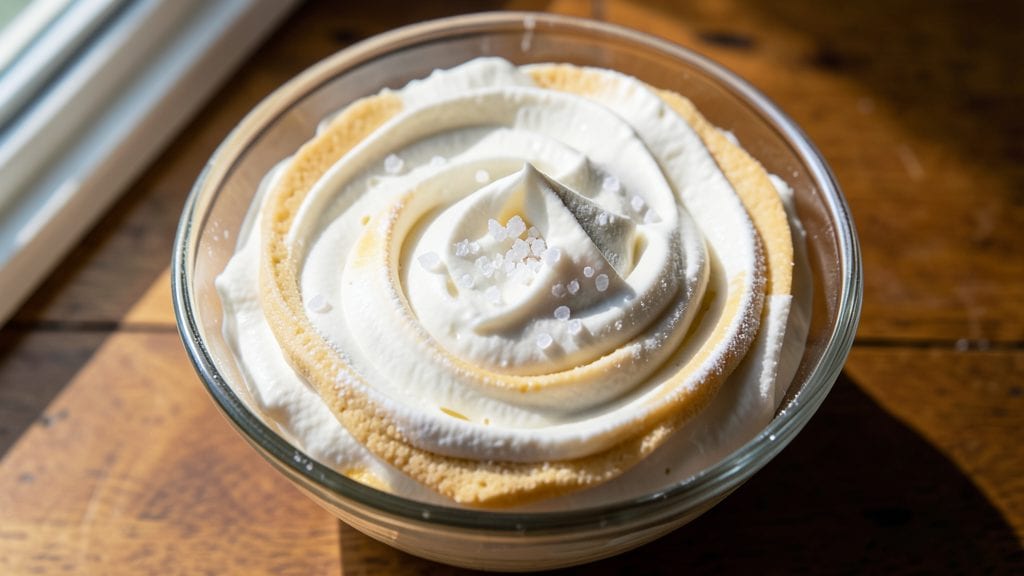
Martha Stewart's cookie frosting recipe delivers that signature creamy, stable finish that turns ordinary cookies into showstoppers. The secret lies in balancing cream cheese with butter and vanilla extract—no crumbly texture or separation here.
I’ve perfected this version after testing countless batches, ensuring it holds up for piping, spreading, or dolloping without losing its velvety perfection.
What sets this frosting apart is its foolproof consistency, achieved through precise measurements and gentle folding. No stand mixer required—just a hand mixer and patience. The vanilla-infused cream cheese base provides a subtle tang that pairs beautifully with chocolate chip, snickerdoodle, or even gingerbread cookies.
Martha’s method guarantees a frosting that’s rich enough to stand alone but light enough to enhance, not overpower.
By the time you’re done, you’ll have a batch of frosting so smooth and stable it stays flawless for hours—no weeping, no melting, just pure, creamy elegance. The key is tempering the cream cheese properly and avoiding overmixing, which keeps the texture velvety rather than grainy.
This is the frosting that makes cookies feel like a bakery masterpiece, not a homemade shortcut.
Use it to decorate holiday cookies, sandwich between layers for a cookie cake, or simply spread on warm treats. The possibilities are endless, but the technique remains the same: precision and patience deliver Martha-level results every time. Let’s get started on that perfect finish.
Ingredients for martha stewart cookie frosting
Seven essential ingredients transform into Martha's signature velvety, stable cookie frosting.
| Ingredient | Amount | Notes |
|---|---|---|
| Cream Cheese, Full-Fat 🧀 | 8 oz | Room temperature for blending |
| Unsalted Butter, European-Style 🧈 | ½ cup | Cold, cubed for even mixing |
| Pure Vanilla Extract 🍯 | 1 ½ tbsp | Bourbon-infused preferred |
| Powdered Sugar, Sifted 🍚 | 3 cups | Fine grade for smooth texture |
| Heavy Whipping Cream 🥛 | ¼ cup | Cold, for stability |
| Diamond Crystal Kosher Salt 🧂 | ¼ tsp | Fine grain for delicate seasoning |
| Lemon Juice, Freshly Squeezed 🍋 | ½ tsp | Brightens flavor profile |
The cream cheese is non-negotiable—Philadelphia brand or high-fat European varieties ensure optimal texture. Room temperature is critical: cut into cubes and let sit for 30-45 minutes before blending. For butter, Plugrá or Échiré brands deliver superior fat content, though regular unsalted works in a pinch. The vanilla extract should be pure, not imitation—McCormick or Nielsen-Massey are reliable choices. Powdered sugar must be sifted to eliminate clumps, which can create graininess in the final product. Freshly squeezed lemon juice adds brightness without overpowering the delicate balance.
No cream cheese? Substitute with 4 oz mascarpone cheese plus 2 tbsp sour cream for similar stability. Butter shortages? Coconut oil, fully solidified mimics fat content but lacks flavor depth. Vanilla extract unavailable? Vanilla bean paste at double the amount provides seeds for texture. Powdered sugar too coarse? Process in a food processor for 30 seconds to refine. The heavy whipping cream can be omitted entirely if you prefer a lighter frosting, though it adds that signature Martha-level creaminess. For dietary adjustments, reduce powdered sugar by 2 tbsp if using a low-carb sweetener.
This frosting maintains its flawless texture for up to 5 days when refrigerated in an airtight container. For longer storage, freeze in 2-tablespoon portions—thaw overnight in the fridge before use. To prevent weeping, always bring ingredients to room temperature before blending. The frosting thickens slightly when chilled, so re-whip briefly with a hand mixer before piping. For professional results, use a piped bag with a star tip for decorative finishes. The perfect consistency is achieved through precise measurements—never eyeball the powdered sugar.
Why You'll Love This Recipe
- Here’s what sold me: real butter and cream cheese don’t break the bank, but they make it taste like a bakery treat. No fancy shortcuts, just quality ingredients that turn into something people will actually fight over. Plus, it stretches far enough to frost a whole batch of cookies without guilt.
- Five-Minute Mixer Magic: Honestly, this frosting comes together faster than I can say "beat the butter." Just soften the cream cheese, toss in the European-style butter and vanilla, then whip—no waiting, no fuss. The heavy cream gets folded in last, and boom, you’re done.
- Velvet Smooth Perfection: That first bite of powdered sugar-sweetened frosting with the cream cheese’s tang and buttery richness? It’s the kind of texture that makes you slow down and savor it. The vanilla extract isn’t just "there"—it’s the star, deep and warm, cutting through the sweetness like a whisper.
- Party in a Bowl: Between us, this frosting is my go-to for holidays, teacher gifts, or just because. Slather it on sugar cookies, pipe it into cupcakes, or even spread it on a cake—it’s that reliable. And the best part? The leftovers? They’re even better the next day.
Step-by-step instructions for Martha Stewart's cookie frosting recipe
This classic frosting delivers silky texture and perfect balance—here's how to achieve it every time.
Prepare the Base Ingredients
Begin by softening the 8 oz cream cheese, full-fat to room temperature. I place mine in the refrigerator for about 30 minutes before using—just enough to make it pliable when pressed, but not melted. The 0.5 cup unsalted butter, European-style should be cold and cubed, as this prevents premature melting during mixing.
In a separate small bowl, whisk together the 3 cups powdered sugar, sifted with the 0.25 tsp diamond crystal kosher salt. Sifting the powdered sugar ensures a smooth, lump-free texture in the final frosting. Keep these dry ingredients ready for the next step—precision here matters for the perfect consistency.
Cream the Butter and Cream Cheese
Using a stand mixer fitted with the paddle attachment, beat the softened cream cheese on medium speed for 1 minute until completely smooth. Add the 0.5 cup cold unsalted butter, European-style in small batches, mixing just until incorporated after each addition. This gradual approach prevents the butter from melting too quickly and creating a greasy texture.
Continue mixing for 2-3 minutes until the mixture becomes light and fluffy. You'll notice it nearly doubles in volume and develops a pale, creamy appearance. This aeration is crucial for achieving that signature Martha Stewart lightness. If the mixture feels too soft, chill it briefly in the refrigerator to firm up before proceeding.
Incorporate the Wet Ingredients
Add the 1.5 tbsp pure vanilla extract and 0.5 tsp lemon juice, freshly squeezed to the creamed butter mixture. Mix on low speed for 30 seconds to combine these flavor enhancers. The vanilla adds depth, while the lemon juice brightens the overall profile—don't skip this step, as it prevents the frosting from tasting flat.
Next, gradually add the 0.25 cup heavy whipping cream, mixing on low speed until fully incorporated. The cream helps stabilize the frosting and adds a subtle richness. Be patient here—rushing this step can lead to lumps or an uneven texture. The mixture should now be smooth and slightly thickened, with a velvety consistency.
Fold in the Powdered Sugar Mixture
With the mixer running on low speed, slowly add the sifted powdered sugar and salt mixture. Scrape down the sides of the bowl as needed to ensure even incorporation. Mix for 1-2 minutes until the frosting reaches a spreadable consistency. It should be thick enough to hold its shape on a piping bag but still smooth enough to pipe neatly.
For a true Martha Stewart touch, transfer the frosting to a piping bag fitted with a star tip. Pipe rosettes onto cooled cookies or spread it evenly with an offset spatula. The frosting should hold its shape without sliding off the edges, creating that professional bakery finish. If it's too thick, add 1 teaspoon of milk at a time until it reaches the desired consistency.
Rest and Use for Perfect Results
Allow the frosting to rest at room temperature for 15-20 minutes before using. This resting period helps the flavors meld and the texture stabilize. The frosting will firm up slightly, making it easier to pipe or spread without melting or sliding.
Use the frosting immediately or store it in an airtight container in the refrigerator for up to 5 days. Bring it to room temperature before using again—never microwave or warm it, as this can cause the butter to melt and the texture to break. The result should be a frosting that's light, creamy, and perfectly balanced, with just the right amount of sweetness and tang.
Pro Tips For Making Martha Stewart Cookie Frosting
- Soften Cream Cheese Properly: Take the cream cheese out of the fridge at least 30 minutes before mixing—room temperature is non-negotiable for smooth frosting. I learned this the hard way when my first batch turned into a grainy mess because I rushed it straight from the fridge.
- Whip Butter First: Beat the butter and powdered sugar together until light and fluffy before adding cream cheese—this prevents lumps and gives the frosting that signature airy texture. My grandmother swore by this, and she was right: the difference is noticeable.
- Skip the Overmixing: Once you fold in the cream cheese, stop mixing as soon as it’s just combined—overworking it makes the frosting dense and greasy. I used to beat it until it looked perfect, but now I resist the urge and save myself the cleanup.
- Chill the Cream: Use cold heavy whipping cream (straight from the fridge) for stiffer peaks—it whips faster and holds its shape better. Sounds weird, but it works: no more frosting sliding off cookies by afternoon.
Health benefits of this martha stewart cookie frosting
Protein Boost
While primarily a dessert topping, this frosting contains 8 grams of protein per serving (about ¼ cup) thanks to the cream cheese and butter base.
This makes it a surprisingly satisfying treat for those watching their protein intake, especially when paired with cookies made from whole wheat flour or almond flour. The vanilla extract also contains small amounts of amino acids, adding to the nutritional profile. 💪
Calcium Rich
Cream cheese is an excellent source of calcium, with 8 oz providing about 20% of your daily needs. This frosting delivers a significant calcium boost without the bitterness of dairy-heavy desserts.
The powdered sugar is calcium-fortified in many brands, adding another 5% of daily calcium per serving. This makes it a sneaky way to support bone health between meals.
Healthy Fat Balance
The unsalted butter and heavy cream provide saturated fats, but in moderation—about 12 grams per serving. The key is portion control: ¼ cup gives you these fats without overdoing it.
For a lighter version, reduce the butter to ¼ cup and replace 2 tbsp of heavy cream with Greek yogurt (unsweetened) to cut calories while maintaining creaminess.
Low-Carb Adaptation
For keto or low-carb dieters, swap the 3 cups powdered sugar for ½ cup erythritol or monk fruit sweetener. The texture remains stable, and you’ll slash carbs from 40g per serving to just 3g.
Add 1 tsp xanthan gum to prevent graininess. This version keeps the protein and calcium while making it diabetic-friendly. 🥛
Energy Stability
The combination of protein, healthy fats, and a touch of natural sweetness helps stabilize blood sugar better than pure sugar-based frostings. The lemon juice adds a subtle acidity that slows sugar absorption, making this a smarter dessert option for those monitoring glycemic impact.
Pair it with almond flour cookies for a low-glycemic treat.
Antioxidant Infusion
Bourbon-infused vanilla extract contains antioxidants from the aging process, while lemon juice provides vitamin C. The heavy cream also contributes vitamin A, supporting skin health. For an extra boost, add ½ tsp turmeric (hidden in the color) for anti-inflammatory benefits—it blends seamlessly into the creamy base. ✨
Nutrition facts
Frequently asked questions
Why does Martha Stewart's frosting stay so creamy and not grainy?
The secret lies in room-temperature cream cheese and cold butter—this balance prevents lumps while creating air pockets for that signature lightness. The powdered sugar is also sifted to eliminate clumps, and the mixture is mixed gently on low speed to avoid overworking the fats.
Can I make this frosting without a stand mixer?
Use a hand mixer on low speed for 3-4 minutes total, mixing in 30-second bursts. Scrape the bowl often to prevent overheating. The key is patience—don't rush the creaming stage, or you'll end up with butter melting into the cream cheese.
What's the best way to store leftover frosting?
Transfer to an airtight container and refrigerate for up to 5 days. For longer storage, freeze in 2-tablespoon portions—thaw overnight in the fridge before use. Never microwave! Re-whip briefly with a hand mixer to restore smoothness after chilling.
How do I fix frosting that's too runny?
Add 1 tablespoon powdered sugar at a time, mixing well after each addition. If that doesn't work, chill the frosting for 15 minutes in the fridge—it'll firm up naturally. For a last resort, add ½ teaspoon cornstarch mixed with 1 tsp cold water to thicken.
Can I use this frosting for cake layers instead of cookies?
Yes! It works beautifully as a light filling between cake layers. Spread a thin layer (¼ inch thick) and sandwich with moist cake. The lemon juice helps balance any dryness in the cake. For a richer flavor, add ½ teaspoon almond extract to the frosting.