
Desserts
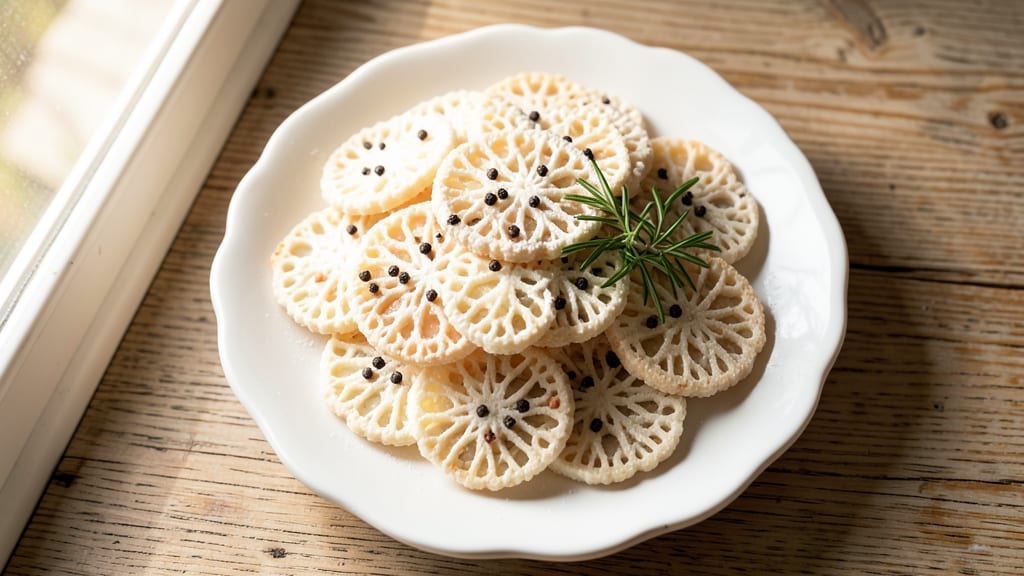
Grandma's lace cookies recipe brings back memories of Sunday afternoons spent baking in a sunlit kitchen, where the delicate filigree patterns became a family tradition. These cookies aren't just dessert—they're a piece of history, passed down through generations with each lace pattern telling its own story.
The secret lies in the precise piping technique and a touch of patience that transforms simple dough into edible lace.
What makes these cookies truly special is their delicate balance of crisp edges and tender centers, all while maintaining that signature lace pattern that sets them apart. With just a few simple ingredients—flour, sugar, butter, and an egg—you'll create something that looks like fine china but melts in your mouth.
The key is in the chilling time and careful piping, which ensures those intricate designs hold their shape while baking.
By the time these cookies emerge from the oven, you'll have golden-brown lace patterns with crisp edges and soft centers that practically dissolve at the first bite. The aroma alone will transport you back to childhood, where every batch felt like a celebration.
These aren't just cookies—they're a labor of love that becomes part of your own family's story.
Perfect for holidays, gift-giving, or simply treating yourself to a taste of nostalgia, these lace cookies are worth every minute of effort. Whether you're recreating your grandma's recipe or making it your own, the result will be a batch that looks as beautiful as it tastes.
Let's get started on creating these edible works of art.
Ingredients for grandma's lace cookies
Eight simple ingredients transform into delicate lace cookies that taste like nostalgia.
| Ingredient | Amount | Notes |
|---|---|---|
| All-Purpose Flour 🌾 | 3 cups | Sifted for light texture |
| Unsalted Butter 🧈 | 1 cup | Cold, cubed for piping |
| Granulated Sugar 🍚 | 1 cup | Superfine preferred for smoothness |
| Large Eggs 🥚 | 1 whole | Room temperature for blending |
| Vanilla Extract 🌸 | 1 tsp | Pure vanilla preferred |
| Salt 🧂 | ½ tsp | Fine sea salt preferred |
| Powdered Sugar 🍚 | 1 cup | For dusting finished cookies |
| Cornstarch 🌾 | 1 tbsp | For smooth piping consistency |
The butter needs to be cold and cubed—this keeps the dough firm for those intricate lace patterns. Plugrá or Land O'Lakes work well, but any unsalted butter will do. For the flour, King Arthur or Gold Medal brands give the best texture—avoid self-rising or gluten-free blends. The powdered sugar should be superfine if you can find it, but regular powdered sugar works too. My grandma always used Diamond Crystal baking powder (if you add it), but this recipe relies on the cornstarch for stability instead. For the vanilla, pure Madagascar bourbon is ideal, but imitation works in a pinch.
No superfine sugar? Pulse regular granulated sugar in a food processor for 20 seconds—it'll work just fine. Short on powdered sugar? Confectioners' sugar from a squeeze bottle at the grocery store is perfect for dusting. The cornstarch is non-negotiable here—it's what gives these cookies that signature crisp edge. If you're making a big batch, chill the dough for 2 hours instead of overnight, but don't skip this step. The dough should be firm but pliable, like Play-Doh. Too soft? Chill longer. Too stiff? Let it sit at room temp for 10 minutes. And for heaven's sake, use a piping bag—those little plastic bags with the tip work too.
These cookies keep for 3-4 days in an airtight container, but honestly they're best the first day. The lace patterns stay crisp for about 2 days before getting soft. Freeze the dough in 1-inch balls for up to 3 months—bake straight from frozen, adding 2 minutes to the time. For gifting, package them in clear boxes with a dusting of powdered sugar. The aroma alone will have everyone thinking of Sunday afternoons. And if anyone asks, yes, they're worth every minute of the chilling time.
Why You'll Love This Recipe
- No-Fuss Dough: I swear by this recipe—just cream butter and sugar, toss in eggs and vanilla, then fold in flour. No rolling, no fuss, and zero stress. The dough comes together faster than I can finish my morning coffee.
- Buttery Vanilla Magic: That perfect balance of rich butter and pure vanilla extract? It’s like a hug in cookie form. The lace pattern might look delicate, but every bite has that melt-in-your-mouth tenderness with just a hint of crispness.
- Holiday or Snack Attack: Between us, these are my go-to for Christmas gifts, teacher appreciation gifts, or just because. They freeze beautifully, so I can bake a batch in October and pull them out all winter long. (Yes, even on a Tuesday night.)
- Budget-Friendly Crowd-Pleaser: Flour, butter, sugar, eggs—these are pantry staples that won’t break the bank. A single batch makes 30 cookies, so I can feed a crowd without stressing over grocery bills. Plus, leftovers? They disappear just as fast as the first batch.
Step-by-step instructions for delicate lace cookies
Here's how to create Grandma's signature lace cookies with crisp edges and tender centers.
Prepare the Dough for Piping
In a large mixing bowl, combine the 1 cup unsalted butter and 1 cup granulated sugar. Beat with an electric mixer on medium speed for 3-4 minutes until the mixture is light and fluffy, with a pale yellow color. This step is crucial—it incorporates air that will create those delicate lace patterns when piped.
Add the 1 whole large egg and 1 teaspoon vanilla extract, mixing on low speed until fully incorporated. In a separate bowl, whisk together the 3 cups all-purpose flour, 0.5 teaspoon salt, and 1 tablespoon cornstarch. Gradually add the dry ingredients to the butter mixture, mixing on low speed just until combined. Avoid overmixing—you want a smooth, slightly sticky dough that holds its shape when piped.
Chill the Dough for Perfect Piping
Divide the dough into two equal portions and flatten each into a ½-inch thick disk. Wrap tightly in plastic wrap and refrigerate for at least 1 hour, or up to 24 hours. Chilling is essential—it firms up the dough so it holds the intricate lace patterns beautifully when piped. If you're in a hurry, you can freeze the dough disks for 30 minutes instead of chilling.
While the dough chills, preheat your oven to 350°F. Line two baking sheets with parchment paper or silicone baking mats. The dough should be cold but pliable when you're ready to pipe—press your finger into it and it should leave a slight indentation without sticking.
Pipe the Lace Designs
Place one chilled dough disk on a lightly floured surface. Use a piping bag fitted with a lace tip (like a Wilton 1M or similar) to pipe the intricate lace patterns onto the prepared baking sheets. Space the designs about 2 inches apart—they'll spread slightly during baking. Work quickly but carefully, as cold dough can be a bit stubborn to pipe.
For the classic lace pattern, pipe a small circle in the center, then work outward in concentric circles, adding the delicate filigree details. If you don't have a lace tip, a small round tip will work—just pipe a small circle and then add decorative touches with a toothpick or small knife. Each design should be about 2 inches wide at the base.
Bake to Golden Perfection
Bake the lace cookies in the preheated 350°F oven for 12-15 minutes, or until the edges are light golden brown and the centers still look slightly underbaked. They'll continue to set as they cool, so don't overbake. Rotate the baking sheets halfway through for even baking—this is especially important if your oven has hot spots.
Remove the cookies from the oven and let them cool on the baking sheets for 2 minutes before transferring to a wire rack to cool completely. The delicate lace patterns will become more defined as they cool, creating those beautiful filigree details that make these cookies so special.
Dust with Powdered Sugar
Once the cookies are completely cool, dust the tops generously with the 1 cup powdered sugar using a fine-mesh sieve. This step adds that classic touch and gives the cookies their signature sweet, snowy appearance. Shake the sieve gently over each cookie until they're fully coated, tapping off any excess sugar.
Store the lace cookies in an airtight container at room temperature for up to 5 days, or freeze for up to 3 months. These delicate treats are perfect for holidays, gifts, or simply enjoying with a cup of tea. The combination of crisp edges, tender centers, and that beautiful lace design makes them a showstopper every time.
Pro Tips For Making Grandma'S Lace Cookies
- CHILL THE DOUGH: After mixing, pop the dough in the fridge for at least 30 minutes—yes, even if you’re eager to bake. I learned this the hard way when my first batch spread into sad, flat pancakes instead of delicate lace patterns. Cold dough holds its shape and prevents over-browning.
- WEIGH THE BUTTER: Use a kitchen scale for the butter—packed cups lie. Grandma’s recipe relies on that butter being just firm enough to cream properly. I used to eyeball it and ended up with either greasy dough or under-mixed sugar crystals. Two tablespoons by volume ≠ 56 grams by weight.
- PIPE SMALLER DOTS: Resist the urge to pipe big blobs—aim for pea-sized dots spaced 1 inch apart. The lace effect comes from the edges touching during baking, not from giant clumps. I once piped like I was frosting a cake, and got lumpy, uneven cookies instead of those intricate patterns.
- ROTATE THE PAN: Swap the sheet pan halfway through baking—front to back, not just side to side. The oven’s heat zones are sneaky, and lace cookies burn on the edges before the centers set. My grandmother swore by this, and she was right: even baking = perfect lace.
Storing and reheating this recipe
Room-Temp Storage
Keep your lace cookies fresh at room temperature for up to 3-4 days in an airtight container lined with parchment paper. The delicate lace patterns stay crisp for about 2 days before softening slightly.
Store them in a cool, dark place away from direct sunlight to preserve their texture and flavor. I always use amber glass jars or clear plastic containers with tight seals—they keep the cookies looking as beautiful as they taste. 🌟
Fridge Preservation
If you need to extend their shelf life, refrigerate the cookies in an airtight container for up to 7 days. The cold temperature slows moisture loss, helping them maintain their crisp edges. Let them sit at room temperature for 10-15 minutes before serving to restore their texture.
I find that refrigerated cookies make excellent gifts—just package them in clear boxes with a dusting of powdered sugar for a festive touch. ❄️
Freezer Storage
For long-term storage, freeze the dough balls (about 1-inch diameter) on a parchment-lined tray for 1 hour before transferring to a freezer-safe bag or airtight container. They’ll keep for up to 3 months. To bake, simply add 2 minutes to the baking time—no thawing required!
For baked cookies, place them in a single layer on a tray, freeze for 1 hour, then transfer to a bag. Reheat in a 300°F oven for 3-5 minutes to restore crispness. 🧊
Reheating Tips
Revive stale lace cookies by placing them on a baking sheet and warming in a 300°F oven for 3-5 minutes. This gentle heat reactivates the moisture without overcooking. For a quick fix, microwave individual cookies on medium power for 10-15 seconds—just watch closely to avoid sogginess.
I avoid the microwave for batches because it can make the lace patterns uneven. Always dust with powdered sugar after reheating for that fresh-baked look. 🔥
Gift-Worthy Packaging
Package cookies in clear cellophane bags tied with a ribbon for a professional touch. Add a sprinkle of powdered sugar before sealing to keep them looking snowy and fresh. For extra elegance, place them in tiered stands or wooden boxes—the lace designs will shine through.
Label with the date and storage instructions to ensure they’re enjoyed at their best. My grandma always included a handwritten note, and that personal touch made them feel even more special. ✨
Nutrition facts
Frequently asked questions about grandma's lace cookies
What makes these cookies look like lace?
The intricate patterns come from piping cold dough through a lace tip (like Wilton 1M) in concentric circles. Chilling the dough first is key—it holds the delicate designs during baking. The cornstarch in the recipe also helps create crisp edges that define the lace effect.
Can I make these without a lace piping tip?
Use a small round tip to pipe circles, then decorate with a toothpick or knife to create filigree details. My grandma often used a plain tip and added designs by hand. The dough's cold temperature makes it easier to work with than warm cookie dough.
Why does the dough need to chill so long?
Chilling for at least 1 hour (or overnight) firms up the butter, preventing the lace patterns from spreading too much during baking. Cold dough also pipes more cleanly and holds intricate designs better. Pro tip: If you're short on time, freeze the dough disks for 30 minutes instead.
How do I prevent the cookies from spreading too much?
Keep the dough colder than you think it needs to be—it should be firm but not rock-hard. Use a lace tip with small openings, and pipe designs 2 inches apart. Bake on the middle rack at 350°F for 12-15 minutes—they'll firm up as they cool. Overbaking causes spreading, so pull them when edges are just golden.
Can I add flavor variations to the dough?
Yes! Swap vanilla for almond extract or citrus zest (lemon or orange). For chocolate lace cookies, add ½ cup cocoa powder to the dry ingredients. My grandma sometimes added a pinch of cinnamon—just keep the dough chilled to maintain the lace effect.