Desserts
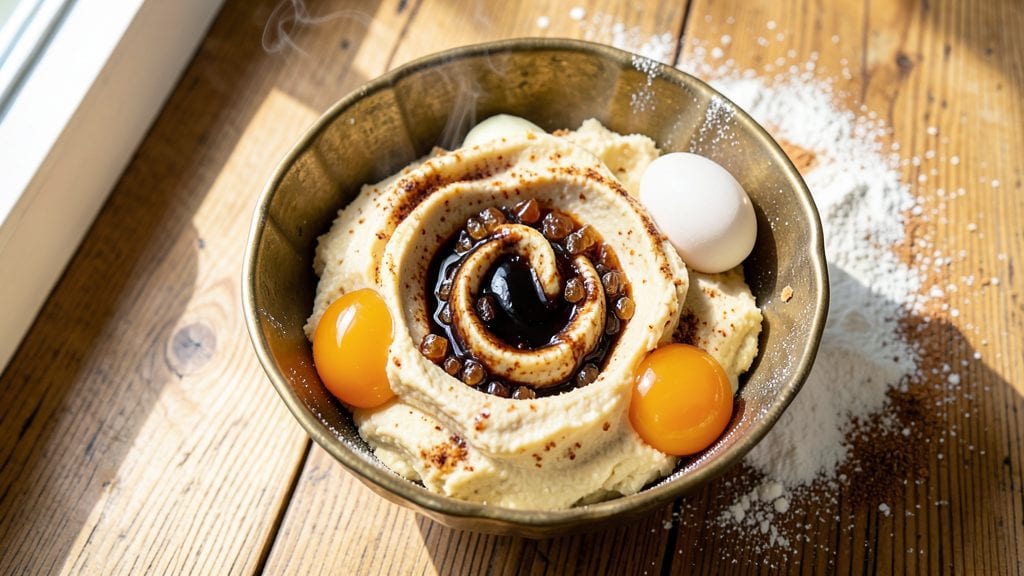
Grandma's gingerbread cookies recipe is the one I return to every holiday season, where warm spices and buttery crunch create memories as much as flavor. The secret lies in molasses and freshly ground spices—ginger, cinnamon, and cloves—that transform simple dough into cookies with crisp edges and tender centers.
I first learned this recipe from my grandmother, who swore by the 350°F oven and exactly 10 minutes of baking time for that perfect texture.
What makes these cookies special is the balance of sweetness and spice, achieved through molasses and a touch of brown sugar. The dough is firm enough to hold intricate shapes but tender enough to melt in your mouth.
My grandmother always insisted on rolling the dough thin for those signature gingerbread details, and I’ve never found a better way to achieve that professional finish. The aroma alone—warm ginger and cinnamon—fills the kitchen and makes the whole house feel like Christmas.
By the time they cool, you’ll have cookies with a satisfying crunch and a spiced center that’s dangerously addictive. These aren’t just cookies; they’re a taste of nostalgia, perfect with a cup of coffee or milk.
The recipe yields about 24 cookies, so you’ll have plenty to share—or save for when you crave that holiday comfort. Let’s get baking!
Store them in an airtight container for up to two weeks, though they rarely last that long. The spices deepen over time, making them even more flavorful with each passing day.
Whether you’re decorating them with icing or keeping them simple, these cookies deliver the cozy, spiced magic of grandma’s kitchen.
Ingredients for grandma's gingerbread cookies
Grandma’s pantry staples and warm spices transform simple dough into cookies that taste like Christmas.
| Ingredient | Amount | Notes |
|---|---|---|
| Unsalted Butter 🧈 | 1 cup | Softened but not melted |
| Dark Brown Sugar 🍬 | 1 ½ cups | Packed tightly, not light brown |
| Molasses 🍯 | ½ cup | Unsulphured, good quality |
| Large Eggs 🥚 | 2 whole | Room temperature preferred |
| All-Purpose Flour 🌾 | 4 ½ cups | Sifted for light texture |
| Ground Ginger 🌿 | 2 tbsp | Freshly ground preferred |
| Ground Cinnamon 🍃 | 2 tsp | Warm Ceylon preferred |
| Ground Cloves 🌶️ | 1 tsp | Freshly ground for intensity |
| Baking Soda 🧪 | 1 tsp | Pure baking soda |
| Salt 🧂 | ½ tsp | Fine sea salt preferred |
| Vanilla Extract 🍯 | 1 tsp | Pure vanilla extract |
| Granulated Sugar 🍬 | ¼ cup | For rolling dough |
| Powdered Sugar 🍬 | 1 cup | For dusting cookies |
The molasses is non-negotiable here—unsulphured makes all the difference. Trader Joe’s or Whole Foods carry the best quality, but any reputable store’s molasses will do. For the spices, freshly ground is ideal—Penzeys or local spice shops have the best. I always double-check the brown sugar is dark and packed; light brown sugar won’t give that deep, caramelized flavor. The butter should be softened but not greasy—just press it with your finger to test. And if you’re feeling fancy, European-style butter adds extra richness.
No molasses? Maple syrup at half the amount works in a pinch, though it’ll lack that molasses depth. Running out of ground spices? Fresh ginger and cinnamon sticks can be grated and toasted, respectively—just know the flavor will be slightly different. The vanilla extract should be pure; imitation won’t cut it here. If you’re short on powdered sugar for dusting, granulated sugar blended into a fine powder works, though it won’t be as smooth. And if you’re making these ahead, freeze the dough balls for up to 3 months—they’ll still taste fresh when baked.
These cookies keep for 2 weeks in an airtight container, though they rarely last that long. The spices actually deepen in flavor over time, so they taste even better the next day. For extra crunch, store them in a single layer on a wire rack. If you’re gifting them, wrap individually in parchment paper with a sprig of fresh rosemary for that holiday touch. And trust me, the aroma alone will have your whole house smelling like Christmas before the first bite.
Why You'll Love This Recipe
- No-Fuss Dough: I swear by this recipe because it’s literally three bowls and a mixer—no rolling, no fuss. The butter and brown sugar cream together like a dream, and the molasses cuts through the richness just enough to keep it from being heavy.
- Spice & Molasses Magic: That deep, warm molasses flavor? It’s the star. The cookies stay soft in the middle with a crackly top, and the gingerbread spice lingers like a cozy hug—no artificial aftertaste, just pure, honest warmth.
- Holiday or Snack Attack: I make these year-round, but they’re especially good when I need something festive fast. Toss them in a jar for Christmas gifts, or grab one straight from the oven with a glass of milk when the kids are screaming for a treat.
- Budget-Friendly Pantry Staples: Between us, this recipe uses ingredients you already have. Butter, sugar, flour—check. Eggs? Always in the fridge. Molasses? One bottle lasts forever, and the flavor makes it worth it. Plus, they freeze like champs, so I bake a batch and save half for later.
Step-by-step instructions for grandma's gingerbread cookies
Here's how to make these rich, spiced cookies with crisp edges and soft centers that taste like holiday magic.
Cream the Butter and Sugars Together
In a large mixing bowl, combine the 1 cup unsalted butter (softened but not melted) with the 1.5 cups dark brown sugar. Using a hand mixer or stand mixer with the paddle attachment, beat on medium speed for 3-5 minutes until light and fluffy. You'll notice the mixture nearly doubles in volume and becomes pale in color—this is what creates that perfect gingerbread texture.
Here's the thing—don't rush this step. The butter needs to incorporate enough air to give your cookies that classic gingerbread rise and crisp edges. I like to scrape down the sides of the bowl every minute or so to make sure everything gets evenly incorporated. If you're using cold butter, let it sit at room temperature for about 30 minutes first so it softens properly.
Mix in Molasses, Eggs, and Spices
Add the 0.5 cup molasses and 1 tsp vanilla extract to the butter-sugar mixture, mixing on low speed until just combined. The molasses will make the dough darker and add that deep, rich flavor that's so characteristic of good gingerbread. Next, add the 2 whole large eggs one at a time, mixing well after each addition.
Now for the spices: In a separate small bowl, whisk together the 4.5 cups all-purpose flour, 2 tbsp ground ginger, 2 tsp ground cinnamon, 1 tsp ground cloves, 1 tsp baking soda, and 0.5 tsp salt. Sift the dry ingredients directly into the wet mixture and mix on low speed until just combined. You're looking for a soft dough that comes together when pressed—don't overmix or your cookies will be tough.
Chill the Dough for Perfect Texture
Once the dough comes together, turn it out onto a lightly floured surface and gently knead it just a few times to bring it all together. Divide the dough into two equal parts and flatten each into a disk about 1-inch thick. Wrap each disk tightly in plastic wrap and refrigerate for at least 2 hours—overnight is even better if you can manage it.
This chilling step is crucial. It prevents the cookies from spreading too much in the oven and helps develop those beautiful crisp edges. When you're ready to bake, take the dough out and let it sit at room temperature for 15-20 minutes before rolling. The dough should be firm but still pliable—if it's too crumbly, it's been in the fridge too long and needs a few more minutes to soften.
Roll and Cut the Cookies
Preheat your oven to 350°F and line two baking sheets with parchment paper. On a lightly floured surface, roll out one disk of dough to about ¼-inch thickness. Use a 2-inch round cookie cutter to cut out shapes—traditional gingerbread men work great, but any shape will do.
Place the cut-outs about 1 inch apart on the prepared baking sheets. Sprinkle the tops with the 0.25 cup granulated sugar for that classic crunchy coating. Here's a pro tip: If your dough gets too sticky while rolling, chill it in the fridge for 10-15 minutes before continuing. You want the dough to be cool but not rock-hard when you roll it.
Bake to Golden Perfection
Bake the cookies for 8-10 minutes until the edges are deep golden brown and the centers still look slightly soft. They'll continue to set as they cool, so don't overbake. Rotate the baking sheets halfway through for even baking. Let the cookies cool on the baking sheets for 5 minutes before transferring them to a wire rack to cool completely.
Once cooled, dust the tops with 1 cup powdered sugar for that classic gingerbread finish. These cookies are best enjoyed fresh from the oven, but they'll keep in an airtight container for up to 5 days at room temperature. The spices will mellow slightly over time, but they'll still taste like holiday magic. Serve with a cup of hot cocoa or milk for the ultimate treat!
Pro Tips For Making Grandma'S Gingerbread Cookies
- CHILL THE DOUGH: After mixing, pop the dough in the fridge for at least 2 hours—overnight is even better. I learned this the hard way when my first batch spread like pancakes on the baking sheet. Cold dough holds its shape, and the flavor deepens while it rests.
- MEASURE MOLASSES PRECISELY: Molasses isn’t like sugar—don’t eyeball it. Use a kitchen scale or a liquid measuring cup to hit the exact amount (usually ¼ to ½ cup). Too much makes them bitter; too little means they’ll taste flat. My grandmother’s recipe called for ⅓ cup, and I’ve never deviated.
- STOP WHEN EDGES GOLDEN: Gingerbread’s done when the edges are set but still soft in the center—about 8-10 minutes, depending on your oven. Overbaking turns them dry and chewy. I used to pull them out too early, but now I wait until the edges are just golden, then check the middle with a toothpick.
- CREAM BUTTER AND SUGAR LONG: Beat the butter and brown sugar until it’s light and fluffy—at least 3-4 minutes. I was skeptical until I tried it; the texture makes a real difference in how the cookies hold together. Skip this, and you’ll get dense, crumbly cookies instead of tender, chewy ones.
Troubleshooting great grandma's gingerbread cookies
Dough Too Sticky
If your dough feels too sticky to roll, it’s not a disaster—just chill it! Place the dough between two sheets of parchment paper and refrigerate for 10-15 minutes to firm up.
This helps prevent sticking while rolling. If it’s still too soft, try freezing it for 10 minutes in the freezer for quicker results. 🧊
Cookies Spread Too Much
Over-spreading is usually caused by warm dough or too little flour on your rolling surface. Always chill the dough for at least 2 hours before rolling, and use a lightly floured surface.
If your oven runs hot, reduce the temperature to 340°F for slightly thicker cookies. A ¼-inch thickness is ideal for that perfect balance of crisp and soft.
Bland Spice Flavor
Freshly ground spices make all the difference! If your cookies taste bland, try toasting your whole spices (ginger, cinnamon, cloves) in a dry pan for 1-2 minutes before grinding them. Store-bought ground spices lose potency quickly, so invest in a spice grinder or buy whole spices to grind fresh.
A pinch of nutmeg or allspice can also enhance the flavor profile.
Cookies Too Dry or Cakey
Overmixing the dough or using too much flour can make cookies dry or cakey. Mix the dough just until it comes together—no need to overwork it. If your dough feels too dry, add 1-2 teaspoons of milk or water to bring it back to a soft consistency.
For extra moisture, brush the tops with a little egg wash before baking.
Uneven Baking
Hot spots in your oven can cause uneven baking. Rotate your baking sheets halfway through the 8-10 minute bake time for even golden edges. If one side browns faster, try swapping the top and bottom racks.
A thermometer can help—your oven might not be at the set 350°F. Calibrate it if needed for consistent results.
Cookies Burn Before Cooking Through
This usually means your oven is too hot or the cookies are too thick. Reduce the oven temperature to 340°F and check the dough thickness—it should be ¼-inch or slightly less.
If your cookies still brown too quickly, try baking them on the middle rack where heat is more even. A light-colored baking sheet can also help reflect heat more evenly.
Nutrition facts
Frequently asked questions
Why does your recipe call for molasses instead of maple syrup?
Molasses gives these cookies their signature deep, caramelized flavor and rich color that maple syrup can't replicate. The unsulphured variety adds a complex, slightly bitter note that balances the sweetness perfectly. While you could substitute ½ cup maple syrup, the cookies will taste less authentic and lack that classic gingerbread depth.
Can I make these cookies without a cookie cutter?
Use a 2-inch round glass or even a small bowl to cut circles from the rolled dough. For free-form shapes, use a sharp knife to cut irregular edges or press your fingers into the dough to create natural lines. The key is keeping the dough ¼-inch thick for even baking.
How do I store these cookies to keep them fresh?
Store them in an airtight container at room temperature for up to 2 weeks. The spices actually deepen in flavor over time, making them taste even better after a day or two. For extra crunch, place them on a wire rack in the container. If you want to keep them for longer, freeze the baked cookies for up to 3 months—just thaw at room temperature before serving.
What's the secret to getting that perfect crisp edge?
The magic happens with proper dough chilling and baking time. Always refrigerate the dough for at least 2 hours (overnight is best) and bake at 350°F for exactly 8-10 minutes. The cookies will set as they cool, so resist the urge to overbake. A lightly floured rolling surface also helps prevent sticking that can make edges soft.
Can I decorate these cookies like traditional gingerbread?
Yes! Once completely cooled, use royal icing to pipe on details like gingerbread men faces or holiday designs. Let the icing set for 1 hour before serving. For a simpler look, dust with powdered sugar or sprinkle with coarse sugar while warm. The key is patience—don't decorate until the cookies are fully cooled to prevent melting.