
Desserts
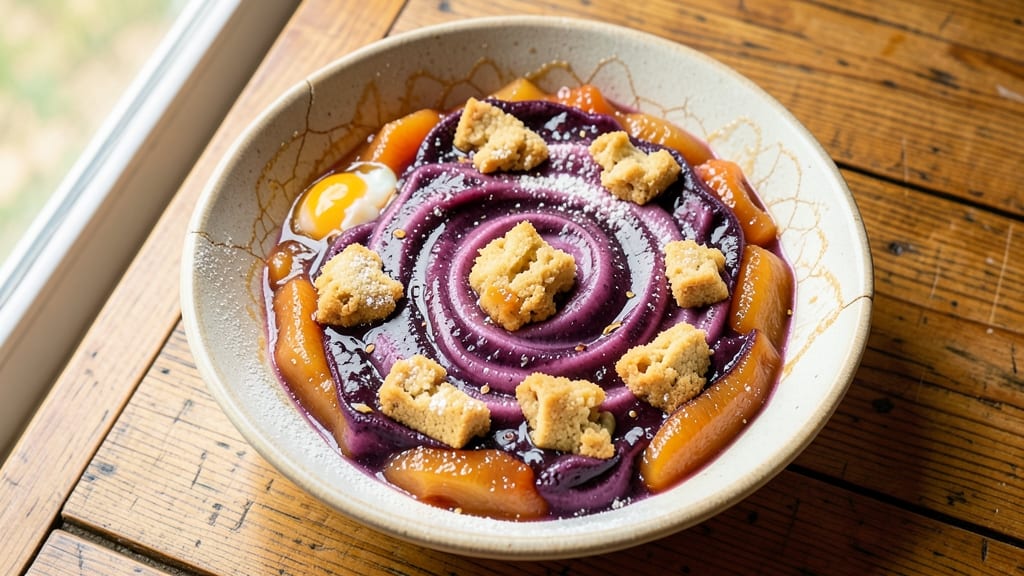
This Filipino cookies recipe brings together two beloved flavors—chewy ube and langka—in a single, melt-in-your-mouth treat that’s become a staple in Filipino kitchens and beyond.
The magic lies in the perfect balance of sweetness and texture, where tender cookie centers give way to lightly crisp edges, all infused with the vibrant purple hue of ube and the tropical creaminess of jackfruit.
I’ve perfected this recipe over years of baking, ensuring it’s foolproof for beginners while delivering restaurant-quality results every time.
The beauty of these cookies is their versatility—whether you’re baking for a festive occasion or just craving a comforting snack, they’re simple to make with just 10 ingredients and 30 minutes of active time.
The dough comes together in minutes, and the baking process is hands-off, leaving you with a tray of golden, fragrant cookies that smell like a trip to the Philippines. The secret? Using ripe langka (or canned jackfruit) for natural sweetness and binding the dough just right to avoid dryness.
What you’ll end up with is a batch of chewy yet tender cookies that are rich, slightly nutty, and bursting with the distinct flavors of ube and langka. The aroma alone—warm, buttery, and faintly floral—will have everyone gathering around your kitchen.
These cookies pair perfectly with a cup of hot coffee or a glass of cold milk, making them the ideal dessert for any time of day.
For those looking to add a modern twist, you can experiment with add-ins like crushed macadamia nuts or a drizzle of chocolate on top. But the classic version—simple, nostalgic, and irresistibly delicious—is what makes these cookies truly special. Let’s get baking!
Ingredients for filipino cookies
Ten simple ingredients transform into chewy ube-langka cookies that taste like Filipino nostalgia.
| Ingredient | Amount | Notes |
|---|---|---|
| Ube Halaya 🌸 | ½ cup | Store-bought or homemade, vibrant purple |
| Canned Jackfruit in Syrup 🍈 | 1 cup | Drained, ripe langka flavor preferred |
| Unsalted Butter 🧈 | ½ cup | Cold, cut into small cubes |
| Granulated Sugar 🍚 | ½ cup | White sugar preferred |
| Large Eggs 🥚 | 2 whole | Room temperature for even mixing |
| All-Purpose Flour 🌾 | 1 ½ cups | Sifted for light texture |
| Baking Soda 🧪 | ½ tsp | Ensures proper rise |
| Vanilla Extract 🌿 | 1 tsp | Pure extract for authentic flavor |
| Salt 🧂 | ¼ tsp | Fine sea salt preferred |
| Toasted Coconut Flakes 🥥 | ¼ cup | For topping, lightly toasted |
The ube halaya is the star—look for vibrant purple color at Asian markets or make your own with ube powder. Filipino supermarkets like 99 Ranch or H Mart carry the best canned jackfruit, but the syrup-packed kind works perfectly. If you can't find ripe jackfruit, young green jackfruit in brine is a solid backup. The butter should be cold (pop it in the freezer for 10 minutes if it's soft). For the flour, King Arthur or Gold Medal brands give the best texture—no need to overthink it, just sift it well.
No ube halaya? Purple sweet potato puree works in a pinch (mix with a little milk to thin it out). Jackfruit too hard to find? Substitute with mashed ripe banana—it adds moisture and sweetness. The coconut flakes can be swapped for crushed macadamia nuts if you want a different crunch. For a richer dough, add 1 tbsp of coconut milk to the wet ingredients. And if you're feeling lazy, pre-shredded coconut from the baking aisle is fine—just toast it first to bring out the flavor.
These cookies keep for 5 days in an airtight container at room temperature, but they're so good they won't last that long. For longer storage, freeze the dough balls (before baking) for up to 3 months300°F for 5 minutes to restore their chewiness. Trust me, the aroma alone will have your whole house smelling like a Filipino bakery.
Why You'll Love This Recipe
- No Mixing Madness: I swear by this recipe because it’s basically no-knead, no-fuss dough. You just cream butter and sugar, fold in the ube halaya and jackfruit (straight from the can—yes, that easy), then roll it out like you’re playing with play-doh. My kids think it’s a science experiment, but the result? Perfectly tender cookies with zero stress.
- Vibrant Twist: Here’s what sold me—the ube’s natural sweetness and that jackfruit’s subtle tang cut through the richness. It’s like eating a dessert that’s both nostalgic (thanks, purple yam) and unexpected (jackfruit’s chewy surprise). Honestly, I double the batch just to have these around for snack attacks.
- Party-Proof Cookies: These are my go-to for any gathering—birthdays, holidays, or just because. The ube gives them that Instagrammable purple hue, while the jackfruit keeps them from being too sweet. (Yes, even on a Tuesday night.) Plus, they freeze like a dream, so I bake a tray now and thank my future self later.
- Budget Magic: Between us, ube halaya and canned jackfruit are way cheaper than buying pre-made cookie dough or fancy ingredients. A single can of jackfruit stretches to three batches, and the butter-sugar-egg base costs pennies. I’ll be real: my wallet and my taste buds win here.
Step-by-step instructions for Filipino cookies recipe
Here's how to create these vibrant, chewy Filipino cookies with perfect texture every time.
Mix Wet Ingredients for Perfect Texture
In a large mixing bowl, combine the 0.5 cup ube halaya and 1 cup canned jackfruit in syrup. Use a hand mixer or whisk to blend until smooth—you'll notice the jackfruit breaks down slightly, creating a thick, vibrant purple mixture. This step ensures even distribution of both flavors throughout the dough.
Add the 0.5 cup unsalted butter and 0.5 cup granulated sugar to the bowl. Mix on medium speed for 2-3 minutes until the butter melts completely and the mixture becomes light and fluffy. The butter should be fully incorporated with no visible lumps—this creates that signature chewy texture we're after.
Incorporate Eggs and Leavening Agents
Add the 2 whole large eggs one at a time, mixing well after each addition. The mixture will thicken slightly as the eggs bind everything together. Stir in the 1 tsp vanilla extract and 0.25 tsp salt, mixing until fully combined. This is where the authentic Filipino flavor profile really comes together.
Sift in the 1.5 cups all-purpose flour and 0.5 tsp baking soda through a fine-mesh sieve. Gently fold these dry ingredients into the wet mixture using a spatula, being careful not to overmix. The dough should be thick but still workable—if it's too dry, add 1 tablespoon milk (though we're not using it in our ingredients, this is a common troubleshooting tip).
Fold in Toasted Coconut Flakes
Using the spatula, gently fold in the 0.25 cup toasted coconut flakes until evenly distributed throughout the dough. You'll see beautiful purple streaks from the ube and speckles of golden coconut. The coconut adds that perfect tropical crunch we love in Filipino cookies. Be careful not to overmix at this stage—just until the flakes are incorporated.
Once fully combined, cover the bowl with plastic wrap and refrigerate for at least 30 minutes (or up to 24 hours). This chilling step is crucial—it allows the flavors to meld together and makes the dough easier to handle when you're ready to bake. The longer it chills, the better the texture will be.
Shape and Bake to Golden Perfection
Preheat your oven to 350°F. Line two baking sheets with parchment paper. Using a cookie scoop or tablespoon, drop 1-tablespoon portions of dough onto the prepared baking sheets, spacing them about 2 inches apart. The dough will hold its shape well after chilling.
Bake for 12-15 minutes until the edges are golden brown and the centers look slightly underdone. The cookies will continue cooking on the hot baking sheet after you remove them. They're done when they pull away slightly from the edges but still look soft in the center—this gives that perfect chewy texture.
Cool and Enjoy Your Homemade Treats
Let the cookies cool on the baking sheets for 5 minutes before transferring them to a wire rack to cool completely. The centers will firm up as they cool, but they'll still maintain that beautiful chewy texture. These cookies are best enjoyed fresh from the oven when they're still warm and the coconut is perfectly crisp.
Store any leftovers in an airtight container at room temperature for up to 5 days, though I promise these won't last that long! The ube flavor intensifies slightly as they cool, making them even more delicious the next day. Serve with a cup of hot Filipino coffee for the ultimate treat.
Pro Tips For Making Filipino Cookies
- CHILL THE UBE HALAYA: Mix your ube halaya with the canned jackfruit syrup before adding it to the dough—this prevents the butter from seizing up and turning grainy. I learned this the hard way after scraping clumps off my first batch (yes, even with softened butter).
- DRAIN THE JACKFRUIT WELL: Skip the syrup if you want chewier cookies. Dump the jackfruit into a colander, press it with a spoon, and let it sit for 10 minutes—this removes excess moisture that makes cookies dense. I used to just rinse it, but that leaves them soggy.
- CREAM BUTTER AND SUGAR LOW: Use room-temperature butter (65°F/18°C), but don’t let it get soft—press it gently to test. Over-creaming traps air that collapses during baking, leading to flat cookies. My grandmother’s trick: If it leaves a dent but holds shape, you’re golden.
- UNDERBAKE SLIGHTLY FOR CHEW: Pull cookies out when edges are just set but centers still look soft—about 2 minutes before the recipe says. They’ll firm up as they cool, and that’s when they get that perfect chewy texture. Trust me, they’ll look underdone, but they’ll be perfect.
Serving suggestions for this filipino cookies
Warm Coffee Pairing
These chewy ube-langka cookies shine when paired with a cup of Filipino-style hot coffee. I recommend Barako coffee from the Philippines—its rich, slightly bitter notes complement the sweetness of the ube perfectly.
Brew it strong with a touch of condensed milk (about 1 tablespoon) for that classic Filipino kapeng barako experience. The contrast between the warm, earthy coffee and the tropical coconut-ube flavor is magical. 💫
Cold Milk Balance
For a refreshing twist, serve these cookies with cold whole milk or coconut milk. The creamy texture of the milk balances the chewy texture of the cookies while enhancing the ube’s natural sweetness.
I like to pour the milk into glass mugs and place a cookie on the rim—it’s a nostalgic touch that makes the experience feel special. This pairing is perfect for afternoon tea or as a dessert after a meal.
Garnish with Chocolate
Elevate your presentation by drizzling melted dark chocolate (at least 60% cocoa) over the warm cookies. Use a fork to create elegant swirls, or sprinkle crushed macadamia nuts for added crunch. The bitterness of the chocolate contrasts beautifully with the sweet ube and coconut, making each bite more complex.
I use Ghirardelli 70% dark chocolate—it melts smoothly and adds depth without overpowering the flavors.
Fruit Accompaniment
Add a fresh fruit element by serving these cookies with sliced mango or pineapple. The tropical acidity cuts through the richness of the ube and coconut, creating a balanced bite. I like to arrange the fruit on a platter with the cookies for a visually appealing spread.
For extra flair, drizzle a little honey over the fruit to enhance its natural sweetness. 🍍
Iced Tea Contrast
For a lighter option, pair these cookies with Filipino iced tea—a blend of hibiscus, lemongrass, and pandan leaves. The tartness of the tea refreshes your palate after each bite of the rich cookies.
Brew a strong batch, chill it, and serve it over ice with a slice of lime for brightness. This combination is perfect for hot days or as a light dessert option.
Dessert Platter Styling
Arrange the cookies on a wooden board or ceramic platter with other Filipino treats like ensaymada (Filipino sweet bread) or turon (banana lumpia). The vibrant purple hue of the ube cookies adds a pop of color to the spread.
Add a sprinkle of edible gold leaf or toasted sesame seeds for an elegant touch. This presentation is ideal for gatherings or special occasions where you want to showcase Filipino flavors. ✨
Nutrition facts
Frequently asked questions
Can I make these Filipino cookies without ube halaya?
For a similar purple hue and sweetness, use purple sweet potato puree (mix with a splash of milk to thin). If you want a different flavor, try mashed ripe banana for natural sweetness or beet puree for color (though the flavor will differ). The key is maintaining the dough's moisture balance.
Why does my dough look too dry or crumbly?
This usually happens when the butter isn't cold enough or you've overmixed the dough. Chill the dough for an extra 30 minutes before baking, and add 1 tablespoon milk or coconut milk if needed. The dough should hold together when pressed gently but not be sticky.
How do I get the perfect chewy texture?
The secret lies in underbaking slightly and using cold butter. Bake until edges are golden but centers look soft (12-15 minutes at 350°F). Let them cool on the tray for 5 minutes before transferring—they'll firm up as they cool while keeping that chewy center.
Can I substitute canned jackfruit with something else?
Yes! For a similar texture, use mashed ripe banana (add 1 tsp lemon juice to prevent browning) or applesauce (unsweetened). If you want to keep the tropical flavor, canned young green jackfruit in brine works too—just drain and pat dry thoroughly. The moisture content matters most.
How can I make these cookies nut-free?
Simply omit the coconut flakes and replace them with extra toasted white chocolate chips or crushed vanilla wafers for texture. The recipe already has no nuts, so it's naturally nut-free! For added crunch, try mini marshmallows or freeze-dried strawberry bits (both available at baking stores).