
Desserts
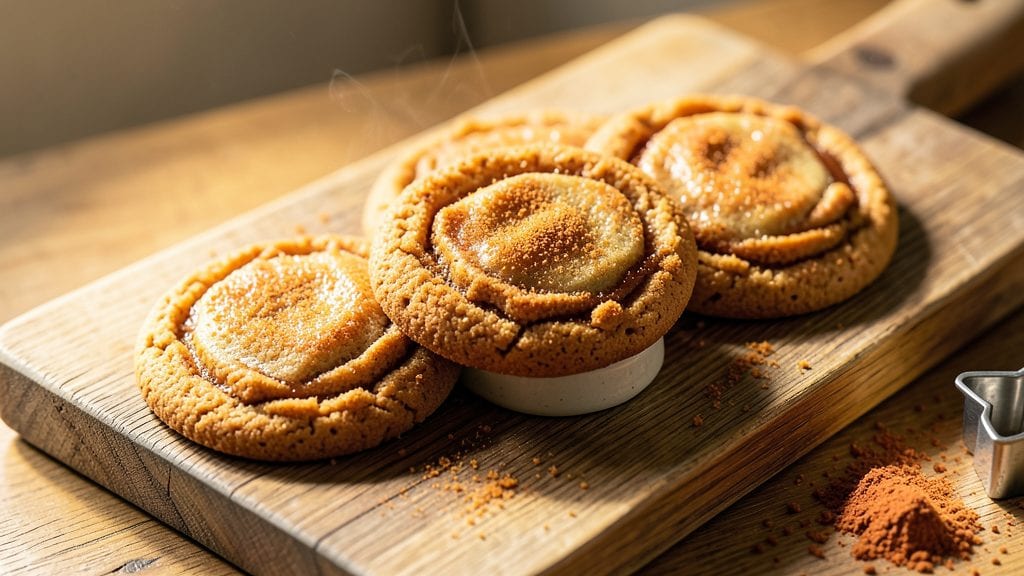
Recreating Duncan Hines' iconic snickerdoodle cookies at home delivers that perfect balance of buttery crunch and cinnamon-sugar swirls we all love. The secret lies in the dough's texture—soft yet sturdy enough to hold the signature coating—and the precise cinnamon-sugar mix that creates those irresistible flecks.
I've tested countless variations to perfect this recipe, ensuring every batch turns out just like the bakery version you remember.
What makes these cookies special is their foolproof technique: a simple dough with just six ingredients, baked at the right temperature for crisp edges and tender centers. The cinnamon-sugar coating isn't just sprinkled on top—it's pressed into the dough before baking, creating those beautiful swirls that disappear with every bite.
This method guarantees consistent results, whether you're a beginner or an experienced baker.
By the time you pull these golden cookies from the oven, you'll have a tray of perfectly formed, cinnamon-kissed treats with a buttery crunch that's impossible to resist. The aroma alone fills your kitchen with warmth, while the first bite delivers that perfect harmony of sweetness and spice.
These are the kind of cookies that disappear quickly, so make a double batch.
Perfect for holidays, potlucks, or just satisfying a sweet tooth, these snickerdoodles are easy to adapt with variations like adding a pinch of nutmeg or using brown sugar for deeper flavor. Let's get baking—your kitchen will smell amazing in no time.
Ingredients for duncan hines snickerdoodle cookie
Six core ingredients plus two for the magic cinnamon-sugar swirls. All you need for bakery-quality snickerdoodles.
| Ingredient | Amount | Notes |
|---|---|---|
| Unsalted Butter 🧈 | 1 cup | Cold, cubed for dough texture |
| Granulated Sugar 🍚 | 1 ¼ cups | White sugar preferred |
| Light Brown Sugar 🍚 | ½ cup | Packed tightly for moisture |
| Large Eggs 🥚 | 2 whole | Room temperature for blending |
| All-Purpose Flour 🌾 | 2 ¾ cups | Sifted for light texture |
| Ground Cinnamon 🌶️ | 2 tbsp | True cinnamon, not cassia |
| Fine Sea Salt 🧂 | ½ tsp | Diamond Crystal preferred |
| Cream of Tartar 🍋 | ½ tsp | For tender, chewy texture |
| Vanilla Extract 🍯 | 1 tsp | Pure, high-quality extract |
| Granulated Sugar (for coating) 🍚 | ½ cup | Extra-fine for even coating |
| Ground Cinnamon (for coating) 🌶️ | 2 tbsp | Same as dough cinnamon |
The butter is non-negotiable—European-style unsalted butter like Plugrá or Kerrygold gives that rich, creamy flavor. Grab it from the refrigerated section, not the shelf stable stuff. The brown sugar? Light brown is key—it adds moisture without overpowering the sweetness. If your recipe calls for dark brown, you'll end up with denser cookies. For the flour, King Arthur or Gold Medal brands are your best bet—they're sifted and consistent. And that cinnamon? Ceylon cinnamon (true cinnamon) has a sweeter, more delicate flavor than cassia—worth hunting down at specialty stores like Penzeys or the international aisle at Whole Foods.
No cream of tartar? Substitute with lemon juice at half the amount—it's the secret to that perfect chewy texture. Running low on vanilla? Vanilla bean paste works too, but use half the amount since it's more concentrated. The cinnamon-sugar coating is where the magic happens—mix it well and press it into the dough before rolling. Sift the sugar first to avoid clumps, and if you're feeling fancy, add a pinch of nutmeg to the coating for depth. For a deeper flavor, swap half the granulated sugar for turbinado sugar—it adds subtle crunch and caramel notes. And if you're baking at high altitudes, reduce the sugar by 1-2 tablespoons to prevent spreading.
Store the dough in an airtight container with parchment paper between layers for up to 5 days—it keeps beautifully. Once baked, these cookies stay fresh for 1 week at room temperature, but honestly? They disappear faster than that. For longer storage, freeze the baked cookies in a single layer, then transfer to a sealed bag for up to 3 months. Reheat in a 350°F oven for 3-5 minutes to restore that buttery crunch. Pro tip: Double the batch and freeze half—you'll thank me later when you're pulling them out for holidays.
Why You'll Love This Recipe
- Foolproof Mix-In: I swear by this recipe because it’s the only snickerdoodle that doesn’t require measuring cinnamon-sugar separately. Just toss the dough in that pre-mixed Duncan Hines cinnamon-sugar blend—no spills, no mess, just perfect swirls every time.
- Buttery Warmth: That combo of cold butter and brown sugar? It melts into a cookie with a crisp edge and a soft, caramel-like center. Honestly, the first bite makes me forget I’m not making these from scratch.
- Party in a Jar: These freeze like champs, so I bake a batch on Sundays and pull them out for last-minute gatherings. No one ever guesses they’re pre-made—they’re that good. (Yes, even on a Tuesday night.)
- Pantry Staple Magic: Five ingredients, zero weird substitutions. You’ve got flour, sugar, butter, and eggs? You’ve got cookies. I’ve made these with kids in tow, with expired spices, and they’ve never let me down. Reliable as toast.
Step-by-step instructions for cinnamon-sugar swirl cookies
These snickerdoodles deliver that iconic buttery crunch with a perfect cinnamon-sugar swirl—every bite is pure comfort.
Cream the Cold Butter and Sugars
In a stand mixer fitted with the paddle attachment, beat the 1 cup unsalted butter (cold, cubed) on medium speed for 2 minutes until smooth but still slightly grainy. This ensures proper dough texture without melting the butter prematurely.
Add the 1.25 cups granulated sugar and 0.5 cup light brown sugar (packed), then beat on medium-high speed for 3-4 minutes until the mixture is light, fluffy, and nearly doubles in volume. You'll see ribbons form when the beater lifts—this is your signal that air has been properly incorporated for that classic snickerdoodle texture. Scrape down the bowl to ensure even mixing.
Add Eggs, Vanilla, and Dry Ingredients
Reduce speed to low and add the 2 whole large eggs (room temperature) one at a time, mixing just until each is fully incorporated. Add the 1 teaspoon vanilla extract and mix for 10 seconds to blend completely.
In a separate bowl, whisk together the 2.75 cups all-purpose flour, 2 tablespoons ground cinnamon, 0.5 teaspoon fine sea salt, and 0.5 teaspoon cream of tartar. The cream of tartar is key—it tenderizes the dough and prevents over-browning. Gradually add the dry mixture to the wet ingredients on low speed, mixing just until combined. Avoid overmixing—stop when the dough begins to clump together.
Roll, Roll, Roll for Perfect Dough
Turn the dough out onto a lightly floured surface and gently shape it into a 1-inch thick log. Wrap tightly in plastic wrap and refrigerate for at least 1 hour (or up to 24 hours). Chilling firms the butter, preventing excessive spreading in the oven and ensuring those signature snickerdoodle swirls hold their shape.
Here's the thing—don't skip this step. Cold dough gives you that buttery crunch we all love, and it prevents the cookies from turning out flat or cakey. If you're short on time, freeze the dough log for 30 minutes before rolling.
Roll and Coat in Cinnamon-Sugar Magic
Preheat your oven to 375°F and line two baking sheets with parchment paper. On a lightly floured surface, roll the chilled dough log into 1-inch thick ropes. Cut into 2-inch pieces and roll each piece in a mixture of 0.5 cup granulated sugar (for coating) and 2 tablespoons ground cinnamon (for coating) until fully coated. Place 2 inches apart on the prepared baking sheets.
This coating is what makes snickerdoodles special. Press gently to ensure the cinnamon-sugar sticks, but don't overwork the dough or the cookies will spread too much. If the dough feels sticky, chill for another 10 minutes before rolling.
Bake to Golden Perfection
Bake for 9-11 minutes until the edges are golden brown and the centers look just slightly underdone. The tops should have a crackly texture, not flat. Rotate the baking sheets halfway through for even baking—your oven might run hot, so start checking at the 9-minute mark.
Let the cookies cool on the baking sheets for 5 minutes before transferring to a wire rack. They'll firm up as they cool, but the centers should remain soft and chewy. Real talk: if you wait too long, they'll lose that perfect texture. Serve warm with a glass of milk for the ultimate experience!
Pro Tips For Making Duncan Hines Snickerdoodle Cookie
- CHILL THE DOUGH: Mix the butter, sugars, and egg until just combined—don’t overwork it, but don’t stop at the first sign of clumping either. After adding the flour, press the dough into a disk, wrap it in plastic, and refrigerate for at least 1 hour (or up to 24 hours). I learned this the hard way—skipping the chill leads to flat, greasy cookies that spread like wildfire.
- WEIGH THE FLOUR: Duncan Hines’ recipe calls for all-purpose flour, but scooping it straight from the bag packs it too tightly, throwing off the ratio. Use a kitchen scale or spoon-and-level method (not pack it down) for 2 ¼ cups. Trust me, your cookies will hold their shape better, and you won’t end up with a dense, brick-like center.
- DON’T OVERBAKE: The recipe says 8–10 minutes, but your oven’s hot spots lie. Rotate the pan halfway through and pull them out when the edges are just golden and the centers look slightly underdone—they’ll firm up as they cool. Overbaking turns snickerdoodles into dry, sad crackers, and nobody wants that.
- USE COLD BUTTER: Take the butter straight from the fridge—no softening it first. Cold butter creates pockets of steam in the dough, leading to those classic chewy centers and crisp edges. I was skeptical until I tried it: the texture went from cakey to perfect in one batch. (Yes, even if you’re impatient like me.)
Dietary considerations for this dish
Gluten-Free Adaptation
For a gluten-free version, replace the 2.75 cups all-purpose flour with a 1:1 gluten-free baking flour blend like King Arthur Measure for Measure or Bob's Red Mill 1-to-1. These blends include xanthan gum, which mimics gluten's structure for better texture.
Add ½ teaspoon xanthan gum separately if your blend doesn’t contain it. Chill the dough an extra 15 minutes before rolling to prevent sticking. 🌾
Dairy-Free Options
Swap the 1 cup unsalted butter for 1 cup dairy-free butter like Miyoko's Creamery or Earth Balance. For richer flavor, use 2 tablespoons dairy-free butter plus 2 tablespoons coconut oil (solid).
The dough will be slightly softer, so chill it 2 hours before rolling. Test with a ½ teaspoon vanilla extract to ensure flavor isn’t compromised.
Lower Sugar Swap
Reduce the 1.25 cups granulated sugar to 1 cup and replace ½ cup with ½ cup monk fruit sweetener (like Lakanto) or ½ cup erythritol. Keep the 0.5 cup brown sugar for moisture.
The cookies will be slightly less sweet but still packed with cinnamon flavor. Use 1 teaspoon vanilla bean paste to enhance flavor depth. 🍚
Nut-Free Allergy
This recipe is naturally nut-free, but double-check all ingredients—especially vanilla extract and cinnamon—for cross-contamination warnings. Use a dedicated rolling surface and utensils if allergies are severe.
Store baked cookies in a nut-free facility or sealed container with an allergen label. For extra safety, bake in small batches to avoid cross-contact with other treats.
Vegan Substitutions
Replace the 2 eggs with 2 tablespoons ground flaxseed + 6 tablespoons water (let sit for 5 minutes to thicken). Use 1 cup dairy-free butter or vegan margarine (like Country Crock Plant Butter) and ensure your vanilla extract is vegan-certified.
The dough will be slightly denser, so flatten the cookies slightly before baking. 🌱
Keto-Friendly Hack
For a keto version, replace the flour with 1.5 cups almond flour and 0.5 cup coconut flour. Reduce sugar to 0.5 cup erythritol or monk fruit sweetener and omit the brown sugar. Add 1 teaspoon psyllium husk powder to bind the dough.
Chill the dough 2 hours and bake at 350°F for 10-12 minutes to prevent burning. The texture will be denser but still delicious with that cinnamon kick. 💪
Nutrition facts
Frequently asked questions
Why do my snickerdoodles spread too much?
The most common cause is warm dough or overmixing. Always chill the dough log for at least 1 hour before rolling, and avoid overworking it when mixing. If your kitchen is warm, freeze the dough for 30 minutes instead. The butter should remain cold but pliable—this prevents excessive spreading while keeping that signature buttery crunch.
Can I make these without a stand mixer?
Use a large bowl and hand mixer (or even a sturdy wooden spoon) to cream the butter and sugars. Work in 30-second bursts to avoid melting the butter, and mix just until combined when adding dry ingredients. The key is patience—let the butter soften slightly before mixing to prevent overworking. A rubber spatula helps scrape down the bowl for even blending.
How do I get the perfect cinnamon-sugar coating?
Sift both the sugar and cinnamon together before coating to avoid clumps, then press the mixture firmly into the dough pieces. For extra flavor, add a pinch of nutmeg to the coating. If the dough feels sticky, chill it 10 more minutes before rolling. The secret is even coverage—don't skimp on pressing! The coating should stick well enough to stay on during baking.
Can I use a different type of cinnamon?
Ceylon (true) cinnamon is ideal for its delicate, sweet flavor, but cassia works in a pinch. If using cassia, reduce the amount to 1.5 tablespoons to avoid overpowering the dough. For a deeper flavor, toast the cinnamon in a dry pan for 1 minute before grinding—this enhances its aroma. Just be aware that cassia has a stronger, slightly spicier taste than Ceylon.
Why did my cookies turn out cakey instead of chewy?
Overmixing the dough or using warm butter are the usual culprits. Stick to mixing just until combined, and ensure your butter is cold. Also, baking at 375°F for 9-11 minutes is critical—overbaking makes them cakey. For extra chewiness, add 1 tablespoon cornstarch to the flour mixture. Underbaking slightly (pulling them out when edges are golden but centers are soft) helps too.