Desserts
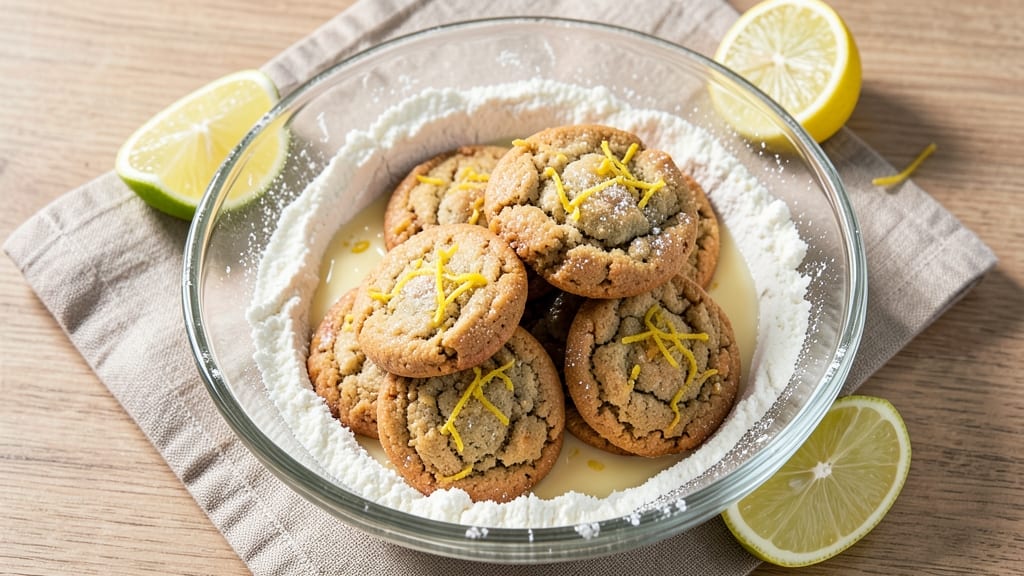
Transforming a Duncan Hines lemon cake mix into cookies is one of those kitchen hacks that delivers restaurant-quality results with minimal effort. The bright citrus flavor of the cake mix becomes even more vibrant when baked into chewy, tender cookies with just a few simple additions.
I discovered this recipe during a busy week when I needed a quick dessert solution that didn't require measuring dry ingredients from scratch.
The beauty of this method lies in its simplicity—just three additional ingredients transform the cake mix into cookies that taste homemade. The key is using melted butter instead of oil for richer flavor and adding vanilla extract to enhance the lemon's natural brightness.
These cookies develop a perfect balance of crisp edges and soft centers, with that signature lemony aroma filling your kitchen as they bake.
What you'll end up with is a batch of cookies that's impossible to resist—bright, buttery, and packed with citrus flavor. The texture is ideal for dunking in milk or pairing with a cup of coffee, and they stay fresh for several days when stored properly.
This recipe is perfect for satisfying a sudden cookie craving without the effort of making everything from scratch.
Whether you're looking for a quick dessert or a way to use up a cake mix, these cookies deliver professional-quality results in under 30 minutes. The best part? You can customize them with add-ins like white chocolate chips or sprinkles if you'd like to get creative. Let's get baking!
Ingredients for duncan hines lemon cake mix cookie
Fourteen simple ingredients transform a boxed cake mix into cookies that taste homemade and restaurant-quality!
| Ingredient | Amount | Notes |
|---|---|---|
| Duncan Hines Lemon Cake Mix 🍋 | 1 box | Unopened box, any variety |
| Unsalted Butter 🧈 | ½ cup | Melted, full-fat preferred |
| Large Eggs 🥚 | 2 whole | Room temperature for mixing |
| Pure Vanilla Extract 🌸 | 1 tsp | High-quality, not imitation |
| Granulated Sugar 🍚 | ¼ cup | For extra sweetness boost |
| All-Purpose Flour 🌾 | ¼ cup | For texture improvement |
| Baking Soda 🧪 | ¼ tsp | For lift and crisp edges |
| Sea Salt 🧂 | ½ tsp | Fine grain, sprinkled on top |
| White Chocolate Chips 🍫 | ½ cup | Optional, for extra indulgence |
| Lemon Zest 🍋 | 1 tbsp | Fresh, for extra citrus punch |
| Heavy Cream 🥛 | ¼ cup | For rich, chewy texture |
The Duncan Hines Lemon Cake Mix is the star here—just grab any box from the baking aisle. Butter makes all the difference (none of that margarine nonsense), so use full-fat for that rich, bakery-style flavor. If you're in a rush, Trader Joe's or Walmart usually have the best prices on butter. For the vanilla, Nestlé Pure is my go-to—it's reliable and affordable. The lemon zest is a game-changer: buy a fresh lemon, grate the peel, and use it right away (or freeze it in a bag for up to 2 weeks). And if you're feeling fancy, Ghirardelli white chocolate chips elevate these cookies to next-level deliciousness.
No vanilla extract? Almond extract at half the amount works in a pinch, but the flavor will be different. Short on butter? Coconut oil melted gives a similar texture (though it won't taste the same). Swapping the white chocolate chips for mini marshmallows or sprinkles is fun for kids—just fold them in at the end. The heavy cream is optional but adds that perfect chewy center. If you forget it, the cookies will still be great, just a tad drier. And if you're out of baking soda, baking powder at double the amount can work, but the texture might be slightly different.
These cookies keep for 5 days in an airtight container at room temperature, but they won’t last that long—trust me. For extra freshness, store them in the fridge for up to 1 week, or freeze portions for 3 months. I like to portion them into ziplock bags so I can grab just a few whenever the craving hits. Pro tip: Dunk them in milk while still warm for the ultimate cookie experience. And if you make a double batch, freeze half—future you will thank present you.
Why You'll Love This Recipe
- Five-Ingredient Magic: I swear, if you’ve got a pantry stocked with butter, eggs, and sugar, you’re already halfway there. The cake mix does all the heavy lifting—just fold in the vanilla, and you’re golden. No measuring cups, no sifting, no stress.
- Zesty Twist: That bright lemon flavor from the mix? It’s like sunshine in cookie form, but the butter and sugar soften it into something rich and satisfying—not too sharp, not too sweet. Honestly, it’s the kind of balance that makes you want to bake these every weekend.
- Party-Ready Shortcut: Need last-minute treats for a brunch or potluck? These bake in 12 minutes and stay soft enough to pack in a container. I’ve brought them to book clubs, showers, and even my mom’s holiday gatherings—no one ever guesses they’re mix-based.
- Budget-Friendly Bites: A box of cake mix costs pennies, and you’ll use less than half for a batch of cookies. The butter and eggs stretch your dollar further, and leftovers? They freeze like a dream for when you’re too tired to bake. My secret weapon for lazy days.
Step-by-step instructions for Duncan Hines lemon cake mix cookies
Here's how to transform a simple cake mix into irresistible lemon cookies with rich texture!
Melt the Butter and Mix Wet Ingredients
In a microwave-safe bowl, melt the 0.5 cup unsalted butter in 30-second intervals, stirring between each, until completely smooth. Let it cool for 2-3 minutes—it should be warm to the touch but not hot. In a separate large bowl, whisk together the 2 whole large eggs, 1 tsp pure vanilla extract, 0.25 cup granulated sugar, and 0.25 cup heavy cream until fully combined. The mixture should be pale yellow and slightly thickened.
Here's the thing—room temperature eggs mix better, but if yours are cold, just give the bowl a quick warm-up in 10-second bursts while stirring. This ensures everything blends smoothly without scrambling the eggs. The sugar helps stabilize the eggs while the cream adds that signature chewy texture we're after.
Combine Dry Ingredients and Lemon Flavors
Add the 1 box Duncan Hines lemon cake mix, 0.25 cup all-purpose flour, 0.25 tsp baking soda, and 0.5 tsp sea salt to the wet mixture. Stir with a spatula until just combined—you'll see a thick, dough-like consistency form. Gently fold in the 0.5 cup white chocolate chips and 1 tbsp lemon zest using your hands or a silicone spatula. The zest should be finely grated with no pith—this ensures bright lemon flavor without bitterness.
Don't overmix here. You're looking for a soft, slightly sticky dough that holds together when pressed. If it's too crumbly, add 1-2 teaspoons of heavy cream to bring it back together. The baking soda will create those beautiful crisp edges while the lemon zest gives each bite that zesty punch we love in lemon desserts.
Chill the Dough for Perfect Texture
Cover the bowl with plastic wrap and refrigerate for at least 30 minutes (or up to 24 hours). This chilling step is non-negotiable—it prevents the cookies from spreading too much in the oven and ensures that rich, chewy texture we're after. When you're ready to bake, scoop the dough into 1-tablespoon portions using a cookie scoop or spoon, rolling each into a ball. Place them 2 inches apart on parchment-lined baking sheets.
I know it seems counterintuitive to wait, but trust me—this makes all the difference. Cold dough means thicker cookies with crisp edges and gooey centers. While the dough chills, preheat your oven to 350°F and position the racks in the middle position. Hot racks ensure even baking from the start.
Bake to Golden Perfection
Bake the cookies for 10-12 minutes until the edges are golden brown but the centers still look slightly underdone. They'll continue cooking on the hot sheet after you remove them. Watch carefully after 9 minutes—the white chocolate chips should be just starting to melt but not spread too much. Rotate the baking sheets halfway through if needed for even browning.
Here's where it gets fun—the moment you pull them out, the kitchen will smell like sunshine and citrus. Let the cookies cool on the baking sheets for 5 minutes before transferring to a wire rack. They'll firm up as they cool, but that's perfect—they should hold their shape while still being soft in the center. For extra lemon flavor, sprinkle with a tiny pinch of sea salt while they're still warm.
Pro Tips For Making Duncan Hines Lemon Cake Mix Cookie
- Cream Butter First: Take 5 minutes to whip that butter and sugar together until it’s pale and fluffy—yes, even with cake mix. I used to skip this, and the cookies turned out dense and flat. The air in the butter is what makes them light and chewy, not the mix itself.
- Chill the Dough: Pop the dough in the fridge for at least 30 minutes before baking. This isn’t just about waiting—it lets the flour absorb moisture and prevents the cookies from spreading into sad, greasy pancakes. (Trust me, I’ve seen both.)
- Measure Butter Right: Use the packed cup method for butter—no scooping straight from the fridge. A cup of loosely packed butter = way too much fat, and your cookies will taste greasy instead of buttery. Pack it down firmly, then level it off.
- Rotate Trays Mid-Bake: Swap the baking sheets halfway through if your oven runs hot. The edges cook faster, and before you know it, you’ve got burnt cookies while the centers stay doughy. Flip them front to back—it evens everything out.
Pro cooking tips for great duncan hines lemon cake mix cookie
Butter Over Oil
Using melted butter instead of oil makes a world of difference in these cookies. Butter adds richness and flavor that oil simply can't match—it's worth the extra step to melt it properly. I recommend Land O'Lakes or Plugrá for the best results.
If you're in a hurry, microwave it in 30-second bursts with stirring between each interval to prevent burning. Let it cool slightly before mixing to avoid scrambling the eggs. 🧈
Room-Temp Eggs
Cold eggs can make your dough lumpy and difficult to mix. If your eggs are straight from the fridge, give them a quick warm-up by placing them in a bowl of warm water for 5 minutes. Alternatively, whisk them in a microwave-safe bowl for 10-second bursts while stirring constantly.
The goal is to reach room temperature—about 68-72°F—so they blend smoothly with the butter. This small step prevents a gummy texture in your final cookies.
Chill the Dough
Never skip the 30-minute chill—this is the secret to perfect texture. Cold dough prevents excessive spreading and ensures those crisp edges with chewy centers. I like to press the dough into a flat disk, wrap it tightly in plastic wrap, and refrigerate.
If you're short on time, even 15 minutes in the freezer works in a pinch. The dough should be firm but still pliable when you're ready to scoop. ❄️
Scoop Size Matters
Use a 1-tablespoon cookie scoop (or a regular spoon) to portion the dough. Too much dough leads to flat, crispy cookies, while too little results in dense, cake-like bites. I find that 1-tablespoon portions give the perfect balance of thickness and chewiness.
Place them 2 inches apart on parchment-lined sheets—they'll spread slightly during baking. For even baking, rotate the sheets halfway through the cook time.
Lemon Zest Technique
The difference between good and extraordinary lemon flavor comes down to proper zesting. Use a microplane or fine grater to remove only the yellow outer layer of the peel—avoid the bitter white pith underneath. One fresh lemon yields about 1 tablespoon of zest.
For extra brightness, I like to zest 2 lemons and freeze the extra in a small container for future recipes. The zest should be finely grated with no visible strings or pith. 🍋
Baking Time Precision
These cookies bake quickly—10-12 minutes at 350°F is ideal. Start checking at 9 minutes for golden edges and slightly underdone centers. The white chocolate chips should just begin to melt but not spread excessively. Overbaking leads to dry cookies, so remove them as soon as they look done.
Let them cool on the sheet for 5 minutes before transferring—they'll firm up as they cool but stay soft inside. A toothpick inserted should come out with a few moist crumbs, not completely clean.
Nutrition facts
Frequently asked questions
Can I make these cookies without eggs?
Yes! For a vegan version, replace the 2 eggs with 1/4 cup unsweetened applesauce plus 1/2 teaspoon baking soda. Or use 1/4 cup melted coconut oil mixed with 1/2 teaspoon vinegar for a neutral flavor. The texture will be slightly denser but still delicious.
Why do my cookies spread too much?
Skipping the 30-minute chill is the #1 cause of excessive spreading. Cold dough prevents this! Also, ensure your oven is fully preheated to 350°F and use a 1-tablespoon scoop—larger portions spread more. If they're still spreading, try baking at 325°F instead.
How can I make these cookies gluten-free?
Swap the all-purpose flour for a 1:1 gluten-free baking flour blend (like Bob's Red Mill). Also replace the cake mix with a gluten-free boxed mix or make your own by combining 1 cup gluten-free flour, 1/2 cup almond flour, and 1/4 cup cornstarch. Add 1/4 teaspoon xanthan gum if your blend doesn't include it.
Can I use powdered sugar instead of granulated?
Not for this recipe—powdered sugar has too much volume and will make your cookies dense. Stick with granulated sugar for the right texture. If you're out of granulated, you can make a quick substitute by crushing 1/4 cup graham crackers into a fine powder, but the flavor won't be the same.
What's the best way to store leftover cookies?
Keep them fresh for 5 days in an airtight container at room temperature, or freeze for up to 3 months. For extra crispiness, store them in a single layer on a wire rack in the freezer, then transfer to a container. Reheat in a 300°F oven for 2-3 minutes to restore softness.