Desserts
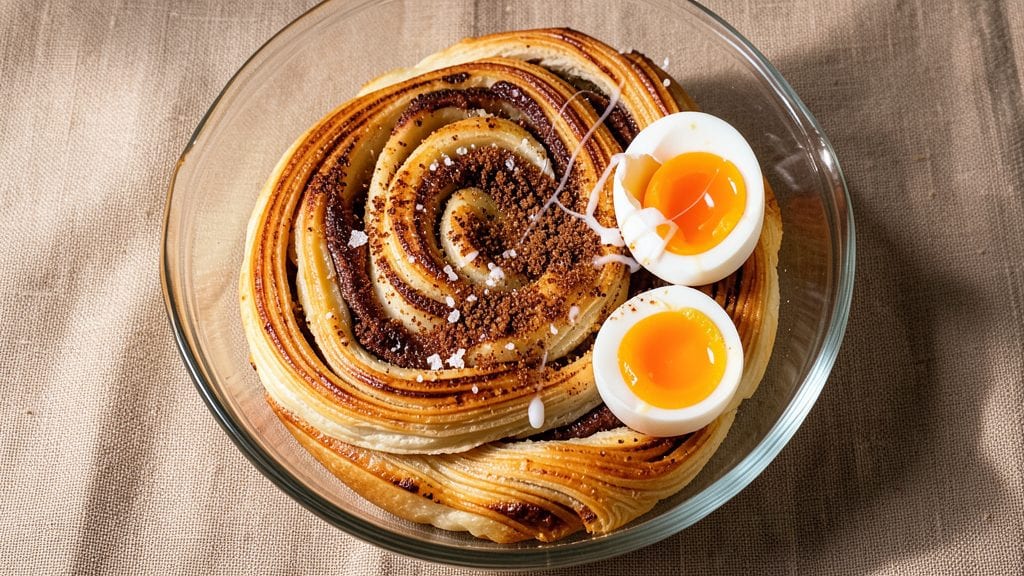
A cookie croissant recipe that delivers the best of both worlds—flaky, buttery croissant layers wrapped around a chewy, chocolate-kissed cookie center—is the dessert you didn’t know you needed.
After years of perfecting the balance between crisp, airy pastry and rich, caramelized cookie, I’ve cracked the code for a treat that looks as impressive as it tastes. The secret lies in a precise lamination technique that keeps the croissant shell delicate while the cookie filling stays dense and moist.
This recipe demands patience—specifically, a two-day process that includes chilling the dough and resting the cookie filling—but the results are worth every minute. You’ll work with high-ratio butter (the key to flakiness) and a cookie dough infused with chocolate chips and brown sugar for depth.
The shaping technique is where the magic happens: rolling the dough into a tight spiral ensures those signature croissant layers, while the cookie filling is piped into the center before baking to create a perfect fusion.
When it emerges from the oven, your cookie croissant will be golden and crisp on the outside, with a tender, buttery crunch that gives way to a warm, chewy cookie interior studded with melted chocolate.
The contrast in textures—flaky, airy, and rich—makes each bite unforgettable. Serve warm with a dusting of powdered sugar or a drizzle of chocolate ganache for an extra touch of indulgence.
Perfect for special occasions or as a showstopper dessert, this recipe scales beautifully—whether you’re baking a single croissant for a romantic dinner or a batch for a holiday gathering.
The technique is precise, but the steps are straightforward once you’ve mastered the fundamentals. Let’s get started on creating a dessert that’s equal parts elegant and irresistible.
Ingredients for cookie croissant
Buttery layers and chocolate-kissed centers—this flaky masterpiece needs just 13 ingredients.
| Ingredient | Amount | Notes |
|---|---|---|
| High-Ratio Unsalted Butter 🧈 | 2 ½ cups | Cold, cubed for lamination |
| All-Purpose Flour 🌾 | 4 ½ cups | Bread flour for extra flakiness |
| Granulated Sugar 🍚 | ¼ cup | For cookie filling sweetness |
| Packed Brown Sugar 🍯 | ¼ cup | Rich caramel depth |
| Large Eggs 🥚 | 2 whole | Room temperature for blending |
| Vanilla Extract 🌿 | 1 tbsp | Pure Madagascar preferred |
| Semisweet Chocolate Chips 🍫 | 1 ½ cups | Enjoy Life brand for allergies |
| Diamond Crystal Kosher Salt 🧂 | ½ tsp | Fine grain for delicate seasoning |
| Powdered Sugar 🍚 | ¼ cup | For final dusting |
| Heavy Cream 🥛 | ¼ cup | Cold for cookie filling |
| Cornstarch 🌾 | 1 tbsp | For cookie dough tenderness |
| Whole Milk 🥛 | 1 tbsp | For dough hydration |
| Instant Yeast 🍞 | ¼ tsp | Fresh yeast works too |
The butter is non-negotiable—European-style or high-ratio like Plugrá delivers the flakiness you crave. Grab it from Whole Foods or Costco for the best quality (the kind that stays cold when you cube it). For the cookie filling, Enjoy Life chocolate chips are my go-to—they're allergy-friendly and melt beautifully. The brown sugar? Light or dark both work, but light gives a more delicate caramel flavor. Don't forget to chill your butter cubes overnight—they're the secret to those signature croissant layers. And trust me, bread flour makes all the difference in the pastry dough for that perfect airy texture.
No high-ratio butter? European-style butter works in a pinch (just make sure it's at least 82% fat). Short on chocolate chips? Chopped chocolate bars at half the amount will do—just make sure they're good quality (like Ghirardelli or Lindt). The vanilla extract matters here—imitation won't cut it. If you can't find pure Madagascar, Tasty Brand is a solid backup. For the yeast, active dry works if you let it proof first (dissolve in warm milk with a pinch of sugar). And if you're gluten-sensitive? King Arthur gluten-free flour blend keeps the structure intact while making it safe for everyone.
This dough needs 48 hours of chilling—don't skip it! Store the croissant dough wrapped tightly in plastic between layers of parchment in your fridge. The cookie filling can be prepped a day ahead and kept in the fridge (it actually improves overnight). Baked croissants stay fresh for 2 days at room temperature (if they last that long). For longer storage, freeze the unbaked croissants for up to 1 month
Why You'll Love This Recipe
- No-Knead Magic: I swear by the high-ratio butter—it’s the secret to that perfect flaky, tender crumb. No rolling, no fuss, just a quick press of dough and a chilled rise. Honestly, I’ve made it while waiting for coffee to brew.
- Buttery Sweet Payoff: That combo of brown sugar and granulated? Chef’s kiss. The croissant part stays crisp, the cookie part melts in your mouth, and the eggs bind it all into one addictive bite. (Yes, even on a Tuesday night.)
- Breakfast or Dessert: Same dough, endless uses—wrap it around fruit for a morning treat, bake it as a cookie for dessert, or freeze the dough for lazy days. My kids beg for it at both meals. Between us, that’s the real win.
- Dough for Days: This recipe makes a ton of dough, and it keeps for weeks in the fridge. Split it into portions, freeze what you won’t use, and thank me later when you’re not scrambling for a last-minute snack. My secret weapon.
Step-by-step instructions for cookie croissant recipe
Here's how to achieve that perfect balance of buttery flakiness and chocolate-kissed swirls—every layer matters.
Prepare the Croissant Dough for Maximum Flakiness
In a large bowl, combine the 4.5 cups all-purpose flour and 0.5 tsp diamond crystal kosher salt. Cut in the 2.5 cups cold, cubed high-ratio unsalted butter using a pastry cutter or your fingers until the mixture resembles coarse crumbs with pea-sized butter pieces. This is called a "laminated dough" foundation, and those cold butter cubes are what create those signature flaky layers.
In a separate small bowl, whisk together the 2 whole large eggs, 1 tbsp whole milk, and 0.25 tsp instant yeast. Gradually pour this liquid mixture into the flour-butter combination while gently mixing with a wooden spoon just until the dough comes together. Avoid overworking it—you're not making bread, you're building delicate layers. The dough should be cold to the touch and slightly sticky but not wet.
Create the Chocolate Cookie Filling
In a medium bowl, combine the 1.5 cups semisweet chocolate chips, 0.25 cup heavy cream, 0.25 cup packed brown sugar, and 1 tbsp vanilla extract. Microwave this mixture in 20-second bursts, stirring between each, until the chocolate is completely melted and the mixture is smooth. Let it cool slightly—it should be thick enough to hold its shape when piped but still spreadable.
While the filling cools, prepare your piping bag or heavy-duty plastic bag with a ½-inch round tip. This will give you those elegant swirls that make these cookie croissants look like bakery masterpieces. The filling needs to be cool enough to pipe neatly but warm enough to spread properly when baked—about 90°F is ideal. If it's too hot, chill it briefly in the refrigerator.
Assemble the Cookie Croissants with Precision
Divide the cold croissant dough into 6 equal portions (about 6 ounces each) and roll each into a 12-inch log on a lightly floured surface. Keep the remaining dough covered while you work to prevent warming. Using a sharp knife, cut each log into 3 equal pieces—these will become the top, middle, and bottom layers of each croissant.
Take one of the middle dough pieces and roll it out into a 6-inch circle on parchment paper. Pipe 2 tablespoons of the chocolate filling onto the circle, leaving a ½-inch border around the edges. Then carefully place a top and bottom dough piece on either side of the filling, sealing the edges gently with your fingers. Repeat with the remaining dough and filling, creating 6 identical packages. The key here is to keep everything cold—warm dough will spread and lose its shape.
Proof and Bake for Perfect Rise and Texture
Place each assembled croissant on a parchment-lined baking sheet, seam-side down. Cover loosely with a clean kitchen towel and let them proof at room temperature for 1 hour. They should rise noticeably but not double in size—they'll expand further in the oven. The proofing stage is crucial for that light, airy texture, but don't let them overproof or they'll collapse when baked.
Preheat your oven to 375°F. Bake the croissants for 18-22 minutes until they're golden brown and the internal temperature reaches 190°F. Rotate the baking sheets halfway through for even browning. The edges should be crisp, but the centers should still feel slightly soft to the touch—this ensures that gooey chocolate center we all love.
Finish with Powdered Sugar and Serve Warm
As soon as they come out of the oven, brush the tops with a light coating of melted butter (optional but recommended for extra shine). While still warm, dust generously with 0.25 cup powdered sugar using a fine-mesh sieve. This creates that signature "baked good" look and adds a delicate sweetness that complements the rich chocolate filling.
Let the croissants cool for 5 minutes before serving—just enough time for the powdered sugar to settle but not so long that they lose their warmth. Each bite should deliver that perfect combination of flaky, buttery layers, melted chocolate, and a hint of vanilla. For maximum enjoyment, serve with a cup of strong coffee or a glass of cold milk to balance the richness.
Pro Tips For Making Cookie Croissant
- Chill the Dough Hard: Pop the dough in the fridge for 48 hours before rolling—yes, even if you’re eager. I used to skip this and ended up with dense, chewy croissants instead of the flaky layers I wanted. The cold slows gluten development and keeps the butter from melting into a greasy mess when you bake.
- Use Cold Butter Only: Cut that high-ratio butter into cubes and freeze it for 10 minutes before mixing into the dough. Warm butter = soft dough = no flakes. I learned this the hard way after rolling out a sticky, sad pile of dough that refused to hold its shape.
- Don’t Overmix the Dough: Mix the flour, sugars, and eggs just until combined—about 20 seconds past when it looks dry. Overworking it develops gluten, and your croissants will turn out tough instead of tender. I used to think more mixing = better texture, but this recipe is all about delicate layers.
- Bake Until Golden, Not Brown: Pull them out when the edges are pale gold, not deep brown—about 15-18 minutes at 350°F. Overbaking turns the cookies into dry bricks. I used to watch them like a hawk, but now I set a timer and trust the color. The filling stays gooey when you do it right.
Creative variations of this recipe
Chocolate-Dipped Variations
For a decadent twist, dip half of your baked cookie croissants in melted dark chocolate (I use Ghirardelli 72% cacao) before dusting with powdered sugar. Let the chocolate set at room temperature for 10 minutes—this creates a glossy, professional finish.
Add flaky sea salt on top for a sweet-salty contrast that elevates the flavor profile. 💫
Cinnamon Roll Fusion
Swap the chocolate filling for a spiced cream cheese mixture—combine ½ cup softened cream cheese, ¼ cup brown sugar, 1 tbsp cinnamon, and 1 tbsp vanilla extract.
Pipe this into the croissant layers, then bake as directed. Finish with a drizzle of glaze (equal parts powdered sugar and milk) for a cinnamon roll-inspired treat.
Nutella Stuffed
Replace the chocolate filling with Nutella spread (about 1 cup) mixed with 2 tbsp heavy cream to loosen it. Pipe this into the croissants and bake as usual.
The hazelnut-chocolate combo adds a rich, nutty depth that pairs perfectly with the buttery croissant layers. Serve with a sprinkle of crushed hazelnuts for texture. 🌟
Salted Caramel Twist
Infuse the cookie filling with salted caramel by melting ½ cup caramel sauce (like Trader Joe's) with 1 tbsp heavy cream and ½ tsp flaky sea salt.
Pipe this into the croissants, then bake. The caramel softens during baking, creating pockets of gooey sweetness that contrast beautifully with the salty crust. 💛
Mini Croissant Bites
Scale down the recipe by dividing the dough into 12 mini portions (about 3 ounces each). Roll each into a 4-inch log, cut into thirds, and assemble with 1 tbsp filling per mini croissant.
Bake at 375°F for 12-15 minutes—perfect for appetizers or dessert boards. These bite-sized treats are ideal for parties or when you want a lighter portion.
Seasonal Fruit Fillings
Swap chocolate for seasonal fruit purées—try raspberry or strawberry in summer or apple or pear in fall. Mix 1 cup purée with 2 tbsp cornstarch and 1 tbsp lemon juice to thicken.
Pipe into the croissants and bake as usual. The fruit adds a bright, tangy contrast to the buttery layers, making these perfect for brunch or afternoon tea. 🍓
Nutrition facts
Frequently asked questions
Why does the dough need to be so cold for this recipe?
The cold butter in the dough creates those signature flaky layers by melting slowly during baking. If the dough warms up, the butter will soften too quickly, resulting in dense rather than airy croissants. Keep everything chilled between steps—even your work surface and rolling pin.
Can I make these without a piping bag?
Yes! Use a heavy-duty plastic bag with a small corner snipped off, or a spoon to spread the filling. For a rustic look, pipe the filling in zigzags or dollops instead of precise swirls. The texture contrast will still shine through.
What's the best way to store leftover cookie croissants?
Keep them in an airtight container at room temperature for up to 2 days. For longer storage, freeze unbaked croissants for 1 month—thaw overnight in the fridge before baking. Reheat briefly in a 350°F oven for 5 minutes to restore freshness.
How do I fix if my croissants don't rise properly?
Underproofed dough is usually the culprit. Let them proof 10-15 minutes longer at room temperature, or place in a warm spot (like a turned-off oven with the light on). Avoid overproofing—they should rise 30-50% before baking. For extra lift, proof in a slightly humid environment (place a damp towel in the bowl).
Can I use this dough for other pastries?
This versatile laminated dough works for pain au chocolat, cinnamon rolls, or even savory twists like ham and cheese croissants. Just adjust the filling and baking time. The key is maintaining the cold butter technique for that signature flakiness.