Soups & Stews
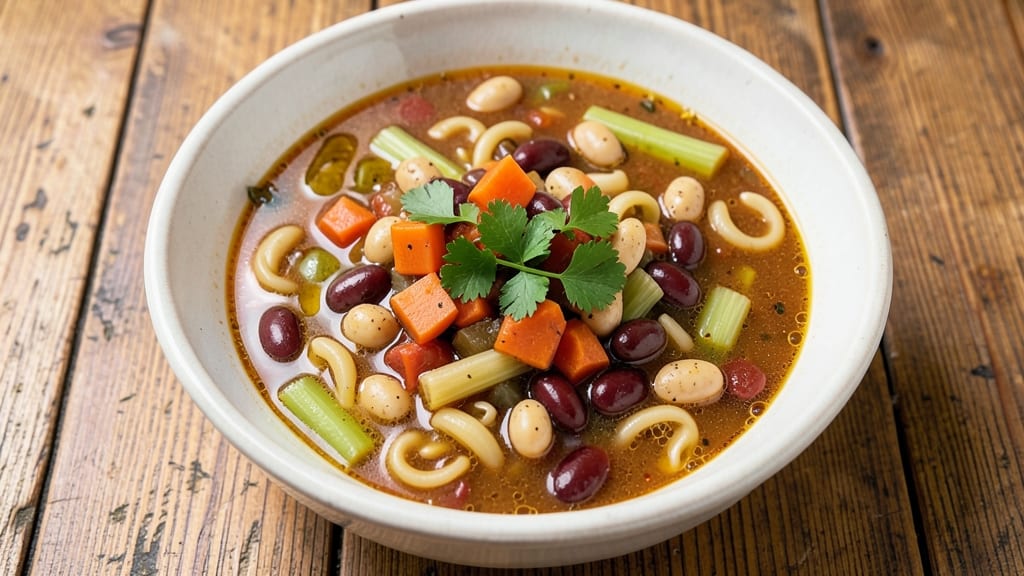
Here’s your Cookie and Kate minestrone soup recipe—where classic Italian warmth meets a bright, modern twist for a bowl that’s as cozy as it is delicious. The perfect blend of tender vegetables, hearty beans, and aromatic herbs creates a soup that's both nourishing and deeply satisfying.
I developed this recipe after realizing how much I missed the classic minestrone from my college days, but wanted to make it easier for busy weeknights.
The beauty of this minestrone lies in its flexibility—it's naturally vegetarian but easily adaptable for vegans by using vegetable broth and adding extra tofu or white beans. The key to achieving that restaurant-quality depth is slow simmering, which allows all the flavors to meld together beautifully.
With just 30 minutes of active prep time and 45 minutes of simmering, you'll have a steaming bowl of comfort that's perfect for chilly evenings.
What makes this version special is the balance of textures—soft beans, tender vegetables, and just enough pasta to hold everything together. The garlic and tomato base forms the perfect aromatic foundation, while fresh basil and parsley add bright, herbal notes at the end.
Each spoonful delivers a symphony of flavors that's both hearty and light, making it a meal you'll want to make again and again.
Serve this minestrone with crusty bread for dipping or a sprinkle of grated parmesan for extra richness. The leftovers keep well in the refrigerator for up to 5 days, making it an excellent make-ahead meal for busy families.
Let's get cooking—this soup is about to become a staple in your weekly rotation.
Ingredients for cookie and kate minestrone soup
Classic Italian flavors meet modern simplicity in this hearty vegetarian minestrone.
| Ingredient | Amount | Notes |
|---|---|---|
| Vegetable Broth 💧 | 6 cups | Low-sodium preferred, homemade or quality store-bought |
| Ditalini Pasta 🍝 | 1 cup | Uncooked, small tubes preferred |
| Canned Cannellini Beans 🌾 | 1 can | Drained and rinsed, 15 oz can |
| Canned Kidney Beans 🌾 | 1 can | Drained and rinsed, 15 oz can |
| Carrots 🥕 | 2 medium | OR 1 cup diced (about 2 medium) |
| Celery Stalks 🧅 | 3 whole | Diced, about 1 cup total |
| Onion 🧅 | 1 medium | Diced, yellow or red |
| Garlic Cloves 🧄 | 4 cloves | Minced, fresh preferred |
| Tomato Paste 🍅 | 2 tbsp | Smooth, not chunky |
| Canned Crushed Tomatoes 🍅 | 1 can | 28 oz can, San Marzano if possible |
| Fresh Basil Leaves 🌿 | ¼ cup | Chopped, stems removed |
| Fresh Parsley Leaves 🌿 | ¼ cup | Chopped, flat-leaf preferred |
| Extra-Virgin Olive Oil 🫒 | ¼ cup | For sautéing, fruity variety |
| Dried Oregano 🌿 | 1 tsp | Italian or Mediterranean blend |
| Salt 🧂 | 1 ½ tsp | Kosher or sea salt, adjust to taste |
| Black Pepper 🌶️ | ½ tsp | Freshly ground preferred |
The vegetable broth is the flavor foundation. Homemade is ideal—just simmer veggie scraps with herbs—but Pacific Foods or Imagine low-sodium are solid store-bought options. For the beans, cannellini and kidney give you that perfect creamy texture, but white beans or chickpeas work too if that's what you've got. The tomatoes? San Marzano cans make all the difference—they're sweeter and less acidic. If you can't find them, any good-quality crushed tomatoes will do. Fresh basil and parsley? Farmers markets have the best, but grocery store bunches work fine if you use them within a few days. Look for bright green leaves with no wilting.
No vegetable broth? Chicken broth works in a pinch—just remember this is vegetarian. Short on canned tomatoes? Fresh tomatoes blended with a splash of water are a great summer swap. Ditalini pasta is traditional, but small shells or penne work beautifully too. Want to make this vegan? Skip the parmesan and add nutritional yeast for a cheesy flavor. The oregano should be Italian or Mediterranean—regular oregano is milder. For extra depth, toast the oregano in a dry pan for 30 seconds before adding it to the soup. The carrots and celery can be baby or regular—just dice them small so they cook through evenly.
This soup tastes even better the next day—make a double batch and freeze half for those lazy weeknights. Store leftovers in airtight containers for up to 5 days in the fridge. For freezing, cool completely first, then portion into containers with some headspace. It reheats beautifully—just add a splash of water or broth if it gets too thick. The pasta will absorb liquid as it sits, so add a little extra broth when reheating. Perfect for meal prep—grab a bowl and go when you're running late.
Why You'll Love This Recipe
- Pantry-Friendly Magic: I swear by this recipe when I forget to grocery shop. Canned beans and broth mean I’m never more than a pot away from a meal—no last-minute trips, no stress.
- Lunchbox Reinvented: Between us, this soup is my go-to for meal prep. I make a big batch on Sundays, and by Wednesday, I’m still eating it cold with crusty bread—no sad desk lunches here.
- Budget-Busting Comfort: A single pot feeds four for under $5. The carrots add sweetness, the beans pack protein, and the broth? Well, let’s just say I’ve used bouillon before, and this still wins.
Step-by-step instructions for Cookie and Kate's minestrone soup
This hearty vegetable and bean medley comes together with simple steps and bold flavors you'll love.
Sauté the Aromatic Vegetable Base
Heat the 0.25 cup extra-virgin olive oil in a large pot over medium heat until shimmering. Add the diced onion and cook for 3-4 minutes until softened and translucent. You'll notice the onion releases its sweet aroma as it cooks.
Add the diced carrots and celery stalks to the pot, stirring to combine with the onion. Cook for another 5 minutes until the vegetables begin to soften slightly and release their natural juices. This step builds the flavor foundation for your soup.
Push the vegetables to one side of the pot and add the 4 cloves minced garlic to the empty space. Sauté for 30 seconds until fragrant—this prevents burning while infusing the garlic's flavor throughout the soup.
Build the Rich Tomato Base
Stir the 2 tablespoons tomato paste into the vegetable mixture, coating everything evenly. Cook for 1 minute until the paste darkens slightly and loses its raw taste. This creates a deep, concentrated flavor that will carry through your entire soup.
Pour in the 1 can canned crushed tomatoes and stir well to combine. Let the mixture simmer for 5 minutes until the tomatoes break down and the sauce thickens slightly. You'll see the colors meld together beautifully, creating a rich tomato base.
Sprinkle the 1 teaspoon dried oregano and 1.5 teaspoons salt over the mixture, stirring to distribute evenly. This is where the Italian flavors really start to come together—let it simmer for another 2 minutes to allow the spices to bloom.
Combine Liquids and Beans
Pour in the 6 cups vegetable broth and bring the mixture to a gentle boil. Once boiling, reduce heat to medium-low and add the drained 1 can cannellini beans and 1 can kidney beans. Stir gently to combine, letting the beans warm through for 3-4 minutes.
Here's where it gets good: add the 1 cup ditalini pasta to the pot. The pasta will absorb some of the liquid as it cooks, so we're adding it later to prevent it from becoming mushy. Stir gently and let the soup return to a simmer.
Cook for 10-12 minutes until the pasta is al dente and the beans are heated through. You'll know it's ready when the pasta floats to the surface and the soup has thickened slightly from the starch released by the pasta.
Finish with Fresh Herbs
Remove the pot from heat and stir in the 0.25 cup chopped fresh basil leaves and 0.25 cup chopped fresh parsley leaves. These herbs add a bright, fresh finish that cuts through the richness of the tomatoes and beans. Let the soup sit off heat for 5 minutes to allow the flavors to meld.
Taste and adjust seasoning with additional salt or 0.5 teaspoon black pepper if needed. The soup should be well-seasoned but not overly salty—remember, the beans and broth already contribute significant flavor.
For the best texture, serve immediately while the pasta is still al dente. Ladle into bowls and garnish with additional fresh herbs if desired. This soup tastes even better the next day as the flavors continue to develop!
Pro Tips For Making Cookie And Kate Minestrone Soup
- Pre-Cook the Carrots: Dice them small—think rice-sized—and simmer them in the broth for 10 minutes before adding anything else. I used to toss them in raw, and they’d turn to mush or stay rock-hard. This way, they soften just enough to sweeten the soup without falling apart later.
- Drain and Rinse Beans: Drain both canned beans, then rinse them under cold water. The starchy water left in the cans makes the soup gummy, and no one wants that. Trust me, a quick rinse keeps the texture light and the flavors clean.
- Salt the Broth Early: Add salt to the vegetable broth before you add the pasta—even if it’s labeled “low-sodium.” The broth absorbs it better, and you won’t end up with a bland base. Taste it at 10 minutes in; adjust if needed.
- Stir the Pasta Often: Ditalini clumps like it’s auditioning for a musical. Stir it every 2 minutes after adding it to the broth, especially in the first 5 minutes. If you walk away, you’ll end up with a soup full of glued-together noodles—no one’s hungry for that.
Essential equipment for perfect results
Large Stockpot
You'll need a 6-8 quart heavy-bottomed stockpot with a tight-fitting lid for even heat distribution. I recommend a Calphalon or All-Clad pot—they're durable and prevent scorching. A 5-quart pot works in a pinch, but you might need to cook in batches if making for more than 4 servings.
The deep sides help prevent splattering when adding broth and tomatoes. 🔥
Wooden Spoon
A long wooden spoon (about 12 inches) is essential for stirring without scratching your pot. I use a Oxo Good Grips—it's heat-resistant and won't warp. Avoid metal spoons when simmering to prevent discoloration. The spoon's length helps you reach every corner of the pot for even cooking.
Sharp Chef's Knife
For chopping onions, carrots, and celery, a 8-inch chef's knife with a sharp serrated edge makes quick work of the prep. I swear by Victorinox Fibrox—it stays sharp longer and handles like a dream. Dice everything into ¼-inch pieces for even cooking and maximum flavor infusion.
Immersion Blender (Optional)
If you prefer your minestrone smoother, an immersion blender (like Cuisinart CB-15) lets you blend directly in the pot without transferring. Pulse for 10-15 seconds after simmering to achieve a velvety texture while keeping some chunkiness. This step is optional but adds restaurant-quality depth.
Fine-Mesh Strainer
A stainless steel fine-mesh strainer (like OXO Good Grips) is perfect for rinsing canned beans before adding them to the soup. This removes excess sodium and prevents a watery texture.
I also use it to strain fresh herbs if you prefer a smoother garnish. The mesh size ensures no unwanted debris ends up in your soup. ✨
Measuring Spoons
Precision matters with spices—use stainless steel measuring spoons (like Westmark) for accurate measurements of tomato paste, oregano, salt, and pepper. A 1-tablespoon scoop and ½-teaspoon measure are must-haves. I keep mine in a magnetic strip on the side of my stove for easy access during cooking.
Nutrition facts
Frequently asked questions
Can I make this minestrone soup vegan?
This recipe is already vegetarian, but for a fully vegan version, simply swap the vegetable broth for a vegan-friendly alternative (like Pacific Foods or Imagine brands). You can also add extra firm tofu or white beans for extra protein. Skip any dairy garnishes like parmesan and use nutritional yeast instead for a cheesy flavor.
How do I adjust the recipe for fewer/more servings?
This recipe serves 4 people. For 2 servings, halve all ingredients, and for 6 servings, multiply by 1.5. Keep the same ratios for beans, pasta, and broth to maintain the perfect balance. If scaling up, consider using a larger stockpot (8+ quarts) to prevent overflowing.
What can I do if my minestrone turns out too thick?
If your soup is too thick, simply add ½ to 1 cup of warm vegetable broth and stir well. Let it simmer for 2-3 minutes to adjust the consistency. For extra richness, you can also stir in a splash of olive oil or a spoonful of canned tomatoes. The key is to thin it gradually while tasting.
Can I freeze this minestrone soup?
Yes! Let the soup cool completely, then transfer it to airtight containers with at least 1-inch headspace to prevent ice crystals. It freezes beautifully for up to 3 months. When reheating, thaw in the fridge overnight, then warm on the stove with a splash of broth to restore texture. Avoid microwaving directly from frozen.
What vegetables can I substitute if I don't have carrots or celery?
No problem! Swap carrots for zucchini, sweet potatoes, or butternut squash (diced small). Replace celery with bell peppers, mushrooms, or fennel for similar texture. Just adjust cooking times—softer veggies like zucchini only need 3-4 minutes while denser options like sweet potatoes may need 5-6 minutes. Keep the total vegetable volume similar.