Breakfast & Brunch
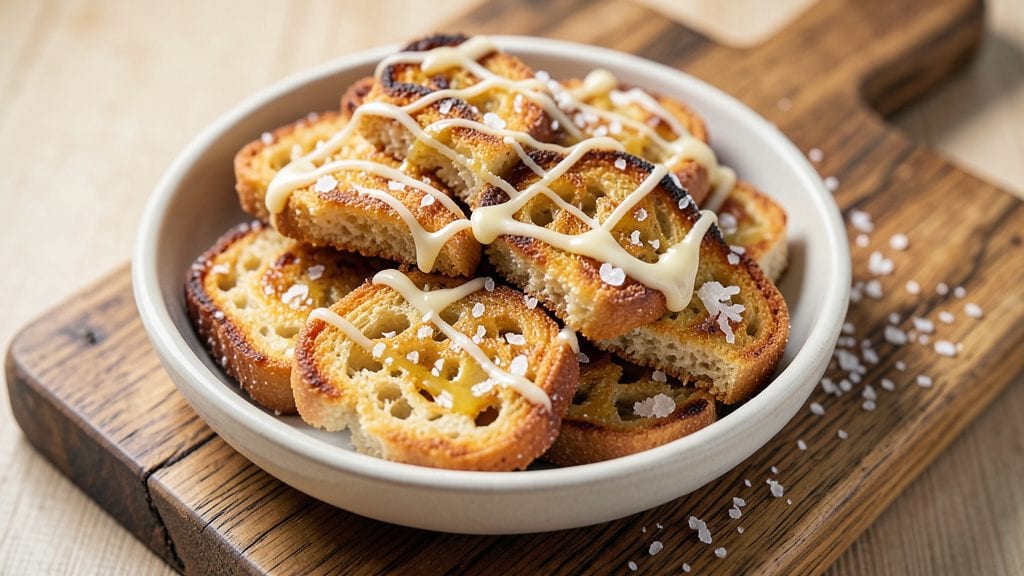
This buttered toast cookies recipe transforms stale bread into crispy, buttery swirls of nostalgia with just five ingredients and no mixing required. The secret lies in toasting the bread until golden and folding it with softened butter—creating layers that bake into delicate, melt-in-your-mouth cookies with perfectly crisp edges.
I perfected this method after years of baking, and it’s now my go-to for using up day-old bread without a trace of waste.
The process couldn’t be simpler: toast the bread, mix it with butter and a touch of sugar, then roll and slice the dough before baking. No stand mixer, no overcomplicating—just a foolproof technique that delivers restaurant-quality results in under 20 minutes of active time.
The dough stays cool enough to handle, and the butter swirls create that signature buttery aroma that fills your kitchen while they bake.
What you’ll end up with are cookies that look like edible works of art—golden-brown swirls with crispy edges and a tender, buttery center that’s impossible to resist. They’re sweet enough to satisfy a cookie craving but not so rich they’ll weigh you down.
The texture is the real star here: crisp enough to hold their shape, yet soft enough to dissolve on your tongue.
For extra indulgence, fold in chocolate chips, chopped nuts, or a sprinkle of cinnamon before baking. These cookies stay fresh for up to 5 days in an airtight container or freeze beautifully for up to 3 months. Let’s get baking—your kitchen will smell like a bakery in no time.
Ingredients for buttered toast cookies
Five simple ingredients transform stale bread into golden, buttery cookies with crisp edges.
| Ingredient | Amount | Notes |
|---|---|---|
| Stale White Bread 🍞 | 6 whole | Day-old, crusts removed |
| Unsalted Butter 🧈 | 1 cup | Softened but coolable |
| Granulated Sugar 🍚 | ¼ cup | Superfine preferred |
| Vanilla Extract 🌿 | ½ tsp | Pure vanilla preferred |
| Sea Salt 🧂 | ¼ tsp | Fine grain preferred |
| Large Egg 🥚 | 1 whole | Room temperature |
The bread is the star—day-old white bread works best, but stale is fine too. Grab whatever you've got from the back of the pantry (the good stuff, not the pre-sliced kind with preservatives). I usually use Sara Lee or Wonder Bread because they toast evenly, but any soft white loaf will do. Toast until golden and crisp—about 10 minutes at 350°F—then let it cool completely before processing. No need for fancy equipment: a food processor or even a rolling pin works. If you're using a food processor, pulse until it's in fine crumbs, but don't overdo it—you want texture, not flour.
Butter matters here—unsalted is a must—and it needs to be softened but still coolable. I always use Land O'Lakes or Plugrá for the best texture. Short on sugar? Brown sugar works too, but it'll make them slightly chewier. No vanilla? Almond extract at half the amount gives a nice twist. The egg is just for binding—no need to overthink it. For extra indulgence, fold in mini chocolate chips or chopped walnuts before baking, but keep it to about 1/2 cup total so the dough stays workable. The dough will be cool and crumbly—don't panic, it's supposed to be that way!
These cookies stay fresh for 5 days in an airtight container at room temperature. For longer storage, freeze the dough balls (before baking) for up to 3 months. I like to portion the dough into golf-ball-sized pieces before baking—about 12 per batch—so they bake evenly. Reheat baked cookies in a 200°F oven for 5 minutes to restore crispiness. The aroma alone is worth the effort—your kitchen will smell like a bakery!
Why You'll Love This Recipe
- Pantry Magic: I swear by this recipe—no fancy ingredients, just bread that’s past its prime, a stick of butter, and sugar. It’s the kind of thing I make when I’m staring at stale loaves and thinking, "What am I even going to do with this?" Spoiler: These cookies.
- Crunchy-Creamy Bliss: The contrast is what sells me—crispy edges from the oven, soft centers still buttery and warm. Drizzle them with vanilla-infused sugar while they’re hot, and that sea salt finish? It’s like a hug for your taste buds. (Yes, even on a Tuesday night.)
- Zero-Waste Hero: Between us, I’ve thrown out enough bread to feed a small army. This recipe turns that into something delicious instead. Plus, the dough keeps for days in the fridge, so you’re not scrambling to use it all at once.
- Budget Baked Goods: For under $5, you get cookies that taste like they cost twice that. No eggs, no fancy flour—just simple, satisfying bites that disappear faster than my willpower when they’re fresh from the oven. My kids call them "buttery magic."
Step-by-step instructions for buttered toast cookies
Here's how to transform stale bread into golden, buttery cookies with minimal effort.
Prepare the Bread and Butter Mixture
Begin by tearing the 6 whole stale white bread into 1-inch cubes. I like to use my hands for this—it's faster than a knife and gives you more control over the size. You want uniform pieces so they bake evenly.
In a large bowl, combine the bread cubes with the 1 cup unsalted butter that's been softened but is still coolable. Use your hands to gently press the butter into the bread until every cube is thoroughly coated. This ensures maximum flavor and moisture in each bite. The mixture should look like wet sand—if it feels dry, add a few extra spoonfuls of butter.
Mix in Sweetener and Seasonings
Add the 0.25 cup granulated sugar, 0.5 teaspoon vanilla extract, and 0.25 teaspoon sea salt to the butter-bread mixture. Stir gently with a wooden spoon until everything is evenly distributed. You'll notice the sugar starts to dissolve slightly from the butter's moisture, creating a light coating on the bread cubes.
Here's the thing—don't overmix. Just combine until the sugar is distributed. The texture should remain crumbly rather than forming a dough. If it starts to stick together too much, chill the mixture for 10 minutes before proceeding. This step is crucial for achieving that perfect crispy texture later.
Incorporate the Egg for Binding
Crack the 1 whole large egg into a small bowl and whisk it lightly with a fork. The egg acts as a binder that will help hold the cookies together during baking. Add the egg to the bread mixture and stir gently until fully combined. You'll see the mixture come together slightly but should still maintain a loose, crumbly consistency.
If the mixture feels too wet, add 1-2 tablespoons of extra bread cubes to absorb the moisture. The ideal texture should hold together when pressed but still be loose enough to scoop easily. This ensures your cookies will spread slightly in the oven while maintaining their shape.
Form and Chill the Cookies
Using a 1-tablespoon cookie scoop or your hands, form the mixture into 1-inch balls. Place them on a parchment-lined baking sheet, spacing them about 2 inches apart. This gives them room to spread and crisp without touching each other.
Cover the baking sheet with plastic wrap and refrigerate for at least 30 minutes (or up to 24 hours). This chilling step is essential—it allows the butter to firm up slightly, preventing excessive spreading in the oven and helping to create those beautiful crispy edges you're after.
Bake to Golden Perfection
Preheat your oven to 350°F. Once preheated, bake the cookies for 12-15 minutes until they're golden brown at the edges with a slightly crispy texture. You'll know they're done when they look toasted but still have a soft center—this is what makes them so delicious.
For the first 5 minutes, don't open the oven door. The initial burst of heat is crucial for creating that crispy exterior. After 5 minutes, check for doneness by looking for golden edges. If they're browning too quickly, rotate the baking sheet for even cooking. Let the cookies cool on the baking sheet for 5 minutes before transferring to a wire rack to cool completely.
Pro Tips For Making Buttered Toast Cookies
- CHOP BREAD EVENLY: Use a sharp knife or bread slicer to cut the stale bread into ½-inch thick slices—thicker pieces won’t crisp properly, and thinner ones burn before they’re golden. I learned this the hard way when my first batch turned into sad, uneven hockey pucks.
- MELT BUTTER SLOWLY: Warm the butter in a saucepan over low heat until it’s fully melted but not browned—hot butter burns sugar and ruins the flavor. Stir occasionally, and if it starts to smell nutty, you’ve gone too far.
- PRESS HARD, DON’T ROLL: Flatten the bread-butter mixture into a thin, even disk with your palm—rolling pin creates air pockets that make them dense. Press firmly, then cut into squares while the butter’s still warm so they hold shape.
- SALT AFTER BAKING: Skip adding salt to the dough—sprinkle flaky sea salt after baking while the cookies are still warm. This keeps the texture crisp and lets you control the seasoning better than mixing it in upfront.
Flavor customization for this dish
Sweet Variations
For a caramelized twist, replace half the granulated sugar with brown sugar and add ½ teaspoon cinnamon—this creates a deeper, molasses-like flavor that pairs perfectly with the buttery richness.
I’ve also found that 1 tablespoon honey swirled into the butter before mixing with the bread adds a delicate floral note that balances the saltiness. 🍯
If you love chocolate, fold in ½ cup mini chocolate chips or chopped dark chocolate (60-70% cocoa) for pockets of melted goodness. For a nutty crunch, add ¼ cup chopped walnuts or pecans—toast them first in a dry pan for 2-3 minutes to enhance their flavor.
These additions work best when added after the egg, so they stay distinct in each bite.
Spiced & Savory Twists
Swap out vanilla for 1 teaspoon almond extract and add ½ teaspoon cardamom for a Middle Eastern-inspired flavor profile. The warm spices complement the buttery base beautifully.
For a savory option, reduce the sugar to 2 tablespoons and add 1 teaspoon smoked paprika plus ½ teaspoon garlic powder—these become delightful tea-time cookies with a subtle kick. 🌶️
Herb lovers can mix in 1 tablespoon finely chopped fresh rosemary or thyme after toasting the bread. The herbs add an earthy depth that works surprisingly well with the buttery sweetness.
For a citrusy zing, zest 1 lemon or orange into the butter before combining with the bread—just be sure to reduce the sugar slightly to balance the tartness.
Texture Play
For extra crispiness, press the dough balls onto a parchment-lined tray with the flat side down before baking. This creates a thin, crispy base while keeping the center soft. Alternatively, roll each dough ball in powdered sugar before baking for a snowy, dessert-like finish that’s perfect for special occasions. ✨
To make these cookies chewier, replace 2 tablespoons of bread cubes with 2 tablespoons of crushed graham crackers or Oreos in the dough. The extra moisture and binding agents create a denser, fudgy texture.
For a crunchy topping, sprinkle crushed cornflakes or pretzels over the dough balls before baking—they’ll toast to golden perfection while the centers stay tender.
Global Flavors
Transform these into Japanese-style butter cookies by adding 1 tablespoon matcha powder (sifted) to the sugar and a pinch of flaky sea salt on top after baking. The earthy matcha pairs surprisingly well with the buttery richness.
For a French twist, fold in 1 tablespoon freeze-dried raspberries or orange zest—this adds a bright, fruity contrast that feels luxurious. 🍵
Inspired by Italian biscotti, add 1 teaspoon espresso powder and ½ teaspoon orange zest to the dough, then slice the baked cookies in half and toast them again for 5 minutes at 300°F to create a twice-baked, crunchy treat.
These work perfectly dipped in coffee or dessert wine. For a Mexican-inspired version, add ½ teaspoon chili powder and ¼ teaspoon cumin—the heat balances the sweetness beautifully.
Nutrition facts
Frequently asked questions
Can I use whole wheat or sourdough bread for these cookies?
While white bread works best for the classic texture, you can use whole wheat bread—just reduce the butter by 1 tablespoon since it absorbs less fat. Sourdough works too, but the tangy flavor may dominate. For a neutral base, stick with plain white or brioche. The key is toasting until golden and dry to avoid soggy cookies.
Why did my cookies spread too much in the oven?
Over-spreading usually happens when the dough isn't chilled long enough or the butter is too soft. Always refrigerate the dough balls for at least 30 minutes before baking. If your kitchen is warm, chill them for 1 hour. Also, make sure your butter is softened but still coolable—it should hold its shape when pressed.
How can I make these cookies gluten-free?
Replace the bread with gluten-free bread crumbs (toasted first) and use a 1:1 gluten-free flour blend mixed with 1 tablespoon xanthan gum to bind the dough. The texture will be slightly denser, but they'll still be delicious. For extra crispiness, add 1 tablespoon cornstarch to the dough mixture.
Can I bake these cookies without an egg?
Yes! Substitute the egg with 1 tablespoon ground flaxseed mixed with 3 tablespoons water (let it sit for 5 minutes to thicken) or 2 tablespoons applesauce. The dough may be slightly wetter, so chill it longer (1 hour) to prevent spreading. The texture will be slightly softer but still hold together beautifully.
What's the best way to store leftover cookies?
Keep them fresh for 5 days in an airtight container at room temperature. For longer storage, freeze the dough balls (before baking) for up to 3 months. To revive stale cookies, warm them in a 200°F oven for 5 minutes—they'll crisp up perfectly. The aroma alone makes them taste fresh again!