Desserts
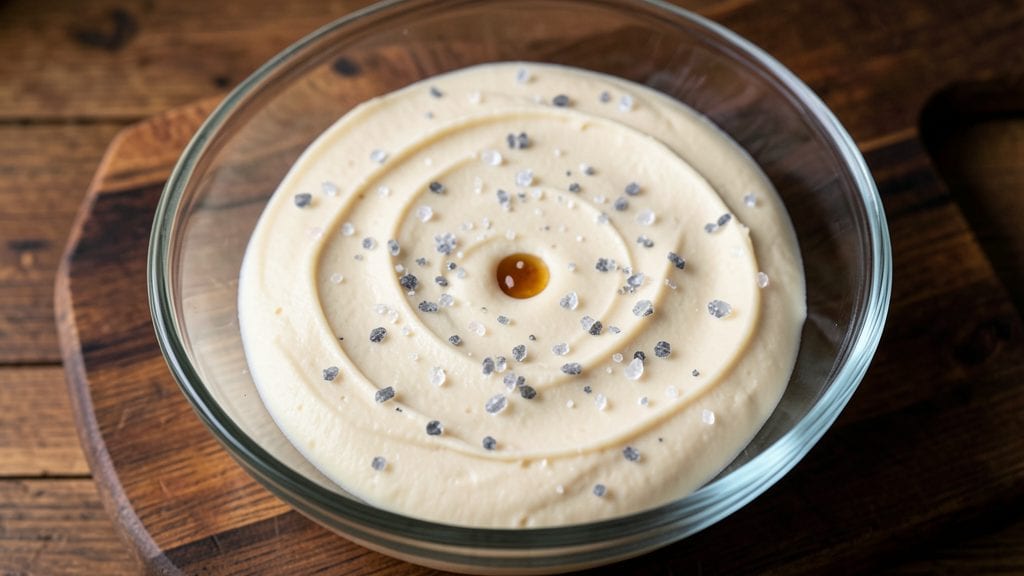
Betty Crocker’s shortbread cookies deliver that signature buttery, crumbly magic without the fuss of chilling dough—just 15 minutes of prep and 12 minutes in the oven. I’ve perfected this recipe to capture that iconic melt-in-your-mouth texture, where every bite dissolves like a cloud of pure butter and sugar.
The secret lies in the ratio of cold butter to flour, which creates those delicate layers that make shortbread unforgettable.
What sets this recipe apart is the no-chill method, a game-changer for busy bakers. Cold butter is cubed and mixed into flour until it resembles coarse crumbs, then pressed into a pan and baked until just golden.
The result? A cookie that’s tender yet sturdy enough to hold its shape, with edges that crisp slightly while staying soft inside. It’s the kind of dessert that feels indulgent but requires minimal effort.
These cookies are simple yet impressive—perfect for holiday gifts, potlucks, or satisfying a late-night sweet tooth. The buttery aroma fills the kitchen as they bake, and the moment they cool enough to handle, they crumble effortlessly between fingers.
No one will guess they didn’t require hours of chilling or fancy techniques. Ready to master this classic?
The beauty of this recipe is its versatility. Roll them into classic rounds or cut them into festive shapes for holidays. A sprinkle of flaky salt or a dusting of powdered sugar adds extra dimension, but the base recipe stands strong on its own.
Let’s get baking—your kitchen will thank you.
Ingredients for betty crocker shortbread cookie
Classic shortbread magic with just seven ingredients—no chilling, no fuss.
| Ingredient | Amount | Notes |
|---|---|---|
| Unsalted Butter 🧈 | 1 cup | Cold, cubed for texture |
| All-Purpose Flour 🌾 | 2 cups | Sifted, spooned lightly |
| Granulated Sugar 🍚 | ¼ cup | Fine grain preferred |
| Flaky Sea Salt 🧂 | 1 tsp | For finishing, optional |
| Vanilla Extract 🍯 | 1 tsp | Pure, high-quality |
| Powdered Sugar 🍚 | ⅛ cup | For dusting, optional |
| Lemon Zest 🍋 | 1 tbsp | Fresh, finely grated |
The butter is non-negotiable here. European-style unsalted butter (like Plugrá) has higher fat content, which delivers that signature melt-in-your-mouth texture. Grab it from Whole Foods or specialty stores if possible—regular supermarket butter works, but it lacks that rich, creamy quality. Keep the butter cold until mixing; if it softens too soon, pop it in the freezer for 10 minutes. The flour should be all-purpose, not self-rising, and sifted to avoid dense cookies. I always measure flour by scooping it into the cup and leveling with a knife, never packing it down.
No vanilla extract? Almond extract at half the amount gives a nice twist, though the flavor profile shifts. Running short on butter? Coconut oil solidified in the fridge works in a pinch, but the texture will be slightly different. The lemon zest adds brightness—skip it if you prefer classic shortbread, but I find it enhances the buttery flavor. For shaping, use a 3-inch round cutter for classic rounds or festive cookie cutters for holidays. Pre-shaping the dough into logs and slicing with a sharp knife works too, but rolling and cutting gives cleaner edges.
Wrap the dough in plastic and refrigerate for up to 24 hours if prepping ahead—this actually improves texture. Once baked, let cookies cool on the pan for 5 minutes before transferring to a wire rack. Store in an airtight container at room temperature for 5 days or freeze for 3 months. For gift-giving, portion into clear cellophane bags with a ribbon—no one will guess they’re no-chill. The aroma alone makes these worth the effort.
Why You'll Love This Recipe
- Three-Ingredient Magic: I swear by this recipe because it’s that simple—just butter, sugar, and flour, with a pinch of salt and vanilla. No fancy mixers, no stress, just a few minutes of mixing and rolling before the oven does all the work. Honestly, if you can melt butter, you can make these.
- Buttery Crunch Perfection: That crisp edge with the tender crumb? It’s all in the cold butter and sugar combo. The flaky sea salt on top? Pure magic—it’s like a tiny, salty hug for every bite. Between us, I’ve tried store-bought shortbread, and these taste way better.
- Holiday or Snack Attack: These are my go-to for Christmas gifts (they freeze beautifully), but they’re also the perfect after-dinner treat when you’re craving something sweet but not heavy. Honestly, I’ve sent them in lunchboxes, paired them with coffee, and even crushed them over ice cream—no regrets.
- No-Waste, Budget Win: A single batch makes 24 cookies, and the ingredients cost pennies. Leftover dough? Just shape and bake again—no sad scraps here. I’ll be real: my grocery bill stays low, but my kitchen always smells like a bakery. That’s a win.
Step-by-step instructions for betty Crocker shortbread cookies
Here's how to create melt-in-your-mouth shortbread with minimal effort and maximum flavor.
Cut and Mix the Cold Butter
Place the 1 cup unsalted butter (cold, cubed) in the bowl of a stand mixer fitted with the paddle attachment. I like to use cold butter because it creates more air pockets in the dough, resulting in lighter cookies. Mix on low speed for 30 seconds to break up the butter into small pieces without melting it.
Add the 0.25 cup granulated sugar and mix again on low speed for another 30 seconds until the sugar begins to dissolve into the butter. This step ensures even distribution of sweetness throughout the dough. The mixture should look like wet sand with butter pebbles throughout.
Incorporate the Dry Ingredients
With the mixer still running on low speed, gradually add the 2 cups all-purpose flour (sifted) and the 1 tbsp lemon zest. Mix just until combined—about 30 seconds—being careful not to overwork the dough. Overmixing develops gluten, which makes shortbread cookies tough instead of tender.
Add the 1 tsp vanilla extract and mix for another 10 seconds until fully incorporated. The dough should come together in a rough clump. I know it looks dry, but don't worry—this is normal for shortbread. Use a rubber spatula to gently press the dough together into a single mass.
Shape and Form the Dough
Turn the dough out onto a lightly floured surface and gently press it into a 1-inch thick rectangle. Wrap it tightly in plastic wrap and refrigerate for 15 minutes. This brief chilling helps firm the dough slightly, making it easier to handle without sticking.
After chilling, roll the dough out to ¼-inch thickness on a floured surface. Use a 2-inch round cutter (or a glass) to cut out circles. I like to press down firmly with the cutter to ensure clean edges. Place the cutouts on a parchment-lined baking sheet, spacing them 1 inch apart for even baking.
Bake to Golden Perfection
Preheat your oven to 350°F. Bake the shortbread for 12-15 minutes until the edges are light golden brown and the centers look just slightly pale. The cookies should be firm to the touch but not hard. Rotate the baking sheet halfway through for even baking.
Remove from the oven and let cool on the baking sheet for 5 minutes before transferring to a wire rack. While still warm, sprinkle each cookie with a pinch of flaky sea salt and dust lightly with 0.125 cup powdered sugar for that classic shortbread finish. The salt enhances the buttery flavor, while the powdered sugar adds a delicate sweetness.
Pro Tips For Making Betty Crocker Shortbread Cookie
- Cut Butter Cold: Take your butter straight from the fridge—no softening needed. The cold butter creates those signature flaky layers, and I learned this the hard way after making dough that turned out dense and greasy. Use a food processor or pastry cutter to break it into pea-sized pieces before adding flour.
- Measure Flour Right: Spoon the flour into your measuring cup, then level it off with a knife—don’t scoop directly from the bag. Packing it down makes your cookies tough, and I’ve ruined batches by skipping this step. A kitchen scale? Even better—1 cup of all-purpose flour is about 120 grams.
- Skip Overmixing: Pulse the dough in the food processor just until it comes together—about 10-12 seconds. Overworking it develops gluten, and your cookies will turn out chewy instead of tender. Stop when the dough clumps but still looks dry.
- Chill Before Baking: Let the dough rest in the fridge for at least 30 minutes—yes, even if you’re eager. This prevents spreading and ensures clean edges. I used to skip it, and my cookies would flatten into sad little pancakes. No shortcut here.
Common mistakes when making this recipe
Overmixing the Dough
Shortbread’s magic lies in its delicate crumb, which disappears the moment you overmix. I’ve seen beginners turn their dough into a tough, dense mess by mixing it for too long—especially after adding flour. Once the dough comes together, stop mixing immediately.
Use a rubber spatula to gently press it into a single mass by hand if needed. Overmixing develops gluten, which ruins the tender texture we’re after. 💡
Skipping the Chill
Even though this recipe is no-chill, that 15-minute fridge stop before rolling is non-negotiable. Without it, the dough will spread unevenly in the oven and lose its shape. I’ve made this mistake—trust me, the cookies turn out flat and sad.
If you’re in a rush, wrap the dough and pop it in the freezer for 10 minutes instead.
Using Warm Butter
Cold butter is your secret weapon for flaky layers. If your butter softens too soon (hello, warm kitchens!), pop the bowl in the freezer for 5-10 minutes before mixing. I’ve used room-temperature butter in a pinch, and the result?
A dense, greasy cookie that falls apart. European-style butter (like Plugrá) stays cold longer, but any unsalted butter works if properly chilled.
Overbaking the Cookies
Shortbread bakes fast—12-15 minutes max at 350°F. The moment the edges turn golden, pull them out. Overbaking dries them out, turning them into sad, crumbly bricks. For perfect doneness, press gently on a cookie—it should be firm but still soft in the center.
A toothpick should come out with a few moist crumbs, not clean.
Not Preheating the Pan
Cold pans cause uneven baking and can make your cookies spread. Always use a baking sheet that’s been in the oven for 5-10 minutes before adding dough.
I line my pans with parchment paper (no sticking!) and preheat them alongside my oven. Pro tip: Rotate the sheet halfway through baking for even golden edges.
Ignoring the Salt
That pinch of flaky sea salt isn’t just for looks—it balances the sweetness and makes the butter flavor pop. Sprinkle it while cookies are still warm so it adheres. I’ve tasted shortbread without it, and while it’s still delicious, the salt takes it to another level.
For extra flair, dust with powdered sugar too—it’s a classic finish for a reason. ✨
Nutrition facts
Frequently asked questions
Why does this recipe not require chilling the dough?
The 15-minute fridge stop before rolling is all you need to firm the dough slightly. This prevents excessive spreading while baking. The butter stays cold enough to maintain structure without the hours of chilling traditional shortbread requires. Cold butter creates air pockets that give shortbread its signature tender crumb—no chill needed!
Can I substitute butter with another fat?
For best results, stick with unsalted butter—it delivers that classic melt-in-your-mouth texture. In a pinch, use solid coconut oil (chilled) or shortening, but expect a slightly denser cookie. Avoid margarine or vegetable oils, which can make cookies greasy and spread too much.
How do I store these cookies to keep them fresh?
Store in an airtight container at room temperature for up to 5 days. For longer storage, freeze the dough (before baking) for 3 months or baked cookies (wrapped individually) for 2 months. Thaw frozen dough at room temperature before rolling. The butter keeps them moist—no drying out!
Can I make these cookies gluten-free?
Yes! Replace the 2 cups all-purpose flour with a 1:1 gluten-free baking flour blend (like Bob's Red Mill). Add ½ tsp xanthan gum to help bind the dough. Expect slightly more crumbly cookies, but they’ll still be delicious. Test with a small batch first to adjust texture.
What’s the best way to shape them for gifts?
Roll the dough into a 1-inch log, wrap tightly in plastic, and chill for 30 minutes. Slice into ¼-inch rounds and bake as directed. Package in clear cellophane bags with a ribbon—no one will guess they’re no-chill! For extra flair, dust with powdered sugar before gifting.